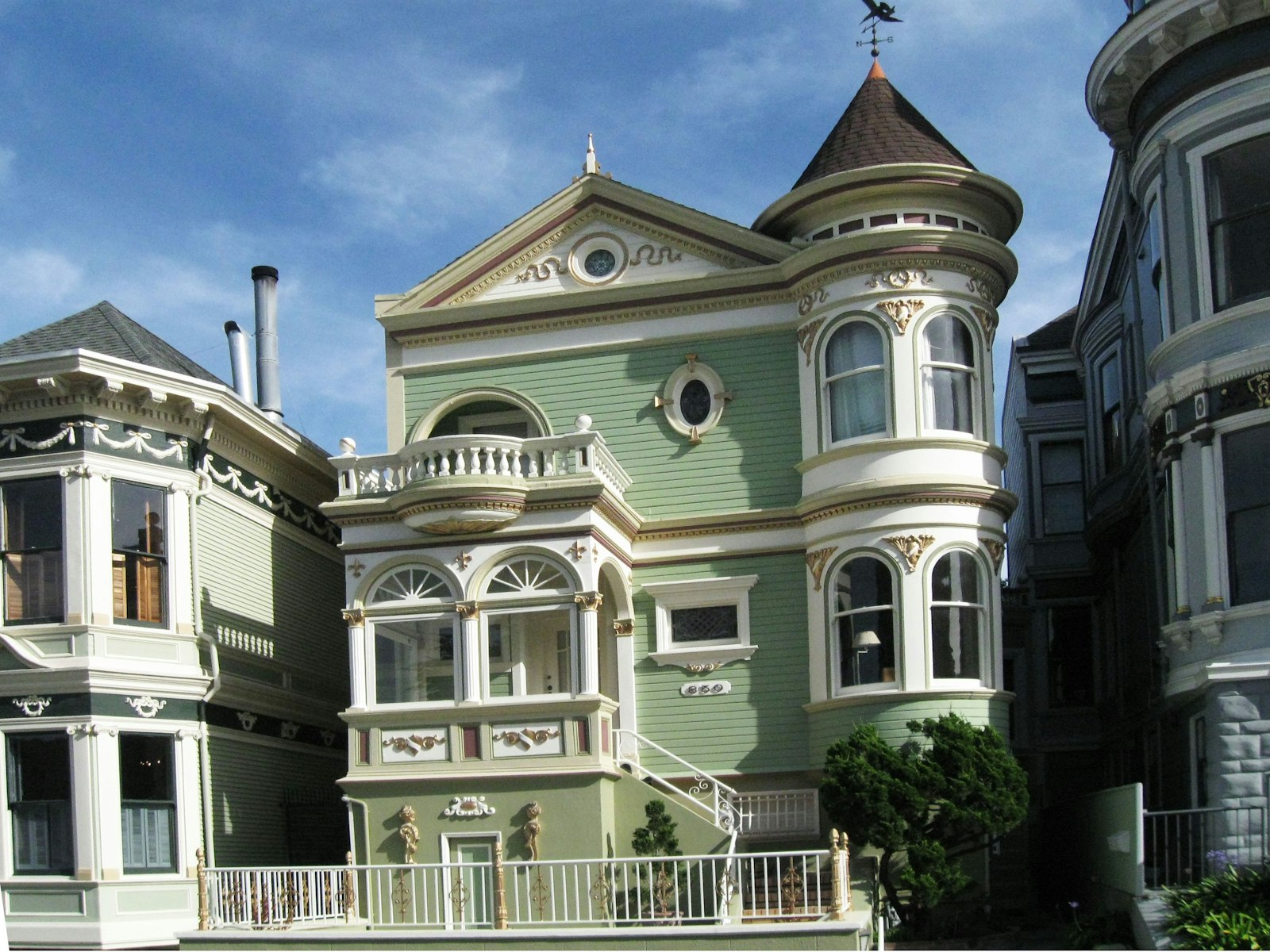
Selling a Historic Home in Richmond VA in 2026: What Sellers Need to Know
Navigating the unique challenges and opportunities of selling a historic Richmond home – from pricing to disclosure to finding the right buyer.
Selling a historic home in Richmond VA requires specialized knowledge that most general real estate agents lack. This complete guide covers how to price a historic Richmond VA home accurately in 2026, what disclosure requirements apply to historic Richmond homes, how to market Fan District rowhouses and Church Hill Victorians effectively to buyers who value historic character, which home improvements maximize value in Richmond’s historic housing stock, how historic designation affects your Richmond VA home sale, the Commission of Architectural Review’s impact on buyers and sellers, and how Mission Realty’s historic property specialists successfully sell Richmond’s most architecturally significant homes. Whether you are selling in the Fan District, Museum District, Church Hill, or any other Richmond historic neighborhood, this guide is for you.
Table of Contents
- Pricing Historic Richmond VA Homes: Why Comps Are Challenging
- Preparing a Historic Richmond Home for Sale in 2026
- Historic Home Disclosure Requirements in Richmond VA
- Marketing Richmond VA Historic Properties to the Right Buyers
- How the Commission of Architectural Review Affects Your Richmond Home Sale
- Which Improvements Add the Most Value to Historic Richmond Homes
- Frequently Asked Questions
Richmond, Virginia is home to one of the largest and most diverse collections of intact historic residential architecture in the American South. The Fan District’s 350+ acres of Victorian and Edwardian rowhouses, Church Hill’s Federal and Greek Revival townhouses, the Museum District’s early-20th-century homes, the Northside’s Craftsman bungalows, and dozens of other historic neighborhoods collectively make Richmond a national treasure of architectural heritage – and a uniquely challenging real estate market for sellers who own pieces of that heritage.
Selling a historic Richmond home is genuinely different from selling newer construction in the suburbs. Buyers for historic properties have specific expectations about what they are purchasing – original features, period architectural character, the particular spatial qualities of pre-WWII construction – and they react negatively to renovations that have replaced those features with contemporary alternatives. At the same time, historic homes require transparent disclosure of the condition issues that commonly accompany old age, and sellers who attempt to obscure known problems face serious legal and financial consequences.
The good news is that Richmond’s historic homes continue to attract a deep and passionate pool of buyers in 2026 – people who specifically seek out the character and craftsmanship that historic Richmond properties provide. Sellers who understand how to present, price, and market their historic properties to this buyer pool consistently achieve excellent outcomes. This guide provides that understanding.
Pricing Historic Richmond VA Homes in 2026: Why Comparable Sales Are More Complex Than in New Construction Markets
Pricing a historic Richmond home accurately is one of the most challenging exercises in residential real estate valuation – and getting it right is more important than ever in 2026’s more discerning buyer market. The challenge is that historic homes are genuinely unique: two adjacent rowhouses on the same Fan District block may have dramatically different values based on the specific quality of their historic features, the extent and quality of any renovations, the ceiling heights, the condition of original woodwork and hardware, the presence of original fireplaces in working condition, and dozens of other details that affect buyer perception and willingness to pay.
Comparable sales analysis for historic Richmond homes must go beyond simple price-per-square-foot metrics (which can be misleading when properties have very different qualities of renovation and historic integrity) to examine individual transaction circumstances, buyer motivations, and property-specific features. A $595,000 Fan District sale might represent a fully renovated, 2,400-square-foot home with all original features intact and a recently updated kitchen and bathrooms. A $480,000 sale nearby might be a larger home with less thoughtful renovation that has replaced original details with contemporary finishes. These differences matter enormously to historic buyers and must be incorporated into pricing analysis.
The most accurate pricing for historic Richmond homes requires an experienced agent who has personally been through multiple recent transactions in the specific neighborhood and who deeply understands what buyers of historic Richmond properties value and pay for. Mission Realty’s agents who specialize in historic neighborhoods have this knowledge – built through years of walking Fan District, Church Hill, and Museum District blocks, attending open houses in every price range, and completing transactions with buyers who articulate exactly what they valued and what they would have paid more or less for. This qualitative knowledge is as important as the quantitative comparable sales analysis in pricing historic properties correctly.
Preparing a Historic Richmond VA Home for Sale in 2026: How to Present Original Features Effectively
Preparing a historic Richmond home for sale requires a fundamentally different approach than staging a suburban colonial or a contemporary condo. The goal is not to make the home look like new construction – buyers of historic Richmond homes are not looking for that. The goal is to present the home’s historic character at its absolute best: original features highlighted, not obscured; the quality of original workmanship visible and celebrated; the home’s spatial qualities (high ceilings, large windows, original room proportions) maximized through thoughtful furniture and accessory selection; and the overall impression one of a beautifully maintained home that has been cared for with respect for its architectural heritage.
Specific preparation priorities for historic Richmond sellers: original hardwood floors should be refinished if they are significantly worn or finished inconsistently – this single improvement can transform a home’s appearance and return 3-5x its cost in buyer perception. Original fireplaces – even non-working ones – should be staged with simple, period-appropriate accessories that draw attention to them as the architectural centerpieces they are. Original woodwork (baseboards, door casings, window surrounds, built-in bookshelves) should be freshly painted or touched up to show at its best. Hardware – original door knobs, window hardware, cabinet pulls – should be cleaned and polished or carefully replaced with period-appropriate alternatives if significantly damaged.
The most common staging mistake in historic Richmond homes is over-modernizing the staging accessories in an effort to make the home appeal to buyers who want contemporary interiors. A Victorian Fan District rowhouse staged with ultra-contemporary furniture and accessories creates a jarring stylistic clash that most buyers of historic homes find off-putting – it neither celebrates the historic character they are seeking nor successfully transforms the space into something that contemporary design buyers want. The most successful staging for historic Richmond homes strikes a balance: warm, inviting, and comfortable contemporary living accessories that respect rather than fight the home’s period architecture. Think Restoration Hardware or similar brands that bridge traditional and contemporary rather than stark ultra-modern.
Historic Home Disclosure Requirements in Richmond VA: What Sellers Must Disclose in 2026
Virginia’s disclosure requirements for home sellers are straightforward but important: sellers must complete a Residential Property Disclosure Statement that covers known material defects, HOA information (if applicable), and certain environmental and zoning matters including the presence of the property in a historic district. Virginia is technically a “buyer beware” state, meaning sellers are not required to proactively disclose every condition of the property – but sellers who knowingly conceal material defects that they are aware of face significant legal liability under Virginia law and common law fraud principles. For historic homes with age-related conditions, the practical and legal guidance is clear: disclose known material defects honestly and completely.
Specific disclosure considerations for historic Richmond homes include: lead paint disclosure (federally required for all pre-1978 homes – the vast majority of Richmond’s historic housing stock); known structural issues; known plumbing issues (galvanized or cast iron pipes at end of life, active leaks, drainage problems); known electrical issues (knob-and-tube wiring, outdated service panels, known hazards); known roof issues; moisture intrusion in basements and crawl spaces; historic district and Commission of Architectural Review (CAR) designation; and any known environmental issues on the property or in the area. A pre-listing home inspection can help sellers identify and address or disclose issues proactively, which is generally a better strategy than having buyers discover issues during their own inspection and use them for renegotiation leverage.
Historic district designation itself should be clearly communicated to buyers, including the general nature of CAR review requirements for exterior modifications. Sellers should not attempt to minimize or obscure the CAR process – buyers who feel misled about the implications of historic designation for their planned renovations frequently back out of transactions or pursue legal remedies. Honest communication about what historic designation means practically (no prohibitive restrictions on typical ownership activities, but some exterior modifications require CAR approval with a defined review process) allows buyers to make informed decisions and creates more durable transactions. Buyers who understand the CAR process before purchase are buyers who have made a genuine choice and are committed to the property despite that knowledge.
Marketing Richmond VA Historic Properties in 2026: Reaching the Buyers Who Love What You Have
Marketing a historic Richmond home effectively requires reaching and resonating with the specific buyer audience that appreciates what makes historic properties special – because those buyers are the ones who will pay the most for what your home offers. Generic real estate marketing (a MLS listing, a few photos, a Zillow syndication) dramatically underserves historic Richmond properties, failing to communicate the irreplaceable character and craftsmanship that drives their value premium over comparable newer construction. Historic property marketing requires storytelling – helping buyers understand and feel the significance of what they are looking at – alongside the standard property data that all listings must provide.
The most effective marketing for historic Richmond homes includes: professional photography by a photographer with specific experience capturing historic architectural details (not just a standard real estate photographer who shoots generic rooms); a listing description that tells the architectural story of the property – its approximate construction date, its architectural style, the notable original features that are present, any historically significant associations – rather than generic real estate marketing language; detail photography specifically of the home’s most distinguished historic elements (mantels, woodwork, floors, hardware, stained glass, etc.); and distribution through channels that reach historically-minded buyers – historic preservation organization newsletters, Fan District Association communications, and social media targeting buyers searching specifically for historic Richmond properties.
The buyer pool for historic Richmond homes is specific and knowledgeable – they typically have researched historic neighborhoods extensively, are familiar with the architectural styles they are seeking, and respond to accurate, detailed descriptions of a home’s historic features. These buyers are also typically willing to pay significant premiums for properties with genuine historic integrity – original features intact, appropriate renovation if any, and evidence of respectful stewardship over the property’s life. Marketing that clearly communicates historic integrity and provenance directly to this audience is the most powerful driver of competitive offers on historic Richmond properties.
The Richmond VA Commission of Architectural Review: What Sellers and Buyers Need to Know in 2026
The Commission of Architectural Review (CAR) is the City of Richmond board that reviews proposed exterior changes to properties in the city’s designated historic districts and historic landmarks. If your Richmond home is in a CAR-regulated area (which includes most properties in the Fan District, Church Hill Historic District, Monument Avenue Historic District, and numerous other city historic districts), any significant exterior modification – including window replacement, siding changes, additions, certain paint color changes, and some porch modifications – must be reviewed and approved by the CAR before proceeding. This is an important fact for sellers to communicate clearly to prospective buyers, as it affects buyers’ renovation and modification plans.
The CAR process is often described in ominous terms by buyers who have heard only secondhand information about it, but sellers with direct experience of the process know that it is generally a manageable administrative process that rarely prevents appropriate improvements. The CAR reviews applications at regular monthly meetings, has published design guidelines that describe what types of changes are generally approvable, and has an active staff available to advise property owners on proposals before formal application. The vast majority of routine maintenance and repair projects (replacing a roof with appropriate materials, replacing in-kind architectural elements, general exterior maintenance and painting in approved colors) require no CAR review at all. More significant modifications – adding a rear addition, replacing original windows, changing exterior cladding – require formal application and review.
For sellers, the most important thing is accurate representation of the CAR’s role to buyers. Sellers who characterize CAR oversight as a prohibitive bureaucratic nightmare lose buyers unnecessarily. Sellers who fail to mention the CAR at all create legal exposure when buyers discover it post-closing. The accurate characterization is: your property is in a historic district with CAR oversight; most normal maintenance requires no CAR involvement; significant exterior changes require an application and review process that is manageable and works constructively with property owners who come with reasonable, historically appropriate proposals. Buyers who understand this and still want the property are committed buyers who have made an informed choice.
Which Home Improvements Add the Most Value to Historic Richmond VA Homes Before Selling in 2026
The return on investment from pre-sale improvements in historic Richmond homes follows different rules than in newer construction. The highest-return improvements are those that reveal, restore, or enhance original historic features – because historic buyers specifically pay premiums for those features. Hardwood floor refinishing consistently delivers the highest ROI in historic Richmond homes: uncovering original floors under carpet and refinishing at $3-$5/sq ft delivers buyer value of $15,000-$40,000+ in perceived quality in neighborhood contexts where original floors are a major selling point. Fireplace restoration or staging (cleaning, re-pointing if needed, painting the surround to complement the woodwork) is similarly high-return – buyers specifically seek homes with original fireplaces and react very positively when they are well-presented.
Kitchen and bathroom updates in historic homes require careful calibration – the goal is functional modernity while respecting the home’s architectural character, not a design statement that fights the historic fabric. Buyers of $500,000+ Fan District homes expect updated kitchens, but they want updates that are “appropriate” – meaning quality materials that feel period-appropriate (butcher block or marble counters rather than stark quartz, subway tile rather than large-format contemporary tile, hardware that references the home’s era). A modest kitchen update of $15,000-$25,000 that modernizes function while respecting architectural context can return $30,000-$50,000 in buyer value. A $60,000 kitchen gut renovation with ultra-contemporary finishes may actually reduce value for buyers who specifically want historic character.
Systems improvements (HVAC replacement, updated electrical panel, new water heater, plumbing updates) deliver value primarily through buyer confidence and reduced inspection-related negotiating rather than direct appraisal value. A historic Richmond home with clearly updated and documented major systems sells faster, attracts fewer inspection-contingency renegotiations, and closes more reliably than a home with aging systems that buyers fear. Proactively replacing a 20-year-old HVAC system before listing ($5,000-$12,000 depending on system size) removes a common inspection negotiation point and can easily return its cost in avoided price concessions. Similarly, addressing known plumbing issues (replacing galvanized piping sections that are draining slowly or showing rust) removes buyer concerns about the most anxiety-inducing systems in older Richmond homes.
| Historic Home Improvement | Typical Cost | Estimated Value Added (Fan/Church Hill) | ROI |
|---|---|---|---|
| Hardwood floor refinishing | $3-$5/sq ft ($3,000-$7,500 average) | $15,000-$40,000 in perception | Very High |
| Fireplace restoration/staging | $500-$3,000 | $5,000-$15,000 | Very High |
| Fresh neutral paint throughout | $2,000-$5,000 | $5,000-$15,000 | High |
| Modest kitchen update | $12,000-$25,000 | $20,000-$40,000 | High |
| HVAC replacement (aging system) | $5,000-$12,000 | Avoids $5,000-$15,000 in negotiations | High |
| Window restoration (vs replacement) | $200-$500/window | Better than replacement for CAR/historic buyers | High |
| Exterior paint and curb appeal | $2,500-$6,000 | $8,000-$20,000 | High |
| Full kitchen renovation (contemporary) | $40,000-$80,000 | May reduce appeal for historic buyers | Low-Medium |
Frequently Asked Questions: Selling a Historic Home in Richmond VA 2026
Do historic homes sell for more or less than non-historic homes in Richmond VA?
In Richmond VA’s most established historic neighborhoods, historic designation and genuine historic integrity typically command significant price premiums over non-historic comparable properties. Fan District Victorian rowhouses with original features intact sell at higher price-per-square-foot rates than equivalent space in non-historic properties in the same area. The premium reflects the irreplaceable architectural character, the limited supply of historic properties, and the deep buyer pool that specifically seeks historic Richmond addresses. However, historic homes that have been renovated in ways that compromise their historic character (replacing original windows with vinyl, covering original details with contemporary finishes) often fail to command the full premium their historic location would otherwise justify.
How does the Fan District historic district designation affect my home sale?
Fan District historic district designation affects your home sale in several ways. Positively: it provides ongoing protection of the neighborhood’s architectural character that maintains the quality environment that drives Fan District values – buyers pay the Fan premium partly because they trust that the neighborhood’s character will be maintained for future enjoyment. It also signals to buyers the historical significance and quality of the neighborhood’s housing stock. The CAR oversight requirement is also relevant – buyers need to understand that significant exterior changes require CAR review and approval, which is an important disclosure item that all Fan District sellers should address honestly with buyers.
Should I replace the original windows in my Richmond historic home before selling?
No – for most historic Richmond homes, replacing original wood windows with vinyl or fiberglass replacement windows is strongly inadvisable before listing and may actually reduce your sale price. Historic Richmond buyers (the audience willing to pay a premium for your property) specifically value original windows as part of the historic integrity they are purchasing. CAR regulations in Richmond’s historic districts generally discourage window replacement in favor of restoration and repair. Original wood windows that have been properly maintained and weather-stripped can perform comparably to replacement windows in energy efficiency, while providing the authentic historic character that differentiated your home. Have original windows professionally weather-stripped and painted if needed rather than replaced.
How do I find buyers for a historic Richmond VA home?
Buyers for historic Richmond homes are found through targeted marketing strategies that reach people who specifically seek historic properties. The MLS is necessary but not sufficient – the most important supplements include: marketing within the Fan District Association, Church Hill Association, and other neighborhood civic organizations’ communications; outreach to the Historic Richmond Foundation’s membership (a pool of people committed to Richmond’s architectural heritage); targeted social media marketing to people following Richmond historic architecture content; networking with historic property enthusiasts through Richmond’s preservation community; and ensuring your listing description specifically and accurately describes the home’s historic features in terms that resonate with buyers who know and value what they are looking for. Mission Realty’s historic property specialists have all of these channels active and ready for your listing.
What are the biggest challenges when selling a historic Richmond VA home?
The primary challenges in selling a historic Richmond home include: appraisal – older homes with unique features are more difficult to appraise accurately, and low appraisals can derail transactions if buyers are financing at high loan-to-value ratios; inspection – older homes have more inspection findings that can create buyer anxiety and renegotiation pressure, which is best managed through proactive pre-listing preparation and full disclosure; buyer financing – some loan programs have property condition requirements that older homes struggle to meet; and marketing – generic real estate marketing underserves historic properties and fails to reach the buyers willing to pay the most for what you have. Each of these challenges is manageable with experienced historic property guidance from Mission Realty.
Do I need to do anything special to disclose a historic designation when selling in Richmond VA?
Virginia’s Residential Property Disclosure Statement requires sellers to disclose whether the property is located in a historic district, which includes a general disclosure that the property may be subject to architectural review requirements. Beyond this required disclosure, Mission Realty recommends providing buyers with clear, accurate information about the specific CAR review requirements for your property – including what types of changes require review, how the process works, and where to find the relevant design guidelines. This proactive, transparent communication about historic designation prevents misunderstandings that lead to buyers backing out, and it builds the trust with historically-committed buyers that leads to smoother, more successful transactions.
How long does it typically take to sell a historic home in the Fan District Richmond VA?
Fan District historic homes, when well-priced and well-presented, typically sell in 14-21 days in 2026’s market. The median days on market for Fan District properties overall is approximately 14 days, but individual results vary based on price accuracy, condition presentation, marketing quality, and current buyer demand. Overpriced Fan District homes can sit 45-60+ days and ultimately sell for less than correctly-priced homes sell for in 2 weeks. Historic condition issues that are not proactively addressed can extend time on market as buyers conduct more extensive due diligence. Well-priced, well-prepared Fan District homes with strong marketing consistently achieve the fastest sales and best prices in Richmond’s urban market.
Can I sell my historic Richmond home as-is without making any improvements?
Yes, selling a historic Richmond home as-is is entirely possible and is sometimes the right strategy – particularly for properties in the renovation-candidate price range where buyers are expecting and budgeting for significant improvement work. An as-is listing typically requires aggressive pricing that reflects the home’s condition, full transparency in disclosure about known issues, and marketing specifically to buyers who are seeking renovation projects (investors, owner-occupants who want to customize, experienced renovators). As-is pricing in Richmond’s historic neighborhoods typically runs 15-30% below the equivalent fully-renovated sale price depending on the extent of work needed, so sellers should carefully evaluate whether the as-is price premium from avoiding renovation costs exceeds the price discount they are accepting.
Are there any tax benefits to selling a historic Richmond VA home?
The primary federal tax benefit relevant to historic Richmond home sales is the primary residence capital gains exclusion – allowing homeowners who have owned and lived in a home for at least 2 of the past 5 years to exclude up to $500,000 (married filing jointly) in capital gains from federal tax when selling. For Richmond historic home sellers who purchased years ago at lower prices, this exclusion can shelter substantial gains from taxation. Virginia Historic Rehabilitation Tax Credits are available for rehabilitation work on Virginia Landmarks Register properties – if you have done significant rehabilitation work on a qualifying historic property, these credits may be available. Consult a tax professional familiar with Virginia historic preservation tax incentives before selling to ensure you capture all available benefits.
What should I do with original hardware and fixtures when selling a historic Richmond home?
Original hardware and fixtures in a historic Richmond home are significant selling assets – they should be presented prominently, cleaned and polished to show at their best, and clearly disclosed as remaining with the property in any purchase contract. Original door hardware (brass knobs, escutcheons, thumb latches), original window hardware, original light fixture bases, original cabinet hardware, and similar period details are highly valued by historic buyers and contribute meaningfully to their perception of the home’s historic integrity. If any original hardware has been temporarily removed (for storage, cleaning, or renovation staging), ensure it is reinstalled before listing photography and showings. Never remove or take original hardware when vacating the property – it is a fixture that conveys with the sale unless specifically excluded in writing.
Ready to Sell Your Historic Richmond VA Home? Trust Mission Realty’s Historic Property Specialists.
Selling a historic Richmond home is a specialized undertaking that deserves specialized expertise. Mission Realty’s listing agents who focus on the Fan District, Church Hill, Museum District, and other historic Richmond neighborhoods bring the pricing knowledge, marketing skills, and buyer network needed to achieve exceptional outcomes for historic property sellers. Contact Mission Realty today for a free historic home seller consultation. Visit missionrealty.com to connect with our historic property specialists.