Relocating to Richmond VA from New York City: Cost of Living & Neighborhood Guide
Trade a shoebox apartment for a real house without leaving the East Coast
Relocating to Richmond VA from New York City in 2026 typically cuts your cost of living by more than half, with a median home price near $365,000 compared to $780,000+ in NYC (and far more per square foot in Manhattan or Brooklyn), while a typical one-bedroom apartment rents for $1,300-$1,600 in Richmond versus $3,500-$4,200 in NYC. Richmond is about a six-hour drive or a roughly two-hour direct flight from NYC, and the day-to-day pace shifts from subway commutes and 24-hour density to a car-based, 24-minute average commute in a city one-tenth NYC’s size. This guide from the Mission Realty Team compares housing costs, taxes, neighborhoods, climate, and the cultural adjustment New Yorkers should expect when trading the five boroughs for the James River.
Table of Contents
- How Much Cheaper Is Richmond Than New York City?
- How Far Is Richmond From NYC and How Do You Get There?
- Which Richmond Neighborhoods Fit New Yorkers Best?
- How Do Taxes in Richmond Compare to New York?
- What Is the Culture Shock Moving From NYC to Richmond?
- What Should New Yorkers Do Before Buying in Richmond?
- Frequently Asked Questions
Relocating to Richmond VA from New York City in 2026 means going from a median Manhattan apartment price well over $1 million (or $780,000+ citywide across the five boroughs) to a $365,000 median home price in a city where houses actually come with yards, driveways, and multiple bedrooms as standard. Richmond sits about 335 miles south of NYC, roughly a six-hour drive or a two-hour direct flight from LaGuardia or Newark.
New Yorkers relocating to Richmond are trading round-the-clock subway access and unmatched density for a car-dependent but far calmer city of about 230,000 people (1.3 million metro-wide), where the average commute is 24 minutes instead of NYC’s notorious 40+ minute subway and bus combinations. It’s a fundamentally different daily rhythm, and most transplants describe an adjustment period of a few months before Richmond starts to feel like home rather than a quiet suburb.
This guide, researched by the Mission Realty Team, breaks down the real numbers and cultural differences New Yorkers should expect: cost of living, neighborhood matches, tax changes, climate, and practical tips for making the transition from five boroughs to River City.
How Much Cheaper Is Richmond Than New York City?
New York City’s cost of living index runs 170-190+ depending on borough (Manhattan alone often exceeds 220), while Richmond sits at roughly 108, just above the national average. This is one of the largest cost-of-living gaps covered in any Richmond relocation comparison, driven overwhelmingly by housing.
A one-bedroom apartment in Manhattan averages $4,000+ per month, and even outer-borough neighborhoods in Brooklyn or Queens commonly run $2,800-$3,400. In Richmond, a comparable one-bedroom apartment averages $1,300-$1,600 per month, and buyers can purchase an entire three-bedroom home in neighborhoods like Church Hill or the West End for what a NYC down payment alone might cost.
Everyday costs follow the same pattern: groceries, utilities, dining out, and childcare in Richmond run 20-40% below NYC prices. Parking, which can cost $400-$600/month in Manhattan garages, is often free or included with Richmond homes and apartments.
How Far Is Richmond From NYC and How Do You Get There?
Richmond is approximately 335 miles south of New York City, about a six-hour drive via I-95. Amtrak’s Northeast Regional service runs directly from NYC’s Penn Station to Richmond in roughly seven to eight hours, while a direct flight from LaGuardia, JFK, or Newark to Richmond International Airport takes about two hours.
Daily life in Richmond is far more car-dependent than NYC. Richmond does have a bus system (GRTC) and a small but growing bike infrastructure, but there is no subway, and most residents drive. The upside is a dramatically shorter average commute: 24 minutes one-way in Richmond compared to NYC’s average subway/bus commute of 40+ minutes, often with transfers.
For New Yorkers who don’t currently own a car, budgeting for one (or two, for a household) is an essential and often overlooked step in the relocation budget, though the money saved on rent typically covers a car payment and insurance many times over.
Which Richmond Neighborhoods Fit New Yorkers Best?
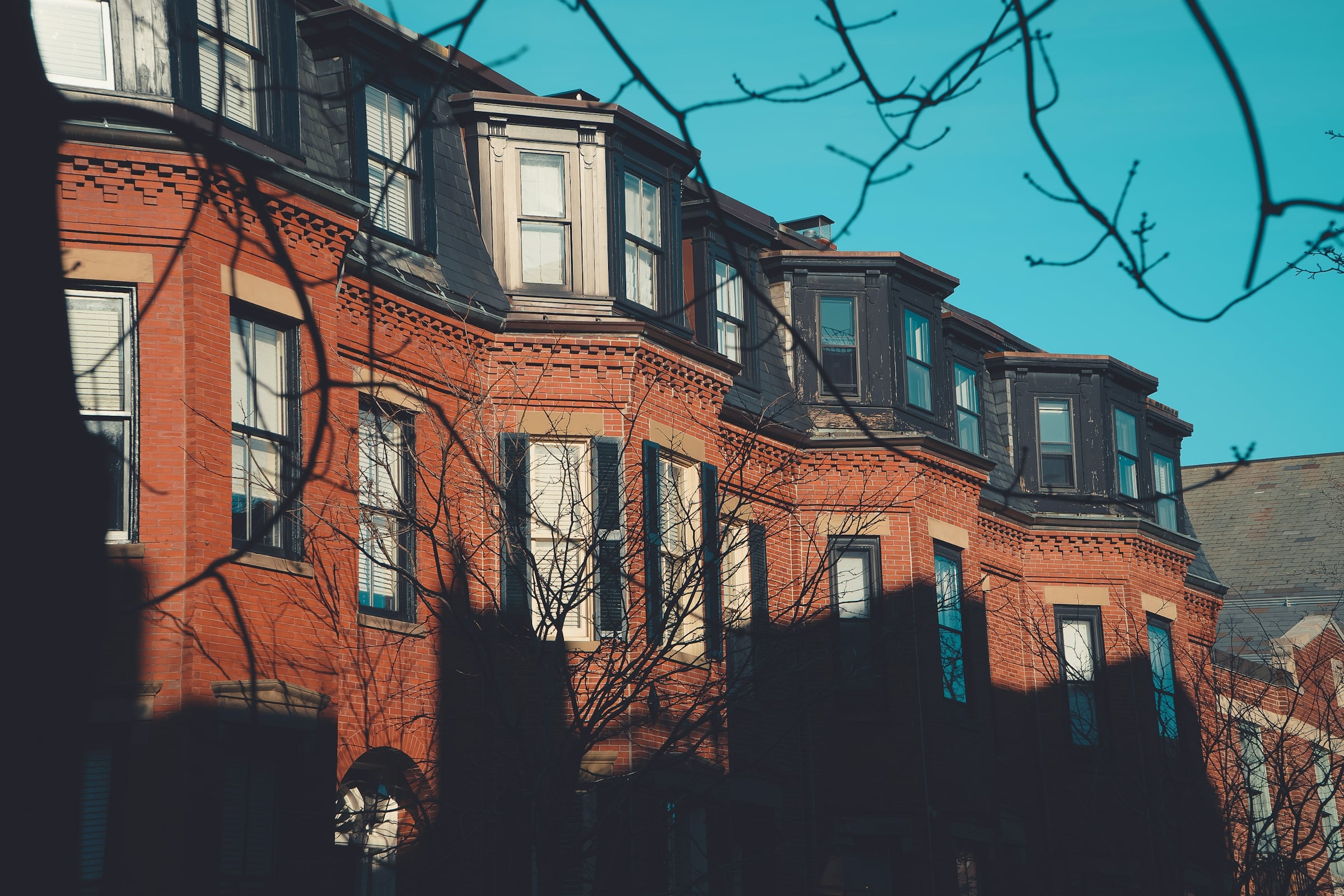
New Yorkers who loved Brooklyn’s brownstone neighborhoods like Park Slope or Fort Greene tend to gravitate toward Richmond’s Fan District and Church Hill, both known for historic rowhouses, tree-lined streets, and walkable access to independent coffee shops and restaurants, priced from $350,000-$700,000.
Those who enjoyed Manhattan’s density and nightlife but want a smaller-scale version often choose Scott’s Addition, a rapidly redeveloped former industrial district now packed with breweries, apartments, and converted warehouse condos, or Shockoe Bottom, near downtown’s historic core.
Families leaving NYC for more space and better school ratings typically settle in Henrico County’s West End (Short Pump area) or Chesterfield County’s Midlothian and Woolridge communities, where new construction homes with 3-5 bedrooms run $400,000-$600,000, a fraction of comparable suburban New York or Westchester pricing.
How Do Taxes in Richmond Compare to New York?
New York State’s income tax reaches 10.9% for top earners, and NYC adds its own city income tax on top, reaching an additional 3.876%, meaning high earners in Manhattan can pay a combined state and local income tax rate well above 14%. Virginia’s state income tax tops out at 5.75%, and Richmond does not levy a separate local income tax, a substantial savings for relocating households.
Property taxes also favor Richmond significantly. NYC property tax rates are complex due to assessment caps and abatements, but effective rates plus the sheer size of NYC home values often result in large annual tax bills. Richmond’s real estate tax rate is $1.20 per $100 of assessed value (lower still in Henrico or Chesterfield counties), applied to home values that are a fraction of NYC’s.
Virginia’s sales tax in the Richmond area is 6%, notably lower than NYC’s combined state and local sales tax of 8.875%, adding up on everyday purchases over time.
What Is the Culture Shock Moving From NYC to Richmond?
The biggest adjustment for New Yorkers is pace and scale. Richmond does not have 24-hour subway service, all-night bodegas on every corner, or the sheer density of options NYC offers. Restaurants close earlier, driving is required for most errands, and the “everything is 5 minutes away” convenience of a dense NYC neighborhood doesn’t fully translate, even in Richmond’s most walkable areas.
That said, Richmond has developed a genuinely strong food, beer, and arts scene that punches above its size, with James Beard-recognized restaurants, a concentrated brewery district in Scott’s Addition, and a First Fridays gallery walk in the Arts District. It’s a smaller version of NYC’s cultural density, not a complete absence of it.
Outdoor access is a major upgrade many New Yorkers don’t expect. The James River runs directly through downtown Richmond, offering urban whitewater rafting, kayaking, and miles of trails at Belle Isle, all within a five-minute drive or bike ride of downtown, something NYC simply cannot offer at that scale.
What Should New Yorkers Do Before Buying in Richmond?
Get pre-approved with a lender before house hunting, and budget for a car if you don’t already own one, since Richmond’s transit system does not replace a vehicle the way NYC’s subway does. Many New Yorkers underestimate this added monthly cost when running their relocation budget.
Visit Richmond in person, ideally for several days, and drive (not just walk) through your target neighborhoods to understand real commute times and daily convenience, since Richmond’s walkability varies dramatically by neighborhood in a way NYC’s grid system does not.
Work with a buyer’s agent experienced with NYC-to-Richmond relocations. The Mission Realty Team helps New York buyers translate NYC neighborhood preferences into Richmond equivalents, arranges virtual tours, and manages timelines around long-distance closings.
| Category | New York City | Richmond, VA |
|---|---|---|
| Median home price | $780,000+ (much higher in Manhattan) | $365,000 |
| Average 1BR apartment rent | $3,500 – $4,200+ | $1,300 – $1,600 |
| Average one-way commute | 40+ minutes | 24 minutes |
| Combined top income tax rate | ~14.8% (NY state + NYC) | 5.75% (VA, no local add-on) |
| Cost of living index (US avg. = 100) | 170 – 190+ | 108 |
| Sales tax | 8.875% | 6% |
Frequently Asked Questions About Relocating to Richmond VA From New York City
Is Richmond VA cheaper than New York City?
Yes, dramatically. Richmond’s cost of living is roughly 40-45% lower than NYC overall, and housing costs specifically can be 50-70% lower depending on the borough and neighborhood being compared.
How far is Richmond from New York City?
Richmond is about 335 miles south of NYC, roughly a six-hour drive, a seven-to-eight-hour Amtrak trip from Penn Station, or a two-hour direct flight from LaGuardia, JFK, or Newark.
Do I need a car if I move to Richmond from NYC?
Yes, unlike NYC, Richmond does not have a subway system, and while it has a city bus network, most residents rely on personal vehicles for daily commuting and errands.
What is the average commute time in Richmond compared to NYC?
Richmond’s average one-way commute is about 24 minutes, notably shorter than NYC’s average commute of 40+ minutes, which often involves subway or bus transfers.
Which Richmond neighborhoods are similar to Brooklyn?
Church Hill and the Fan District offer historic rowhouses and walkability similar to brownstone Brooklyn neighborhoods like Park Slope or Fort Greene, while Scott’s Addition mirrors Williamsburg’s converted-warehouse feel at a smaller scale.
How much house can I afford in Richmond after selling a NYC apartment or co-op?
Given the large equity gap between NYC and Richmond home prices, many sellers can buy a comparable or larger Richmond home with little to no mortgage, or significantly upgrade their space for a similar monthly payment.
Will I pay less in taxes moving from NYC to Richmond?
Yes, Virginia’s top income tax rate is 5.75% with no additional local income tax, compared to a combined New York State and NYC rate that can exceed 14% for high earners, plus generally lower property and sales tax rates in Richmond.
Is there good food and nightlife in Richmond like in NYC?
Richmond has a well-regarded, growing restaurant and brewery scene, including James Beard-recognized restaurants and a concentrated brewery district in Scott’s Addition, though the scale and 24-hour availability of NYC is not replicated.
What is the weather like in Richmond compared to New York?
Richmond has hotter, more humid summers than New York and milder winters with less snow, giving it a noticeably different but comfortable four-season climate overall.
Can I fly direct from NYC to Richmond?
Yes, direct flights from LaGuardia, JFK, and Newark to Richmond International Airport are available and typically take about two hours.
What is the job market like in Richmond compared to NYC?
Richmond’s job market is smaller and centers on finance, healthcare, and state government, led by employers like Capital One and VCU Health, offering lower salaries on average than NYC but a cost of living low enough to often result in more disposable income.
Is Richmond a walkable city like parts of NYC?
Some neighborhoods, particularly the Fan District, Church Hill, and downtown, are quite walkable, but Richmond as a whole is far more car-dependent than any borough of New York City.
How much does it cost to rent an apartment in Richmond compared to NYC?
A one-bedroom apartment in Richmond averages $1,300-$1,600 per month, compared to $3,500-$4,200+ in New York City, a savings of more than 50% in most comparisons.
Should I buy or rent first when moving from NYC to Richmond?
Many NYC transplants choose to buy relatively quickly given how much further their money goes, but renting for 6-12 months first can help you learn Richmond’s neighborhoods if you’re unfamiliar with the area before committing to a purchase.
Ready to See What Your NYC Budget Can Buy in Richmond?
The Mission Realty Team helps New York buyers navigate the Richmond market with virtual tours, neighborhood matching, and relocation-focused guidance from search to closing. Contact the Mission Realty Team today to start your Richmond home search.