Fan District Richmond VA Neighborhood Guide 2026: Everything Buyers Need to Know
Your complete guide to living in one of Richmond’s most beloved historic neighborhoods – homes, lifestyle, prices, and what makes the Fan special.
The Fan District is Richmond VA’s crown jewel neighborhood – a stunning collection of Victorian and Edwardian rowhouses fanning out from the Museum District toward the Boulevard. If you are searching for Fan District homes for sale, researching Richmond VA historic neighborhoods, comparing Fan District vs Museum District, or looking for walkable neighborhoods near VCU Richmond, this complete 2026 guide covers home prices, lifestyle, restaurants, schools, commute, and everything else that makes the Fan one of the most desirable places to live in all of Virginia. Mission Realty’s Fan District specialists are ready to help you find your perfect home.
Table of Contents
There is no neighborhood in Richmond VA quite like the Fan District. Bounded roughly by Boulevard to the west, the Downtown Expressway to the south, Belvidere Street to the east, and Monument Avenue to the north, the Fan is a 350-acre National Historic District that contains some of the finest examples of late Victorian and Edwardian residential architecture on the East Coast. The neighborhood takes its name from its unique fan-shaped street grid, which fans outward from Monroe Park at its eastern tip – a design pattern that is immediately recognizable from above and gives the area its distinctive character at street level.
The Fan District has long been one of Richmond VA’s most sought-after neighborhoods, attracting VCU professors, attorneys, physicians, artists, architects, and anyone who appreciates the combination of architectural beauty, urban walkability, and proximity to Richmond’s best restaurants and cultural institutions. In 2026, that appeal remains as strong as ever, with the neighborhood continuing to attract buyers from across the Richmond metro area and from out-of-state relocators who fall in love with its tree-lined streets and lively community character.
What makes the Fan special is hard to reduce to data points alone. Yes, the median home price is among the highest in the city. Yes, the Walk Score is exceptional. But what really defines the Fan is the way neighbors know each other, the way dog walkers and joggers fill the brick sidewalks on weekend mornings, the way the Carytown shopping district flows naturally into the neighborhood’s western edge, and the way the architecture tells the story of Richmond’s late-19th-century prosperity. For buyers who value all of that, the Fan is not just a neighborhood – it is a way of life.
This 2026 guide to the Fan District covers everything prospective buyers and renters need to know about one of Richmond VA’s most iconic addresses. From the style of homes and current price ranges to the best restaurants, the school situation, and the realities of parking and commuting, we give you the complete picture.
Fan District Richmond VA Overview: What Makes This Neighborhood Unique in 2026
The Fan District sits in the heart of Richmond VA, roughly 1-2 miles west of downtown and adjacent to several other beloved neighborhoods. Monument Avenue – the Fan’s northern boundary – is one of the most architecturally significant streets in the American South, a broad, divided boulevard lined with 19th and early 20th-century mansions and punctuated by historic monument sites. The recently reconfigured Monument Avenue (following the removal of several Confederate statues) has sparked new conversations about the avenue’s future, with several new art installations and community-centered plans under development.
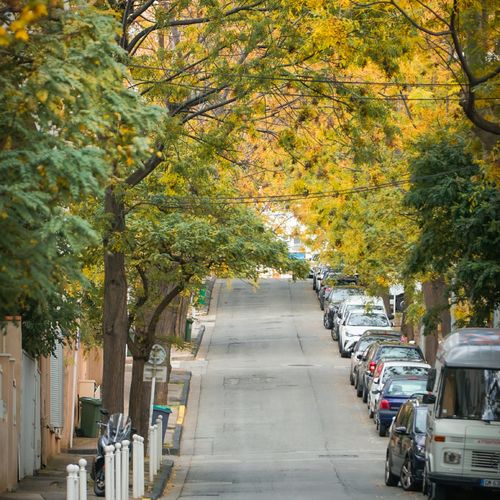
The Fan’s ZIP code is primarily 23220, with some areas falling into 23221 along the western edge near the Boulevard. The neighborhood is defined by its rowhouses – attached homes sharing party walls in the style of older East Coast cities like Baltimore and Philadelphia, but distinctly Richmond in their architectural details, proportions, and the warm brick used in their construction. Walking down Park Avenue, Floyd Avenue, or Grove Avenue in the Fan is an experience unlike anything else in Greater Richmond – block after block of beautifully maintained Victorian architecture, mature tree canopy, and the kind of streetscape that makes people fall in love with urban living.
The Fan’s central location makes it one of the most accessible neighborhoods in Richmond. Residents can walk to VCU’s Monroe Park campus, the Virginia Museum of Fine Arts (VMFA), the Carver Community Center, and the entire Carytown shopping and dining corridor. Byrd Park, with its beautiful lakes and extensive trail system, is a short walk or bike ride to the west. The Boulevard corridor and Diamond District development – Richmond’s ambitious plans for a mixed-use entertainment and residential hub – is immediately adjacent to the Fan’s western boundary, promising to bring additional amenities and activity to the neighborhood in the coming years.
Fan District Home Styles and Architecture: What Buyers Will Find in 2026
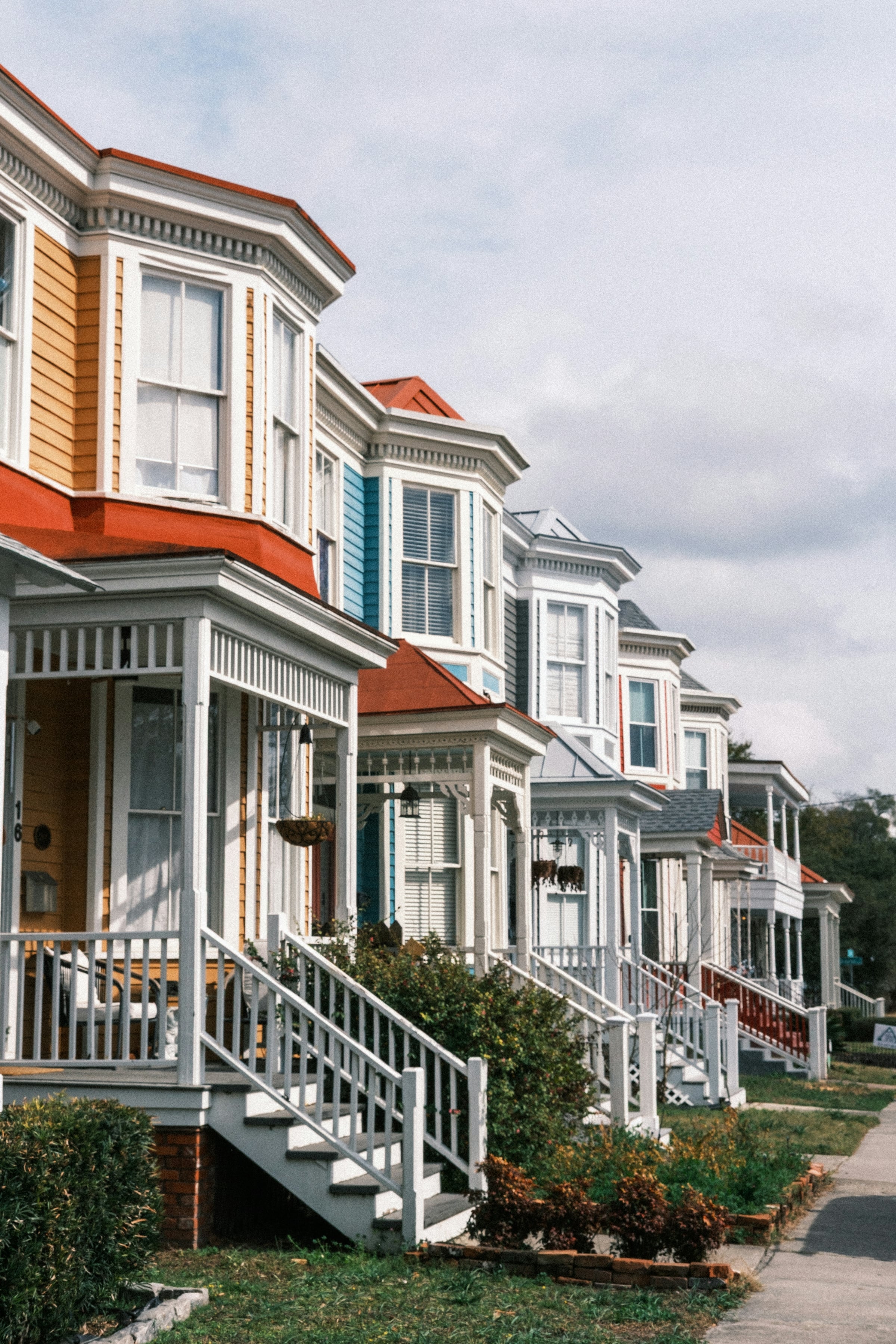
The vast majority of Fan District homes are rowhouses – attached single-family structures typically 3-4 stories tall, built between approximately 1880 and 1930. These homes feature the signature architectural elements of the Victorian and Edwardian eras: decorative brickwork, pressed tin ceilings, heart pine or oak hardwood floors, detailed woodwork on staircases and mantels, pocket doors, and tall windows that flood interiors with natural light. Many homes retain their original fireplaces – often 3-5 per house – which serve as architectural focal points even when not in active use.
Floor plans in Fan rowhouses are typically narrow and deep, reflecting the lot sizes of the era. A standard Fan rowhouse might be 16-22 feet wide but 50-60 feet deep, with rooms arranged railroad-style from front to back. Living room, formal dining room, kitchen, and a rear addition or deck occupy the main floor, with bedrooms arranged over multiple upper floors. Basements in Fan homes are common and are often finished into rental units, home offices, or additional living space – a feature that adds significant value and rental income potential for owners.
Beyond the dominant rowhouse typology, the Fan also contains a smaller number of freestanding single-family homes on larger lots (typically on the neighborhood’s main avenues), apartment buildings from the early 20th century that have often been converted to condominiums, and carriage houses behind larger properties that have been converted into separate dwellings. For buyers who want to live in the Fan but prefer a newer build or lower maintenance, a small number of contemporary infill projects and renovated buildings offer condominium units, though these are far less common than in other Richmond neighborhoods.
Fan District Richmond VA Home Prices in 2026: What to Expect at Every Budget Level
Fan District home prices in 2026 reflect the neighborhood’s desirability and the relative scarcity of available properties in this tightly-built historic district. The median sale price for Fan District homes hovers around $550,000-$650,000, placing it among the highest-priced segments of the City of Richmond market. However, the range is wide: a smaller rowhouse in need of renovation on a less-trafficked street might list at $380,000-$450,000, while a fully renovated, larger home on a prime block of Monument Avenue, Park Avenue, or Grove Avenue can command $800,000 to well over $1 million.
Price per square foot in the Fan District typically runs $275-$375 for renovated properties, compared to $200-$250 for homes needing significant work. The premium for renovation quality is higher in the Fan than almost anywhere else in Richmond, because buyers here are specifically seeking move-in-ready historic charm – they don’t want to manage a gut renovation on a Victorian rowhouse. Well-staged, professionally renovated Fan homes with updated kitchens and bathrooms, restored historic details, and modern systems (new HVAC, updated electrical, newer roof) are the fastest-selling properties in the neighborhood.
For buyers with budgets under $400,000, the Fan District is challenging but not impossible. The best strategy is patience and willingness to take on some work, combined with expert guidance from an agent who has deep inventory knowledge. Properties on blocks that don’t quite capture the prime street premiums, homes with less common configurations, or properties that have been on the market longer due to pricing or disclosure issues can sometimes offer Fan District addresses at more accessible price points. Working with Mission Realty’s Fan District specialists gives buyers the best chance of uncovering these opportunities before they are widely known.
Fan District Restaurants, Shopping, and Lifestyle: Why People Love Living Here
The Fan District’s lifestyle appeal is inseparable from its proximity to Carytown, Richmond’s beloved independent shopping and dining district that runs along Cary Street from the Boulevard to Thompson Street. Carytown is home to dozens of independently owned restaurants, boutiques, coffee shops, and entertainment venues, including the historic Byrd Theatre – a 1928 movie palace that still shows films on weekends. The corridor is walkable from anywhere in the Fan, and on a sunny Saturday it buzzes with the energy that makes Richmond so consistently rank on “best cities” lists.
Within the Fan itself, the dining and entertainment scene is concentrated along Park Avenue, Robinson Street, and the Ellwood Avenue corridor near the Museum District boundary. Beloved local institutions include Buz and Ned’s Real Barbecue, Saison, The Fancy Biscuit, and dozens of coffee shops, wine bars, and neighborhood restaurants. The neighborhood also benefits from proximity to Broad Street’s arts corridor – the emerging creative hub connecting Scott’s Addition to the east – and the Virginia Museum of Fine Arts and Science Museum of Virginia, both of which are within walking distance.
For outdoor recreation, the Fan’s residents have access to Byrd Park’s lakes and trails (including the 1-mile Lake Trail popular with joggers), the Virginia Capital Trail for cyclists, and the James River Park System which is accessible via a short bike ride south. The neighborhood’s urban core also has excellent access to Monroe Park (currently undergoing continued improvements), and the fan-shaped street grid makes it a neighborhood designed for walking – nearly every daily errand and leisure activity is accessible on foot or by bicycle. Bikeability in the Fan is exceptional, with dedicated bike lanes on several streets and easy access to the regional trail network.
Getting Around the Fan District: Commute, Parking, and Transportation in 2026
One of the Fan District’s most practical realities for prospective buyers is parking – or more precisely, the challenge of it. The neighborhood’s dense, historic street grid was designed before the automobile, and on-street parking is the primary option for most residents. Many Fan rowhouses lack off-street parking, and those that do typically accommodate only one vehicle in a rear alley space or converted carriage house. Competition for on-street spots in the evening is real, particularly on busier residential blocks. For buyers with multiple vehicles or who rely heavily on car travel, this is a significant lifestyle adjustment to consider.
That said, parking challenges are offset by the Fan’s exceptional connectivity to the rest of Richmond. Commutes to downtown Richmond via the Downtown Expressway or Broad Street take 10-15 minutes by car, and many residents choose to bike or walk to nearby employers at VCU, VCU Health, the state government complex, and downtown law firms and financial institutions. GRTC Transit System bus service covers the neighborhood extensively, and the Pulse BRT (Bus Rapid Transit) line along Broad Street connects the Fan to downtown and Henrico County with frequent, reliable service.
For buyers who work remotely or commute occasionally, the Fan’s central location provides excellent access to I-64, I-95, and I-195 for regional travel. Richmond International Airport (RIC) is approximately 20-25 minutes by car under normal traffic conditions. The neighborhood’s position in the heart of Richmond means that virtually any destination in the metro area is accessible within 30-40 minutes. For those commuting to Northern Virginia or Washington D.C. occasionally, the Amtrak station on Staples Mill Road is about 15 minutes from the Fan, with multiple daily trains to the D.C. area.
Fan District Schools and Family Life in Richmond VA: What Parents Need to Know in 2026
The Fan District falls within the Richmond City Public Schools (RCPS) system, and school quality is a frequent consideration for families evaluating the neighborhood. Elementary school options for Fan District children include Fox Elementary School, which is one of the more highly regarded elementary schools in the RCPS system and serves much of the Fan and Museum District. School assignments can vary by specific address, so buyers with school-age children should verify their specific assignment by contacting RCPS directly or through their Mission Realty agent.
For middle and high school, many Fan families send their children to private schools – Richmond has a robust private school ecosystem including Collegiate School, St. Catherine’s School, St. Christopher’s School, and several other academically strong options that draw students from across the city and metro area. Richmond’s magnet school programs within RCPS – including programs at Binford Middle School and Thomas Jefferson High School for specialties like arts and science – are also options worth researching. Families who value specific academic programs should investigate all available options thoroughly before making a purchase decision based partly on school access.
Family life in the Fan is vibrant and community-oriented despite the neighborhood’s reputation as a more “adult” urban enclave. Weekend farmers markets, neighborhood association events, holiday decoration contests, and block parties are a regular part of Fan life. Monroe Park and Byrd Park offer excellent outdoor play space. The Virginia Children’s Museum, VMFA family programs, and the Science Museum of Virginia are all accessible without a car. Families who embrace urban living find the Fan to be an exceptional place to raise children with broad cultural exposure and community connection – quite different from but no less valuable than a suburban childhood.
| Fan District At-a-Glance | Details |
|---|---|
| Primary ZIP Code | 23220 (also 23221 western edge) |
| Median Home Price (2026) | $595,000 |
| Price Range | $380,000 – $1,200,000+ |
| Average Days on Market | 14 days |
| Walk Score | 90+ (Walker’s Paradise) |
| Bike Score | 85 (Very Bikeable) |
| Elementary School | Fox Elementary (RCPS) |
| Primary Home Type | Historic Victorian/Edwardian rowhouses |
| Neighborhood Association | Fan District Association |
| Distance to Downtown | 1.5-2.5 miles |
Frequently Asked Questions: Fan District Richmond VA 2026
Is the Fan District Richmond VA a good place to live?
The Fan District is consistently ranked among the best urban neighborhoods in Virginia and frequently appears on national lists of best places to live. Its combination of architectural beauty, walkability, vibrant restaurant and arts scene, and strong community identity make it exceptionally desirable. The trade-offs – higher home prices, parking challenges, older housing stock requiring maintenance – are real but well worth it for buyers who prioritize urban lifestyle and historic character. Survey after survey of Fan residents shows extremely high satisfaction with the neighborhood.
How much do homes cost in the Fan District Richmond VA in 2026?
Fan District homes in 2026 range from approximately $380,000 for smaller or unrenovated rowhouses to $1,200,000+ for premier properties on Monument Avenue or larger blocks. The median sale price is approximately $595,000. Price per square foot for renovated homes runs $275-$375. Buyers with budgets around $500,000-$700,000 will find the most options, while those under $450,000 face limited inventory and may need to be flexible on condition or location.
Is the Fan District safe?
The Fan District is one of the safer neighborhoods in the City of Richmond, with active neighborhood watch programs, a strong neighbor-knows-neighbor culture, and relatively low rates of property crime compared to other city neighborhoods. Like any urban neighborhood, occasional property crimes (car break-ins, package theft) occur. The neighborhood is well-lit and pedestrian-active at most hours, which contributes to safety. As with any neighborhood, buyers should review current crime data from Richmond Police Department and visit at various times of day before purchasing.
What is the difference between the Fan District and the Museum District in Richmond VA?
The Fan District and Museum District are adjacent and sometimes used interchangeably, but they are distinct. The Fan District is east of the Museum District, with the primary boundary being around the Boulevard/Meadow Street area. The Museum District (roughly 23221) is slightly west of the Fan and sits adjacent to the Virginia Museum of Fine Arts and the Science Museum of Virginia. Museum District homes tend to be slightly more detached single-family and slightly less dense than the Fan, and prices are comparable. Both neighborhoods are served by the same restaurants and amenities along Cary Street and the Grove/Kensington Avenue corridor.
Are Fan District homes hard to maintain?
Fan District homes – most of which are 90-140 years old – require more maintenance awareness than newer construction. Original wood windows, slate or aging asphalt roofs, knob-and-tube or early electrical wiring, galvanized steel or cast iron plumbing, and aging HVAC systems are all common issues. Buyers should budget for higher ongoing maintenance costs than equivalent square footage in newer suburban construction – many Fan homeowners budget 1.5-2% of home value annually for maintenance. The upside is that these homes have proven their durability over a century, and many systems are extremely high quality by historical standards.
Can I rent out part of my Fan District home?
Yes, many Fan District rowhouses have basement or upper-floor units that are rented separately. Basement apartments are particularly common and can generate $800-$1,400 per month in rental income depending on size, condition, and amenities. Owner-occupants who rent a portion of their home benefit from reduced housing costs and often find that rental income makes the Fan’s higher price points more financially accessible. Buyers should verify current Richmond City zoning and short-term rental regulations before purchasing with rental income in mind.
How is parking in the Fan District Richmond VA?
Parking is one of the Fan District’s most discussed practical challenges. Most rowhouses do not have off-street parking, and on-street spaces are competed for by residents, visitors, and students. Many residents manage successfully with one car (or no car, given the walkability), while those with multiple vehicles often lease nearby parking. Richmond City has residential parking permit zones in parts of the Fan that restrict non-residents during certain hours – check current permit zone status for any specific address before purchasing. If parking is a priority, look specifically for Fan homes with rear alley access and off-street parking.
What are the best streets to live on in the Fan District?
Many buyers aspire to addresses on Monument Avenue (for the grand architecture and historic prestige), Park Avenue (for the tree canopy and quieter residential feel), or Grove Avenue (for walkability and character). Floyd Avenue and Hanover Avenue are also beloved for their residential quality and community character. Robinson Street and Patterson Avenue offer convenient access to Carytown. For buyers prioritizing quieter, less trafficked blocks with strong neighborhood feel, the interior residential streets running north-south between the main east-west avenues offer excellent options at slightly more accessible price points.
How close is the Fan District to VCU?
The Fan District is immediately adjacent to Virginia Commonwealth University’s Monroe Park campus, making it one of the primary residential neighborhoods for VCU faculty, staff, and graduate students. The Fan’s eastern edge essentially borders the VCU campus. This proximity creates a lively, intellectually engaged community character but also means the neighborhood has student neighbors and occasional student-related activity. Most homeowners consider the VCU adjacency a positive – it drives restaurant and retail diversity, keeps the streetscape active, and contributes to the neighborhood’s creative, independent spirit.
Is the Fan District a good investment in 2026?
The Fan District has demonstrated consistent appreciation over decades and continues to be a strong real estate investment in 2026. The neighborhood’s historic designation, limited new supply, desirable location, and strong community identity create sustained demand. Appreciation has averaged 4-6% annually over the past decade. Investors who rent Fan District properties find strong tenant demand from VCU-affiliated renters and young professionals. Long-term, the Diamond District development adjacent to the Fan’s western boundary is expected to add significant value to the neighborhood over the next 5-10 years.
What is the Fan District Association and how does it affect homeowners?
The Fan District Association (FDA) is an active neighborhood civic organization that advocates for the neighborhood’s interests, coordinates community events, and serves as a liaison with the City of Richmond on planning and development matters. Membership is voluntary and inexpensive. The FDA has been instrumental in maintaining the neighborhood’s historic character, advocating for infrastructure improvements, and organizing community events. Homeowners are not required to join, but most find membership worthwhile for staying informed and engaged with neighborhood issues. The association publishes a regular newsletter and maintains an active email list.
Ready to Find Your Fan District Home in Richmond VA?
The Fan District is one of Richmond VA’s most competitive and rewarding neighborhoods for buyers in 2026. Mission Realty’s agents have deep expertise in Fan District real estate, including intimate knowledge of which blocks command premium prices, which homes have hidden potential, and how to navigate the historic rowhouse purchase process. Whether you are buying your first home in the Fan or upgrading within the neighborhood, contact Mission Realty today. Visit missionrealty.com to start your search.