Home Staging Tips for Richmond VA Sellers in 2026: What Actually Gets Homes Sold Faster
Proven staging strategies from Richmond’s top listing agents – practical, affordable advice to help your Richmond home sell quickly and for more money.
Staging your Richmond VA home effectively in 2026 can be the difference between a quick sale at full price and weeks of disappointing showings. This complete Richmond home staging guide covers the staging techniques that work best in Richmond’s diverse housing stock – from Fan District Victorian rowhouses to Short Pump suburban colonials to Church Hill historic homes. Topics include what to declutter and depersonalize before listing in Richmond VA, the best neutral paint colors for Richmond home staging, how to stage outdoor spaces in Richmond’s summer market, professional staging vs DIY staging for Richmond sellers, what Richmond buyers look for in 2026, and how staging interacts with professional photography for maximum online impact. Mission Realty’s listing agents share their proven Richmond-specific staging strategies.
Table of Contents
- Decluttering and Depersonalizing: The Foundation of Effective Richmond Home Staging
- Curb Appeal Staging for Richmond VA Homes in Summer 2026
- Interior Staging Room by Room: What Richmond Buyers Focus On
- Paint and Color Strategy for Richmond VA Home Staging in 2026
- Staging for Real Estate Photography: How to Win Richmond Buyers Online
- Professional Staging vs DIY: What Makes Sense for Richmond Sellers
- Frequently Asked Questions
In the Richmond VA real estate market of 2026, staging is no longer optional for sellers who want to achieve top dollar and a fast sale. The era of listing a home “as is” and counting on a seller’s market to overcome preparation deficiencies has passed – today’s Richmond buyers are more informed, more discerning, and have more options than buyers did during the peak competition of 2021-2022. They arrive at showings having already seen professional listing photos online, having compared your home to dozens of others, and with clear expectations about what $400,000 or $500,000 in Richmond should deliver.
The data from Richmond VA transaction records bears this out clearly. Staged homes sell approximately 15-25% faster than comparable unstaged homes and consistently achieve 1-5% higher sale prices – on a $400,000 Richmond home, that 5% difference is $20,000. The investment in staging – ranging from nothing for DIY decluttering and cleaning to $2,000-$6,000 for professional occupied staging to $3,000-$8,000 per month for full vacant staging – almost always delivers returns that dwarf the cost.
This guide provides Richmond-specific staging advice that accounts for the city’s distinctive housing types. Staging a Victorian Fan District rowhouse is different from staging a Chesterfield County colonial, which is different from staging a Scott’s Addition loft condo. The principles overlap, but the application is specific to each property type. Mission Realty’s listing agents have staged hundreds of Richmond homes across every neighborhood and price point – the strategies in this guide represent what actually works in the Richmond VA market in 2026.
Decluttering and Depersonalizing Your Richmond VA Home Before Listing: The Single Most Important Staging Step
Before any other staging work begins, aggressive decluttering and depersonalization is the foundation that makes everything else more effective – and it costs nothing except time and some rental storage. Richmond buyers – like buyers everywhere – need to envision themselves living in your home, and that is extraordinarily difficult when they are surrounded by evidence of your life. Family photos, collections, personalized decor, excess furniture, overfilled bookshelves, and the accumulated possessions of years all work against buyers’ ability to project their own lives onto the space. The more neutral and spacious you can make your Richmond home feel, the more effectively buyers will fall in love with it.
The decluttering standard for a staged Richmond home is significantly higher than most sellers’ initial instinct. The goal is not “neat and organized” – it is “model home.” That means removing approximately 30-50% of your furniture (yes, really – open, airy spaces photograph much better and feel larger to buyers), removing all personal photos and most personal items, clearing kitchen and bathroom countertops to near-empty (a coffee maker and possibly one decorative item, nothing else), emptying and organizing closets to show only about 60-70% capacity (buyers will open every closet), and removing political signage, religious items, and anything that could trigger a negative emotional reaction in buyers.
For Richmond sellers with larger homes or significant accumulated possessions, renting a storage unit for the listing period is the most efficient solution. A 10×10 storage unit rented for 2-3 months costs approximately $200-$400 in the Richmond area – a trivial expense against the staging benefits. For truly difficult decluttering situations where a home has been accumulated over decades, professional organizers are available in Richmond at $50-$100 per hour and can dramatically accelerate the process. Many sellers report that the decluttering process itself is one of the most valuable outcomes of listing their home – the forced inventory of possessions and the clearing of space creates a psychological readiness for the move that makes the entire selling experience smoother.
Curb Appeal Staging for Richmond VA Homes in Summer 2026: First Impressions That Drive Showings
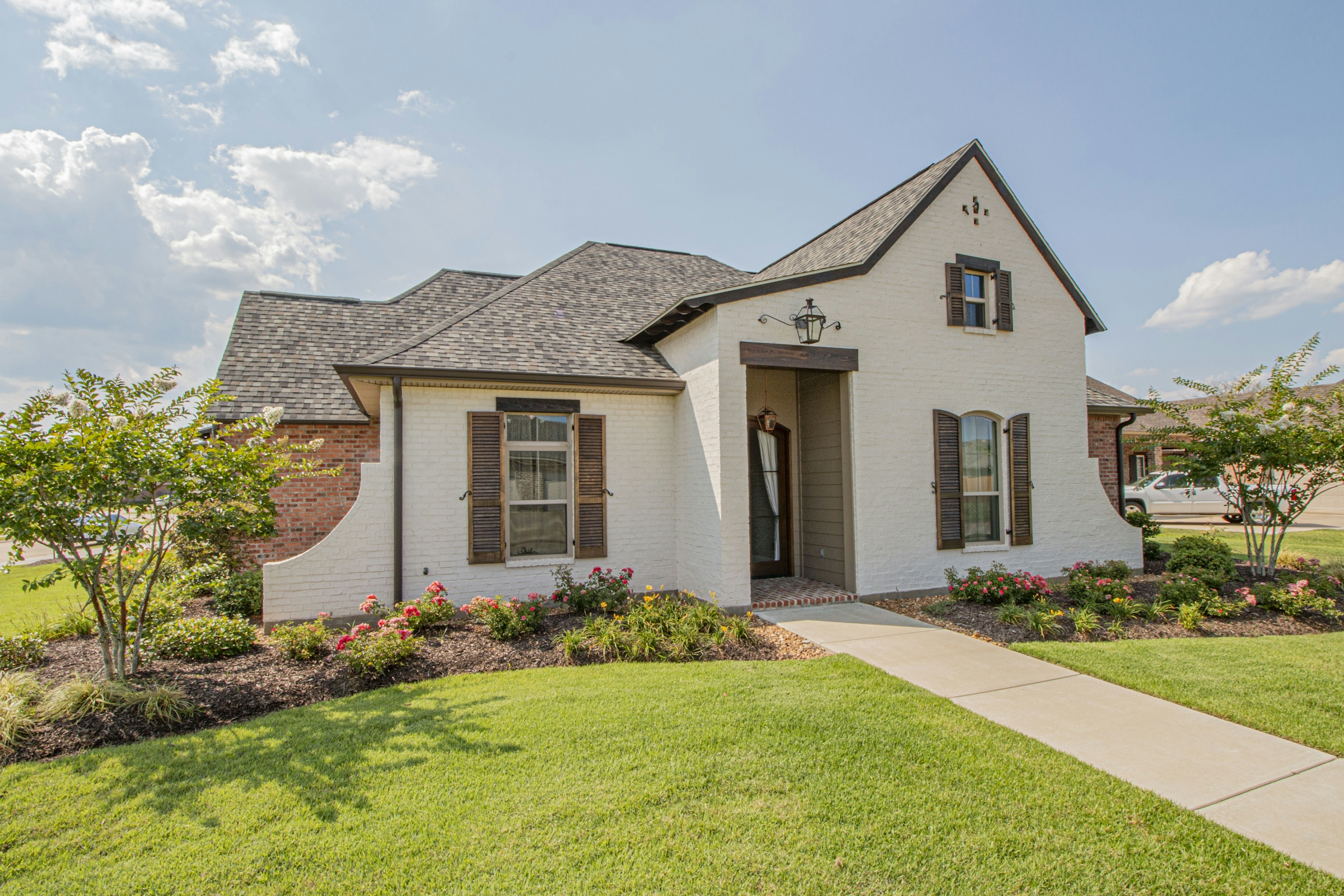
Richmond’s summer real estate market creates outstanding curb appeal opportunities for sellers who capitalize on it. July listings benefit from green lawns, blooming gardens, and the lush tree canopy that makes Richmond’s residential streets so beautiful in summer. Buyers arriving at a showing with first impressions set by a well-maintained, attractively landscaped exterior are psychologically primed to like the interior – while buyers who arrive to an unmaintained exterior arrive already disappointed and looking for reasons to justify that first negative impression. The exterior staging investment is among the highest-ROI work any Richmond seller can do.
Specific curb appeal actions for Richmond sellers in summer 2026: mow and edge the lawn within 24-48 hours of listing photo day (and maintain consistently throughout the listing period); apply fresh mulch to all planting beds (a $200-$400 expense that dramatically freshens appearance); power wash the exterior, walkways, and driveway (rental power washers are available for $50-$75/day or hiring a service runs $200-$400); paint or repaint the front door in a color that complements the home’s exterior (navy, black, classic red, and sage green are all performing well on Richmond homes in 2026); replace dated or damaged house numbers and door hardware; clean gutters and windows; and add simple container plantings flanking the entry door if the existing landscaping is sparse.
For Richmond’s diverse housing stock, exterior staging priorities vary by home type. Fan District rowhouses particularly benefit from attention to the front stoop, ironwork, window boxes if present, and the brick facade’s cleanliness. A freshly painted front door on a Victorian rowhouse photographs beautifully and creates the strong online first impression that drives showings from buyers browsing Zillow. Suburban Chesterfield and Henrico homes benefit from lawn care, mulching, and the classic “real estate staging” combination of a clean driveway, attractive entry, and well-maintained landscaping. Historic Church Hill homes benefit from sensitivity to their period character – window boxes with period-appropriate plantings, restored iron fencing, and period-correct exterior details can add significant value to the photographic impression.
Interior Home Staging Room by Room: What Richmond VA Buyers Focus On in 2026
The kitchen is the single most scrutinized room in a Richmond VA home sale, and staging it effectively is critical to achieving top price. Richmond buyers in 2026 expect clean, uncluttered kitchen countertops – a coffee maker and a small bowl of fresh fruit or a simple plant are staging classics for a reason. Remove small appliances, paper clutter, dish racks, and anything that creates visual noise on the counter. Clean appliances until they shine; if stainless appliances are fingerprinted or dull, a quality stainless cleaner makes them photograph dramatically better. If cabinet hardware is dated and the rest of the kitchen is in good condition, replacing pulls and knobs ($2-$8 each at hardware stores) is one of the cheapest high-impact staging investments available.
Living rooms in Richmond homes should be staged to feel spacious and inviting rather than maximum-furniture comfortable. Remove any furniture that makes the room feel cramped, position remaining furniture to define a clear conversation area with logical traffic flow, add fresh throw pillows in neutral tones if existing pillows are worn or patterned, and ensure the room is well-lit (natural light is ideal – open all curtains and blinds before every showing). For Fan District and Church Hill homes with original fireplaces, staging the mantel with simple, non-personal decorative items (a pair of candlesticks, a simple mirror, a small potted plant) draws attention to this architectural feature that Richmond buyers love. Primary bedrooms should feel like a retreat – clear nightstands of everything except one item per side, use neutral bedding (white or light gray is the current staging standard), and ensure closets show significant free space.
Bathrooms require extra staging attention in Richmond homes, particularly older homes where bathrooms may be original or dated. Clean grout lines until they are white, replace any shower curtain with a clean neutral one, remove all personal items from shower shelves and countertops, ensure there are no drips or water stains, replace dated faucet hardware if budget allows (often $50-$150 in parts), and add fresh white towels folded hotel-style. Even a 1960s bathroom with original tile and fixtures can present respectably when it is impeccably clean and staged with fresh white textiles – buyers understand that older homes have dated bathrooms, but they cannot overlook cleanliness. A bathroom that appears meticulously maintained despite its age creates trust in the rest of the home.
Paint Color Strategy for Richmond VA Home Staging in 2026: The Colors That Sell Homes Faster
Paint is one of the most effective and affordable staging tools available to Richmond sellers – a few hundred dollars in paint and labor can dramatically change a room’s appeal to buyers. The current staging color guidance for 2026 leans toward warm neutrals with enough personality to feel appealing rather than clinical. Specifically, warm whites (Benjamin Moore White Dove, Sherwin-Williams Alabaster), greige tones (Benjamin Moore Pale Oak, Sherwin-Williams Accessible Beige), and light warm grays are performing well in Richmond’s 2026 market. True white (stark, cold white) tends to feel institutional rather than inviting in most Richmond residential contexts.
For Richmond’s Victorian and historic homes – the Fan District rowhouses, Church Hill Federals, and Museum District homes – staging paint choices should respect the home’s architectural period while creating broad market appeal. Too-trendy colors (very dark accent walls, statement colors) appeal to a narrow segment of buyers and can polarize reactions in a way that neutral staging avoids. The goal is to allow the home’s architectural character (original millwork, mantels, wide-plank floors) to be the “personality” while the wall color provides a warm, welcoming backdrop. Painting over genuinely historical wallpaper in Victorian homes is sometimes necessary for staging – a good wallpaper removal and fresh paint job can dramatically update a room’s appeal while preserving all the original architectural elements.
Accent colors and staging accessories provide the personality that neutrally painted rooms need. Current staging palettes in Richmond’s most successful 2026 listings lean toward: warm wood tones in furniture and accessories that complement Richmond’s original hardwood floors; green plants (real, not artificial) that add life and warmth; linen and cotton textiles in ivory, warm gray, and natural tones; and ceramic or pottery accents that complement Richmond’s historic character without being too precious. The staging aesthetic that is performing best in Richmond’s 2026 market bridges the gap between historic character and contemporary lifestyle – it says “this beautiful old house has been lovingly maintained and is ready for modern life” rather than “this is a museum” or “this has been aggressively modernized away from its character.”
Staging Your Richmond VA Home for Real Estate Photography in 2026: Winning Buyers Before They Ever Visit
Real estate photography is the single highest-leverage marketing investment a Richmond seller can make, and the staging specifically done for photography day must go beyond everyday presentation. Over 95% of Richmond homebuyers begin their search online, and your listing photos are the first – and sometimes only – audition you get to give those buyers. Homes with professional, beautifully staged photography receive significantly more online views, more showing requests, and ultimately better offers than comparable homes with poor photography. The goal of photography-day staging is to make every photo deliver the best possible impression of each space.
Photography-day staging checklist for Richmond homes: all lights on throughout the house (including under-cabinet lights, closet lights, bathroom vanity lights, and exterior lights for any twilight shots); all window treatments open to maximize natural light; all surfaces cleared of everything except intentional staging accessories; all garbage cans removed from view; toilet seats down in all bathrooms; all pet beds, food bowls, and toys removed; fresh flowers or plants arranged in living and dining areas; fresh fruit bowl in the kitchen; beds perfectly made with all pillows arranged; all car moved from driveway and front of house; and the exterior fully cleaned and landscaping freshened as described above. This checklist is not exaggeration – every item represents something that appears in listing photos and affects buyer perception.
For Richmond homes with distinctive architectural features – original fireplaces, wide-plank floors, ornate Victorian millwork, built-in bookshelves, original hardware – the photographer should be specifically directed to capture these details. Close-up detail shots of an ornate mantel, a gorgeous hardwood floor pattern, or original stained glass transoms tell the story of a Richmond home’s character in a way that wide-angle room shots cannot. These architectural detail images are particularly powerful for Fan District, Church Hill, and Museum District sellers whose homes compete on character rather than square footage. Ensure your listing agent provides a professional photographer experienced with Richmond’s historic housing stock – the difference in the quality of historic home photography is significant and worth specifying.
Professional Staging vs DIY Staging for Richmond VA Sellers: Which Approach Is Right for Your Home?
The decision between professional staging and DIY staging for your Richmond home depends on several factors: whether the home will be vacant or occupied during the listing, your budget, the home’s price point, and the specific character of the property and its target buyer. For vacant Richmond homes, professional staging (where a staging company brings rental furniture and accessories to furnish the entire space) is almost always worth the cost. Vacant homes photograph worse than furnished homes, feel smaller to buyers, and make it much harder for buyers to emotionally connect with the space. Professional staging for a vacant Richmond home typically runs $1,500-$4,000 for the first month plus $500-$1,500 per additional month – a cost that is typically recovered several times over in sale price improvement and reduced days on market.
For occupied Richmond homes, full professional staging is less common and often less necessary – your existing furniture provides scale and warmth that vacant homes lack. The most cost-effective approach for occupied homes is a staging consultation with a professional stager ($150-$350 for a 1-2 hour walk-through), who provides specific room-by-room guidance on what to move, remove, and add from your existing possessions. This consultation approach captures 60-70% of the benefit of full professional staging at a fraction of the cost. The stager’s fresh, objective eye is particularly valuable because sellers are often “furniture blind” – unable to see the clutter, dated arrangements, and missed opportunities in their own homes that are immediately obvious to a buyer-perspective-trained professional.
For Richmond homes in the $500,000+ price range – particularly Fan District, Museum District, and premium suburban properties – full professional staging (even for occupied homes) is increasingly the standard that sophisticated sellers and listing agents employ. At this price point, the competition includes other beautifully prepared homes and buyers who are accustomed to making decisions on premium properties. A $4,000 staging investment on a $600,000 listing that produces even 2% better sale price ($12,000) is an exceptional return. Mission Realty’s listing agents can provide honest guidance on whether professional staging makes financial sense for your specific Richmond property based on current market conditions and comparable sold data for your neighborhood.
| Richmond VA Home Staging Investment | Typical Cost | Estimated Return | Priority |
|---|---|---|---|
| Decluttering and deep cleaning | $0-$500 (professional cleaning) | Very High | Essential |
| Exterior landscaping refresh | $300-$800 | Very High (5-10% price impact) | Essential |
| Fresh paint (key rooms) | $800-$2,500 | High | Highly Recommended |
| Professional photography | $200-$400 | Very High (more showings) | Essential |
| Professional staging consultation | $150-$350 | High | Recommended |
| Full vacant home staging | $1,500-$4,000/month | High (5-10% price, faster sale) | Recommended (vacant) |
| 3D/Matterport virtual tour | $200-$400 | High (out-of-area buyers) | Recommended ($400K+) |
| Drone exterior photography | $150-$300 | Moderate-High (location properties) | Situational |
Frequently Asked Questions: Home Staging for Richmond VA Sellers 2026
Does home staging really help sell homes faster in Richmond VA?
Yes, the data is clear. Staged Richmond VA homes sell approximately 15-25% faster than comparable unstaged homes and consistently achieve 1-5% higher sale prices. The primary mechanism is online presentation: staged homes produce better listing photos that generate more showing requests, which leads to more competitive offer situations. Even DIY staging through decluttering and cleaning dramatically improves listing photo quality and buyer impression compared to a home listed in everyday lived-in condition. In Richmond’s current market, where buyers have more options than in peak 2021-2022, staging is one of the most reliable ways to differentiate your listing and achieve a faster, more profitable sale.
How much does professional staging cost in Richmond VA?
Professional staging costs in Richmond VA range from approximately $150-$350 for a staging consultation (advice on working with existing furniture and accessories) to $1,500-$4,000+ for the first month of full vacant home staging with rental furniture and accessories, plus $500-$1,500 per additional month. Occupied home staging (where the stager works with a combination of existing furniture and rented accessories) typically runs $800-$2,000 for initial setup plus rental fees for any brought-in items. The cost varies by home size, location, and which staging company you work with. Mission Realty can recommend Richmond VA staging professionals at various price points based on your home’s specific needs.
What colors should I paint my Richmond VA home before selling in 2026?
The most effective paint colors for Richmond VA home staging in 2026 are warm neutrals: Sherwin-Williams Alabaster (SW 7008), Sherwin-Williams Accessible Beige (SW 7036), Benjamin Moore White Dove (OC-17), Benjamin Moore Pale Oak (OC-20), and Sherwin-Williams Agreeable Gray (SW 7029) are all performing well in Richmond listings currently. Avoid overly cool grays (which photograph bluish and feel cold), bold accent walls, and any highly saturated colors that appeal to a narrow buyer taste. The goal is maximum broad appeal – letting the home’s architectural character be the personality while the paint color provides a warm, welcoming backdrop that works for the widest possible buyer audience.
Should I stage my Richmond VA home if it already looks nice?
Yes, even attractive Richmond homes benefit from listing-specific staging because “nice for living” and “optimal for selling” are different standards. A beautiful, well-maintained home that is staged for living – with family photos, personal collections, comfortable furniture arrangement, and lived-in kitchen counters – still benefits from the decluttering, depersonalization, and buyer-perspective optimization that listing staging provides. Buyers need to see themselves in your home, not you. The most impactful staging for an already-nice Richmond home is typically: ruthless decluttering, removing personal photos, optimizing furniture arrangement for photographing well, and ensuring exteriors are perfectly maintained. Even 3-4 hours of focused staging work on an already nice home can meaningfully improve listing photo impact.
How do I stage a small Richmond VA rowhouse for sale?
Small Richmond rowhouses (common in the Fan District, Church Hill, and other historic neighborhoods) present unique staging challenges and opportunities. The primary goal is maximizing the sense of space and flow in a naturally narrow, vertically-oriented floor plan. Key strategies: remove any furniture that interrupts traffic flow through the narrow first floor; use appropriately scaled furniture (large sectional sofas are a disaster in a Fan rowhouse – replace with two smaller sofas or chairs and a smaller sofa); draw attention to ceiling height with vertical decor elements and proper furniture scale; keep window treatments simple to maximize light; and use mirrors strategically to create depth. Outdoor spaces (a small rear deck, a brick patio, or even the front stoop) should be staged as outdoor rooms – additional living space that compensates for the home’s compact interior footprint.
What rooms matter most for staging a Richmond VA home?
In Richmond’s 2026 market, the rooms that have the most impact on sale price and speed are: 1) The kitchen – Richmond buyers scrutinize the kitchen first and most intensely; staging it to appear clean, spacious, and move-in ready is paramount; 2) The primary bedroom – buyers’ emotional projection of their own life in the home often crystallizes in the primary bedroom; staging it as a retreat with hotel-quality presentation matters; 3) The living room – the first space buyers encounter after the entryway, it sets the initial impression and establishes the home’s overall character; 4) The entryway/foyer – the critical first interior impression that primes buyer perception for the entire showing; 5) Exterior/curb appeal – the pre-showing impression that sets tone before buyers ever step inside.
Should I use real plants or fake plants for staging my Richmond VA home?
Real plants are strongly preferred over artificial plants for Richmond home staging in 2026. Real plants – whether a simple pothos, a peace lily, or fresh-cut flowers – add life, color, and genuine warmth that artificial plants cannot replicate, and they photograph beautifully in natural light. A grocery store bunch of fresh flowers ($12-$20) in a simple vase on a kitchen counter or dining table adds an organic element that makes staged spaces feel genuinely inhabited rather than model-home sterile. If you cannot maintain real plants during your listing period, simple neutral greenery (eucalyptus branch in a vase, dried grass arrangement) is a better choice than artificial plants that buyers can clearly identify as fake.
How should I stage a vacant Richmond VA home I am selling?
Vacant Richmond homes require professional staging or at minimum strategic partial furnishing to achieve their best sale outcome. The most critical spaces to stage in a vacant home are the living room (largest and most complex to visualize empty), primary bedroom, and kitchen/dining area. If the budget does not allow full staging, prioritize these three areas with rented or borrowed key pieces. For budget-constrained vacant home sellers, “staging props” – large mirrors positioned to reflect light and suggest space, simple rugs to define areas, a few key furniture pieces in prime locations – can approximate some benefits of full staging at lower cost. At minimum, ensure all lights are functioning and windows are clean to maximize the natural light that makes vacant spaces most appealing.
Does staging help sell older Richmond VA homes?
Staging is perhaps even more important for older Richmond VA homes than for newer construction. Buyers considering a 100-year-old Fan District rowhouse or a 1920s Northside bungalow often have some anxiety about older home condition and maintenance – good staging directly addresses that concern by demonstrating that the home is well-maintained, livable, and move-in ready. Staging that highlights original architectural features (original hardwood floors, mantels, millwork, original hardware) while showing modern functionality (updated kitchen even if modest, clean bathrooms, fresh paint, well-functioning systems) creates the narrative Richmond buyers of older homes need: this is a beautiful, historic property that can be enjoyed immediately without emergency renovation.
What should I remove from my Richmond home before listing photos?
For listing photography, remove: all personal photographs and family pictures; collections and memorabilia (sports memorabilia, figurines, political or religious items); all countertop clutter in kitchen and bathrooms (virtually everything except a coffee maker and one decorative item in the kitchen); all garbage cans (remove entirely); any pet items (beds, food bowls, toys, crates); bathroom personal items from counters and in shower (everything); excess throw pillows and blankets that look messy; children’s toys and play equipment from primary spaces; home office equipment and paperwork from any room being photographed; and all vehicles from the driveway and immediate street frontage (ask a neighbor to temporarily accommodate if needed on photography day).
How do I find a good home staging professional in Richmond VA?
Finding a quality Richmond VA home stager involves looking at their portfolio of work specifically in Richmond homes – the aesthetic that works in Short Pump new construction is different from what works in a Fan District rowhouse. Ask your listing agent for referrals – Mission Realty’s agents work regularly with Richmond’s best staging professionals and can match you with a stager who has specific experience with your home’s type, neighborhood, and price point. Review before-and-after photos from the stager’s Richmond portfolio, check Google and Houzz reviews, and ask for references from recent Richmond seller clients. The staging consultation ($150-$350) is a reasonable investment in any stager evaluation – the advice itself has value beyond just deciding whether to hire them for full staging services.
Ready to Stage and Sell Your Richmond VA Home? Mission Realty Delivers Results.
Effective staging starts with expert guidance from listing agents who know what Richmond buyers respond to – and Mission Realty’s sellers consistently achieve faster sales and better prices because our agents are invested in every home’s presentation quality from day one. We coordinate professional photography, provide detailed pre-listing preparation guidance, and can connect you with Richmond’s best staging professionals. Contact Mission Realty today for a free seller consultation. Visit missionrealty.com to get started.