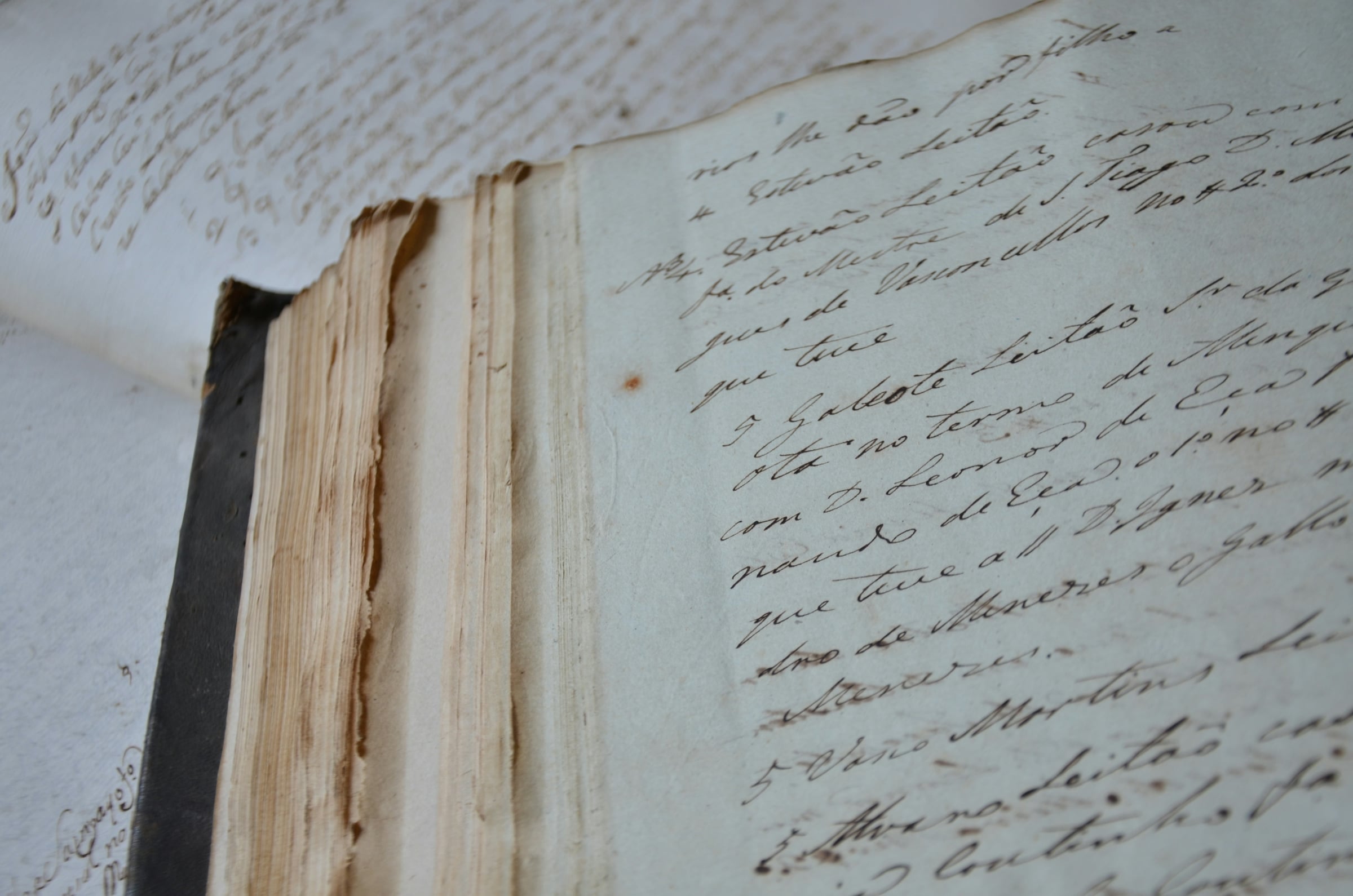
Almost everything that will surprise you about a Richmond-area property is already written down and already public. The deed, the plat, the recorded easements and the sequence of past transfers all sit in the circuit court clerk’s records for the locality the land is in. You do not need permission to read them, and you do not need to wait for a title company to tell you what is there.
This post is the anchor of a short series on reading that record. The others cover easements and what they stop you doing, mechanic’s liens and the 90-day filing window, and what an owner’s title policy actually covers.
Start with the rule about where things are filed
Virginia Code section 55.1-600 is short and it answers the first practical question: a writing affecting land is recorded in the clerk’s office of the circuit court of the county or city where the land is located. The whole of Chapter 6 on recordation sets out what gets recorded and what recording accomplishes.
For our market that means six separate offices. A property in the City of Richmond is recorded with the city’s circuit court clerk, one in Chesterfield County with Chesterfield’s, one in Henrico County with Henrico’s, and so on for Hanover, Goochland and Powhatan. A house with a Richmond mailing address is very often not in the city, and looking in the wrong office is the most common way this exercise stalls at step one.
The four documents, and what each one is for
| Document | What it tells you | What it will not tell you |
|---|---|---|
| Deed | Who owns it, how they took title, the legal description, and any conditions written into the conveyance | Whether anyone else has a claim recorded later |
| Plat | Lot lines and dimensions, easements, building setbacks, the surveyor’s certification | Where the fence or driveway actually sits today |
| Deed of trust | Recorded loans against the property and whether they have been released | The current payoff balance |
| Assessment record | The locality’s valuation, tax class and its own measurements | Anything legally binding about ownership or boundaries |
That last row deserves emphasis. Assessment data is the easiest to find and the least authoritative. The City of Richmond Assessor of Real Estate publishes valuations because the city needs to levy tax, not because it is adjudicating your lot line. Treat assessment acreage and square footage as a starting hint, never as a fact you would price from.
Doing this on a house you are about to offer on? Our Richmond closing-timeline checklist sets out which record checks belong in the first 48 hours and which can wait for the title company. Ask us to send it over, or tell us the address and we will pull the plat with you.
Walking the chain backwards
The chain of title is built by citation. Every recorded deed refers to the instrument that came before it, by deed book and page, or by instrument number in the newer systems. So the method is mechanical:
- Find the current deed. Search the grantee index by the current owner’s name, in the right locality. That gives you the book and page where they took title, and the date.
- Read the legal description. It will either describe the land by metes and bounds or refer to a lot and block on a recorded plat. If it refers to a plat, note that reference: that is your next document.
- Note the reference to the prior deed. It is usually one clause, phrased as the same property conveyed to the grantor by deed dated such a date and recorded at such a book and page.
- Repeat. Search that book and page, read that deed, take its prior reference. Each pass moves you back one owner.
- Search the grantor index forward from the current owner’s purchase date. This is the step people skip, and it is where liens, easements granted after purchase and unreleased loans turn up.
Step five is the one that matters most and it is worth saying why. Steps one to four tell you how the current owner got the property. Only a forward search tells you what they have done to it since. An easement granted to a utility three years ago, or a memorandum of lien recorded last month, appears nowhere in the chain running backwards.
Reading the plat without over-reading it
A recorded plat is a survey that has been accepted into the public record, usually at subdivision. It shows the lot as it was intended to be. Three things on it repay careful attention:
- Easement strips. Often drawn as dashed lines with a width, running along a rear or side boundary. That strip is where you cannot build, and it is frequently wider than owners assume.
- Building setback lines. The minimum distance from each boundary that structures must observe. These constrain an addition, a garage or a pool long before zoning gets involved.
- The certification and date. An old plat is still binding as to the boundary, but it will not show anything built since, and it will not reflect later boundary line adjustments.
What a plat cannot do is tell you where the fence is. The gap between the plat line and the physical line is the single most common boundary dispute we see, and it is resolved by a current survey rather than by an older drawing. If a shed, driveway or fence sits anywhere near a boundary you care about, that is the moment to pay for a survey rather than to squint at a plat.
When to stop and hand it to a professional
Doing this yourself is genuinely useful for deciding whether to offer, and for asking the right questions early. It is not a substitute for a title examination. Hand it over when you find any of the following: a break or inconsistency in the chain, a deed out of an estate without clear authority, an unreleased deed of trust, a boundary description that does not close, or an easement whose location you cannot pin down on the ground.
The federal consumer guidance on buying a home covers where title work sits in the closing sequence. What it cannot do is tell you which of the six Richmond-area localities to search, or that the tax record and the deed disagree about your acreage.
Everything currently for sale across the metro is on our property search, and if you want the record pulled on a specific address before you write an offer, that is a normal part of how we work with buyers.
Questions Richmond-area readers actually ask
Where are deeds recorded in Virginia?
In the clerk’s office of the circuit court for the county or city where the land lies. Virginia Code section 55.1-600 sets that rule, and it is why a Richmond-area deed search follows the property’s locality rather than the owner’s address.
Can I look up a deed myself, or do I need a lawyer?
You can look it up yourself. Deeds, plats and recorded easements are public records. What a lawyer or title company adds is the judgement about what the documents mean together, which is a different skill from finding them.
What is a chain of title?
The sequence of recorded transfers running backwards from the current owner. Each deed names who conveyed to whom and refers to the previous instrument, so the chain can be walked back one link at a time until the links are unbroken and consistent.
What is the difference between a deed and a plat?
A deed transfers ownership and describes the land in words. A plat is the drawing: lot lines, dimensions, easements, setbacks and the surveyor’s certification. The deed usually refers to the plat by its recording reference, which is how you find it.
What is a deed book and page reference?
The filing address of a recorded document, written as a book number and a page number, sometimes now an instrument number. Every deed cites the prior one this way, and that citation is what lets you move backwards through the chain.
Does a title search go back to the beginning?
Rarely. A full search in Virginia typically covers 60 years, which is long enough to catch the defects that realistically matter. Going further is possible and occasionally warranted on land that has been subdivided or passed through estates.
Will the recorded plat show my actual fence line?
No. A plat shows where the boundary is supposed to be. Only a current physical survey shows where things have actually been built. When a fence, driveway or shed sits near a line, the difference between those two documents is the whole question.
Is the assessment record the same as the legal record?
No, and confusing the two causes real problems. Assessment records exist to value property for tax purposes. Acreage, square footage and even lot dimensions in an assessment record are frequently approximate, and they do not govern ownership.
This article is general information, not legal advice. Contracts, disclosure duties and title questions turn on the specific facts and the specific wording in front of you. For advice you can rely on, speak with a Virginia real estate attorney.
We read the plat and the recorded easements on our clients’ purchases as standard, because the cheapest time to find a problem is before the offer. See how that works, or read what past clients say about it.