Take one thing from this article: do the final walk-through 24 to 48 hours before settlement, not on the way to the closing table. Everything else here is easier with a business day left to act on what you find.
The final walk-through is the last time a buyer stands in a house before it stops being someone else’s. It is short, often rushed, and in a market where Glen Allen and Midlothian homes went under contract in under three weeks this summer, buyers treat it as a formality. It is your only structured chance to confirm the house is in the condition your contract requires.
Why 24 to 48 hours matters more than anything else on your checklist
Most Virginia purchase contracts give the buyer a right to walk the property shortly before settlement. Buyers frequently compress that to the morning of closing, out of convenience. It costs them every practical remedy.
Discover at 9:00 a.m. that the HVAC condenser has been disconnected, with signing at 11:00 a.m., and the wire instructions are prepared, the clear to close is issued, your movers are billing hourly, and the seller may be halfway to another state. Find the same thing at 3:00 p.m. the day before and you can get a contractor out, reach the listing agent while the seller is local, and give your lender time to rule on a holdback. Only your leverage changed.
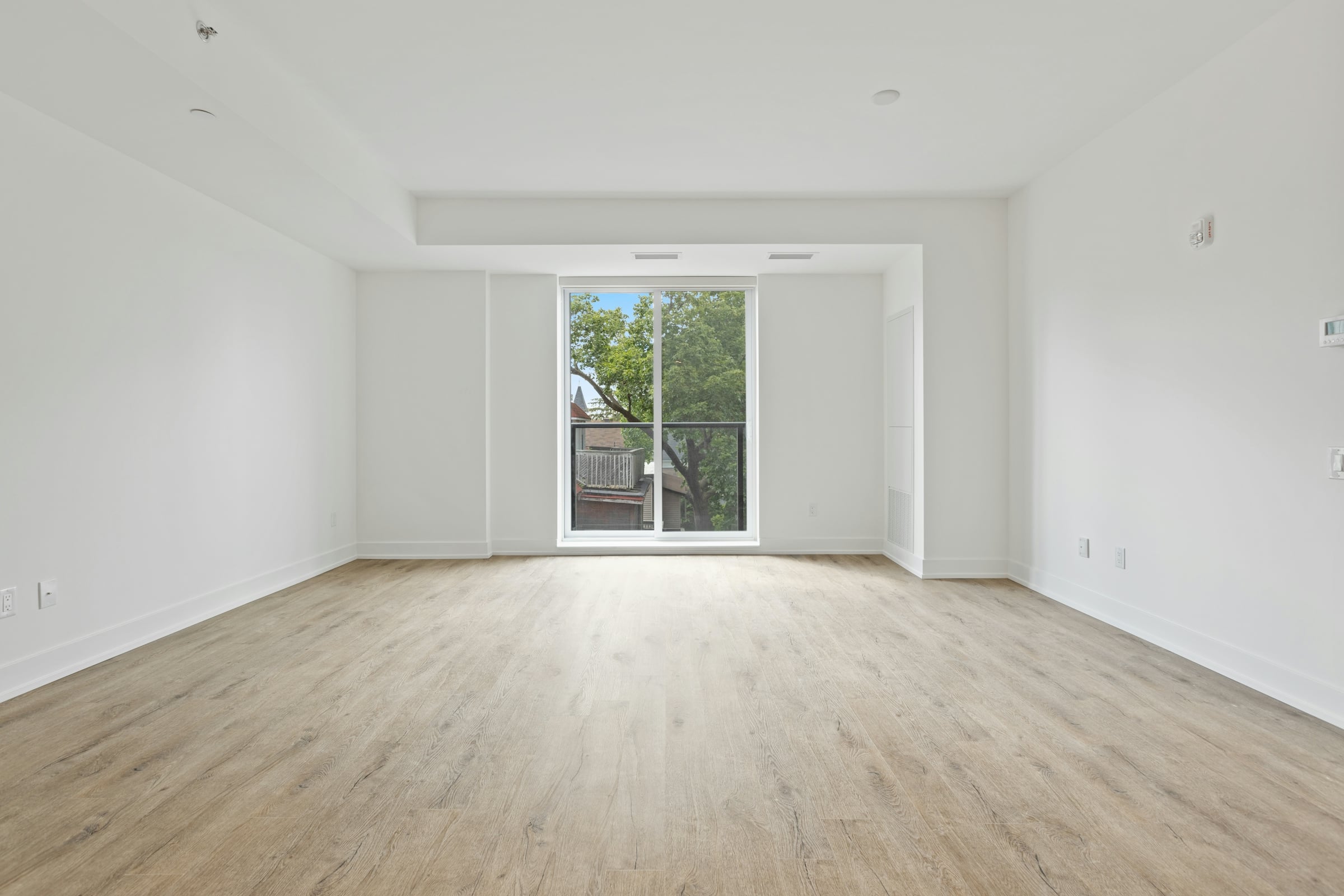
Do not swing too far the other way. A walk-through five days out, with furniture still in place, hides the floors, the walls, and the damage a move-out causes. The sweet spot is an empty house with one business day left.
What the walk-through actually is, and three things it is not
It is a contractual right to verify condition. Your contract obligates the seller to deliver the property in substantially the same condition as of the contract date, ordinary wear and tear excepted, with agreed repairs done and conveying items present. The walk-through confirms that.
It is not a home inspection. Your inspection contingency ran its course weeks ago. You are not entitled to a fresh list of requests, and you cannot revive an objection you did not raise in time. Virginia is a buyer-beware state on residential condition: the Virginia Residential Property Disclosure Act, at Code of Virginia § 55.1-703, requires sellers to tell buyers the property is sold as-is and that the buyer must exercise due diligence. That diligence belongs to the inspection period.
It is not a price renegotiation. A buyer trying to shave $8,000 off the price the night before settlement over a scuffed baseboard is not exercising a contractual right, and listing agents recognize it instantly. Legitimate walk-through issues are narrow: unperformed repairs, missing conveyances, new damage.
It is not a second chance to change your mind. Your earnest money is at real risk if you refuse to close over something the contract does not entitle you to. If you are unsure, call a Virginia real estate attorney.
Get the Richmond closing-timeline checklist
A one-page timeline of the last 30 days before a Central Virginia settlement: inspection deadlines, appraisal, Closing Disclosure, walk-through window, and what to bring on signing day.
A system-by-system checklist for a Virginia walk-through
Bring your phone for camera and flashlight, the ratified contract with all addenda, the repair addendum, the inspection report and the seller’s disclosure. Allow a full hour; thirty minutes is not enough if you are actually testing things.
1. Agreed repairs, with receipts and permits
Work the repair addendum line by line, not from memory. For each item you want visible evidence and paper: the licensed contractor’s invoice, plus the permit and final inspection where the work required one. Electrical panel work, gas lines, water heater replacement, structural repair and most re-roofs typically do. Permits are finaled locally, so the same job in Chesterfield County and in Church Hill runs through different building departments.
2. Mechanical systems, actually switched on
- HVAC in both modes. Run the air conditioning until cold air reaches a register, then switch to heat. Yes, in September. Buyers routinely close in summer without testing the heat and find out in November that the furnace or the heat pump’s auxiliary strips are dead.
- Water heater. Run hot water at a distant fixture. Check the tank base and pan for moisture, rust or a scale line, and read the date on the label.
- Plumbing. Run every sink, tub and shower, flush every toilet twice, and put the flashlight under every sink cabinet. A slow supply-line leak shows as a stain on the cabinet floor.
- Electrical. Flip every switch, test outlets with a three-light tester, and push test and reset on GFCI outlets in kitchens, baths, garage and exterior.
- Sump pump. Lift the float and confirm it kicks on and discharges.
3. Every appliance that conveys
Start the dishwasher on a short cycle at the beginning so you can check it at the end. Turn on each burner and the oven, run the microwave, start the washer and dryer if they convey, confirm the refrigerator is cold and the ice maker connected, and test the range hood and bath fans.
4. What the move-out did
This category produces the most legitimate walk-through claims, and it is invisible until the furniture is gone. Look for gouged drywall at stair corners and doorway edges, lifted carpet at thresholds, deep scratches across hardwood, a bent garage door track, a cracked storm door, crushed landscaping, and missing window screens.
5. Fixtures and personalty: is it all still here?
Virginia contracts distinguish fixtures, attached to the property and conveying automatically unless excluded, from personal property, which conveys only if the contract says so. Conveyance provisions typically capture existing light fixtures and ceiling fans, blinds and window treatment hardware, built-in shelving, sheds, mailboxes, attached mirrors and water treatment equipment. Read your contract’s conveyance section and any addendum that changed it, then confirm each item is present. The classic problem is a chandelier swapped for a builder-grade fixture.
6. Utilities on, and the crawl space after rain
Confirm power, gas and water are still on. Sellers sometimes cancel service on move-out day, which makes it impossible to test anything and, in cold weather, creates a freeze risk still on them.
Then get into the crawl space or basement with the flashlight, and schedule the walk-through after a rain event if you can. Central Virginia’s clay soils mean a crawl space that looks fine in a dry week can hold standing water two days after a storm. Look for standing water, a torn vapor barrier, drips at plumbing joints, efflorescence on foundation walls, and a sump pump running constantly or not at all. On older housing stock this is the most consequential five minutes of the walk-through.
7. Keys, openers, remotes and codes
Make a written list and collect all of it at the table, not after:
- Keys to every exterior door, any deadbolt on a separate key, and the mailbox key
- Garage door remotes, the keypad code, and wall-unit programming instructions
- Gate code and remotes, amenity fobs, and the HOA portal login
- Alarm code, the monitoring company’s name, and the account transfer procedure
- Smart lock and thermostat credentials, plus confirmation the seller removed the home from their app
- Appliance manuals, warranty paperwork, and leftover paint
8. Well, septic and rural systems
West and south of the metro, in Powhatan County and similar areas, many properties run on a private well and septic. If your contract required a well and septic inspection or a water quality test, confirm the results are in the file and any conditioned repair is done. On site, run water long enough to confirm pressure holds, check the wellhead and pressure tank for leaks, and walk the drain field for soggy ground or unusually green grass.
Something is wrong. Here are your four real options
Buyers often expect a fifth option that does not exist: forcing the seller to fix it while everything else stays on schedule. There are four realistic paths, each with a cost.
| Option | How it works | The trade-off |
|---|---|---|
| Delay settlement | Both sides sign an addendum moving the date out, usually 3 to 10 days, so the repair can be done and re-verified. | Your rate lock may expire and an extension costs a fee. Your moving date moves. If the seller has a same-day purchase on the other side, a delay cascades into their deal and they may refuse. |
| Escrow holdback | The settlement agent holds an agreed sum after closing, commonly 1.5 times the repair estimate, released once the work is verified. | Your lender must approve it, and many will not. Holdbacks on health, safety or habitability items are routinely refused. Needs a written agreement naming the escrow agent, amount, scope, deadline, and who takes the money if the deadline passes. |
| Post-closing repair agreement | The seller agrees in writing to finish the repair by a stated date after settlement, with no money held. | The weakest option by far. Once the seller is paid and gone, your only enforcement is a lawsuit over a sum smaller than the cost of pursuing it. Minor items only. |
| Credit at settlement | The seller credits an agreed amount on the settlement statement and you handle the repair yourself. | Usually cleanest, but it changes the Closing Disclosure, so the lender must approve it, and lenders cap seller credits by loan type. A large credit can trigger re-disclosure and a 3-business-day wait. |
The lender is the gating factor on three of these four, so your loan officer should hear about the problem the same day. Our preferred lenders page lists people who answer at 5:00 p.m. the day before a closing. And none of this works without a number: “the deck is damaged” gets you nothing, while a written estimate for $3,400 gets you a conversation.
Our explainer on what escrow is and how it works in a Richmond purchase covers who holds the funds. Virginia settlement agents operate under the Consumer Real Estate Settlement Protection Act, with the scope for lay settlement agents at Code of Virginia § 55.1-1002. No settlement agent can hold money back unilaterally; every interested party, lender included, must agree in writing.
How to document a problem so it actually gets resolved
- Photograph and video it on the spot, with a timestamp and something for scale.
- Cite the contract language it violates: the repair addendum line, the conveyance clause, or the delivery-of-condition provision. A claim tied to a clause is a claim; a claim tied to disappointment is not.
- Get a written estimate the same day. One contractor number turns an argument into a negotiation.
- Put it in writing to the listing agent, through your agent, with photos and estimate attached. Verbal complaints evaporate.
- Tell your lender and settlement agent within the hour. They control what is possible.
For how the last week fits together, our step-by-step guide to a Richmond home closing lays out the sequence from clear-to-close through recording. The federal side, including the three-business-day Closing Disclosure rule that a late seller credit can restart, is covered by the Consumer Financial Protection Bureau in closing on your new home and questions about the closing process.
Still shopping? The contract you sign now sets your walk-through rights. Browse homes for sale across the Richmond area, and see how we handle the contract stage on our buy with us page.
Frequently asked questions
Can the seller refuse to let me do a final walk-through?
If your ratified contract grants the right, refusal breaches that provision, and a seller blocking access in the last 48 hours is telling you something. Escalate in writing the same day and involve a Virginia real estate attorney before you sign.
Should I bring my home inspector back for the walk-through?
Usually no, and it can signal that you are treating it as a new inspection. The worthwhile exception is a significant completed repair you cannot evaluate yourself: structural work, a foundation repair, a re-roof or a panel replacement. Paying a re-inspection fee for that one item is defensible, but scope it narrowly to the repair.
What if the seller has not moved out by closing day?
That needs a post-settlement occupancy addendum signed before you close, not a handshake. It should set a firm move-out date, a daily rate, a deposit held by the settlement agent, and who carries insurance in the interim. Without it you have created a tenancy on unwritten terms in your own house.
Who pays the utilities between the walk-through and settlement?
The seller, through the settlement date, with utilities prorated at closing alongside taxes and HOA dues. Start your own accounts on the settlement date so there is no gap, and confirm the seller scheduled a transfer rather than a disconnection. A disconnect and reconnect costs a service call and, with gas, a re-light appointment.
Is the walk-through different for new construction?
Substantially. New construction uses a builder orientation and a punch list, governed by the builder’s own contract rather than the regional resale form. Expect a walk with a superintendent, a written punch list you both sign, and separate workmanship and structural warranty terms.
What if I find a problem after I have already closed?
Your options narrow sharply, which is why the walk-through matters. You may have a claim for breach of a surviving contract provision, or for fraud if the seller actively concealed something, but Virginia’s buyer-beware framework makes ordinary undisclosed defects hard to recover on. Talk to a Virginia real estate attorney promptly, because limitations periods apply.
Can I do the walk-through remotely if I am relocating?
Yes, and out-of-state buyers do it constantly, but build in more time. Have your agent walk the house on live video, not a recording, so you can direct the camera into the crawl space, under sinks and at the panel. Schedule it at the 48-hour mark rather than 24.
Walk it early, write it down, know your four options
Schedule it a full day or two before settlement, work the repair addendum and conveyance clause line by line, run every system including the out-of-season ones, and if something is wrong, get a photograph and a written estimate before you get on the phone. Three of your four options need your lender’s cooperation, and all four get easier the earlier you find the problem.
Know what is coming in your last 30 days
Request the Richmond closing-timeline checklist and we will walk your contract dates with you, including where the walk-through should land.
This article is general information, not legal advice. Walk-through rights, holdback agreements and post-settlement occupancy terms vary by contract. For advice on your situation, consult a licensed Virginia real estate attorney. Virginia licensees are regulated by the Virginia Real Estate Board at the Department of Professional and Occupational Regulation.