Living in Museum District, Virginia: Schools, Parks, Prices & What Buyers Need to Know in 2026
A walkable Richmond neighborhood of Craftsman bungalows, VMFA culture, and one of the city’s most consistent home value climbs
Living in Museum District, Richmond VA means walkable streets of century-old Craftsman and Colonial Revival homes, the Virginia Museum of Fine Arts and Virginia Historical Society at your doorstep, and a median home price near $565,000 in mid-2026. Families are zoned for Fox Elementary, Binford Middle, and Thomas Jefferson High, while daily life revolves around Boulevard shops, Carytown one mile west, and a 10-12 minute commute to downtown Richmond. Buyers searching Museum District real estate, Richmond VA homes for sale near VMFA, or Fan District adjacent neighborhoods will find a competitive but stable market where inventory moves in under three weeks. This guide covers schools, parks, commute times, price trends, and the practical details of buying a home in this historic 23220 and 23221 zip code corridor.
Table of Contents
- What Is the Museum District and Where Are Its Boundaries?
- What Schools Serve the Museum District?
- What Parks and Green Space Are Nearby?
- What Do Homes Cost in the Museum District in 2026?
- What Is the Lifestyle Like in the Museum District?
- What Is the Commute Like From the Museum District?
- Frequently Asked Questions
The Museum District in Richmond, Virginia is a roughly 0.4-square-mile pocket of the city bounded by the Boulevard, Grove Avenue, and Meadow Street, prized for its Craftsman bungalows, Colonial Revival homes, and its location next to the Virginia Museum of Fine Arts. As of mid-2026, the median sale price sits near $565,000, with well-kept bungalows on Kensington Avenue and Stuart Avenue often receiving multiple offers within the first two weeks of listing.
Richmond’s overall residential market has stayed active through 2026, and the Museum District has outperformed the citywide median of roughly $395,000 by a wide margin because of its walkability score of 82, tree-canopy streets, and proximity to both VCU and downtown employers. Homes here range from 1,100-square-foot bungalows near Sheppard Street to 3,000-square-foot Colonial Revivals along Grove Avenue, with lot sizes typically between 4,000 and 7,000 square feet.
Buyers relocating for jobs at VCU Health, the Federal Reserve Bank of Richmond, or downtown law and finance firms frequently target this neighborhood because it splits the difference between a short commute and genuine architectural character. Mission Realty Team works with several buyers a month specifically searching for Museum District listings, and inventory here is tighter than almost anywhere else in the city outside the Fan.
What Is the Museum District and Where Are Its Boundaries?
The Museum District sits just west of the Fan District, generally bounded by the Boulevard to the east, Interstate 195 and Douglas Avenue to the west, Broad Street to the north, and Grove Avenue to the south. It falls almost entirely within zip codes 23220 and 23221, and the name comes directly from its most famous resident institution, the Virginia Museum of Fine Arts, which sits at the corner of the Boulevard and Grove Avenue.
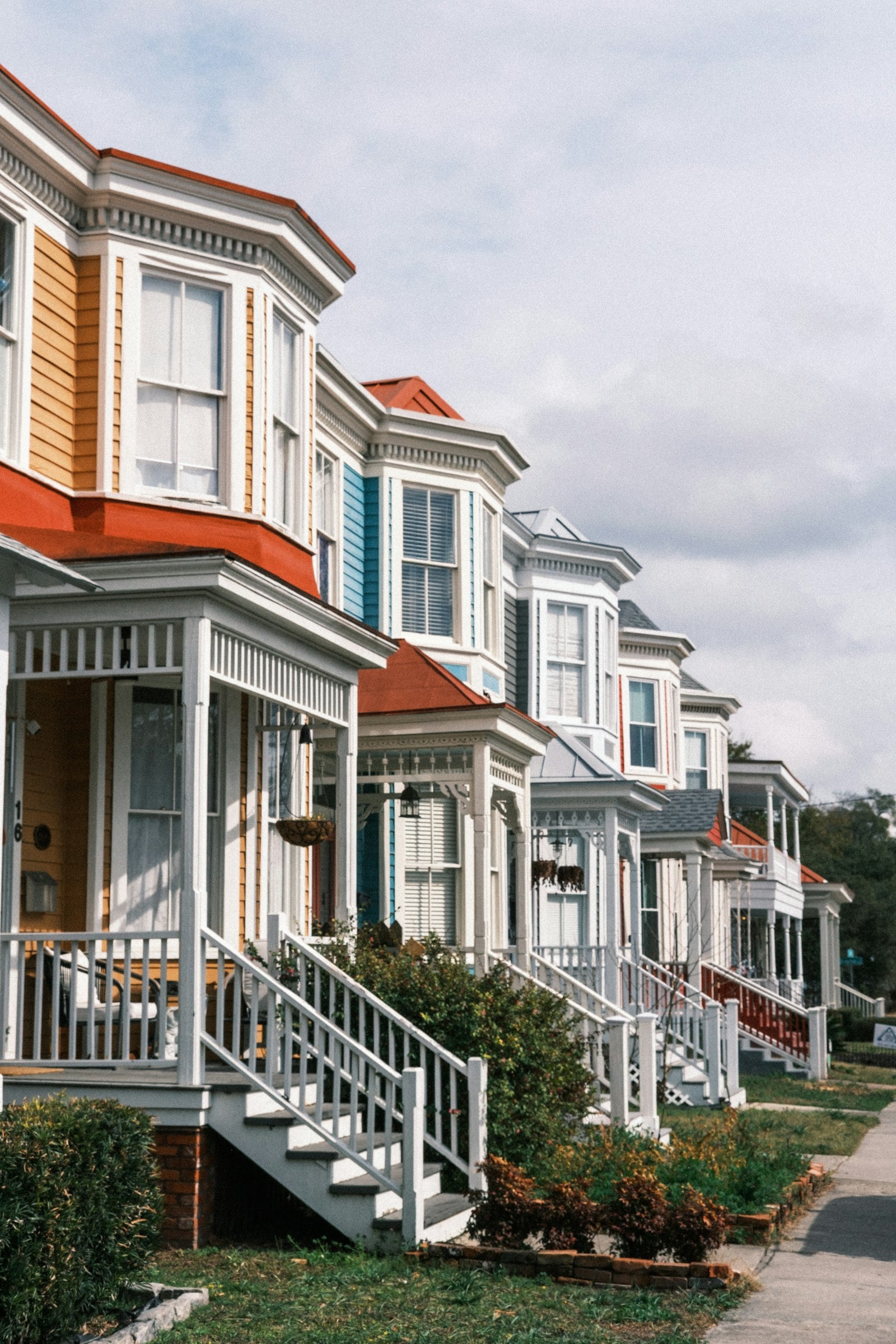
Architecturally, the neighborhood is dominated by Craftsman bungalows built between 1905 and 1925, along with a meaningful number of Colonial Revival and Tudor Revival homes closer to Meadow Street. Streets like Rowland Avenue, Nottoway Avenue, and Colonial Avenue are lined with mature oaks and maples, and most homes sit close to the sidewalk on shallow front lawns, which reinforces the pedestrian feel that draws buyers here.
The neighborhood is small enough to walk end to end in about 15 minutes, but it connects directly to Carytown’s shopping corridor, the Fan District’s restaurant scene, and the VCU Monroe Park Campus, making it feel larger than its footprint suggests.
What Schools Serve the Museum District?
Families in the Museum District are zoned for Richmond Public Schools, with most addresses assigned to Fox Elementary School on Roseneath Road, one of the most sought-after elementary schools in the city and a major reason many buyers choose this specific neighborhood over adjacent areas. Fox Elementary has an active PTA and consistently ranks among RPS’s top-performing elementary schools on state accreditation measures.
Middle school students typically feed into Albert Hill Middle School, which serves much of the near-west city and has expanded its STEM and arts programming in recent years. High schoolers are zoned for Thomas Jefferson High School on Grove Avenue, a historic 1930 building with an International Baccalaureate program that draws students from across the city, not just the immediate zone.
Beyond RPS, the Museum District’s location also puts families within a 10-minute drive of private options including St. Catherine’s School, St. Christopher’s School, and Collegiate School, which is why some buyers choose this neighborhood specifically to shorten private-school carpool lines while still living inside the city.
What Parks and Green Space Are Nearby?
The Museum District’s signature outdoor space is the grounds of the Virginia Museum of Fine Arts itself, including the Robinson Sculpture Garden, which functions as a de facto public park with free admission and is used daily by neighborhood dog walkers, joggers, and picnicking families. Immediately adjacent, the Virginia War Memorial and Carillon Park inside Byrd Park sit less than a mile south.
Byrd Park, one of Richmond’s largest municipal parks at over 287 acres, is a five to ten minute walk or bike ride from most Museum District addresses and offers three lakes, tennis courts, a disc golf course, and the historic Carillon bell tower. Maymont, the 100-acre Victorian estate with a nature center, formal gardens, and free admission, sits just beyond Byrd Park and is a frequent weekend destination for Museum District families.
Closer to home, small green spaces like the median strips along the Boulevard and pocket plantings near Meadow Street give the neighborhood a lush, shaded feel even without a large dedicated park inside its own boundaries.
What Do Homes Cost in the Museum District in 2026?
As of mid-2026, the median sale price in the Museum District is approximately $565,000, up from roughly $520,000 a year earlier, reflecting continued demand for walkable, historic city neighborhoods. Smaller two-bedroom bungalows near Sheppard Street start around $410,000, while fully renovated four-bedroom Colonial Revivals on Kensington Avenue or Grove Avenue can reach $750,000 to $900,000.
Inventory remains tight, with homes typically spending 14 to 21 days on market before going under contract, and well-priced renovated homes often receive offers within the first weekend. Price per square foot in 2026 averages around $290, noticeably higher than the citywide Richmond average of roughly $235 per square foot.
Renovation condition drives a wide price spread here. Original, unrenovated bungalows with dated kitchens and single bathrooms sell at a discount of 15-20% compared to homes that have been updated with modern kitchens while preserving original millwork, hardwood floors, and front porches, which buyers in this neighborhood specifically seek out.
What Is the Lifestyle Like in the Museum District?
Daily life in the Museum District centers on walkability. Residents can reach the shops and restaurants along the Boulevard, including Belle & James coffee, Nomad Deli & Provisions, and Village Café on Water Street, without ever getting in a car. Carytown’s shopping and dining strip, home to over 200 independent businesses along West Cary Street, sits about a mile west and is an easy 20-minute walk or 5-minute drive.
The neighborhood has a strong sense of community built around the Museum District Association, which hosts an annual home tour and organizes streetlight and greening projects. Front porches are used, not decorative, and it’s common to see neighbors gathering on stoops in the evening, particularly along Nottoway and Rowland Avenues.
Cultural access is a defining feature: beyond the VMFA, residents are minutes from the Virginia Historical Society (Virginia Museum of History & Culture), the Science Museum of Virginia in a former train station, and the Altria Theater. This concentration of museums, combined with mature architecture, is what gives the neighborhood its name and its enduring appeal to buyers who want city living without high-rise density.
What Is the Commute Like From the Museum District?
The Museum District’s biggest practical advantage is its location just 1.5 to 2 miles from downtown Richmond, translating to a 10 to 12 minute drive to the Central Business District during normal traffic and about 15 minutes during peak rush hour on the Boulevard or Broad Street. Employees at VCU Health System’s MCV Campus, roughly 2 miles away, often report commutes under 10 minutes.
GRTC bus routes run along the Boulevard and Broad Street, connecting residents directly to downtown, VCU’s Monroe Park Campus, and the Pulse Bus Rapid Transit line, which runs along Broad Street from Rocketts Landing to Willow Lawn. For those working in Scott’s Addition, the drive is typically under 8 minutes.
Interstate 195 access near Meadow Street gives residents a fast route to the West End, Short Pump, and Richmond International Airport, with the airport reachable in about 20 to 25 minutes depending on time of day. This central position, without direct highway noise inside the neighborhood itself, is a key reason the Museum District draws professionals who want a short commute without sacrificing a historic, walkable setting.
| Home Type | Typical Price Range (2026) | Avg. Days on Market |
|---|---|---|
| 2-bed Craftsman bungalow, original condition | $405,000 – $460,000 | 18 days |
| 3-bed Craftsman bungalow, renovated | $525,000 – $610,000 | 13 days |
| 4-bed Colonial Revival, Grove/Kensington Ave | $700,000 – $900,000 | 16 days |
| Condo/duplex conversion, 1-2 bed | $275,000 – $360,000 | 21 days |
| Neighborhood median (all types) | $565,000 | 17 days |
Frequently Asked Questions About Museum District in Richmond VA
Is the Museum District a good place to live in Richmond, VA?
Yes, the Museum District is consistently ranked among Richmond’s most desirable neighborhoods for its walkability, architecture, and cultural amenities. It offers a 10-12 minute commute downtown, sought-after Fox Elementary School, and direct access to the VMFA, Maymont, and Byrd Park, making it popular with young families and professionals alike.
What is the median home price in the Museum District in 2026?
The median home price in the Museum District is approximately $565,000 as of mid-2026. Prices range from around $410,000 for a smaller unrenovated bungalow to $900,000 for a fully updated four-bedroom Colonial Revival on Grove or Kensington Avenue.
What schools serve the Museum District in Richmond?
Museum District homes are zoned for Fox Elementary, Albert Hill Middle School, and Thomas Jefferson High School, all part of Richmond Public Schools. Fox Elementary is especially popular and is one of the sought-after elementary schools in the district.
How far is the Museum District from downtown Richmond?
The Museum District is about 1.5 to 2 miles from downtown Richmond, roughly a 10 to 12 minute drive in normal traffic. GRTC bus service along the Boulevard and Broad Street also connects the neighborhood directly to downtown and VCU.
Is the Museum District part of the Fan District?
No, the Museum District is a distinct neighborhood just west of the Fan District, though the two share a similar architectural feel and walkable layout. The Museum District is generally bounded by the Boulevard, Meadow Street, Broad Street, and Grove Avenue.
What kind of homes will I find in the Museum District?
Most homes are Craftsman bungalows built between 1905 and 1925, along with a number of Colonial Revival and Tudor Revival houses. Typical homes have 2-4 bedrooms, original hardwood floors, and front porches, with lot sizes between 4,000 and 7,000 square feet.
Is the Museum District walkable?
Yes, the Museum District has a walkability score around 82, among the highest in Richmond. Residents can walk to the VMFA, Boulevard shops and restaurants, and reach Carytown in about 20 minutes on foot.
How much does it cost to buy near the Virginia Museum of Fine Arts?
Homes within two blocks of the VMFA typically carry a 5-8% price premium compared to homes near Meadow Street on the neighborhood’s western edge. Buyers should expect to pay $600,000 or more for a well-located, renovated home closest to the museum grounds.
What parks are near the Museum District?
The VMFA’s Robinson Sculpture Garden functions as a free public park within the neighborhood, and Byrd Park with its three lakes sits about a five to ten minute walk away. Maymont’s 100-acre estate and nature center is also within easy walking or biking distance.
Is the Museum District safe?
The Museum District is generally considered one of Richmond’s safer central city neighborhoods, with an active neighborhood association and high foot traffic that contributes to natural surveillance. As with any city neighborhood, buyers should review current crime statistics for specific blocks with Mission Realty Team before purchasing.
How competitive is the Museum District housing market in 2026?
The market remains competitive, with homes averaging 14 to 21 days on market and well-priced renovated properties frequently receiving multiple offers within the first week. Buyers should be pre-approved and ready to tour quickly when new listings appear.
Does the Museum District have off-street parking?
Some homes have driveways or detached garages, particularly on larger lots near Grove Avenue, but many bungalows rely on street parking only. Off-street parking is considered a meaningful value-add and can affect resale price.
What is the commute like to VCU and MCV from the Museum District?
The Museum District is roughly 1.5 to 2 miles from VCU’s Monroe Park Campus and the MCV Campus, with typical commute times under 10 minutes by car and about 20-25 minutes by bike or GRTC bus.
What private schools are near the Museum District?
St. Catherine’s School, St. Christopher’s School, and Collegiate School are all within a 10-minute drive, making the Museum District a popular choice for families who want city living with nearby private school options.
Should I use a local agent to buy in the Museum District?
Yes, working with a local team like Mission Realty Team is especially valuable in the Museum District because inventory moves quickly and pricing varies significantly by block, renovation condition, and proximity to the VMFA. Local expertise helps buyers act fast and avoid overpaying.
Ready to Find Your Home in the Museum District?
Mission Realty Team specializes in Richmond’s historic city neighborhoods and can help you tour Museum District listings before they hit the broader market. Contact Mission Realty Team today to start your Museum District home search.