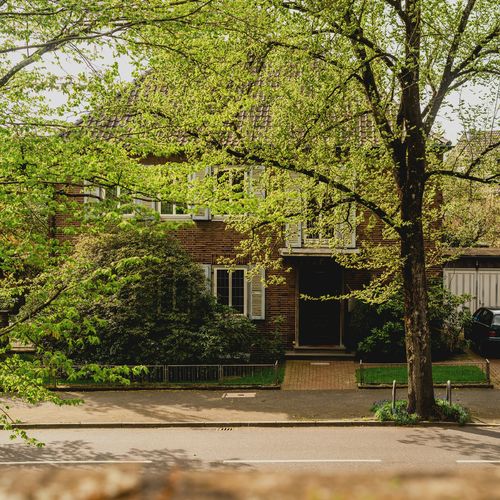
How to Sell Your Richmond VA Home As-Is in 2026: Pros, Cons and Process
A practical look at what selling as-is really costs you, and who it actually makes sense for.
Selling your Richmond VA home as-is means listing the property without making repairs or updates beforehand, and disclosing known defects rather than fixing them, which typically results in a sale price 8-15% below comparable move-in-ready homes. As-is sales tend to make the most sense for inherited properties, homes with significant deferred maintenance, landlords exiting rental portfolios, and sellers who need a fast, low-hassle closing over maximum price. This guide covers when as-is selling genuinely makes sense in the Richmond market, how it affects your price and buyer pool, Virginia’s residential property disclosure requirements, and how an as-is sale compares to renovating before listing. You’ll also find realistic Richmond-area cost and timeline comparisons, and answers to common seller questions about as-is contracts, cash buyers, and disclosure liability in Henrico, Chesterfield, and the City of Richmond.
Table of Contents
Selling a Richmond VA home as-is is a legitimate strategy, not a last resort, when it’s used for the right property and the right seller circumstances. It means listing the home in its current condition, without pre-listing repairs or cosmetic updates, and pricing it to reflect that reality upfront rather than negotiating repairs after the fact.
Mission Realty Team has handled as-is listings across the Richmond metro ranging from inherited Church Hill rowhouses to dated Chesterfield ranch homes with 30-year-old systems, and the pattern is consistent: as-is homes in the Richmond area typically sell for 8-15% below comparable renovated properties, and spend somewhat longer on market, often 35-50 days versus the metro average of 28-32 days for move-in-ready listings. That said, an as-is sale can still be the financially smarter choice once you account for the cost, time, and risk of renovating.
Roughly 12-18% of Richmond-area resale listings in 2026 are marketed as as-is or “sold as-is where-is,” a category that includes estate sales, investor exits, and sellers facing job relocations who simply don’t have the bandwidth to manage a renovation before moving.
When Selling As-Is Actually Makes Sense
Inherited homes are the most common as-is scenario Mission Realty Team sees in Richmond, particularly in older neighborhoods like Northside, Woodland Heights, and Ginter Park, where a property has often been owned by the same family for 30-50 years and needs updated electrical, an aging roof, or outdated bathrooms and kitchens that heirs have neither the cash nor the desire to renovate.
Deferred maintenance is the second major category: homes where a seller has put off a roof replacement, HVAC swap, or foundation repair for years, sometimes because of fixed income in retirement, sometimes simply due to competing priorities. Rather than take on $30,000-$50,000 in repairs before listing, these sellers often net more, faster, by pricing realistically as-is and letting the buyer factor renovation costs into their offer.
The third scenario is speed. Sellers relocating for a job in the next 30-45 days, going through divorce, facing financial hardship, or managing a landlord exit from a rental portfolio in areas like Southside or the Museum District often value certainty and a fast closing far more than squeezing out the last few percentage points of sale price.
How As-Is Listings Affect Price and Buyer Pool
Marketing a home as-is immediately narrows your buyer pool. Traditional owner-occupant buyers using FHA or VA financing often struggle with as-is properties because those loan programs have minimum property condition standards; a home with a non-functioning HVAC system or exposed wiring can actually fail to qualify for FHA or VA financing altogether, which pushes as-is sales toward cash buyers, conventional-financed renovation buyers, and investors.
This narrower pool has real pricing consequences. Recent Richmond-area as-is sales show an average discount of 8-15% versus comparable renovated homes, with the discount trending toward the higher end for properties needing structural or system-level work (roof, HVAC, foundation) and toward the lower end for homes that are simply dated cosmetically but functionally sound.
Investors and cash buyers active in Richmond neighborhoods like Manchester, Swansboro, and parts of Southside typically apply their own formula, often targeting 70-75% of after-repair value minus estimated renovation costs, which sellers should understand before assuming a cash offer is automatically a lowball.
Virginia Disclosure Obligations for As-Is Sellers
Selling as-is does not exempt a Richmond seller from Virginia’s disclosure requirements. Virginia operates under a “buyer beware” disclosure framework for most residential sales, meaning sellers generally aren’t required to proactively disclose every defect, but they are legally required to answer specific disclosure form questions honestly and cannot conceal known material defects.
Virginia’s Residential Property Disclosure Act requires sellers to provide a disclosure statement, and while it’s less detailed than disclosure laws in some other states, sellers who knowingly misrepresent a material fact, an active roof leak or known foundation issue, for example, can still face legal liability even in an as-is sale. “As-is” affects the buyer’s ability to demand repairs; it does not erase the seller’s duty of honesty about known issues.
Mission Realty Team always recommends as-is sellers complete disclosure forms thoroughly and, when in doubt, disclose rather than omit, since the cost of a lawsuit after closing almost always exceeds any price benefit gained by staying silent about a known problem.
As-Is vs. Renovating Before You List
The renovate-first approach can absolutely produce a higher sale price in Richmond’s market, particularly in desirable, walkable neighborhoods like the Fan District, Bellevue, or Westover Hills where buyer demand for move-in-ready homes remains strong. A full kitchen and bath refresh, fresh paint, and flooring update commonly cost $35,000-$70,000 but can add a comparable or greater amount in sale price in the right location.
However, that math only works if the seller has the cash to front the renovation, the time (often 8-14 weeks for a meaningful renovation in the current Richmond contractor market), and the risk tolerance for scope creep and unexpected findings once walls are opened up. Sellers who don’t have all three often net less by renovating than by selling as-is and letting the buyer manage renovation on their own timeline and budget.
Mission Realty Team typically runs both scenarios side by side for sellers weighing this decision: a net-proceeds estimate for an as-is sale at current condition, and a net-proceeds estimate assuming a specific renovation scope, financing cost, and realistic timeline, so the seller can compare actual dollar outcomes rather than guessing.
The As-Is Selling Process Step by Step
The process starts with an honest condition assessment, often including a pre-listing inspection so the seller knows exactly what issues exist before buyers’ inspectors find them. Mission Realty Team recommends this step even for as-is sales because it prevents surprises that can derail a contract mid-transaction and helps set realistic pricing from day one.
Next comes pricing and disclosure preparation: a comparative market analysis adjusted specifically for as-is condition, alongside a completed Virginia disclosure form addressing all known material issues. The listing itself should clearly state “as-is” in the marketing remarks so buyer expectations are set before a showing ever happens, which reduces wasted showings from buyers expecting move-in-ready condition.
During negotiations, as-is contracts in Virginia typically still include an inspection contingency unless specifically waived, meaning buyers can still inspect and terminate, though the seller isn’t obligated to negotiate repairs the way they might in a traditional sale. Many as-is contracts include specific “no repair request” language to formalize this upfront.
Working With Cash Buyers and Investors
Cash and investor buyers are common in the as-is segment of the Richmond market, particularly for properties in emerging areas like Manchester and parts of the East End where renovation-and-resale activity has picked up. These buyers typically close fast, often 10-21 days, and waive financing and appraisal contingencies, which reduces transaction risk for the seller considerably.
The tradeoff is price. Investor offers are almost always below what a traditional owner-occupant buyer using financing would pay, since investors are pricing in renovation costs, holding costs, and their own profit margin. Mission Realty Team generally recommends sellers get both a traditional MLS listing estimate and at least one or two investor cash offers before deciding, since the gap between the two options is sometimes smaller than sellers expect, and sometimes much larger.
It’s also worth noting that not every as-is sale needs to go the investor route. Plenty of owner-occupant buyers using conventional financing (which has more flexible property condition requirements than FHA or VA) actively seek out as-is fixer-uppers in desirable Richmond neighborhoods specifically for the discount and the chance to customize the renovation themselves.
| Seller Situation | Typical Price Impact vs. Renovated | Typical Days on Market |
|---|---|---|
| Inherited home, dated systems | -10% to -18% | 35-50 days |
| Deferred maintenance, cosmetic only | -5% to -10% | 30-40 days |
| Structural/system issues (roof, HVAC) | -15% to -22% | 40-55 days |
| Sold to cash investor directly | -20% to -30% | 10-21 days |
| Fully renovated comparable | Baseline (0%) | 18-28 days |
Frequently Asked Questions About Selling As-Is in Richmond VA
What does selling a house as-is mean in Virginia?
Selling as-is means listing the property in its current condition without making repairs, while still disclosing known material defects as required by Virginia law. It doesn’t mean the seller can hide known problems, only that the seller isn’t obligated to fix them before or after the sale. Mission Realty Team helps sellers understand exactly what as-is does and doesn’t cover before listing. Buyers can still typically inspect the home and negotiate, though the seller has more room to decline repair requests.
How much less does an as-is home sell for in Richmond?
As-is homes in the Richmond area typically sell for 8-15% below comparable move-in-ready properties, though the exact discount depends on the severity of the condition issues. Homes with structural or major system problems tend toward the higher end of that discount range. Cosmetically dated but functionally sound homes often see a smaller price impact. Mission Realty Team runs a specific comparative market analysis for as-is condition to give sellers a realistic price expectation.
Do I still have to disclose problems if I sell as-is?
Yes, Virginia law still requires sellers to answer disclosure form questions honestly and not conceal known material defects, even in an as-is sale. As-is affects whether a buyer can demand repairs, not the seller’s duty to disclose known issues honestly. Mission Realty Team recommends thorough disclosure regardless of as-is status to reduce legal risk after closing. Failing to disclose a known material defect can result in liability even after the sale closes.
Can FHA or VA buyers purchase an as-is home in Richmond?
It depends on the property’s condition, since FHA and VA loans have minimum property standards that can disqualify homes with major issues like non-functioning HVAC or exposed wiring. This is why as-is listings often attract cash buyers and conventional-financing buyers more than FHA or VA buyers. Sellers should understand this narrower buyer pool when pricing an as-is listing. Mission Realty Team factors financing eligibility into as-is pricing and marketing strategy.
Should I renovate before selling or sell as-is?
It depends on your cash position, timeline, and the specific neighborhood’s demand for move-in-ready homes. Renovating can increase sale price meaningfully in desirable Richmond neighborhoods, but only if you have the funds and time to complete the work without excessive carrying costs. Mission Realty Team typically runs side-by-side net proceeds comparisons for sellers weighing this decision. For inherited homes or sellers needing a fast sale, as-is is often the more practical choice.
Will investors lowball me on an as-is home?
Investor offers are typically below what a traditional financed buyer would pay, since investors price in renovation costs and profit margin, but “lowball” isn’t always accurate. Mission Realty Team recommends comparing an investor cash offer against a traditional MLS as-is listing estimate before deciding. Sometimes the gap is only 5-10%, especially when speed and certainty carry real value to the seller. Getting multiple offers, both investor and traditional, gives sellers the clearest picture.
Do as-is homes still need an inspection contingency in the contract?
Typically yes, unless both parties specifically agree to waive it, since Virginia contracts default to including an inspection period. As-is language usually means the seller won’t negotiate repairs, but the buyer can generally still inspect and terminate within the contingency period if issues are found. Some as-is contracts include explicit “no repair request” clauses to formalize this arrangement. Mission Realty Team reviews contract language carefully to make sure as-is terms are clear to both parties.
How long does it take to sell an as-is home in Richmond?
As-is listings in the Richmond area typically take 35-50 days to sell, somewhat longer than the metro average of 28-32 days for move-in-ready homes. Cash and investor sales can close much faster, sometimes in 10-21 days total. The exact timeline depends on pricing accuracy and the severity of the property’s condition issues. Mission Realty Team sets realistic timeline expectations upfront based on comparable as-is sales.
What is a pre-listing inspection and should I get one before selling as-is?
A pre-listing inspection is an inspection the seller orders before listing, giving a clear picture of the home’s condition ahead of buyer showings. Mission Realty Team recommends this step even for as-is sales because it prevents mid-transaction surprises and supports more accurate pricing. It also gives sellers the chance to prepare disclosure forms with full knowledge of the home’s condition. The cost, typically $375-$550 in the Richmond area, is a worthwhile investment for smoother negotiations.
Can I sell an inherited home as-is without probate being finalized?
This depends on the specific estate situation and whether an executor or personal representative has legal authority to sell. In many cases, a properly appointed executor can list and sell a property during probate, but the timeline and requirements vary. Mission Realty Team works with estate attorneys across the Richmond area to help heirs navigate this process correctly. It’s worth consulting a probate attorney early if you’re considering selling an inherited home before the estate is fully settled.
Does selling as-is mean I get less negotiating leverage?
Not necessarily; as-is selling shifts the type of leverage rather than eliminating it entirely. Sellers give up the ability to fully avoid repair conversations but gain leverage by setting clear expectations upfront and attracting buyers who aren’t planning to negotiate extensively. Mission Realty Team structures as-is listings with clear marketing language specifically to reduce back-and-forth negotiation after inspection. A well-priced, well-disclosed as-is listing often negotiates more smoothly than a traditional listing with surprise inspection findings.
What Richmond neighborhoods see the most as-is home sales?
Older neighborhoods with a higher share of long-held family homes, including Church Hill, Northside, Barton Heights, and parts of Southside, tend to see more as-is listings. These areas have a higher concentration of homes with original systems, inherited ownership, and long-term owner-occupants reaching retirement age. Mission Realty Team has extensive experience marketing as-is properties specifically in these neighborhoods. Newer construction areas in Hanover and western Chesterfield see very few as-is listings by comparison.
Considering an As-Is Sale of Your Richmond Home?
Mission Realty Team can run the numbers on your specific property and compare an as-is sale against a renovate-first strategy. Contact Mission Realty Team today for a no-obligation as-is pricing consultation.