Moving to Richmond VA from Harrisonburg: What to Know Before You Relocate
Same state, same tax return, very different city – here is what actually changes
Moving from Harrisonburg to Richmond keeps you in Virginia, so your state income tax filing does not change and your driver’s license and voter registration are simple address updates. Almost everything else does change. Harrisonburg is a compact Shenandoah Valley city anchored by James Madison University and a strong agricultural and poultry economy; Richmond is a mid-size metro of roughly a million-plus people across several localities, the state capital, and a genuinely diversified employment market with VCU Health, Dominion Energy, CarMax, Altria, the Federal Reserve Bank of Richmond, Capital One’s West Creek campus and state government. People searching moving to Richmond VA from Harrisonburg, Harrisonburg to Richmond drive time, Richmond VA neighborhoods for newcomers, is Richmond hotter than the Valley and Richmond vs Harrisonburg cost of living will find the real adjustments are climate, scale and traffic. The Mission Realty Team helps relocating buyers across Richmond, Henrico, Chesterfield, Goochland, Hanover and Powhatan.
Table of Contents
We help a steady stream of buyers move to Richmond from Harrisonburg, and the conversation follows a predictable shape. They already know Virginia. They already know the DMV, the state income tax, Virginia Cooperative Extension and the way counties and independent cities work here. What they underestimate is how differently a fall line metro of several localities behaves compared with a Valley city of roughly fifty thousand where you can cross town in twelve minutes.
The good news is that this is one of the easiest interstate-free relocations you can make. No new state tax return, no new licensing regime for most professions, no new insurance market to learn. The real work is choosing among a dozen distinct Richmond-area submarkets that all look reasonable on a map and feel completely different in person. That is where the Mission Realty Team spends its time with relocating clients, and this guide is the orientation we give them before the first tour.
Scale: A Valley City Versus the State Capital
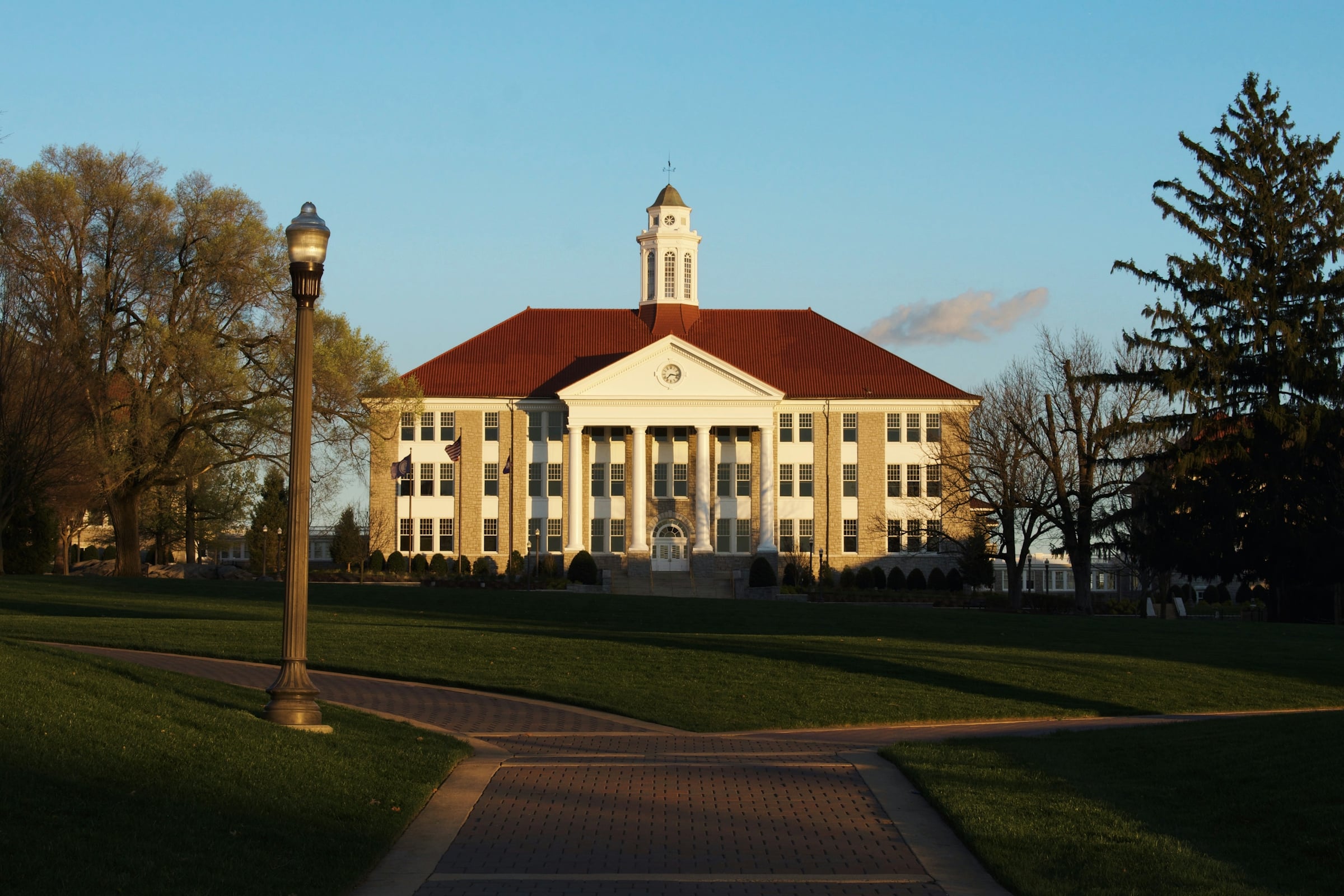
Harrisonburg is an independent city surrounded by Rockingham County, with James Madison University at its center and a downtown you can walk end to end. JMU shapes the calendar, the rental market, the restaurant scene and the traffic pattern. When school is out, the city noticeably empties. Sentara RMH Medical Center and the poultry and agricultural sector anchor the rest of the economy.
Richmond is a different animal structurally. The City of Richmond is the seat of state government and the historic core, but the metro is really the city plus Henrico County wrapping it to the north, east and west, Chesterfield to the south and west, Hanover to the north, and Goochland and Powhatan further out. That means you will be choosing not just a neighborhood but a locality, and localities differ in real estate tax rate, personal property tax on vehicles, school division, trash and utility service, and library and park systems. A house three miles from another house can sit in a different jurisdiction with different bills and different schools.
What that scale buys you is depth. Richmond has a large hospital and research complex at VCU, a professional theater and museum scene including the Virginia Museum of Fine Arts, an international airport, minor league baseball, dozens of distinct restaurant districts, and enough employers that changing jobs does not usually mean changing cities. What it costs you is the small-city ease of knowing everyone at the co-op and never planning around traffic.
Geography and Climate: The Valley Versus the Fall Line
Harrisonburg sits in the Shenandoah Valley at meaningful elevation, hemmed by the Blue Ridge to the east and the Allegheny front to the west, with Shenandoah National Park, the George Washington National Forest and Massanutten within easy reach. That elevation and that mountain shielding produce cooler nights, a real winter, and snow that arrives with some regularity.
Richmond sits near sea level at the fall line, the point where the James River drops off the Piedmont onto the coastal plain. Expect a hotter and considerably more humid summer, a longer growing season, a shorter and milder winter, and much less snow in a typical year. The tradeoff most Valley transplants mention is that Richmond summers are genuinely heavy from roughly June through early September, and that the absence of mountain views takes some adjusting to.
What you gain is a river running through the middle of the city. The James River Park System threads both banks with trails from Pony Pasture through Belle Isle and the North Bank, and at higher water the rapids through downtown are legitimate whitewater within sight of office towers. You are also within about two hours of the Atlantic beaches and Virginia Beach, and roughly two hours the other direction from the Blue Ridge if you want the mountains back for a weekend. Richmond trades vertical scenery for water access and coastal reach.
The Drive Back to the Valley
The standard route is I-81 south from Harrisonburg to Staunton, then I-64 east over Afton Mountain and through Charlottesville into Richmond. Plan on roughly two to two and a half hours depending on traffic, weather on Afton and how many trucks you inherit on I-81. It is an easy day trip in either direction, which matters to buyers who are leaving family, a church, a practice or a JMU connection behind.
Charlottesville sitting at the midpoint is genuinely useful. It makes a natural meeting spot for family who stay in the Valley, and it means the drive breaks into two manageable halves. If you are keeping any Harrisonburg ties, from JMU events to a family farm, the frequency of that drive is worth thinking about when you choose where in the Richmond metro to land. A home on the western side of the metro, in western Henrico, Goochland or the Short Pump area, puts you on I-64 westbound immediately and can save twenty to thirty minutes each way compared with living on the far southern or eastern edge.
Within Richmond, learn the road network early because it is not intuitive. I-95 runs north and south through the city, I-64 runs east and west, I-295 loops around the north and east, and Route 288 arcs around the west and south. Two toll roads, the Powhite Parkway and the Downtown Expressway, cut through the middle and are worth an E-ZPass. Rush hour is real but modest by East Coast standards; it is the difference between a fifteen minute commute and a thirty-five minute commute, not the two-hour crawls of Northern Virginia.
Housing Stock: What Actually Changes
Harrisonburg’s housing mix leans toward older in-town homes near downtown and JMU, a substantial student rental sector, mid-century neighborhoods, and newer subdivisions on the edges, all set against Rockingham County farmland. Richmond has more of everything and more distinct eras layered on top of each other.
Inside the city you will find Victorian and early twentieth century rowhouses in the Fan, Church Hill and Jackson Ward; 1910s to 1940s bungalows, American Foursquares and Cape Cods in Northside neighborhoods like Bellevue and Ginter Park and in Southside neighborhoods like Woodland Heights and Westover Hills; and converted industrial buildings and new mid-rise construction in Scott’s Addition and Manchester. Step into the first ring of Henrico and Chesterfield and you get postwar brick ranches and Capes in areas like Lakeside and Bon Air. Go further west and you reach the large newer subdivisions of Short Pump, Glen Allen, Midlothian and Moseley, and further north the Atlee corridor in Hanover.
Two practical differences for Valley transplants. First, homeowners associations are far more prevalent here, particularly in anything built after about 1990 in western Henrico and Chesterfield, and they come with dues, architectural review and rules you should read before you commit. Second, basements are less universal than you might expect; crawl space foundations are extremely common in Richmond, which changes storage, mechanical location and moisture management. Prices move month to month, so rather than quote figures that will be stale, ask the Mission Realty Team for a current list in any specific neighborhood at (804) 601-4960.
The Job Market: From One Anchor to Many
Harrisonburg’s economy is anchored by JMU, health care through Sentara RMH, public education, and a large agricultural and food processing sector including the poultry industry that shapes much of Rockingham County. It is a stable base, but it is a relatively narrow one, and career changes often mean relocating.
Richmond’s employment base is unusually diversified for a metro its size. State government and the courts sit downtown alongside the Federal Reserve Bank of Richmond, which is the Fifth District headquarters. Health care and research center on VCU Health and the VCU medical campus, with Bon Secours and HCA systems across the region. Corporate headquarters and major operations include Dominion Energy, Altria, CarMax, Markel, Performance Food Group and Capital One’s large West Creek campus on the Goochland and Henrico line. Add a substantial legal, accounting and financial services sector, plus logistics along the I-95 corridor, and you get a market where lateral moves are usually possible without moving house.
Higher education looks different too. Instead of one dominant campus, Richmond has VCU as a large urban university woven into the city fabric, the University of Richmond on a self-contained campus in the west end, Virginia Union University in Northside, Randolph-Macon College up in Ashland, and Reynolds Community College across multiple sites. For households where one partner works in academia or health care, that breadth is often the deciding factor in the move.
Where Former Harrisonburg Residents Tend to Land
Two patterns show up repeatedly, and they split along whether you loved downtown Harrisonburg or loved being ten minutes from a pasture.
If what you valued was walkability, a farmers market, independent restaurants and being able to leave the car parked, look at the Museum District, the Fan, Carytown’s surrounding blocks, Church Hill, Bellevue in Northside, and Woodland Heights and Forest Hill in Southside. Bellevue in particular tends to appeal to Harrisonburg transplants: it is a grid of 1920s bungalows with front porches, a small commercial node on MacArthur Avenue, and a scale that feels like a small town inside a metro. Forest Hill offers a Saturday market in a park with a lake and direct access to river trails. Manchester and Scott’s Addition suit buyers who want new construction with genuine walkability, usually in condo or townhome form.
If what you valued was space, a yard, a shorter drive to farmland and newer construction, look west and north. Short Pump and Glen Allen in western Henrico, Midlothian and Moseley in western Chesterfield, and the Atlee corridor and Ashland area in Hanover all deliver newer homes, larger lots and county school divisions. Push a little further and Goochland and Powhatan give you real acreage within commuting distance, which is the closest equivalent to Rockingham County living. Ashland deserves a specific mention for Harrisonburg transplants: it is a small walkable town with a college, a railroad running through the middle of Center Street and its own identity, which is an unusual combination in this metro.
| Factor | Harrisonburg | Richmond metro |
|---|---|---|
| State income tax | Virginia | Virginia, no change to your filing |
| Setting | Shenandoah Valley, mountains both sides | Fall line of the James River, coastal plain edge |
| Summer | Warm, cooler nights at elevation | Hotter and notably more humid |
| Winter | Real winter, regular snow | Milder, much less snow in a typical year |
| Main employers | JMU, Sentara RMH, poultry and agriculture | VCU Health, state government, Dominion, Altria, CarMax, Federal Reserve, Capital One |
| Scale | One city, one county, one anchor institution | City plus Henrico, Chesterfield, Hanover, Goochland, Powhatan |
| Traffic | Minimal, JMU calendar driven | Real but moderate; bridges and toll roads are the chokepoints |
| Outdoor recreation | Shenandoah National Park, national forest, Massanutten | James River Park System, urban whitewater, two hours to beaches |
| Homeowners associations | Less common | Very common in post-1990 suburban construction |
Frequently Asked Questions About Moving From Harrisonburg to Richmond VA
How far is Richmond VA from Harrisonburg?
Plan on roughly two to two and a half hours by car depending on traffic and weather. The standard route runs I-81 south from Harrisonburg to Staunton, then I-64 east over Afton Mountain and through Charlottesville into Richmond. Winter weather on Afton and truck traffic on I-81 are the two variables that most often add time. Charlottesville sitting near the midpoint makes a convenient meeting point if you are leaving family behind in the Valley.
Do I need to change anything for taxes moving within Virginia?
Your Virginia state income tax filing does not change, since Virginia taxes income at the state level regardless of which locality you live in. What does change is local taxation, and this catches people. Real estate tax rates are set by each locality, so the City of Richmond, Henrico, Chesterfield, Hanover, Goochland and Powhatan all differ, and personal property tax on vehicles also varies by locality and can be a meaningful annual number. Ask for a side-by-side estimate of your actual monthly and annual carrying cost in each locality you are considering.
Is Richmond hotter and more humid than Harrisonburg?
Yes, noticeably, and this is the adjustment Valley transplants mention most. Richmond sits near sea level at the fall line rather than at Valley elevation, which produces hotter days, warmer nights and considerably more humidity from roughly June into early September. The flip side is a shorter, milder winter with much less snow in a typical year and a longer growing season. Practically, it means paying closer attention to air conditioning capacity, attic ventilation and crawl space moisture when you tour houses.
Is Richmond VA a good place to live compared to Harrisonburg?
It depends entirely on what you are optimizing for, and both are genuinely good places to live. Richmond gives you a diversified job market, a large medical and research complex, an international airport, far more restaurants, museums and music, and a river park system running through the middle of the city. Harrisonburg gives you a smaller and simpler daily life, immediate access to mountains and national forest, minimal traffic and a strong sense of community around JMU. Most people who make this move do it for career breadth and stay for the food and the river.
What are the best Richmond neighborhoods for someone who liked downtown Harrisonburg?
Look at the Museum District, the Fan, the blocks around Carytown, Church Hill, Bellevue in Northside, and Woodland Heights or Forest Hill in Southside. Bellevue is the one we recommend most often to Harrisonburg transplants because it is a walkable grid of 1920s bungalows with a small commercial node on MacArthur Avenue and a small-town feel inside a metro. Forest Hill adds a Saturday farmers market in a park with a lake and direct access to James River trails. Manchester and Scott’s Addition work for buyers who want newer construction with real walkability.
Where should I look near Richmond if I want land like Rockingham County?
Goochland and Powhatan are the closest equivalents within a reasonable commute, offering genuine acreage, agricultural zoning and rural character while staying inside the Richmond market. Goochland stretches west along Route 6 and Route 250 with its eastern end minutes from Route 288, and Powhatan sits south of the James along Route 60. Outer Hanover toward Beaverdam and Montpelier is a third option if you are oriented north. Rural purchases need extra due diligence on wells, septic, soils and easements, and the Mission Realty Team writes those contracts with study periods sized accordingly.
What is the commute like in Richmond compared to Harrisonburg?
Richmond has a real rush hour but a modest one by East Coast metro standards, generally the difference between a fifteen minute drive and a thirty-five minute drive rather than an hours-long crawl. The network takes learning: I-95 runs north and south, I-64 east and west, I-295 loops the north and east, Route 288 arcs the west and south, and the Powhite Parkway and Downtown Expressway are toll roads through the middle. River crossings are the chokepoints. Drive your prospective commute at the real hour in both directions before you commit to a house.
Who are the major employers in Richmond VA?
Richmond has an unusually diversified employment base for its size. State government and the courts sit downtown along with the Federal Reserve Bank of Richmond, which heads the Fifth District. Health care centers on VCU Health and the VCU medical campus, with Bon Secours and HCA systems regionally. Corporate headquarters and major operations include Dominion Energy, Altria, CarMax, Markel, Performance Food Group and Capital One’s West Creek campus. That breadth means changing employers usually does not require changing cities, which is the main structural difference from a JMU-anchored economy.
How do schools work in the Richmond area?
Each locality runs its own division, so the school question and the locality question are the same question. Richmond City Public Schools, Henrico County Public Schools, Chesterfield County Public Schools, Hanover County Public Schools, Goochland County Public Schools and Powhatan County Public Schools all operate independently with their own boundaries, programs and specialty or magnet offerings. Henrico and Chesterfield in particular run substantial specialty center and magnet programs that can matter more than the base zoned school. Confirm the assignment for a specific address with the division directly, because boundaries change.
Are homeowners associations more common in Richmond?
Yes, considerably, and Valley transplants are often surprised by it. Most subdivisions built in western Henrico, western Chesterfield and the Hanover growth corridors since about 1990 have an association with mandatory dues, architectural review of exterior changes and recorded rules covering things like fences, sheds, parking and sometimes leasing. Older city neighborhoods and rural parcels are far less likely to have one. If you buy into an association, you will receive a resale certificate with the governing documents and you have a short statutory window to review it and cancel.
What is the outdoor recreation like in Richmond?
Different in kind rather than lesser. The James River Park System runs along both banks through the middle of the city with trails from Pony Pasture through Belle Isle to the North Bank, and at high water the rapids downtown are legitimate whitewater within sight of office buildings. Pocahontas State Park sits in Chesterfield, Bryan Park and Forest Hill Park sit inside the city, and the Virginia Capital Trail runs from Richmond to Williamsburg. You are also about two hours from the Atlantic beaches and about two hours back to the Blue Ridge when you want mountains again.
Is there anywhere near Richmond like a small college town?
Ashland in Hanover County is the closest thing, and it is worth a look for anyone who liked Harrisonburg’s scale. It is a small walkable town with Randolph-Macon College, an active main street along Center Street and a rail line running right through the middle of it, with its own identity separate from the metro. Commuting from Ashland into Richmond via I-95 or Route 1 is practical. It gives you a genuinely small-town daily life with metro amenities twenty-some minutes away.
Should I rent first or buy right away when relocating to Richmond?
Renting for a few months is reasonable if you are genuinely unsure which locality fits, because the Richmond submarkets differ more than a map suggests and a bad locality choice is expensive to undo. That said, many relocating buyers do fine buying directly, provided they spend a focused couple of days touring across several areas and drive the real commute first. What we would not recommend is buying on a single weekend visit based on the house alone. The Mission Realty Team builds relocation tours that cover the city, inner counties and outer counties in sequence so the differences are obvious.
Relocating From Harrisonburg? Let Us Orient You.
The Mission Realty Team works with buyers moving to Richmond, Henrico, Chesterfield, Goochland, Hanover and Powhatan, and we will lay out the locality differences in taxes, schools and commutes before you tour a single house. Call us at (804) 601-4960 or stop by 3701 Cox Rd, Richmond VA 23233.