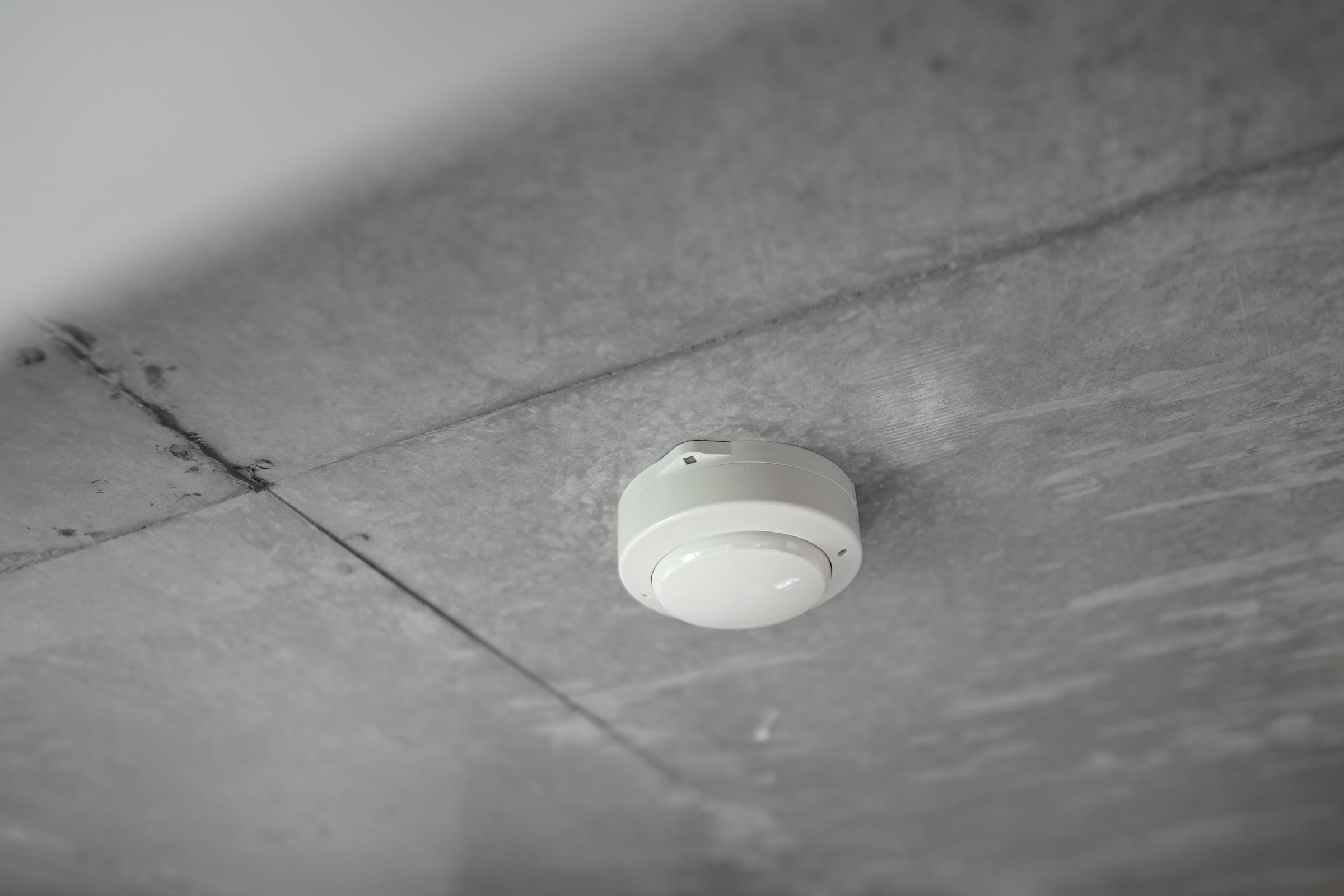
A buyer should not count on the seller’s disclosure form to tell them whether a home’s smoke and carbon monoxide alarms work. The Virginia Real Estate Board’s disclosure statement (form marked DPOR rev 7/2022, which we read in November 2026) lists 17 items, and smoke alarms and CO alarms are not among them. So the check falls to you, and the most useful single fact is this: the US Fire Administration says to replace a smoke alarm 10 years after its manufacture date.
This guide walks through what the Virginia sources we read do and do not say, how old is too old, and what to look at during a showing and an inspection. It is general information, not legal advice. For questions about your contract or a specific code requirement, ask a Virginia real estate attorney or the local building official.
What the Virginia pages say, and what they leave out
Disclosure. Under Code of Virginia 55.1-703 (page displayed in November 2026), the owner states that they make no representations or warranties about the condition of the property, and the buyer is advised to do due diligence such as a home inspection before settlement. Alarms are not mentioned on that page. In practice, “buyer to beware” means the alarm check is yours to make.
Building code. The state’s maintenance rules for existing buildings, 13VAC5-63-545 on the Virginia Administrative Code site, say that smoke alarms that are required or provided must be maintained under the applicable building code. That page does not list a rule that forces a seller to add alarms at resale, and it does not mention carbon monoxide alarms. We did not find a resale alarm rule on any page we read, so we are not claiming one exists or does not. If it matters to your deal, ask the city or county building official.
Alarms for deaf or hard-of-hearing occupants. Code of Virginia 36-99.5 (page displayed in October 2026, last amended 2019) requires landlords of rental units and certain shared lodgings to provide a qualifying alarm on request, “regardless of when constructed.” It is a rental rule, not a sale rule.
Rentals. If you are buying a home to rent out, the Virginia Department of Housing and Community Development publishes a landlord smoke alarm certification form. It cites Code of Virginia 55.1-1220(A)(8), under which a landlord gives the tenant a certificate that alarms are present, inspected and working, no more than once every 12 months. Each inspection includes testing, checking that non-hardwired batteries are not expired, and replacing removed, damaged or expired alarms.
When alarms must be replaced
The sources we read give a number for smoke alarms and none for CO alarms. The US Fire Administration smoke alarm page (last reviewed Oct. 13, 2026, as shown on the page) says 9-volt and hardwired alarms should be replaced every 10 years, counted from the manufacture date. It says to test smoke alarms monthly. The Consumer Product Safety Commission CO page (no date shown) says CO alarms have a recommended replacement age but gives no number, so use the product label or the manufacturer.
| Alarm type | Battery | Replace the whole unit | Source |
|---|---|---|---|
| Smoke, 9-volt battery | At least once every year | 10 years from manufacture date | US Fire Administration, page reviewed Oct. 13, 2026 |
| Smoke, hardwired | Backup battery at least once a year | 10 years from manufacture date | US Fire Administration, page reviewed Oct. 13, 2026 |
| Smoke, 10-year lithium | No battery change called for | Per manufacturer schedule | US Fire Administration, page reviewed Oct. 13, 2026 |
| Carbon monoxide | Per manufacturer | Recommended age exists, no number given | CPSC, page undated |
Get your alarms question in front of the right listings
Start a saved search for the Richmond-area homes you want to see, then use the checklist below at each showing. We will send new matches as they list.
A checklist for the showing and the inspection
Whether you are shopping in the City of Richmond, Henrico County or Chesterfield County, the same steps apply, in the Fan, Bon Air, Short Pump or anywhere else.
- Count and place. The US Fire Administration says alarms belong on every level and inside and outside each bedroom or sleeping area, mounted on the ceiling or high on the wall.
- Read the date. Take a ladder or ask the inspector to twist one alarm off its base and read the manufacture date. Anything 10 years past that date is due for replacement under the US Fire Administration guidance.
- Press the test button on each one. The CPSC notes that a test button checks the circuitry, not the sensor’s accuracy, so treat a pass as a minimum.
- Find the CO alarms. The CPSC says to install them on every level and outside sleeping areas, away from heating vents and not in kitchens or above fuel-burning appliances.
- Look at the power type. Hardwired alarms need a qualified electrician to install, according to the US Fire Administration. Note whether any are missing from their bases or have dead battery chirps.
- Ask for the manuals or receipts for any alarm the seller says is new.
Write down what you find, room by room: the location, the power type, the manufacture date and whether it passed the test. If a date is worn off or missing, treat that alarm as an unknown age and plan to replace it. That list gives you something concrete to bring to the seller, and it gives your inspector a clear picture of what you want looked at. It also becomes your move-in task list, so you can set a monthly test reminder from the first week, which is the schedule the US Fire Administration gives.
Asking the seller to fix it
A buyer can raise an out-of-date alarm in a repair request or plan to replace it at move-in. If you want money toward it, how a credit works depends on your loan, which we cover in seller credits at Richmond closings. Timing matters too: under Code of Virginia 55.1-709 the disclosure is due before the contract is ratified. If you plan to ask your agent to put requests in writing, read what to know before signing a buyer representation agreement first.
Free help from the county
Chesterfield Fire and EMS says on its Smoke Alarm Program page (no date shown) that it will provide and install smoke alarms at no charge so each occupied level has at least one working alarm. Its crews cannot repair or replace hardwired alarms, so those need a certified electrician. The page lists Fire and Life Safety at 804-748-1426. We did not find comparable pages for Henrico or the City of Richmond that we could read, so check with those fire departments directly.
Keep the alarm checklist with your home search
Save a search for the Richmond-area homes you want to tour, and we will send matches as they list. Take this checklist with you.
Frequently asked questions
Who installs hardwired smoke alarms?
The US Fire Administration says only qualified electricians should install hardwired alarms. Chesterfield Fire and EMS says its crews cannot repair or replace hardwired alarms, so those require a certified electrician.
What should I do if a carbon monoxide alarm sounds during a showing or inspection?
The CPSC says never to ignore it. Get outside to fresh air, call 911 or the fire department, and do a head count. Do not go back inside until responders say it is safe. If it sounds again within 24 hours of returning, repeat those steps and have a qualified technician inspect all fuel-burning equipment.
Where should a carbon monoxide alarm not go?
The CPSC does not recommend installing them in kitchens or above fuel-burning appliances. It suggests mounting them high on the wall or in a plug-in receptacle, away from heating vents and anything that could cover them, such as furniture or draperies.
How often does a Virginia landlord have to certify smoke alarms?
The DHCD landlord form describes Code of Virginia 55.1-1220(A)(8): the landlord provides a certificate that alarms are present, inspected and working no more than once every 12 months. Tenants must not remove or tamper with a working landlord-installed alarm, and must report a malfunction to the landlord.
Can a landlord charge a deposit for an alarm for a deaf or hard-of-hearing tenant?
Code of Virginia 36-99.5 lets a landlord require a refundable deposit capped at the alarm’s cost or replacement cost, whichever is greater. Rent cannot be raised to cover the requirement. This is general information, so ask a Virginia real estate attorney about a specific lease.
How late can a seller hand me the disclosure?
Code of Virginia 55.1-709 says the owner must give it before the contract is ratified. If it arrives after, the buyer’s sole remedy is to terminate, by the earliest of several events, including three days after delivery in person or electronically or five days after the postmark if mailed. Ask a Virginia real estate attorney how this applies to your contract.