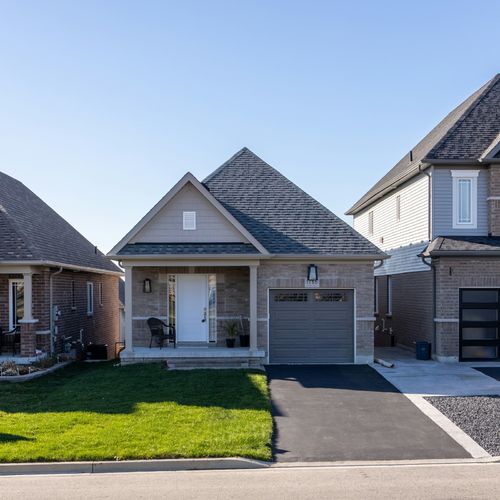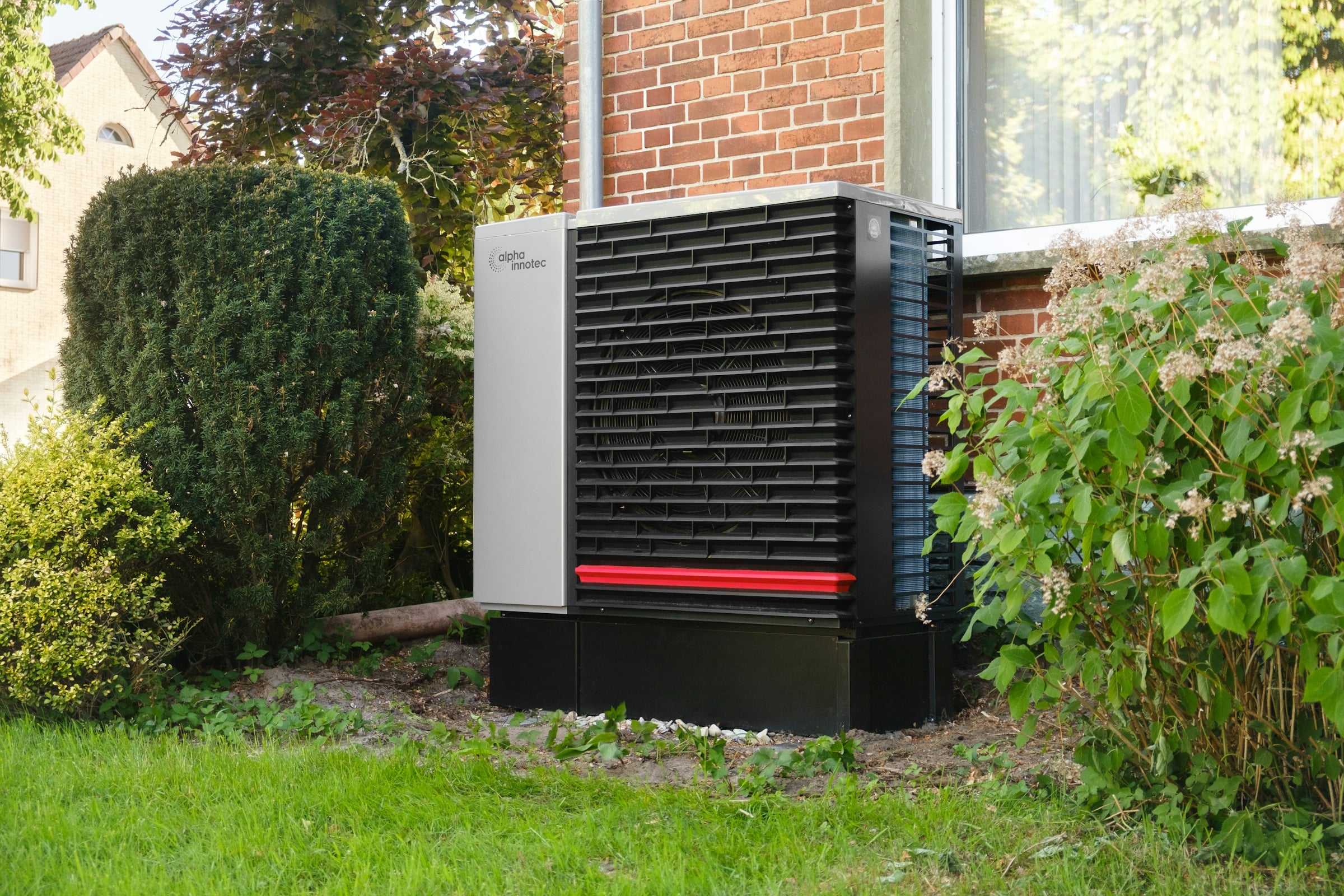
Neither system wins on paper, so the useful question is what the house has now and what it will take to keep it running. Ask for the age of each unit, the service records, the permit for any replacement, and the efficiency labels. Those four answers tell you more than the heat pump versus gas furnace debate.
This guide is for buyers in Henrico, Chesterfield, Hanover and the City of Richmond. We do not quote equipment prices here because they depend on the house, the ductwork and the contractor. Get written quotes during your inspection period.
Age and records: the first questions to ask
The Department of Energy’s home heating and cooling guide says that if a system is over 15 years old, replacing it can lower electric bills and improve efficiency. It gives no lifespan, so treat 15 years as a prompt for questions and not a deadline. Find the date on the data plate on each outdoor and indoor unit and write it down.
- When was each unit installed, and who installed it?
- Is there a permit? Henrico’s permit center says new and replacement installations of furnaces and central air conditioning need a permit. Chesterfield requires a mechanical permit for new equipment and for replacing a furnace, and its page says a like-for-like electric heat pump replacement does not need one.
- Are there service invoices? The same DOE guide recommends a professional check of air conditioners in the spring and furnaces in the fall, and monthly filter changes in peak seasons. It says regular maintenance can cut heating and cooling costs by 10 percent or more.
- Were the ducts sealed or changed? The DOE guide lists duct leaks and crushed or disconnected ducts among the things to check.
A seller who kept the filters and invoices in a folder is giving you information. A seller with no records is not proof of a problem, but it moves the questions to your inspector and any HVAC specialist you hire.
Reading the efficiency labels
Three ratings show up on listing sheets and equipment labels. The DOE and ENERGY STAR definitions are:
| Rating | Applies to | What it measures, per DOE or ENERGY STAR | Figure to know |
|---|---|---|---|
| SEER2 | Heat pumps and air conditioners | Heat removed over the cooling season divided by electricity used | ENERGY STAR heat pump minimum 15.2 |
| HSPF2 | Heat pumps | Heat delivered over the heating season divided by electricity used | ENERGY STAR split system minimum 7.8; single package 7.2 |
| AFUE | Furnaces | Heat delivered to the house compared with fuel supplied | ENERGY STAR gas: 90% in southern climates, 95% in northern; oil 85%; propane 97% |
Sources: ENERGY STAR air source heat pump key product criteria, and the DOE home heating and cooling guide (2021). The SEER2 and HSPF2 names took effect January 1, 2023, when DOE changed how the systems are tested. A heat pump labeled only SEER and HSPF used the older test.
For furnaces, the DOE guide says the higher the AFUE number, the more efficient the system. Read the label on the unit instead of assuming which ENERGY STAR climate tier applies to a Richmond-area home.
Heat pump or furnace: questions that decide it
You are not choosing from a showroom. You are buying a house with equipment already in it. So the questions are about what is installed and what you would do when it fails.
- What does the home use now? If it has a gas furnace and a central air conditioner, you have two systems. A heat pump does both jobs in one outdoor and indoor set. Ask whether the unit is a heat pump, and if so, whether it is a split or single package. ENERGY STAR sets a lower HSPF2 minimum for single package units than for split systems.
- Does it have backup heat? Ask what supplies heat on the coldest days, and have your inspector note it.
- Is a gas line already in place? If you want to switch fuels later, ask a licensed contractor what the change involves before you close.
- What are the utility bills? Ask for twelve months of electric and gas bills. A year of usage beats a rating on a label. This is a question to ask, and we do not know any one house’s bills.
Send us the address, we will help you ask the right questions
For any home you are serious about, send us the address. We will help you build the list of HVAC questions and permit checks to bring to the seller and the inspector. To see homes in the areas you are comparing, start a saved search.
What an inspection tests, and what it does not
Virginia’s home inspector regulation, 18VAC15-40-130, requires the inspector to inspect and describe the heating equipment and its operating controls, the energy source, the distribution system and the vent systems, flues and chimneys. For air conditioning it covers central and installed wall equipment, controls, access panels, the energy source and the distribution system. The inspection is limited to readily accessible components and readily observable defects.
The same section excludes heat exchangers from the heating inspection, along with accessories such as humidifiers and air purifiers. Two other limits matter:
- Systems that are turned off or secured so they do not respond to normal controls do not have to be put into operating condition. The report must say why they were not inspected. In a cold or hot spell, ask the seller to leave the equipment on.
- The regulation allows the contract to exclude operating costs and remaining life. An inspector’s pass on a 14-year-old unit is not a forecast.
If a specialist is worth it, a licensed HVAC contractor can look at things an inspector does not, such as the heat exchanger. Ask your inspector whether anything in the report calls for one. If the system looks near the end of its life, ask your agent how a repair request or a seller credit could work for your loan type, and read our guide to seller credits and closing limits by loan type. For problems below the house, see wet crawl spaces in older Richmond homes.
Incentives and timing
Do not count on a rebate when you set your offer. Virginia Energy’s Home Energy Rebates page, last updated October 13, 2026, shows the programs as not yet open, with no estimated launch date. It says the HEAR program would offer up to $8,000 for an ENERGY STAR heat pump, with income limits up to 150 percent of area median income, and that rebates cannot be applied retroactively. Those are proposed figures that depend on DOE approval, so a buyer should not assume they will be available at closing. Check the page again at the time you buy.
When you are ready to compare homes, look at active listings in Glen Allen, Midlothian, the Fan or wherever you search. Learn how we work with buyers or talk with one of our preferred lenders about how repairs and equipment affect your loan.
Compare homes with the HVAC questions in hand
Tell us the areas and the age of equipment you are comfortable with, and we will set up a saved search. When you pick a home, send us the address and we will help you with the permit and records requests.
Frequently asked questions
Do heat pumps work in cold weather?
ENERGY STAR has a separate cold climate designation. Those units must have an HSPF2 of at least 8.5 for non-ducted split systems and 8.1 for ducted split and single package units, a coefficient of performance of at least 1.75 at 5 degrees F, and deliver at least 70% of their 47 degree capacity at 5 degrees F. Ask whether a unit meets that spec, not only whether it is a heat pump.
What is EER2?
ENERGY STAR defines it as the average cooling rate delivered divided by the average electrical power consumed, in Btu per watt-hour. ENERGY STAR split heat pumps need at least 11.0 and single package units at least 10.0.
What is the difference between split and package systems?
ENERGY STAR defines a split system as one with at least two assemblies connected by refrigerant piping, one with the indoor coil and one with the outdoor coil. A single package has all major assemblies in one cabinet.
Does an older label that says SEER and HSPF mean something different?
Yes. DOE changed the test effective January 1, 2023, and the new ratings are SEER2 and HSPF2. The DOE 2021 guide gives ENERGY STAR heat pumps as SEER 15 and HSPF 8 under the older ratings, while the current ENERGY STAR minimums are 15.2 and 7.8. Do not compare old and new numbers directly.
If a heat pump is replaced, does it need a permit?
It depends on the county. Chesterfield’s page says like-for-like electric heat pump replacement does not need a mechanical permit, while replacing a furnace or switching fuel does. Henrico’s page says new and replacement installations of furnaces and central air conditioning require a permit. Ask the seller for the permit number, and call the county building office to confirm.
How can I check inspection results on a permit?
Chesterfield’s page says you can view inspection results and comments in its Enterprise Land Management citizen access portal, or call its automated line at 804-751-4444, with a permit number. Mechanical work gets a rough-in and a final inspection.
Can I use the Virginia heat pump rebate if I buy a house?
Not as of the page’s October 13, 2026 update. Virginia Energy says the programs are not open and cannot be applied retroactively, and that DOE recommends waiting until they launch. Check Virginia Energy’s Home Energy Rebates page for updates.