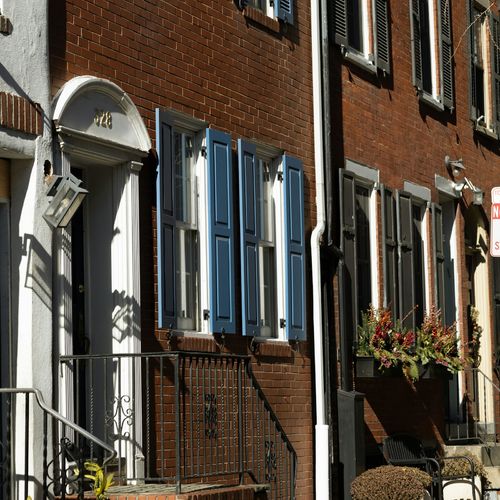
How to Read a Richmond VA Home Inspection Report in 2026
A buyer’s guide to understanding defects, red flags, and what’s actually worth negotiating
A Richmond VA home inspection report typically runs 30-60 pages and organizes findings into major systems (roof, HVAC, electrical, plumbing, foundation) with photos and severity ratings. Focus on safety hazards, structural issues, and major system failures first, since Richmond’s older housing stock (Fan District, Church Hill, Museum District) commonly reveals knob-and-tube wiring, galvanized plumbing, and clay sewer laterals that newer suburban builds in Chesterfield or Hanover rarely show. A full inspection in the Richmond metro costs $400-$650 for an average single-family home, and buyers should use the report to negotiate repairs, request a credit, or in rare cases walk away during the inspection contingency period. This guide breaks down how to read the report section by section, what’s negotiable versus cosmetic, and how Mission Realty Team helps Richmond buyers interpret findings without panicking over routine wear.
Table of Contents
Reading a Richmond VA home inspection report comes down to separating three categories: safety hazards that need immediate attention, major system defects that affect value, and cosmetic wear that’s simply part of owning a home. Most Richmond buyers open a 40-page PDF full of photos and jargon and don’t know where to start – this guide walks through it section by section.
Richmond’s housing stock skews older than much of the rest of Virginia. Neighborhoods like the Fan District, Church Hill, Ginter Park, and Museum District have homes built between 1900 and 1940, meaning inspectors here flag things – knob-and-tube wiring remnants, cast iron and clay sewer lines, balloon framing, coal-chute foundations – that an inspector in a 2015-built Chesterfield subdivision simply never encounters. Meanwhile newer construction in Short Pump, Wyndham, or parts of Hanover County tends to generate shorter reports focused on grading, HVAC installation quality, and builder punch-list items.
A typical single-family home inspection in the Richmond metro costs between $400 and $650, with radon testing ($125-$175), termite/WDI inspection ($75-$100), and sewer scope ($225-$350) as common add-ons, especially for homes built before 1980. Mission Realty Team recommends all three add-ons for pre-1960 Richmond city purchases, since termite damage and clay sewer laterals are two of the most common surprise repair costs in the city’s older neighborhoods.
How Is a Richmond Home Inspection Report Organized?
Most Virginia-licensed inspectors follow a similar format: a summary page up front, then detailed sections by system (roof, exterior, structure, electrical, plumbing, HVAC, interior, insulation/ventilation). Each item is usually rated using terms like “Inspected,” “Not Present,” “Repair/Replace,” “Monitor,” or “Safety Concern.”
The summary page is not the whole story. Many buyers read only the summary and miss context buried in the body of the report – a “repair” flagged on page 3 might be explained in more detail with photos on page 22. Read the full report at least once before your agent schedules the negotiation call.
Look for the inspector’s overall narrative comments too. Virginia inspectors are licensed through the Department of Professional and Occupational Regulation (DPOR), and most follow InterNACHI or ASHI standards of practice, which require them to note both the defect and its practical implication, not just flag it.
What Roof and Structural Findings Actually Matter?
Roof age and condition top most buyers’ worry lists, and for good reason – a full roof replacement in Richmond runs $9,000-$16,000 for asphalt shingle on an average 2,000 sq ft home. The report should note roof material, approximate age, and visible issues like missing shingles, flashing problems, or granule loss.
Structural findings require more nuance. In Church Hill and the Fan, it’s common to see notes about “settling” or “out of level” floors in homes built 80-120 years ago. Minor settling that has stabilized (no active movement, no fresh cracking) is usually not a dealbreaker – it’s part of owning a century-old home. Active foundation movement, new diagonal cracks, or a sagging ridge line are different and warrant a structural engineer’s opinion, which typically costs $400-$800 in the Richmond area.
Crawlspace and basement moisture also shows up frequently given Richmond’s clay soil and humid summers. Look for the inspector’s comments on vapor barriers, sump pumps, and standing water, especially in homes near the James River floodplain in neighborhoods like Rockett’s Landing or parts of Manchester.
What Electrical Findings Are Common in Richmond’s Older Homes?
Electrical is where Richmond’s older housing stock differs most from newer suburbs. Knob-and-tube wiring (common pre-1940), aluminum branch wiring (common in homes built 1965-1973), and outdated fuse panels instead of circuit breakers all show up regularly in Fan, Church Hill, and Northside inspections.
Knob-and-tube wiring itself isn’t automatically dangerous if intact and unmodified, but most insurance carriers in Virginia won’t write a policy on a home with active knob-and-tube wiring, which makes this a financing issue as much as a safety issue. Full rewiring of an average Richmond rowhouse runs $8,000-$15,000 depending on wall access.
Also watch for GFCI outlet notes near kitchens, bathrooms, and exterior walls – this is a cheap fix ($150-$400) but commonly flagged, and double-tapped breakers or panel-labeling issues, which an electrician can typically resolve for $300-$600.
What Do Plumbing and Sewer Lateral Findings Mean?
Galvanized steel supply pipes, common in Richmond homes built before 1960, corrode from the inside and reduce water pressure over decades. A report noting galvanized supply lines isn’t an emergency, but it’s a strong signal to budget for repiping ($4,000-$10,000) within the next several years.
Sewer laterals are the single most expensive surprise for Richmond city buyers. Clay pipe, common under Fan District and Church Hill streets, cracks and gets infiltrated by tree roots over 70-100 years. A standard home inspection does NOT include a sewer scope by default – it’s a separate camera inspection ($225-$350) that Mission Realty Team strongly recommends for any home built before 1975 in the city.
Water heater age also matters: standard tank units last 8-12 years, and an inspector will typically note the manufacture date stamped on the unit. Replacement runs $1,500-$2,800 for a standard tank, more for tankless conversions.
How Do You Evaluate HVAC and Moisture Findings?
HVAC systems in the Richmond area typically last 12-18 years given the region’s humid summers and heavy seasonal cycling. The report should list the unit’s age (from the nameplate), whether it heats/cools evenly, and any visible refrigerant leaks or rust. Full system replacement (furnace/air handler plus condenser) runs $6,500-$12,000 in the Richmond metro.
Moisture and ventilation findings deserve real attention, more than most buyers give them. Richmond’s humidity makes attic and crawlspace ventilation critical – poor ventilation leads to mold, wood rot, and shortened roof life. Look for notes on bathroom fan venting (should exhaust outside, not just into the attic), attic insulation levels, and any visible mold or musty odor comments.
Window condition also affects both energy costs and moisture. Original single-pane windows are common in Fan District and Church Hill homes and aren’t a defect per se, but they’re worth factoring into your utility cost expectations.
How Do You Turn Inspection Findings Into a Negotiation Strategy?
Virginia’s standard residential contract gives buyers an inspection contingency period (commonly 10-14 days in the Richmond market, negotiated in the initial offer). During this window you can request repairs, ask for a closing cost credit, renegotiate price, or terminate the contract, depending on what your contract allows.
Prioritize your requests. Lead with safety hazards and major system failures (roof, foundation, electrical panel, sewer lateral) – these are the items sellers are most likely to address. Cosmetic items (worn paint, minor cracked tile, older but functional appliances) rarely gain traction and can weaken your credibility on the items that matter.
In Richmond’s competitive 2026 market, especially for homes under $450,000, some sellers push back hard on repair requests since backup offers may exist. Requesting a closing cost credit instead of specific repairs is often more palatable to sellers and gives buyers control over how the money gets spent.
| Inspection Add-On | Typical Richmond Cost | Recommended For |
|---|---|---|
| Standard home inspection | $400 – $650 | All buyers |
| Radon test | $125 – $175 | All buyers, especially homes with basements/crawlspaces |
| Termite/WDI inspection | $75 – $100 | Required by most lenders; critical for homes built before 1970 |
| Sewer scope | $225 – $350 | Richmond city homes built before 1975 |
| Structural engineer review | $400 – $800 | Homes with active cracking or sagging noted in report |
| Mold/air quality test | $300 – $600 | Homes with musty odor or visible moisture staining |
Frequently Asked Questions About Home Inspection Reports in Richmond VA
How long is a typical Richmond home inspection report?
Most reports run 30-60 pages depending on home size and age. Larger, older homes in the Fan District or Church Hill often generate longer reports because inspectors document more legacy systems and prior repairs. Newer construction in Chesterfield or Hanover tends to produce shorter, more streamlined reports.
What’s the difference between “Repair/Replace” and “Monitor” on a report?
“Repair/Replace” means the inspector found an active defect needing correction now, while “Monitor” means a condition exists that isn’t currently a problem but should be watched over time. Structural settling that has stabilized is a common “Monitor” item in older Richmond homes. Buyers often overreact to “Monitor” language when it’s actually routine for the home’s age.
Do I need a sewer scope inspection in Richmond?
Yes, strongly recommended for any home built before 1975 in Richmond city limits. Clay sewer laterals under Fan District and Church Hill streets are prone to root infiltration and cracking after 70+ years, and repairs can run $3,500-$9,000. It’s a separate $225-$350 add-on not included in a standard inspection.
Is knob-and-tube wiring a dealbreaker?
Not automatically, but it complicates financing and insurance. Most insurance carriers in Virginia won’t issue a policy on a home with active knob-and-tube wiring, so buyers often need to negotiate a rewiring credit or complete the work before closing to satisfy underwriting.
How much does a home inspection cost in Richmond VA?
A standard single-family home inspection costs $400-$650 in the Richmond metro, varying by square footage and home age. Add-ons like radon, termite, and sewer scope inspections typically add another $400-$600 combined.
Can I back out of a contract after a bad inspection report?
Yes, if you’re still within your negotiated inspection contingency period, which is typically 10-14 days in the Richmond market. After that window closes, walking away usually means forfeiting your earnest money deposit unless another contingency applies.
What inspection findings are most common in Fan District and Church Hill homes?
Knob-and-tube wiring remnants, galvanized plumbing, clay sewer laterals, minor foundation settling, and original single-pane windows are the most frequently noted items in these century-old neighborhoods. None of these are automatic dealbreakers, but all affect your repair budget and negotiation strategy.
Should I attend the home inspection in person?
Yes, whenever possible. Seeing issues firsthand and asking the inspector questions in real time gives you far better context than reading the report alone, and most Richmond inspectors welcome buyer attendance for the last 30-45 minutes of the visit.
What’s a reasonable repair request after inspection in Richmond’s market?
Focus requests on safety hazards and major system failures – roof, foundation, electrical panel, HVAC, sewer lateral – rather than cosmetic items. Mission Realty Team typically sees 50-70% of requested credit value granted on major system issues in today’s Richmond market.
How old is too old for an HVAC system in a Richmond home?
Systems older than 15 years are worth budgeting for replacement soon, since typical HVAC lifespan in Richmond’s humid climate is 12-18 years. Full replacement runs $6,500-$12,000 for furnace and condenser combined.
Does the seller have to fix everything on the inspection report?
No. Virginia contracts don’t require sellers to fix every item – repair requests are negotiated, and sellers can decline, counter, or offer a credit instead. What gets fixed depends on your contract terms and market leverage at the time.
What does “active WDI” mean on a termite report?
WDI stands for wood-destroying insects, and “active” means the inspector found current, ongoing termite or wood-boring insect activity, not just old damage. This typically requires treatment before closing and is often a lender requirement in Virginia.
Is foundation settling normal in older Richmond homes?
Minor, stabilized settling is common and often not a dealbreaker in homes built 80-120 years ago in neighborhoods like the Fan or Church Hill. Active, ongoing movement with fresh cracking is different and warrants a structural engineer’s evaluation, typically $400-$800 in the Richmond area.
Who pays for the home inspection in Virginia?
The buyer typically pays for and orders the home inspection in Virginia, including Richmond-area transactions. It’s part of the buyer’s due diligence costs, separate from closing costs paid at settlement.
Get Expert Help Interpreting Your Richmond Inspection Report
Mission Realty Team walks Richmond buyers through every inspection report line by line, separating real red flags from routine wear so you negotiate with confidence. Contact Mission Realty Team today to have an experienced local agent review your inspection findings before you make your next move.