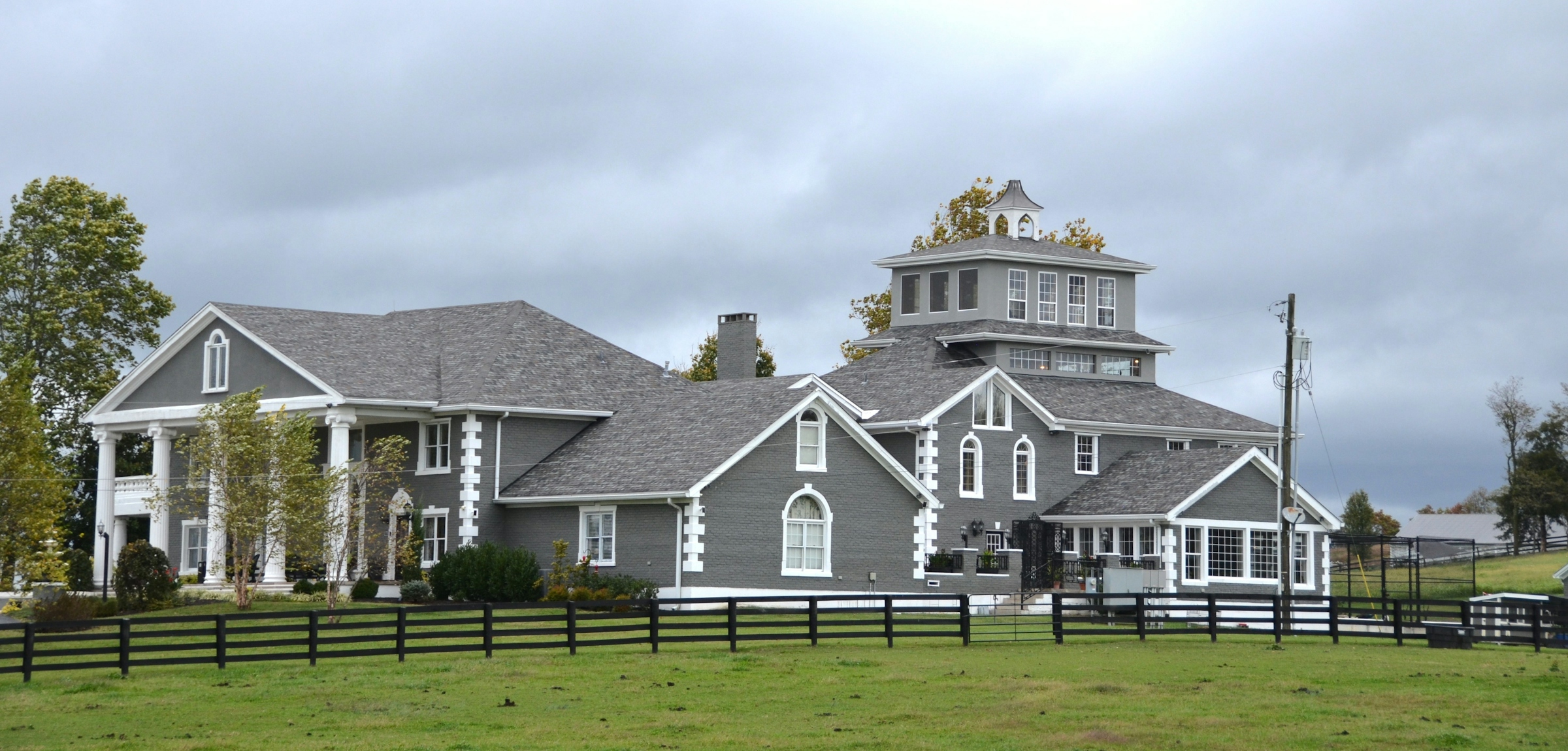
Buying a Horse Property or Small Farm Near Richmond VA: Fencing, Water and Zoning
What to verify in Goochland, Powhatan, Hanover, Louisa and Amelia before you fall for the barn
Buying a horse property or small farm near Richmond VA turns on four things that a pretty listing photo will not tell you: what the county’s agricultural zoning actually permits, whether the water supply can carry livestock through August, where a septic drainfield can legally go, and what condition the fencing and outbuildings are really in. Goochland, Powhatan, Hanover, Louisa and Amelia all have working farmland within reach of Richmond, and each county writes its own zoning ordinance, minimum acreage and land use taxation rules. Buyers searching horse property for sale near Richmond VA, small farms Goochland County, Powhatan horse farms, Hanover County land, Louisa County acreage and Virginia land use taxation should treat well yield tests, soil work, easement research and a barn inspection as non-negotiable due diligence rather than optional extras. The Mission Realty Team handles rural and equestrian purchases across these counties. Verify every zoning question with the specific county before you write an offer.
Table of Contents
The farm country west and north of Richmond is close enough to commute from and rural enough to keep horses. Goochland stretches west along Route 6 and Route 250 with Manakin-Sabot, Crozier, Oilville and Gum Spring, and its eastern end is minutes from Route 288. Powhatan sits south of the James along Route 60 and Route 711. Hanover runs north through Rockville, Montpelier and Beaverdam toward the Pamunkey and North Anna rivers. Louisa carries you further out toward Lake Anna and the Green Springs National Historic Landmark District, and Amelia sits southwest along Route 360 near the Amelia Wildlife Management Area.
Every one of those counties has its own zoning ordinance, its own health department practice on wells and septic, and its own land use taxation program. A farm purchase is really a land purchase with buildings attached, and the land questions are the ones that cost money when they go wrong. The Mission Realty Team writes rural contracts with study periods long enough to answer them, and this guide is the checklist we work from. Treat everything here as a prompt to verify with the specific county, not as a substitute for doing so.
Zoning, Minimum Acreage and Land Use Taxation
Start with the zoning district on the parcel, not with the listing description. Virginia counties write their own ordinances, and district names, minimum lot sizes, setbacks and permitted uses differ from county to county. Agricultural districts commonly allow keeping livestock, but they may also set a minimum acreage per animal unit, regulate how close a barn or manure storage area can sit to a property line or a well, require permits for structures over a certain size, and treat commercial activity very differently from personal use.
That last distinction matters enormously. Keeping four of your own horses is usually a by-right use in an agricultural district. Boarding other people’s horses, teaching lessons, running a training barn, hosting shows, operating a farm stay or holding events is often a different animal entirely, sometimes requiring a special exception or conditional use permit with a public hearing. If any part of your plan involves paying customers on the property, get a written answer from the county planning department before you go under contract.
Then look at taxes. Virginia enables localities to offer land use taxation, also called use-value assessment, which taxes qualifying agricultural, horticultural, forest or open space land on its use value rather than its market value. Participating counties set minimum acreage and production standards, require an application by a deadline, and impose roll-back taxes with interest for prior years if the qualifying use stops. If the property you are buying is currently in land use, find out whether your intended use keeps it qualified and whether you must reapply after transfer. Losing that status can change your annual tax bill substantially.
Water: Wells, Yield, Springs, Ponds and Automatic Waterers
Most farms in these counties are on private wells, and livestock changes the math. A household of three uses a fraction of what a barn with wash stall, automatic waterers and a summer pasture demands. The question is not whether the well produces water. It is whether it produces enough water in a dry August with animals on the property.
Order a well yield test, not just a water quality test. A yield test measures sustained production in gallons per minute over a period of drawdown, which tells you something a five minute faucet test cannot. Also get water quality testing for bacteria, nitrates and, in this part of Virginia, consider testing for iron, manganese, hardness and pH, all of which affect equipment and animal preference more than most buyers expect. Some loan programs impose their own well testing and setback requirements, so ask your lender early. Ask the seller for the well construction record, the depth, the casing details and any pump replacement history.
Springs and ponds are common in Goochland, Powhatan and Louisa, and they are useful but not a substitute for a well. Spring flow varies seasonally and springs can be contaminated by surface runoff. Ponds may be fine for stock water but carry their own issues: dam condition and whether the dam is a regulated impoundment, sediment, algae, fencing to keep horses out of soft banks, and winter freezing. Automatic waterers and frost-free hydrants at the barn and along fence lines make winter dramatically easier, and their presence or absence is a real cost item. Confirm how each waterer is supplied, whether the lines are buried below frost depth, and whether they are on the well or a separate cistern.
Septic, Soils and Where a Drainfield Can Legally Go
Onsite sewage systems in Virginia are regulated through the Virginia Department of Health, and rural buyers need to understand three separate documents: the permit and as-built record for the existing system, the results of a current inspection and pump-out, and whether the property has a certified reserve drainfield area for future replacement.
Soil is the controlling factor. Much of the land west and southwest of Richmond has clay-heavy soils with slow percolation, which limits conventional gravity drainfields and pushes some properties toward alternative onsite sewage systems. Alternative systems are perfectly workable but come with ongoing obligations, typically including operation and maintenance by a licensed operator on a set schedule and periodic reporting. If you are buying a property with an alternative system, budget for that service contract as a permanent line item rather than a one-time cost.
If you intend to add anything, ask about soil work before you close. A barn apartment, a guest cottage, an additional bathroom or a second dwelling all may require additional drainfield capacity, and the answer depends on soils and available area, not on how much acreage you own. Twenty acres of clay with a stream buffer can have less usable drainfield area than five acres of well-drained loam. The federal soil survey data is free to review online, and a soil scientist or engineer can evaluate specific areas during your study period.
Fencing, Barns and Outbuildings
Fencing is the largest hidden cost on most horse properties, and photographs flatter it. Walk every line. What matters is not the style but the condition of the posts at ground level, the tension and attachment of the rails or mesh, the state of gates and latches, and whether the fence is actually continuous. A four-board fence that looks handsome from the road may have rotted posts through a wet bottom, and replacing posts is most of the cost of replacing fence.
The main types you will see in these counties are painted or stained board fence, woven wire mesh often called no-climb, high-tensile smooth wire with electric, vinyl or coated board, and unfortunately barbed wire, which is common on cattle ground and generally a poor choice around horses. Cost drivers are linear footage, terrain and how much clearing is needed, corner and gate assemblies, post spacing and depth, whether the run needs electric and a charger, and access for equipment. Long straight runs on cleared level ground are far cheaper per foot than short irregular runs through brush.
On barns and outbuildings, hire an inspector who will actually go into the structures, and be realistic that many general home inspectors limit or exclude outbuildings. Look at roof age and leaks, framing and post rot at grade in pole buildings, electrical that was added by a previous owner without permits, hay storage separation and fire risk, stall size and safety, ventilation, footing and drainage in the aisle, water and hydrant condition, and whether the manure management area is sited sensibly relative to wells and property lines. Also confirm which buildings were permitted, because unpermitted structures can complicate insurance and appraisal.
Pasture, Riding Ring Footing and Land Management
Acreage is not the same as usable pasture. Subtract the house site, the barn area, driveways, wooded areas, wetlands, stream buffers, steep slopes and anything on the far side of a creek you cannot cross. What is left is what will actually carry animals. Stocking rate depends on soil, forage, rainfall and your management, and a working rule in this region is that unimproved pasture supports fewer animals per acre than new buyers expect, which is why rotational grazing and sacrifice areas matter.
Get a soil test through Virginia Cooperative Extension before you plan any improvement. Pasture in this part of Virginia is often acidic and low in phosphorus and potassium, and lime and fertilizer applied on the basis of an actual test are far cheaper than reseeding after guessing. Ask the seller what has been overseeded, when the fields were last limed, and whether there are weed problems. Also look for the signs of overgrazing that a listing photo hides: bare compacted areas around gates and waterers, mud, and erosion in traffic lanes.
If a riding ring matters to you, evaluate it as a piece of engineering rather than a rectangle of sand. Footing performance comes from the base, the drainage and the surface layer working together. Ask what the base is, whether the ring was cut and crowned or built up, whether there is a geotextile separation layer, what the surface material is and how deep, and where water goes in a heavy rain. A ring that holds water or has footing mixed into a failing base is effectively a rebuild. Also ask about dust control and whether the ring has any watering system.
Access, Easements, Road Frontage and Financing
Rural title is where the surprises live. Order the title work early and read the exceptions. Common items on farm parcels include recorded rights of way giving a neighbor access across your land, shared driveway or private road maintenance agreements, utility and pipeline easements, timber or mineral reservations, family division restrictions, and conservation easements. A conservation easement held by an organization such as the Virginia Outdoors Foundation can carry real limits on subdivision, new construction and land use, and it runs with the land regardless of who owns it. None of these are automatically bad, but you must know they exist.
Access itself deserves attention. Confirm whether the road serving the property is state maintained by VDOT or private, and if private, who maintains it and under what agreement. If you plan a new or relocated entrance onto a state road, an entrance permit with sight distance requirements is generally required. Ask about frontage, because road frontage affects both future divisibility and how much fence sits along a public road where traffic, trash and gate security become issues.
Financing a farm is different from financing a house. Conventional mortgages can work on smaller acreage with a modest outbuilding, but as acreage grows and as the value shifts toward barns, arenas and land, conventional underwriting gets harder. Farm Credit lenders serving Virginia are built for exactly this and often handle larger acreage, mixed-use properties and agricultural income more comfortably, and USDA programs may apply to eligible rural properties. Appraisal is the common bottleneck: comparable farm sales are scarce, appraisers frequently assign limited contributory value to outbuildings and indoor arenas, and a property can appraise below contract price even when the buildings are genuinely valuable. Talk to a lender experienced with farms before you write.
| Due diligence item | Who to ask | Why it can kill a deal |
|---|---|---|
| Zoning district and permitted uses | County planning department | Boarding, lessons or events may need a special permit |
| Land use taxation status | County assessor | Roll-back taxes and higher annual bills if use changes |
| Well yield and water quality | Licensed well contractor, lab | Insufficient summer yield for livestock |
| Septic permit, as-built and reserve area | Virginia Department of Health file | No room to expand or replace the drainfield |
| Soils and percolation | Soil scientist, federal soil survey | Limits additional bathrooms, cottages or apartments |
| Fencing condition and footage | Fence contractor walkthrough | Full replacement is a major unbudgeted cost |
| Barn and outbuilding condition | Inspector who covers outbuildings | Roofs, post rot and unpermitted electrical |
| Easements and access | Title company, VDOT | Shared roads, rights of way, conservation restrictions |
Frequently Asked Questions About Buying Horse Property Near Richmond VA
How many acres do you need for a horse in Virginia?
There is no single statewide number, and the practical answer depends on your soil, your forage and how much you are willing to feed hay. Many owners plan on somewhere in the range of one to two acres of good pasture per horse for grazing that actually contributes to the diet, and less if you accept a dry lot and feed year round. What matters legally is separate: some counties set minimum acreage per animal or minimum lot sizes in agricultural districts, so confirm the requirement with the specific county rather than relying on a rule of thumb.
Which counties near Richmond VA are best for horse property?
Goochland, Powhatan, Hanover, Louisa and Amelia are the five where our buyers most often end up. Goochland offers the shortest commute to Richmond’s western suburbs and the strongest concentration of established equestrian properties. Powhatan gives you similar rural character south of the James along the Route 60 corridor. Hanover works well for buyers oriented north toward Ashland and the Pamunkey area, while Louisa and Amelia offer more acreage for the money at the cost of a longer drive. Each county has its own zoning ordinance, so verify use questions locally.
What is land use taxation in Virginia and how does it work?
Land use taxation, or use-value assessment, lets participating Virginia localities tax qualifying agricultural, horticultural, forest or open space land based on its use value rather than its full market value, which usually lowers the annual bill considerably. Counties that offer it set minimum acreage and production or management standards and require a timely application, and enrollment does not transfer automatically just because you bought the land. If the qualifying use stops, the locality can assess roll-back taxes for prior years plus interest. Confirm the current status and the reapplication requirement with the county assessor before closing.
Can I board horses or give lessons on agricultural land in Virginia?
Sometimes by right and sometimes only with a special exception or conditional use permit, and it varies by county and by district. Keeping your own animals is generally permitted in an agricultural district, but commercial equestrian activity involving paying clients, lessons, training, shows or events is often treated as a separate use with its own approval process, parking and setback requirements. Because that approval can involve a public hearing and is not guaranteed, get a written determination from the county planning department before you buy a property for a business.
How do I test a well before buying a farm?
Order both a yield test and a water quality test, and treat them as separate items. A yield test measures sustained production in gallons per minute during drawdown, which tells you whether the well can support a household plus livestock in a dry month. Water quality testing should cover bacteria and nitrates at minimum, and in this region it is worth adding iron, manganese, hardness and pH because they affect plumbing, waterers and animal preference. Also ask for the well construction record, total depth, casing information and pump replacement history.
What kind of fencing is best for horses in Virginia?
The safest common choices are board fence, woven wire mesh often sold as no-climb, and high-tensile smooth wire used with electric, while barbed wire is widely considered a poor choice around horses. Selection usually comes down to budget, maintenance tolerance and appearance, since board fence looks best and demands the most upkeep while mesh is safe and durable but costs more upfront. Whatever the style, the real evaluation is condition: posts at ground level, gate assemblies, tension and continuity. Post replacement is most of the cost of a fence rebuild.
What does it cost to fence a small farm near Richmond?
We will not quote a per-foot number because it moves with material prices and site conditions, and any figure would mislead you. What we can tell you is what drives the price: total linear footage, fence type, terrain and clearing, the number of corner and gate assemblies, post depth and spacing, whether electric and a charger are included, and equipment access. Long straight runs on cleared level ground cost far less per foot than short irregular runs through brush. Get two or three contractor bids during your study period and negotiate on real numbers.
Do I need a septic inspection when buying rural property in Virginia?
Yes, and you should also pull the health department file on the parcel. You want the original permit and as-built drawing showing where the tank and drainfield actually sit, a current inspection and pump-out, and confirmation of whether a certified reserve drainfield area exists for eventual replacement. If the property has an alternative onsite sewage system rather than a conventional gravity system, budget for the ongoing operation and maintenance obligations that come with it. Any plan to add bathrooms, a cottage or a barn apartment depends on soils and available area, not on total acreage.
Can I get a regular mortgage on a horse farm?
Sometimes, and it depends on acreage, the ratio of land and outbuilding value to house value, and whether the property has any commercial use. Conventional financing often works on smaller acreage with a modest barn, but as land and equestrian improvements carry more of the value, conventional underwriting becomes difficult. Farm Credit lenders serving Virginia are structured for agricultural and larger acreage properties, and USDA programs may apply on eligible rural parcels. Speak with a lender experienced in farm lending before you write an offer, not after.
Why do horse properties have trouble appraising?
Because there are few genuinely comparable sales and because appraisers often assign limited contributory value to specialized improvements. An indoor arena, a twelve stall barn, run-in sheds and extensive fencing may have cost a great deal and may be exactly what you want, yet contribute far less to appraised value than the owner expects. Add scarce comparables across a wide rural area and a valuation can land below contract price even on a well-built farm. Plan in advance for how you would handle a shortfall, and make sure your contract protects you.
What easements should I look for when buying land near Richmond?
Read every exception on the title commitment rather than assuming the survey tells the whole story. The common ones on farm parcels are recorded rights of way allowing a neighbor to cross your land, shared driveway or private road maintenance agreements, utility and pipeline easements, timber or mineral reservations, and conservation easements. A conservation easement held by a body such as the Virginia Outdoors Foundation can restrict subdivision and new construction permanently and runs with the land. Have your closing attorney explain any recorded restriction before your study period expires.
Is the road to the property state maintained or private?
You need to know, because the answer affects snow removal, grading, repairs, school bus service and sometimes financing. VDOT maintains most secondary roads in Virginia counties, but many farms are served by private drives or shared private roads that are entirely the owners’ responsibility. If the road is private, ask for the written maintenance agreement and the actual recent history of who has paid for what. If you plan a new entrance onto a state road, an entrance permit with sight distance requirements will generally be required.
How long should my study period be on a farm purchase?
Longer than on a house, because you have more to verify and more third parties to schedule. A rural contract needs room for a general inspection, a separate outbuilding evaluation, well yield and water quality testing, septic inspection and health department file review, soil work if you plan to add anything, fence and roof bids, zoning confirmation and full title review with easement analysis. Several of those require appointments that are not available on short notice. The Mission Realty Team writes rural offers with study periods sized to complete this list rather than to look aggressive to a seller.
Looking for Land or a Horse Farm Near Richmond?
The Mission Realty Team handles rural and equestrian purchases in Goochland, Powhatan, Hanover, Louisa and Amelia, and we build the well, septic, soil, fence and zoning verification into the contract instead of hoping for the best. Call us at (804) 601-4960 or stop by 3701 Cox Rd, Richmond VA 23233 to talk through a specific property.