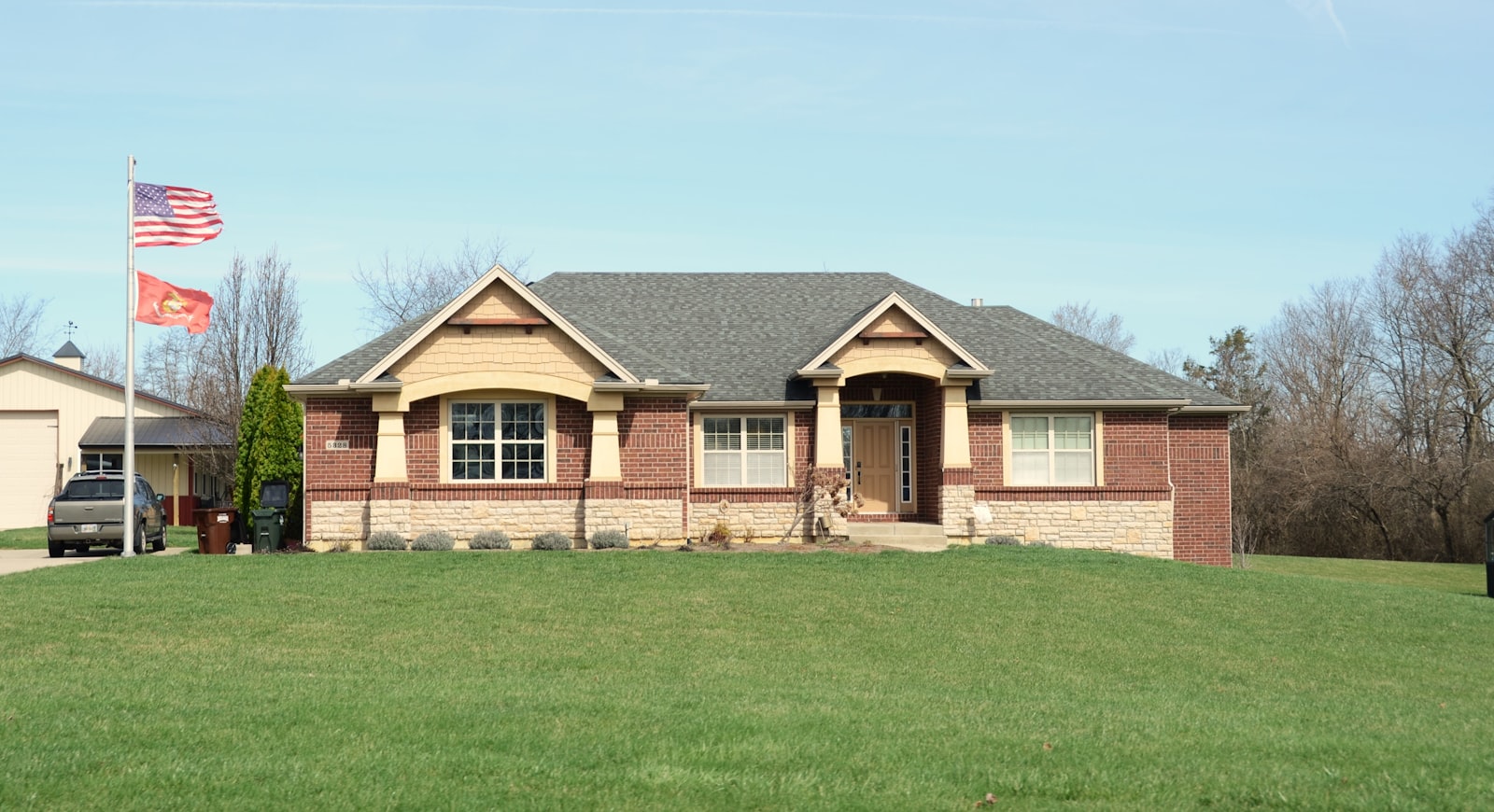
Is Now a Good Time to Buy a House in Richmond VA?
An honest look at the 2026 data, not just optimism
For most buyers with stable jobs and a plan to stay 5+ years, yes, now is a reasonably good time to buy in Richmond VA, since inventory has loosened to a more balanced 2.8 months of supply, price growth has slowed to a modest 3-4% annually, and mortgage rates around 6.4-6.8% have stabilized rather than continuing to climb. It’s not a great time for short-term flippers or buyers hoping for a crash, since Richmond’s fundamentals remain solid with steady job growth and population inflow. The honest answer depends heavily on your personal timeline, savings, and job stability more than on trying to perfectly time the market. This guide covers current inventory levels, price trends, mortgage rate context, rent-versus-buy math, and what local data actually shows about Richmond’s 2026 market.
Table of Contents
Whether now is a good time to buy a house in Richmond VA depends on your personal financial situation more than on macro market timing, but the data suggests conditions are reasonably favorable for buyers with stable income and a longer-term outlook. Richmond’s housing supply sits at about 2.8 months as of mid-2026, up from under 2 months a few years ago, giving buyers more selection and negotiating room than during the frenzied 2021-2022 period.
Home price growth in the Richmond metro has cooled to roughly 3-4% year-over-year, a far cry from the double-digit spikes seen a few years ago, and mortgage rates have largely stabilized in the mid-6% range after peaking higher in prior years. Neither of these trends points to an imminent crash or a runaway seller’s market, which is exactly the kind of environment where buyers can make decisions based on their own needs rather than panic.
This guide breaks down the actual numbers behind Richmond’s 2026 market, plus honest guidance on who should buy now and who might be better off waiting.
What Does Richmond’s Current Housing Inventory Actually Show?
Richmond had approximately 2.8 months of housing supply as of early-to-mid 2026, according to Central Virginia Regional MLS data, which is generally considered a balanced market, neither strongly favoring buyers nor sellers. This is a notable shift from 2021-2022, when inventory dropped below 1 month in many periods, fueling intense bidding wars.
More inventory means buyers today generally have more homes to choose from and less pressure to waive contingencies like inspections just to compete. That said, well-priced homes in desirable neighborhoods like Woodland Heights, Bellevue, and Scott’s Addition still move quickly, often within 10-14 days.
New construction has also added meaningfully to inventory in outer areas like Chesterfield, Hanover, and Goochland, giving buyers who are open to newer builds more options than in past years when resale inventory was the primary source of supply.
Where Do Richmond Home Prices Actually Stand Right Now?
The median home price in the Richmond metro is approximately $365,000 as of mid-2026, reflecting year-over-year growth of roughly 3-4%, a significant slowdown from the double-digit annual increases seen during the pandemic-era boom. This more moderate pace suggests the market has found a sustainable rhythm rather than an unsustainable spike.
Price trends vary by area. Neighborhoods with strong walkability and proximity to downtown employers, like Scott’s Addition and Museum District, have seen faster appreciation, while some outer suburban areas have seen flatter or more modest growth as new construction adds supply.
Historically, Richmond has been less volatile than many Sun Belt markets that saw sharp price corrections after 2022, largely because Richmond’s growth was driven more by steady job and population gains than speculative investment activity.
What’s Happening With Mortgage Rates in 2026, and How Does It Affect Richmond Buyers?
Mortgage rates for a 30-year fixed loan have stabilized in the 6.4-6.8% range through much of 2026, down from peaks seen in prior years but still notably higher than the sub-3% rates of 2020-2021. Most economists and housing analysts don’t expect a return to those historic lows anytime soon.
For Richmond buyers, this rate environment means monthly payments are higher than they would have been a few years ago on the same home price, but it also means less competition from buyers who were previously willing to overpay to lock in low rates. Many buyers who waited for rates to drop dramatically have instead adjusted expectations and moved forward with purchases.
Buydown options, both temporary and permanent rate buydowns, have become more common in Richmond transactions, sometimes negotiated as part of a seller concession, which can meaningfully soften the impact of current rates on your monthly payment.
Is It Cheaper to Rent or Buy in Richmond Right Now?
On a pure monthly cash-flow basis, renting is often cheaper than buying in Richmond right now, with average one-bedroom rents around $1,500 a month compared to a typical mortgage payment of $2,300-$2,600 on a median-priced home with 10% down. However, this comparison misses the equity-building and tax benefits that come with ownership over time.
Over a 5-7 year holding period, buying often comes out ahead financially in Richmond given historical appreciation trends and the fact that rent payments build no equity. Buyers planning to stay less than 3-4 years should weigh transaction costs, including closing costs and potential agent commissions, more carefully against likely appreciation.
Renters who’ve been priced out of homeownership by rising rents, which have climbed steadily across Richmond’s most desirable neighborhoods, are increasingly finding that a fixed mortgage payment offers more long-term predictability than rent that can increase annually.
Who Should Consider Waiting to Buy a House in Richmond?
Buyers with unstable employment, insufficient emergency savings, or credit scores below 580 should generally focus on shoring up their financial foundation before entering Richmond’s market, regardless of current conditions. Buying before you’re financially ready rarely pays off, even in a buyer-friendly market.
Those planning to relocate again within 2-3 years should also think carefully, since transaction costs on both the purchase and eventual sale can eat into any equity gained over a short holding period, especially if the market cools further in a specific neighborhood.
Buyers hoping for a significant price crash in Richmond specifically should understand that current data doesn’t strongly support that scenario, given the region’s steady job growth and continued population inflow, unlike some markets with more speculative pricing history.
Who Should Consider Buying Now in Richmond?
Buyers with stable income, a solid emergency fund, and plans to stay in the Richmond area for at least 5 years are generally well-positioned to buy now, given the combination of moderate price growth, more balanced inventory, and rate stability compared to the volatility of recent years.
First-time buyers using FHA, VA, or Virginia Housing down payment assistance programs may find current conditions particularly workable, since less competition than the 2021-2022 frenzy means more room to negotiate seller concessions or repair credits.
Buyers currently renting in Richmond’s higher-cost neighborhoods, where rent increases have been steady, may find that locking in a fixed mortgage payment now provides better long-term financial predictability than continuing to rent indefinitely.
| Market Factor | 2021-2022 Peak | Mid-2026 |
|---|---|---|
| Months of inventory | Under 1 month | ~2.8 months |
| Year-over-year price growth | 10-15%+ | 3-4% |
| Average 30-year mortgage rate | 3-5% | 6.4-6.8% |
| Median days on market | 7-10 days | ~28 days |
| Typical offers per listing | 5-10+ | 1-3 |
Frequently Asked Questions About Timing a Richmond Home Purchase
Will home prices in Richmond drop in 2026?
Current data doesn’t point to a significant price drop in Richmond, since the market is supported by steady job growth and population inflow rather than speculative buying. Most forecasts suggest continued modest appreciation of 3-4% annually rather than a decline. However, real estate markets can shift, so it’s worth monitoring local trends if you’re on the fence.
Should I wait for mortgage rates to drop before buying in Richmond?
Waiting for rates to drop significantly is a gamble, since most forecasts don’t predict a return to the historic lows seen in 2020-2021. If rates do drop, you can refinance later, but you’ll have already started building equity and locking in today’s home prices. Many buyers who waited for lower rates in recent years ended up paying more due to price appreciation in the meantime.
Is Richmond in a buyer’s market or seller’s market right now?
Richmond is roughly balanced right now, with about 2.8 months of inventory, which is close to the 3-6 month range typically considered neutral between buyers and sellers. Certain hot neighborhoods still favor sellers, while some higher price points or less popular areas may favor buyers. It’s more accurate to think of Richmond as having micro-markets rather than one uniform condition.
How do I know if I’m financially ready to buy a house in Richmond?
You’re generally ready if you have stable income, a credit score that qualifies for reasonable rates, 3-6 months of expenses saved beyond your down payment, and manageable existing debt. A pre-approval conversation with a local lender is the clearest way to confirm readiness. Financial readiness matters more than trying to time the broader market perfectly.
What happens to Richmond home prices if a recession hits in 2026?
Historically, Richmond’s diverse economy, anchored by healthcare, government, and finance, has been somewhat more resilient during downturns than markets dependent on a single industry. That said, a significant recession could soften demand and slow price growth further. It’s impossible to predict with certainty, which is why personal financial readiness matters more than trying to forecast a recession’s timing.
Are there more homes for sale in Richmond now than a few years ago?
Yes, inventory has grown from under 1 month of supply during the 2021-2022 peak to around 2.8 months in mid-2026, giving buyers meaningfully more options. This shift is partly due to new construction and partly due to some sellers finally listing homes they held onto during the frenzy. More inventory generally means more negotiating power for buyers.
Is it better to buy in spring or fall in Richmond?
Spring typically brings the most inventory and the most competition, while fall and winter often have fewer listings but also less competitive bidding, sometimes leading to better negotiating leverage. Serious sellers in fall and winter tend to be more motivated, which can work in a buyer’s favor. There’s no universally “best” season, it depends on whether you prioritize selection or negotiating power.
How does Richmond’s market compare to the national housing market in 2026?
Richmond has generally tracked more moderately than national trends, avoiding both the sharpest price spikes and the steepest corrections seen in some Sun Belt and West Coast markets. This relative stability is often attributed to Richmond’s diverse job base and steady, rather than explosive, population growth. Local conditions matter more than national headlines when deciding your specific timing.
Should first-time buyers wait or buy now in Richmond?
Many first-time buyers benefit from current conditions, since less competition than 2021-2022 combined with continued access to FHA, VA, and Virginia Housing assistance programs creates a workable entry point. Waiting indefinitely for a hypothetical better market carries its own risk, including continued rent increases and potential price appreciation. The right choice depends on individual financial readiness more than market timing.
What Richmond neighborhoods are seeing the most buyer activity right now?
Scott’s Addition, Museum District, Woodland Heights, and parts of Chesterfield near Midlothian Turnpike continue to see strong buyer interest in 2026. These areas combine walkability, reasonable pricing, or strong school access, which keeps demand steady even in a more balanced overall market. Homes in these areas still often receive offers within 10-14 days of listing.
Can I still get a good deal negotiating in Richmond’s 2026 market?
Yes, more than in recent years, since increased inventory has given buyers more leverage to negotiate on price, closing costs, or repair credits, especially outside the most competitive neighborhoods. Homes that have been on the market longer than 30-45 days are often more open to negotiation. A knowledgeable local agent can help identify where negotiating room genuinely exists.
What indicators should I watch to know if it’s a good time to buy in Richmond?
Key indicators include months of housing supply, year-over-year price trends, average days on market, and mortgage rate trends, all of which are tracked by Central Virginia Regional MLS and major rate indexes. Watching these over a few months gives a clearer picture than a single data point. A local agent or lender can help interpret what these numbers mean for your specific situation.
How can the Mission Realty Team help me decide if now is the right time to buy?
The Mission Realty Team can walk you through current local data, including inventory levels and pricing trends in your specific target neighborhoods, to help you make an informed decision rather than guessing based on national headlines. They provide honest guidance rather than pressure to buy immediately if the timing isn’t right for your situation. A no-obligation conversation can clarify whether your personal circumstances align with current market conditions.
Wondering If the Timing Is Right for You?
The Mission Realty Team can walk you through Richmond’s current data and help you decide honestly whether now fits your specific situation. Reach out to the Mission Realty Team for a straightforward conversation about your Richmond home buying timeline.