Boston to Richmond VA Move Planning: Schools, Commute Times, and Moving Logistics
What Boston transplants need to know about moving to Richmond, Virginia in 2026
Moving to Richmond VA from Boston typically cuts your overall cost of living by 30-40%, with median home prices roughly $400,000 lower than the Boston metro. Richmond’s cost of living index sits near the national average, commutes average under 25 minutes, and the climate is noticeably milder in winter, though summers run hotter and more humid than New England. For Boston professionals in healthcare, finance, education, and tech, Richmond offers a growing job market anchored by Capital One, VCU Health, Bon Secours, Markel, and a fast-expanding biotech and data-center corridor, plus walkable, historic neighborhoods that feel familiar to anyone leaving Beacon Hill, Somerville, or Jamaica Plain. This guide from the Mission Realty Team breaks down exactly what a Boston-to-Richmond move means for your budget, your commute, your kids’ schools, and your day-to-day lifestyle.
Table of Contents
If you’re relocating to Richmond VA from Boston, the single biggest shift you’ll feel is in your monthly budget. Boston is consistently ranked among the five most expensive metro areas in the country, with a cost of living index that runs 50-65% above the national average, driven largely by housing. Richmond, by contrast, sits right around the national average, which means the same salary that barely covers a one-bedroom in Somerville can comfortably fund a three or four-bedroom single-family home in Richmond’s West End or Chesterfield County.
Beyond the numbers, Boston transplants tend to ask the same handful of questions: will I find walkable, historic neighborhoods like the ones I’m leaving, can I keep my career moving in healthcare or finance, and how different is a Virginia summer really going to feel after New England winters. The short answers are yes, yes, and considerably more humid, but with milder winters that more than balance it out over the full year.
This guide from the Mission Realty Team is built specifically for Boston-area movers, covering cost of living deltas, neighborhood matches for people leaving Cambridge, Brookline, or the North Shore, climate and lifestyle adjustments, the local job market for healthcare, finance, and education professionals, school quality, and the practical logistics of an 8-9 hour interstate move. Our team works with Boston relocators every month and has tailored this breakdown around the questions we hear most often.
Cost of Living: Boston vs. Richmond
The cost of living gap between Boston and Richmond is the number one driver behind this relocation trend. Boston’s overall cost of living index runs approximately 150-160 (national average = 100), while Richmond sits at roughly 97-100, essentially at the national baseline. Housing is where the difference is most dramatic: the median home price in the Boston metro is approximately $780,000-$850,000, compared to roughly $375,000-$400,000 in the Richmond metro area. That’s a difference of $400,000 or more for a comparable single-family home.
Rent tells a similar story. A one-bedroom apartment in Boston proper averages $2,800-$3,200 per month, while a comparable unit in Richmond runs $1,300-$1,600. Groceries, utilities, and healthcare costs in Richmond also trend 10-20% below Boston. Virginia’s state income tax (a flat top rate around 5.75%) is comparable to Massachusetts’ 5% flat rate, so the real savings come from housing, not tax policy. For a household earning $120,000 a year, the Mission Realty Team estimates Boston-to-Richmond movers typically see $1,500-$2,500 in additional monthly purchasing power once housing costs are accounted for.
Best Neighborhoods for Boston Newcomers
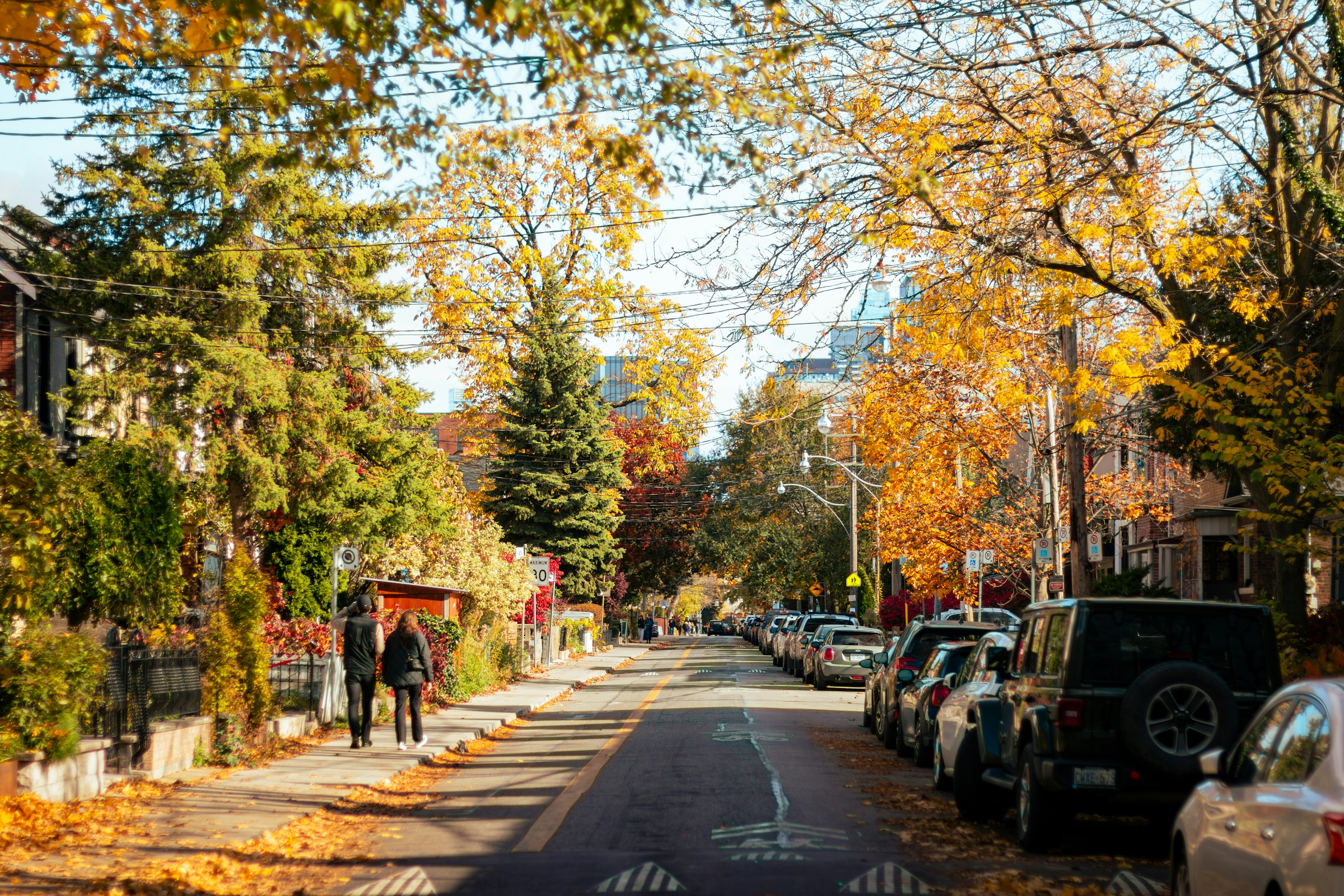
Boston transplants tend to gravitate toward Richmond neighborhoods that echo the walkability and historic character of areas like Beacon Hill, Jamaica Plain, or Somerville. The Fan and Museum District top that list: tree-lined streets, Victorian rowhouses, and a dense concentration of coffee shops, restaurants, and independent bookstores within walking distance, all inside the city limits and close to VCU and downtown employers.
Church Hill offers a similar historic feel with some of Richmond’s oldest architecture and sweeping skyline views, at a lower price point than The Fan. For those who want more space and area schools without sacrificing a sense of community, the West End (Short Pump, Wyndham, and Innsbrook) and Henrico County broadly are popular with families, offering suburban lots, cul-de-sacs, and excellent public schools reminiscent of towns like Needham or Lexington outside Boston. Chesterfield County to the south is another strong match for buyers coming from suburban Massachusetts towns who want new construction and larger square footage for less.
Climate & Lifestyle Differences
Winters are the most welcome change for most Boston movers. Richmond averages around 12-14 inches of snow per year, compared to Boston’s 45-50 inches, and Richmond’s average January high is around 50°F versus Boston’s mid-30s. Nor’easters, multi-week deep freezes, and shoveling out your car are largely a thing of the past.
Summers are the tradeoff. Richmond runs hot and humid from June through September, with highs regularly in the low-to-mid 90s and a heat index that can feel oppressive without air conditioning, considerably more intense than Boston’s milder, ocean-tempered summers. Most Richmond homes are built with central air as standard, and life shifts toward early morning outdoor activity, shaded parks along the James River, and lake or river days rather than beach weekends. Speaking of water, Richmond doesn’t have Boston’s coastline, but the James River running directly through downtown offers whitewater rapids, kayaking, and riverside trails that many former Bostonians say they use more than they ever used the harbor.
Job Market & Commute Times
Richmond’s economy has grown steadily around the same sectors that dominate Boston’s job market, just at a smaller and more affordable scale. Healthcare is a major employer through VCU Health and Bon Secours Richmond Health System, both of which regularly recruit clinicians and administrators leaving Boston’s hospital networks. Finance and insurance are anchored by Capital One’s massive Richmond campus and Markel Corporation, making this a natural landing spot for Boston-area finance professionals. Richmond is also seeing rapid growth in data centers and tech infrastructure along the I-95 corridor, plus a strong higher-education base through VCU and University of Richmond for academics and administrators.
Commute times are dramatically shorter. The average one-way commute in the Boston metro is around 32 minutes, and considerably longer for anyone dealing with the Pike, 93, or the T during peak hours. In Richmond, the average commute is closer to 23-24 minutes, and most of the metro area is accessible within a 25-minute drive of downtown, even during rush hour. Remote and hybrid workers relocating from Boston’s finance and tech sectors often tell the Mission Realty Team that Richmond’s central location on I-95, roughly two hours from Washington D.C. and under an hour from Charlottesville, makes it easy to stay connected to bigger-city clients while living at a fraction of the cost.
Schools & Education
Families leaving the Boston suburbs for their school districts will find comparable options in Henrico and Chesterfield counties, both of which include multiple nationally ranked public high schools, strong AP and IB programs, and well-funded elementary schools. Henrico’s West End schools (Deep Run, Godwin) and Chesterfield’s Midlothian-area schools consistently rank among Virginia’s top performers, similar in caliber to strong Massachusetts suburban districts like Lexington or Winchester, though with noticeably lower property taxes funding them.
Richmond also has a robust private school scene for families who prioritized independent schools in the Boston area, including Collegiate School, St. Catherine’s, and St. Christopher’s, along with Trinity Episcopal and several Montessori and Catholic options. For higher education, VCU and University of Richmond anchor the local academic community, and Richmond’s proximity to William & Mary and UVA (both under 90 minutes away) keeps in-state options open for college-bound kids.
Moving Logistics: Boston to Richmond
The drive from Boston to Richmond is approximately 560-580 miles, roughly 9-10 hours by car via I-95 South, making this a straightforward one or two-day drive for anyone relocating with a car rather than shipping it. For those flying instead, Richmond International Airport (RIC) has direct or one-stop connections to Boston Logan on multiple carriers.
Full-service interstate moves along this corridor typically run $4,000-$9,000 for a three-to-four-bedroom household, depending on the season; summer months (June-August) are peak moving season and command higher rates, so booking 6-8 weeks ahead is strongly recommended. Virginia does not require a vehicle safety inspection at the moment of registration in most cases, but new residents do need to register their vehicle and obtain a Virginia driver’s license within 30 days of establishing residency. Because Richmond’s housing market moves quickly relative to Boston’s, especially in sought-after West End and Fan zip codes, the Mission Realty Team recommends getting pre-approved and starting your home search 60-90 days before your target move date, and considering a short-term rental if your Boston home sale timeline doesn’t line up perfectly with a Richmond purchase.
| Metric | Boston, MA | Richmond, VA |
|---|---|---|
| Median Home Price | ~$780,000-$850,000 | ~$375,000-$400,000 |
| Cost of Living Index | ~150-160 | ~97-100 |
| Average 1BR Rent | ~$2,800-$3,200/mo | ~$1,300-$1,600/mo |
| Average Commute Time | ~32 minutes | ~23-24 minutes |
| Average January High | ~36°F | ~50°F |
| Average Annual Snowfall | ~45-50 inches | ~12-14 inches |
| Average Summer High (July) | ~82°F | ~89-90°F |
| State Income Tax (top rate) | ~5% flat | ~5.75% top bracket |
Frequently Asked Questions About Moving to Richmond VA from Boston
Is it cheaper to live in Richmond VA than Boston?
Yes, Richmond is dramatically cheaper than Boston, with an overall cost of living index roughly 50-60% lower. The biggest driver is housing: median home prices in Richmond run about $400,000 less than in the Boston metro. Rent, groceries, and healthcare costs also trend 10-20% below Boston averages. The Mission Realty Team regularly helps Boston clients calculate exactly how far their equity will stretch in Richmond.
How far is Richmond VA from Boston?
Richmond is approximately 560-580 miles from Boston, or roughly a 9-10 hour drive via I-95 South. Direct flights and one-stop connections are also available between Boston Logan and Richmond International Airport (RIC). Many movers choose to drive down over one or two days rather than fly, especially when transporting a vehicle themselves.
What is the housing market like in Richmond compared to Boston?
Richmond’s housing market is significantly more affordable and less competitive than Boston’s, though it still moves quickly in popular neighborhoods. Median home prices sit around $375,000-$400,000 compared to $780,000-$850,000 in Boston. Buyers coming from Boston often find they can afford considerably more space, a yard, and updated finishes for the same or lower monthly payment. The Mission Realty Team recommends getting pre-approved before house hunting since desirable Richmond zip codes can still see multiple offers.
What neighborhoods in Richmond are best for people moving from Boston?
The Fan, Museum District, and Church Hill are the closest matches to Boston’s walkable, historic neighborhoods like Beacon Hill or Jamaica Plain. Families wanting suburban space and top schools tend to prefer Henrico’s West End or Chesterfield County. Both offer a similar sense of community to Boston-area suburbs at a fraction of the cost.
Are winters milder in Richmond than in Boston?
Yes, Richmond winters are substantially milder than Boston’s. Richmond averages 12-14 inches of snow annually compared to Boston’s 45-50 inches, and January highs average around 50°F versus the mid-30s in Boston. Most Boston transplants say winter is the single biggest lifestyle improvement after moving.
Are summers hotter in Richmond than in Boston?
Yes, Richmond summers run hotter and considerably more humid than Boston’s ocean-moderated summers. July highs average around 89-90°F in Richmond compared to roughly 82°F in Boston, with a heat index that can feel more intense due to humidity. Central air conditioning is standard in nearly all Richmond homes to manage the heat.
What is the job market like in Richmond for healthcare and finance professionals?
Richmond has a strong and growing job market in both sectors, anchored by VCU Health and Bon Secours in healthcare and Capital One and Markel Corporation in finance and insurance. These employers regularly recruit professionals relocating from larger metro areas like Boston. The Mission Realty Team works with many clients transferring into these exact industries.
How long is the commute in Richmond compared to Boston?
Richmond’s average one-way commute is about 23-24 minutes, compared to roughly 32 minutes in the Boston metro, and Richmond traffic is far lighter even during peak hours. Most of the metro area is within a 25-minute drive of downtown. This is a common relief point for Boston transplants used to navigating the Pike, Route 93, or MBTA delays.
Are Richmond schools as good as Boston-area schools?
Richmond’s suburban school districts, particularly in Henrico and Chesterfield counties, are well-established and comparable to strong Massachusetts suburban districts. Schools like Deep Run and Godwin in Henrico consistently rank among Virginia’s best. Richmond also has respected private school options including Collegiate School and St. Catherine’s for families seeking independent schools.
Does Richmond have an income tax like Massachusetts?
Yes, Virginia has a state income tax with a top marginal rate of about 5.75%, similar to Massachusetts’ roughly 5% flat rate. The real financial benefit of moving from Boston to Richmond comes primarily from lower housing costs, not from a difference in state income tax. Overall take-home savings still tend to be substantial once housing is factored in.
What is there to do in Richmond for people used to Boston’s culture scene?
Richmond has a genuinely vibrant arts, dining, and outdoor scene, including the Virginia Museum of Fine Arts, a nationally recognized craft brewery and restaurant scene, and the James River running directly through downtown for kayaking and hiking. It’s a smaller city than Boston, but many former Boston residents say Richmond’s arts and food scene punches well above its size. The Mission Realty Team can point new residents toward the neighborhoods with the most walkable access to this scene.
How much does it cost to move from Boston to Richmond?
Full-service moves for a three-to-four-bedroom household typically run $4,000-$9,000, depending on the season and how much you’re moving. Summer months are peak season and cost more, so booking movers 6-8 weeks in advance is recommended. DIY truck rentals or hybrid pod-based moves can lower costs significantly for smaller households.
Do I need to change my driver’s license and register my car in Virginia?
Yes, new Virginia residents are generally required to obtain a Virginia driver’s license and register their vehicle within 30 days of establishing residency. This is one of the first administrative steps to handle after your move. Virginia’s DMV process is generally straightforward, and most new residents complete it within a single visit.
Is Richmond a good fit for remote workers relocating from Boston?
Yes, Richmond has become popular with remote and hybrid workers who want to keep Boston-level salaries while living at a much lower cost. Its location on I-95, about two hours from Washington D.C., makes it easy to stay connected for occasional in-person meetings. Fast broadband and a growing coffee-shop and co-working scene in neighborhoods like The Fan and Scott’s Addition support remote work well.
Ready to Make the Move from Boston to Richmond?
The Mission Realty Team has helped dozens of Boston-area families and professionals relocate to Richmond, from finding the right neighborhood match to navigating financing and closing from out of state. Reach out to the Mission Realty Team today for a personalized relocation consultation and a curated list of Richmond homes that fit your budget and lifestyle.