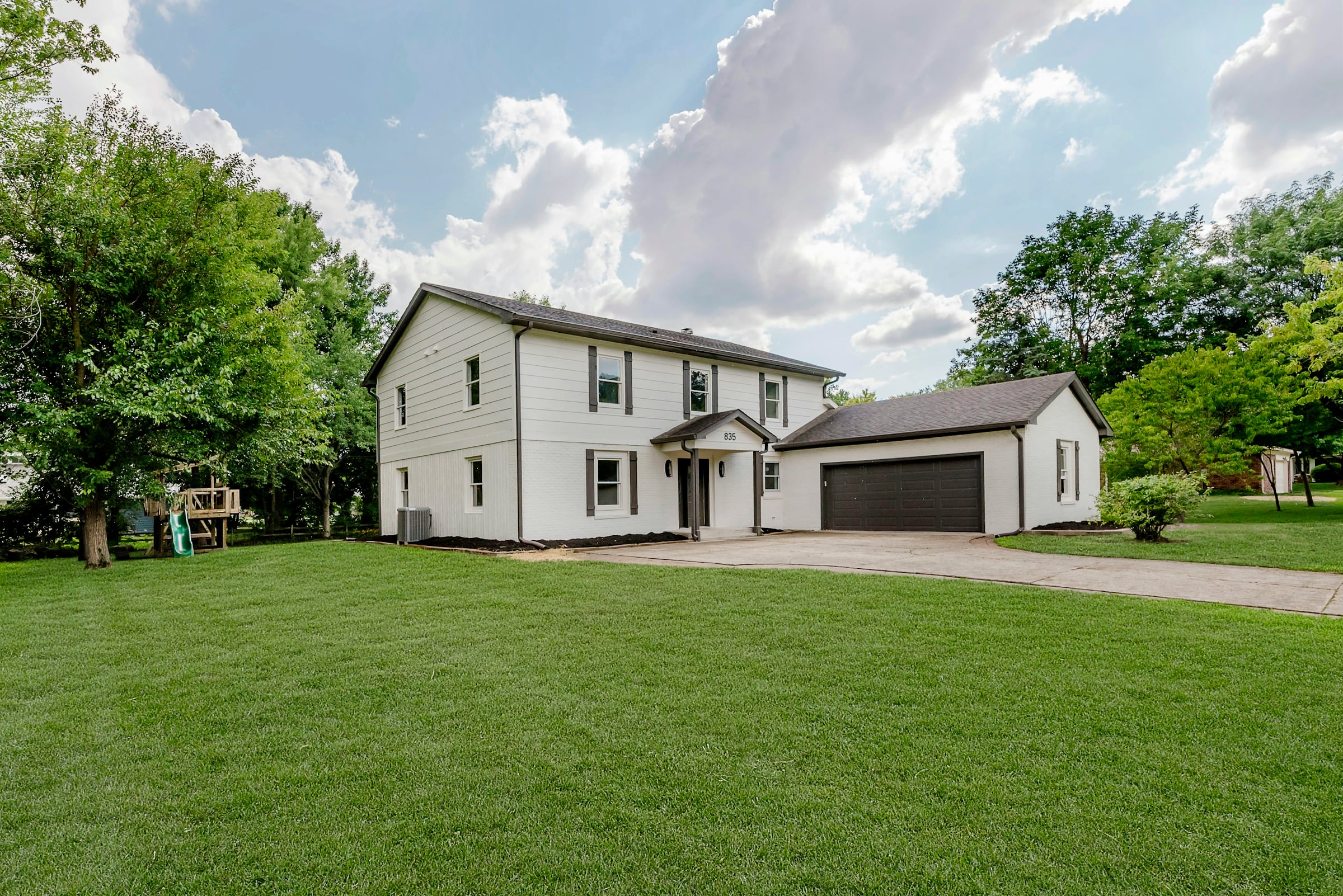
Why Your Richmond VA Home Isn’t Selling in 2026: 8 Reasons That Have Nothing to Do With Price
Before you cut the price again, rule out the eight problems that quietly kill listings
If your Richmond VA home is not selling, the cause is often not the price. The eight most common non-price reasons are weak photography, a listing description that says nothing, showing restrictions that make the house hard to see, smells and pet evidence, clutter and heavy personalization, visible deferred maintenance that makes buyers assume worse, poor curb appeal, and unresolved title or permit problems. The ninth possibility is that your agent is not actually marketing the property. Sellers searching why isn’t my house selling, my home has no showings, house not selling but priced right, how to fix a stale listing, and Richmond VA home not selling should work through the list below before authorizing another price reduction, because a price cut on a badly presented listing usually just produces a lower sale on the same bad listing. The Mission Realty Team does honest listing audits for homes that have stalled.
Table of Contents
- Weak Photography
- A Listing Description That Says Nothing
- Showing Access That Frustrates Buyers
- Smells, Pets, Clutter and Over-Personalization
- Deferred Maintenance That Signals Bigger Problems
- Curb Appeal and the Drive-Up Test
- Unresolved Title, Permit and Paperwork Problems
- Your Agent Is Not Actually Marketing It
- Frequently Asked Questions
When a listing sits, the first suggestion almost always is a price reduction. Sometimes that is correct. But a price cut is an expensive way to solve a problem you have not diagnosed, and it is permanent – once you reduce, you have signaled something to every buyer and agent watching, and you cannot un-signal it.
Before you reduce, it is worth separating the two failure modes. If your listing is getting plenty of showings but no offers, the house is being seen and rejected, which points to condition, presentation or genuine price resistance. If your listing is getting almost no showings at all, buyers are rejecting it online before they ever get in the car, which points to photos, description, access or curb appeal. Those are completely different problems, and the number of showings tells you which one you have.
The Mission Realty Team lists homes across the City of Richmond, Henrico, Chesterfield, Goochland, Hanover and Powhatan, and we get called regularly to look at properties that have stalled with another brokerage. What follows is the actual diagnostic list, in the order we work through it. None of these items require a market statistic to evaluate. You can check every one of them yourself this afternoon.
Weak Photography
This is the number one non-price killer, and it is the easiest to verify: pull up your listing on your phone the way a buyer would. If the first photo is dark, crooked, shot from a doorway, or shows a bathroom, you have a photography problem. Buyers scroll fast. A listing gets a few seconds to earn a click, and blurry or dim images lose that contest to a neighbor’s listing that had a professional shoot.
Specific failures we see constantly in Richmond: interior shots taken with the blinds closed, which makes bright rooms look like caves; wide-angle distortion so severe that a normal bedroom looks like a fisheye; no exterior shot in decent light; no photo of the backyard; twelve photos when the house needed thirty; and photos taken in a different season than the current one, so a listing running in August shows bare trees and dead grass. Older city homes with original woodwork, heart pine floors and high ceilings suffer worst from bad light, because the detail buyers would pay for simply disappears.
The fix is not complicated. Hire a real estate photographer, shoot on a bright day, open every blind, turn on every light, remove cars from the driveway, and get a full set including the yard and the street. Floor plans help more than most sellers expect, because they answer the layout question buyers cannot get from photos.
A Listing Description That Says Nothing
Read your own description out loud. If it is a list of adjectives – charming, stunning, must see, won’t last – it is doing no work. Buyers and their agents use descriptions to answer specific questions, and generic praise answers none of them. Worse, search filters and buyer alerts often surface listings on concrete features, so a description that omits the detached garage, the finished basement, the new roof or the primary bedroom on the first floor is hiding your own selling points.
A description that works names things: the year the HVAC was replaced, whether the home is on public sewer or septic, when the kitchen was renovated, that there is a fenced backyard, that the property backs to woods rather than another house. In the Richmond area it should also place the home – walking distance to Forest Hill Park, a few blocks off MacArthur Avenue, minutes to I-64 or I-295, near Innsbrook or the West Creek corridor. Location context sells here because the metro is so segmented.
Also check the listing data itself, not just the prose. Wrong square footage, wrong bedroom count, missing basement designation, wrong year built, unchecked boxes for a garage or fireplace – all of these quietly remove your home from buyer searches. A house that never appears in the right filtered search never gets shown.
Showing Access That Frustrates Buyers
This one is invisible to sellers, because you never hear about the showing that did not happen. If your instructions require 24 hours notice, restrict showings to weekday afternoons, require the listing agent to be present, or say “call seller first,” you have made your house harder to see than the six others on that buyer’s Saturday tour. Buyers do not fight for access. They just see the other houses.
Occupied homes with children, pets, shift workers or someone working from home create genuine scheduling difficulty, and we do not pretend otherwise. But every restriction has a cost measured in showings you never learn about. Two hours notice is workable. Twenty-four is a filter. Weekend blackouts during peak touring hours are close to fatal.
Practical fixes: use a lockbox with electronic access, widen your windows even if it means going to a coffee shop, allow same-day requests, and if you have pets, build a routine that lets you clear them quickly rather than declining. If your schedule genuinely cannot flex, an intense two-week window of maximum availability at the start of the listing beats months of restricted access.
Smells, Pets, Clutter and Over-Personalization
Smell is the one thing photographs cannot convey and no buyer forgets. Pet odor, smoke, litter boxes, cooking smells, mildew from a damp Richmond crawl space, and the musty note that older basements develop in humid weather all register within three seconds of the front door opening. Sellers genuinely cannot smell their own homes – this is a well-documented feature of human olfaction, not a failure of character – which is why you need an outside opinion. Ask a blunt friend who does not live there.
Air freshener makes it worse, because buyers read a strong scent as concealment. The actual fixes are physical: professional carpet cleaning or removal, hard-surface floor cleaning, laundering soft goods, cleaning HVAC ducts and replacing filters, addressing crawl space moisture with a vapor barrier and dehumidification, and removing litter boxes and pet bedding from the house entirely during the listing period. Visible pet evidence matters too, because some buyers assume damage the moment they see a crate and scratched door frames.
Clutter and personalization are the quieter version of the same problem. Full closets read as inadequate storage, oversized furniture makes rooms read small, and dense photo walls, collections and children’s names painted on bedroom walls pull the buyer out of imagining their own life in the space. You need roughly a third of your belongings offsite, clear horizontal surfaces, and closets that look half empty.
Deferred Maintenance That Signals Bigger Problems
Buyers are not appraisers, they are pattern-matchers. A visibly failing item does not cost you the price of the repair – it costs you the buyer’s confidence in everything they cannot see. A stained ceiling makes a buyer assume the roof leaks now. A cracked pane, a dripping faucet, a sagging gutter, a torn screen and a burnt-out bulb individually cost very little, and collectively they tell a buyer this house has not been cared for. From there, every unknown gets priced pessimistically.
In Richmond’s housing stock, certain signals carry extra weight. Peeling paint on trim and sills on pre-1978 homes raises lead-paint concerns. Efflorescence or staining on basement and crawl space walls raises water concerns. Wood-destroying insect damage on sill plates matters in a region where termite and moisture inspections are routine and required for some loan types.
The right approach is triage, not renovation. Fix everything cheap and visible – caulk, paint touch-up, gutters, hardware, bulbs, screens, grout, a running toilet. Then get honest quotes on the two or three real items and decide whether to repair, credit or disclose. A pre-listing inspection is worth considering on an older home specifically so you control the narrative instead of reacting to a buyer’s inspector.
Curb Appeal and the Drive-Up Test
A meaningful number of buyers drive by before they schedule, and some cancel the appointment from the curb. This is more common than sellers believe, and it happens in the first fifteen seconds. If the shrubs are overgrown past the windows, the mulch is gray, the front door paint is chalky, the house numbers are missing, there are three trash bins visible and the lawn is patchy, buyers conclude the inside will match.
Richmond’s climate makes this a moving target. Heat and humidity from June through September brown out lawns and explode weeds; spring pollen coats everything in yellow; and the region’s heavy clay soil holds water and grows moss on north-facing walkways and steps. That means curb appeal here is maintenance, not a one-time project. A house listed in July needs different attention than the same house listed in April.
The high-return items are boringly consistent: cut back overgrown shrubs so windows are visible, edge the beds and add fresh mulch, pressure wash siding and walkways, paint or thoroughly clean the front door, put up clean visible house numbers, add two simple planters, keep the lawn mowed for the entire listing period, and hide trash bins, hoses and yard tools. Also look up – sagging gutters and a moss-covered roof section read as neglect from the street.
Unresolved Title, Permit and Paperwork Problems
Some listings are not failing to attract buyers, they are failing to close them, and this is where that happens. If your home has an unpermitted addition, a finished basement or converted garage with no permit record, an unreleased deed of trust in the land records from a loan you paid off years ago, an old judgment or mechanic’s lien, an unclear boundary, a shared driveway with no recorded easement, or an heirship or estate issue in the chain of title, buyers and their lenders will eventually find it.
These problems have a distinctive symptom: you get offers, and then they fall apart during the contingency period. Word travels among agents too, so a property that has fallen out of contract twice becomes harder to sell than the same property with a clean history. In Virginia, land records are recorded with the Clerk of the Circuit Court in your locality and are public, so a buyer’s title work will surface anything of record.
Unpermitted work is the most common version in the Richmond area. Finished basements, enclosed porches, decks, garage conversions and additions done without permits create appraisal, insurance and financing problems, and in some cases the square footage cannot be counted at all. Pull the permit history from your locality’s building department before you list, and if there is a gap, talk to your agent and a Virginia real estate attorney about retroactive permitting versus disclosure. The Mission Realty Team would rather surface this in week one than lose a contract in week nine.
Your Agent Is Not Actually Marketing It
This is uncomfortable to write as a brokerage, but it is real, and a seller has every right to evaluate it. Listing a property involves work after the sign goes in the yard: professional photography and often video, complete and accurate data entry into the multiple listing service, syndication to the major portals, a property page, social distribution, email to the brokerage’s buyer database, agent-to-agent outreach, open houses where they make sense, and periodic reporting to you with actual numbers.
The honest test is documentation. Ask your agent for the marketing they have done, the number of online views, the number of showing requests versus completed showings, the feedback received, and what they recommend changing this week. A good agent answers all of that in one email and has already been thinking about it. If the answer is vague, or the only recommendation you have ever received is to reduce the price, that is information.
Also check whether your listing is being refreshed. Photos taken in a different season, a description never updated after you replaced the roof, and no change in presentation after 60 quiet days all suggest a listing on autopilot. If you are unhappy with your listing agreement, read its termination provisions and have a direct conversation. The Mission Realty Team gives second opinions on stalled listings at no cost, and we will tell you honestly if the problem actually is the price.
| Reason | Symptom you will notice | First thing to do |
|---|---|---|
| Weak photography | Very few showings despite online views | Reshoot with a real estate photographer |
| Empty listing description | Wrong buyers touring, right buyers absent | Rewrite with specifics; audit the data fields |
| Restrictive showing access | Showing requests far exceed completed showings | Lockbox, shorter notice, wider windows |
| Smells, pets, clutter | Short showings, feedback mentions “condition” | Deep clean, storage unit, remove pet items |
| Deferred maintenance | Lowball offers, repair-heavy negotiations | Fix all cheap visible items; quote the big ones |
| Poor curb appeal | Appointments canceled on arrival | Trim, mulch, pressure wash, paint the door |
| Title or permit problems | Contracts fall through in the contingency period | Pull permit history; check land records |
| Agent not marketing | No reporting, only advice is to cut price | Request documentation; get a second opinion |
Frequently Asked Questions About a Home That Is Not Selling in Richmond VA
Why is my house not selling even though it is priced right?
Usually because something other than price is stopping buyers, and the number of showings tells you which. If you are getting showings but no offers, the problem is condition, presentation or genuine value resistance once buyers are inside. If you are getting almost no showings, buyers are rejecting the listing online, which points to photography, the description, showing restrictions or curb appeal. Work through those before reducing, because a price cut on a poorly presented listing tends to produce a lower sale on the same poorly presented listing.
How many showings should a listing get before I worry?
There is no universal number, so measure the trend rather than a target. What matters is whether showing activity is steady, declining or essentially absent, and whether showing requests are being converted into completed appointments. A listing generating requests that never become showings has an access problem. A listing generating no requests at all has a presentation or search-visibility problem. Ask your agent for both numbers weekly rather than relying on impressions.
Do professional photos really make a difference when selling a house?
Yes, and it is the highest-leverage change most sellers can make. Buyers scroll listings on phones and decide within a few seconds whether to click, and dark, crooked or heavily distorted photos lose that competition to a professionally shot listing on the same street. Professional photography also captures the features buyers actually pay for in Richmond’s older homes, such as original woodwork, heart pine floors and high ceilings, which disappear entirely in poor light. Add a floor plan if you can, because layout is the question photos answer worst.
Should I reduce the price or take my house off the market?
Consider withdrawing temporarily only if you have real work to do and a plan to do it quickly. Taking a listing off the market to reshoot photos, complete repairs, declutter and fix access problems can be smarter than reducing the price on an unchanged listing. A withdrawal without changes accomplishes nothing and wastes weeks. Discuss the mechanics with your agent first, because how long a listing is off the market can affect how it appears when it returns.
Can bad smells really stop a house from selling?
Yes, and smell is the one thing photographs cannot warn a buyer about, so it lands as a surprise at the front door. Pet odor, smoke, mildew from a damp crawl space and cooking smells register within seconds and are remembered long after the tour. Sellers genuinely cannot detect odors in their own homes, so you need a candid outside opinion rather than your own judgment. Fix the source physically with cleaning, carpet treatment or removal, duct service, and crawl space moisture control, and do not rely on air freshener, which buyers read as concealment.
How much should I declutter before listing my home?
Aim to have roughly a third of your belongings out of the house and every closet looking about half empty. Clear horizontal surfaces, remove oversized furniture that makes rooms read small, and take down dense family photo displays, collections and anything that identifies the occupants. The goal is not a sterile house but a space a buyer can imagine as theirs, with visibly adequate storage. A short-term storage unit for the listing period is one of the cheapest and highest-return expenses in a home sale.
Do showing restrictions really hurt my chances of selling?
Significantly, and the damage is invisible to you because you never hear about the showing that was never requested. Requirements like 24 hours notice, weekday-only windows, listing agent present, or “call seller first” push your home to the bottom of a buyer’s Saturday tour list. Buyers rarely fight for access; they simply see the other houses. If your schedule cannot flex much, ask your agent for the ratio of showing requests to completed showings, because a large gap is direct evidence that access is your bottleneck.
What repairs should I make before selling in Richmond VA?
Fix everything that is cheap and visible first, then get quotes on the two or three genuinely expensive items and decide between repairing, crediting or disclosing. Cheap and visible means caulk, paint touch-up, gutters, door hardware, light bulbs, torn screens, running toilets and grout. Expensive items in Richmond’s housing stock commonly include roof age, HVAC replacement, crawl space moisture, sewer lines in older neighborhoods and electrical service capacity. On an older home, a pre-listing inspection is often worth the cost because it lets you control the conversation instead of reacting to a buyer’s inspector.
How important is curb appeal when selling a house?
Important enough that some buyers cancel from the curb without ever going inside. The first fifteen seconds of a drive-by set expectations for the interior, and overgrown shrubs, gray mulch, a chalky front door, missing house numbers and visible trash bins all suggest the inside will match. Richmond’s climate makes this ongoing work rather than a one-time project, since summer heat browns lawns, spring pollen coats everything and clay soil grows moss on shaded walkways. Trim, edge, mulch, pressure wash, clean or repaint the front door and keep the lawn maintained for the entire listing period.
What happens if my house has unpermitted work?
Unpermitted work can create appraisal, insurance and financing problems, and in some cases the affected square footage cannot be counted toward the home’s size. Finished basements, enclosed porches, decks, garage conversions and additions are the common versions in the Richmond area. Find out before you list by pulling the permit history from your locality’s building department, then talk with your agent and a Virginia real estate attorney about whether retroactive permitting or disclosure is the better path. Discovering this in week one is far cheaper than losing a contract in week nine.
Why do my contracts keep falling through?
Repeated contract failures usually point to something discovered during the contingency period rather than to price. The common culprits are inspection findings, appraisal shortfalls, buyer financing collapse, and title or permit problems such as an unreleased deed of trust, an old lien, an unclear boundary or unpermitted work. Each failure also makes the next buyer more cautious, because agents notice a property that has come back on the market twice. Rather than reducing the price again, identify and resolve the specific cause, and consider a pre-listing inspection and a title review.
How do I know if my real estate agent is actually marketing my home?
Ask for documentation and see whether it arrives easily. A listing agent should be able to show you the photography and video produced, complete and accurate multiple listing service data, portal syndication, online view counts, showing requests versus completed showings, feedback received, open house activity and a specific recommendation for the coming week. If the reporting is vague or the only recommendation you have ever received is a price cut, that is meaningful information. The Mission Realty Team provides second opinions on stalled listings and will tell you honestly if the problem really is price.
Should I get a pre-listing inspection before selling?
On an older home, usually yes, because it converts surprises into decisions you control. A pre-listing inspection tells you what a buyer’s inspector will find, lets you repair the items worth repairing, and lets you price and disclose the rest deliberately instead of renegotiating under time pressure. It is especially worthwhile on pre-1970 Richmond housing where roof age, crawl space moisture, sewer lines, wiring and original plumbing are common findings. Discuss disclosure obligations with your agent, since anything you learn generally has to be handled honestly going forward.
Does staging help sell a home faster?
Staging helps most when a home is vacant, oddly laid out, or furnished in a way that fights the space. An empty house gives buyers no sense of scale, and rooms with awkward proportions benefit enormously from furniture that shows how they work. For an occupied home in decent shape, a consultation plus decluttering and rearranging what you already own often accomplishes most of the benefit at a fraction of the cost. Ask your agent whether full staging, partial staging or a consultation makes sense for your specific property.
How long does it usually take to sell a house in Richmond VA?
It varies widely by neighborhood, price band, condition and season, so any single number would be misleading. What we can say is that well-presented, accessible homes in desirable close-in neighborhoods generally move faster than homes needing work or sitting in less-searched areas, and that the same house can perform very differently in April than in December. For current timelines in your specific neighborhood and price range, contact the Mission Realty Team at (804) 601-4960 and we will pull live data rather than quote a figure that will be stale next month.
Is Your Richmond Listing Stalled?
The Mission Realty Team will audit your photography, description, listing data, showing access, curb appeal and paperwork and tell you exactly what we would change – including whether the problem really is price. Call us at (804) 601-4960 or reach out today for a free stalled-listing review. We are at 3701 Cox Rd, Richmond VA 23233.