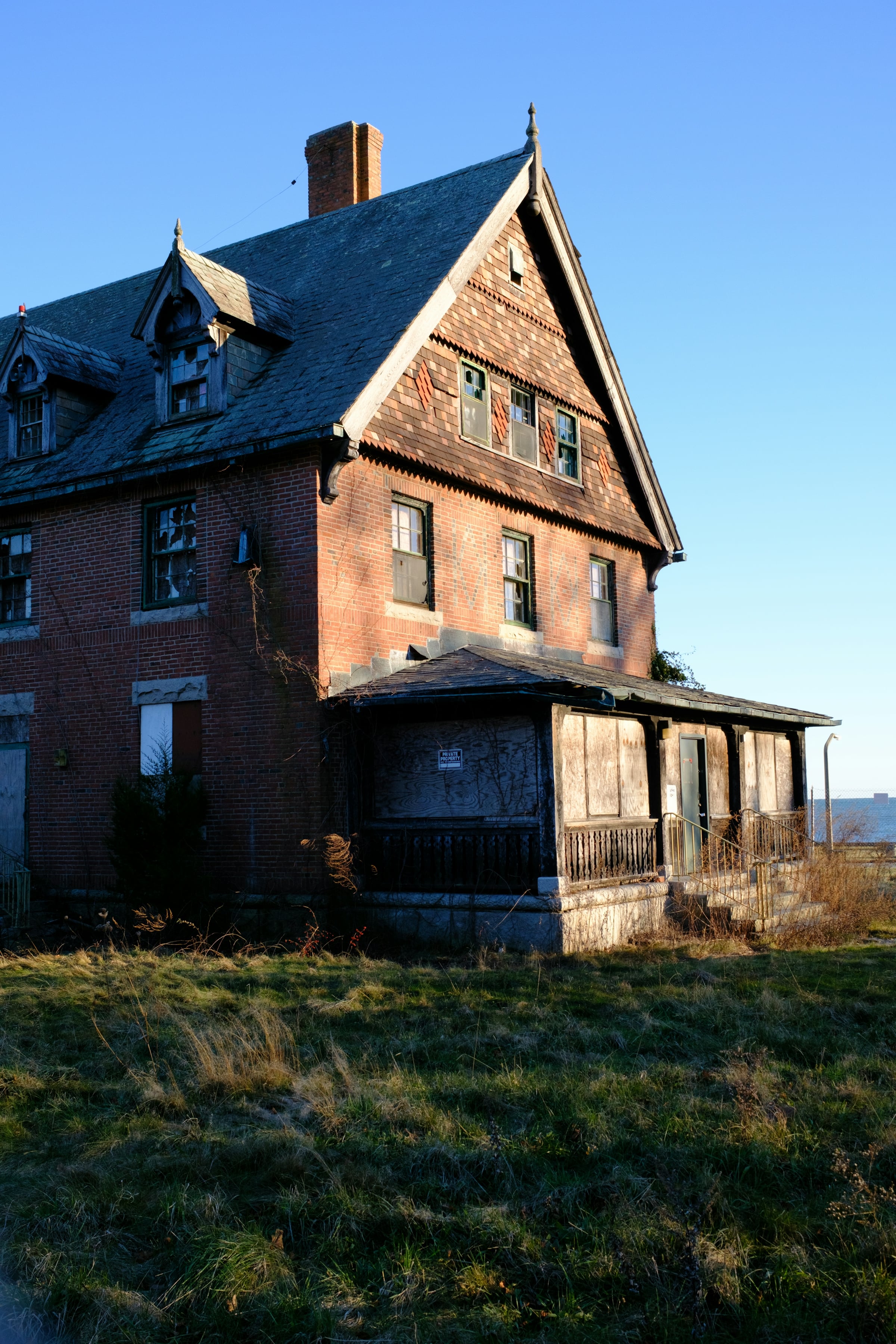
Nobody publishes a renovation-return dataset for Richmond neighborhoods. The MLS tables do not track permits, scope of work or what a kitchen redo added to a sale price, so any list claiming to rank neighborhoods by renovation payoff is guessing. This roundup does something narrower. It picks eight places where the housing stock is largely older, where the rules for changing a house are easy to look up, and where a project is at least plausible, then tells you which public records to check before you offer.
How the list is ordered: grouped by locality (the City of Richmond, then Henrico County, then Chesterfield County) and alphabetical inside each group. It is not a ranking. We call a place “older” when its own community page or our mid-century homes guide describes pre-1975 development. We cannot give you a neighborhood-level price here, because the free tables only publish locality-wide medians (below).
August 2026 single-family medians, locality-wide (not neighborhood figures)
| Locality (county or city level) | Closed sales | Median sales price | Days on market | Months of supply |
|---|---|---|---|---|
| City of Richmond | 163 | $403,500 (-5.3% year over year) | 26 | 1.4 |
| Henrico County | 229 | $425,000 (+7.9%) | 18 | 1.6 |
| Chesterfield County | 372 | $453,975 (+0.9%) | 22 | 1.9 |
Source: Central Virginia Regional MLS, via the Richmond Association of REALTORS housing reports and the August 2026 sortable table, current as of 10 September 2026. Every row covers the whole locality, newer subdivisions included, so none of these numbers describes the older neighborhoods named below. [DATA NEEDED: median price per square foot, August 2026, by area. Not published in the free sortable tables.]
What “older with room to add value” means in practice
Two public facts do most of the work. First, who has to approve the change. Inside the City of Richmond, the Commission of Architectural Review (CAR) reviews exterior changes to structures within the city’s Old and Historic Districts and issues Certificates of Appropriateness. The commission dates to 1957 and decides generally by the Secretary of the Interior’s Standards for Rehabilitation and the city’s Old and Historic Districts Handbook and Design Review Guidelines, adopted in 1999. Its district map page lists Church Hill North, St. John’s Church, Chimborazo Park, Jackson Ward, Monument Avenue and others. If a house sits inside one, windows, siding, porches and additions are not a weekend decision. Our guide to buying a historic home goes deeper on that cost.
Second, which office issues the permit. In Henrico, the Permit Center handles residential building permits for renovations, additions, decks, porches and garages, and says most walk-in permits for residential additions can be issued in an hour and a half or less. Two exceptions matter to older properties: sites without public water or sewer, and two-story additions, both of which get engineer review. In Chesterfield, the county’s permits page lists building, electrical, gas, mechanical and plumbing permits separately, and its Real Estate Assessment Data tool lets you pull a parcel record before you bid. Inside the City of Richmond, check the CAR page above for historic-district status, then the city’s online permit portal linked from it.
City of Richmond
Church Hill
Our community page calls Church Hill one of Richmond’s oldest neighborhoods, with historic homes and city-skyline views. It is also the clearest case of the rule above: the CAR’s own list includes the Church Hill North, St. John’s Church and Chimborazo Park districts. Confirm the exact parcel against the city’s interactive district map before you assume anything. If the house is inside a district, the question is not whether you can renovate but how much of the plan survives review, and the commission publishes an administrative-approvals list for smaller work.
Wrong for: anyone planning to replace original windows, change siding or rebuild a porch quickly and cheaply.
North Side
Our page describes North Side as a collection of historic neighborhoods with classic architecture and tree-lined streets. The CAR district list does not name a North Side district, but a few blocks can carry a different overlay, so check the parcel rather than the neighborhood name. Older stock plus the City of Richmond’s median sitting below both counties’ ($403,500 against $425,000 in Henrico and $453,975 in Chesterfield) makes the city a reasonable place to start, though that gap is locality-wide, not a North Side figure.
Wrong for: buyers who need a turnkey house, since age here usually means wiring, plumbing and roof questions your inspector should price.
Stratford Hills
Our mid-century guide says much of Stratford Hills was built in the 1950s and 1960s and was annexed by the city in 1970. Expect brick ranches and split-levels on wooded, hilly lots. This is not a historic-district pick, so the rules are ordinary city permitting, and ranch floor plans tend to be good candidates for opening up a kitchen.
Wrong for: buyers who want a flat lot for an addition. Slopes add foundation and drainage cost.
Westover Hills
Per our mid-century guide, Westover Hills developed from the 1920s into the 1950s, so one block can mix cottages, Tudor-influenced houses and post-war ranches. The mix means condition varies house by house more than it does in a single-era subdivision, which is both the opportunity and the risk.
Wrong for: buyers who want a predictable scope. Check each year built individually.
Henrico County
Highland Springs
Our community page calls Highland Springs a historic community in eastern Henrico known for classic architecture, with the airport and downtown nearby. Our mid-century guide dates its housing to the early 1900s onward. Henrico’s median ($425,000) is county-level and says little about this community specifically, so pull recent sold comparables on our recently sold page before deciding what a renovated version is worth.
Wrong for: buyers who need a shopping district within a few minutes.
Lakeside
Lakeside’s page mentions vintage homes, and our mid-century guide describes a large stock of post-war brick ranches and Cape Cods built from the late 1940s into the 1960s, with Lewis Ginter Botanical Garden nearby. Footprints are compact, so the usual project is a kitchen or bath update or a rear addition under Henrico’s residential permit process.
Wrong for: buyers who need 2,500 square feet or a big garage without adding on.
Tuckahoe
Per our mid-century guide, large parts of Tuckahoe were subdivided in the 1950s and 1960s, with brick ranches and split-levels on generous lots. Renovation here is already heavy, so you are often competing with builders who want the lot. The upside is room for additions; the cost is that purchase prices are high enough that the renovation budget has less slack.
Wrong for: first-time buyers who need the purchase price to leave a large renovation reserve.
Chesterfield County
Bon Air
Our page says Bon Air began as a resort destination in the late 1800s, and our mid-century guide describes post-war rings of ranches and split-levels around the historic core on lots often larger and more wooded than comparable city lots. Chesterfield issues building, electrical, plumbing and mechanical permits separately, so a whole-house update means several permits, and the county’s assessment tool shows lot size and year built up front.
Wrong for: buyers who want to walk to restaurants and shops; most of Bon Air is car-dependent.
Want these eight areas watched for you?
Ask us to set up a saved search for Church Hill, North Side, Stratford Hills, Westover Hills, Highland Springs, Lakeside, Tuckahoe and Bon Air, filtered to older homes, or browse all current listings yourself.
How to pay for the work before you commit
Older houses often need the money to arrive with the mortgage. Our comparison of FHA 203(k) and HomeStyle renovation loans covers the two products that fold repairs into the purchase loan. If you already own, the tradeoffs in HELOC versus home equity loan apply. A lender conversation early helps; see our preferred lenders page and the mortgage calculator for rough numbers.
Before you offer on anything built before 1975, read our fixer-upper buyer guide, then price two known problem areas. One is original wiring: old electrical panels can be an insurance and safety issue. The other is the structure: a wood-destroying insect report matters on crawl-space houses. For the contractors, tile and paint trades, start with our local Richmond vendors page.
Who this list is wrong for
If you want a renovation with a predictable return, no neighborhood in this article can promise one, because the data does not exist. If your timeline is tight, historic-district review in the city can slow exterior work. If you are buying with less than a few months of cash reserve after closing, an older house is a risk that a lower purchase price does not erase. You can also browse the City of Richmond, Henrico County and Chesterfield County hubs for other older areas.
Same eight neighborhoods, same offer
Tell us your budget and project size and we will set up a saved search across these eight neighborhoods, then you can compare what comes up on our listings page.
Renovation buyer questions
Is there data on which Richmond neighborhoods give the best return on a renovation?
Not that we can source. The free CVR MLS tables report closed sales, days on market, median price and months of supply by locality, with no permit or scope-of-work fields. Compare recent sold listings of renovated and unrenovated houses on the same street instead.
How do I find out if a Richmond house is in a historic district?
The City of Richmond’s Commission of Architectural Review page links an interactive map of the city’s Old and Historic Districts and individual district maps. Check the specific parcel, and ask the CAR secretary before you plan exterior changes.
Do Henrico and Chesterfield have historic-district review like the city?
This article only verified the City of Richmond’s CAR process. For a specific property in Henrico or Chesterfield, ask the county’s planning office whether any overlay or review applies, in addition to building permits.
How fast can I get a residential addition permit in Henrico?
Henrico’s Permit Center says most walk-in residential addition permits can be issued within one and a half hours or less. Sites without public water or sewer and two-story additions need engineer review and take longer.
Which permits does a Chesterfield renovation usually need?
The county lists building construction, electrical, gas, mechanical and plumbing permits as separate items, so a kitchen and bath remodel can involve several. Confirm with the county before work starts.
Is the City of Richmond cheaper than Henrico or Chesterfield for a fixer-upper?
The August 2026 locality-wide single-family median was $403,500 in the City of Richmond, $425,000 in Henrico and $453,975 in Chesterfield. Those are all-home medians, not figures for older houses or any one neighborhood.
Can I finance renovation costs into my mortgage?
Yes, with renovation loan products such as FHA 203(k) and Fannie Mae HomeStyle, which our comparison guide explains. If you already own, a HELOC or home equity loan is the other route.
What should an inspector check first in an older Richmond house?
Ask for attention to the electrical panel and wiring, the roof, the crawl space and any wood-destroying insect evidence. Those are the items most likely to change your renovation budget.