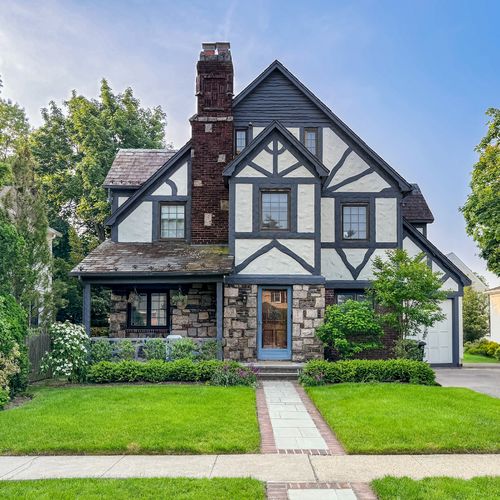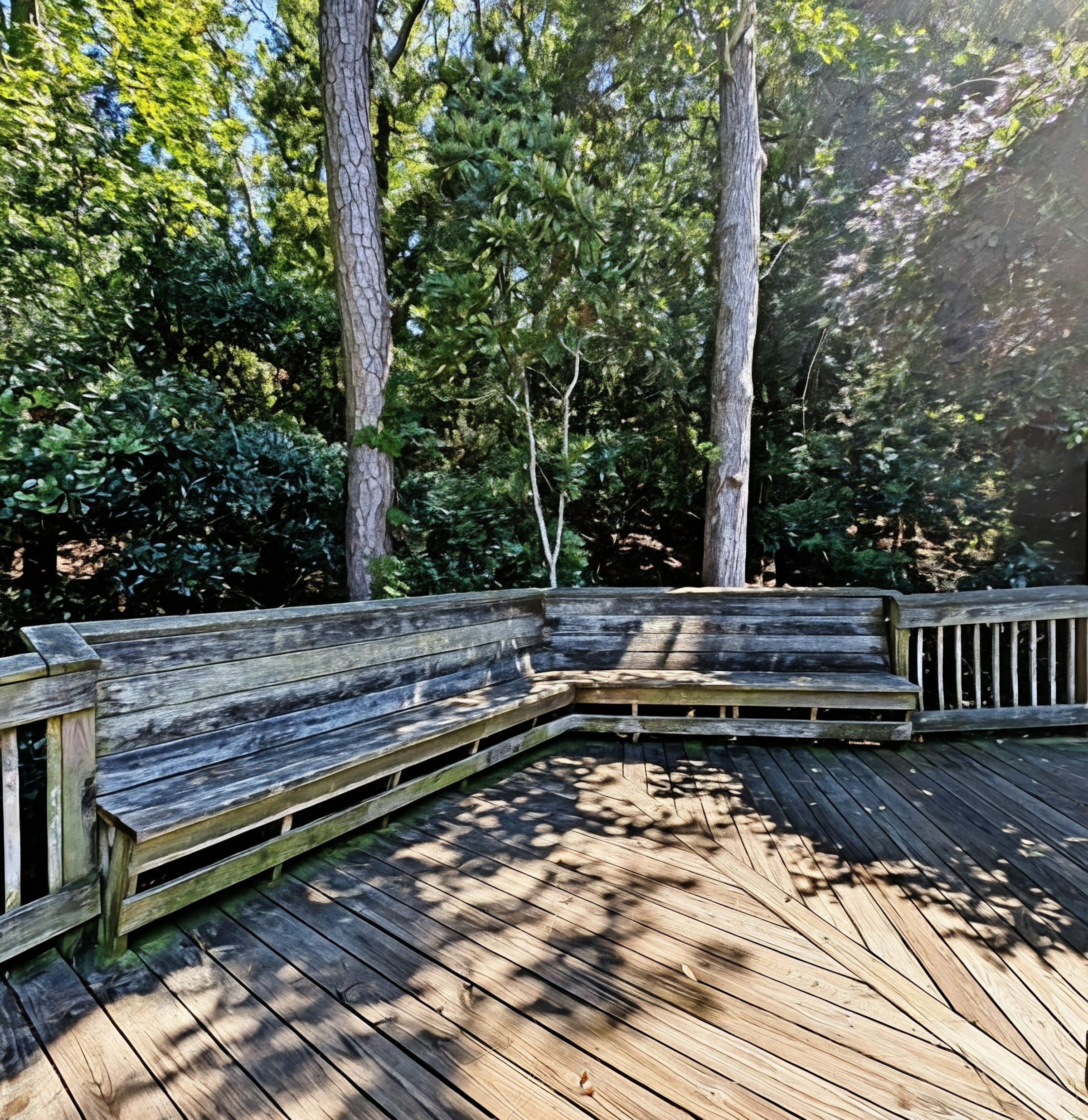
A buyer in Midlothian can walk into a house with a wooded back lot and a creek at the edge of the yard, and nothing in the listing will say that the strip of land nearest the water has special rules. Those rules come from the Chesapeake Bay Preservation Act, and they decide whether you can add a deck, grade a slope, take down a tree or put in a dock. This guide explains what the rules say, how to find out whether a specific parcel is affected before your inspection period runs out, and what to ask the county. It does not tell you that any particular Midlothian street has a buffer, because we have not checked individual parcels and no list of them is published; the county’s map is where you check.
Why a Midlothian address falls under a Bay Act program
The Chesapeake Bay Preservation Act is a Virginia law, and § 62.1-44.15:68 of the Code of Virginia lists the counties and cities that make up Tidewater Virginia for its purposes. Chesterfield, Henrico and Hanover counties are on that list, and so is the City of Richmond. Goochland and Powhatan counties are not. Chesterfield County describes its program on its own Chesapeake Bay Preservation Areas page, which says the county implements the state’s 1988 act through local ordinances.
The practical consequence is geographic. You do not need to be near the Bay, or even near a tidal river, for the program to apply to your lot. It applies to land along perennial streams and the wetlands connected to them.If you are buying in Goochland or Powhatan, the Bay Act program described here does not apply by that statute, but the county can still have its own stream and wetland rules, so ask.
What a Resource Protection Area is, and what the 100 feet means
Virginia’s regulation, 9VAC25-830-80, defines the Resource Protection Area, or RPA, as land next to perennial water bodies and certain wetlands that does the most to protect water quality. It requires a 100-foot vegetated buffer, measured landward from the water body or wetland. Chesterfield’s page describes the same thing in plain terms as 100-foot natural corridors along waterways.
The county page says the Swift Creek Reservoir is among the protected waters, and that anyone who wants to build a dock on the reservoir has to get a license from the county’s Real Property Office. That is a separate step from the buffer question, and a dock does not get easier because a house already sits near the water. If a dock is part of why you are interested in a house, make the license part of your questions to the seller and the county before you commit.
How to find out whether your lot has an RPA
Chesterfield tells property owners to open its hydrography map and turn on the RPA layer. The county also says RPA designations are completed during the zoning application or plan review process, and that a designation request can take up to six to eight weeks, depending on weather and workload. That timeline matters for buyers: it is longer than many inspection periods, so do not wait until the last week to ask. Four steps tend to settle it:
- Look the parcel up on the county’s RPA map before you tour a second time, and screenshot what you see.
- Read the plat and any recorded easements. Our guides to pulling the deed and plat and to finding easements show where those documents live.
- Ask the seller whether any deck, shed, patio, fence or grading near the water was permitted or approved by the county, and whether any county notice has ever arrived.
- If the map shows the buffer reaching the house or a planned project, email or call the county’s Environmental Engineering office before the end of your inspection period. The county lists [email protected] and 804-748-1035.
Get the closing-timeline checklist with the buffer check built in
We keep a Richmond closing-timeline checklist that lays out when to order the survey, when the inspection period ends and when to ask the county questions like this one. Ask for the closing-timeline checklist and we will send it with the creek and buffer steps marked.
What you can and cannot do inside the buffer
Chesterfield’s page says that disturbing an RPA without approval can trigger a restoration requirement, and that anyone who wants to build in the buffer has to file a Resource Protection Area Encroachment Request. The county’s online form asks for the owner’s contact information, the parcel identification number, the size of the proposed buffer modification and contractor details if a contractor is involved. The page does not publish a fee or an approval rate, so we cannot tell you how likely a given request is to be approved, and nobody else can without seeing the plan.
The state’s general performance criteria, in 9VAC25-830-130, explain the thinking. They say no more land should be disturbed than is necessary for the use, that existing indigenous vegetation and mature trees should be kept where possible, and that impervious surface should be minimized. Land disturbance of more than 2,500 square feet falls under plan review and the locality’s erosion and stormwater rules. In practice, that is why a seller who “just regraded the back slope” or cleared a stand of trees to see the water can hand the next owner a restoration problem. If the county finds a violation, its page says the matter can be investigated and can escalate to Community Enhancement when an owner does not cooperate.
Septic systems in a Bay Act locality
If the house is not on public sewer, the same state regulation applies to the septic system. It requires non-discharging systems to be pumped out every five years or to have an inspection certificate on file, and it requires a reserve drainfield site for new construction, with an allowance for lots recorded before October 1, 1989 that cannot fit one. Ask for the pump-out records. Our guides to buying with well and septic and to which neighborhoods are on public water and sewer cover the rest of the checks.
Who this is wrong for, and what else to check near water
If you plan a pool, a large addition or a walkout basement on a lot that backs to a stream, buy only after the county has told you in writing what it will allow. A general sense of the rules is not enough for a project that size.
A buffer is also separate from flood risk. A lot can sit outside any mapped floodplain and still carry a buffer, and the reverse is also true, so check both. Our guides to checking flood risk by address and to flood insurance explain that side. If you are comparing waterside areas, see our roundup of lake and reservoir neighborhoods and the Woodlake community page, and start your house search on our property search. When you are ready to put a contract on paper, our buyer process page and preferred lenders are the next steps. Brandermill, a reservoir-side area many Midlothian searches include, sits within the same county program, and you can browse its neighbors from the Chesterfield County hub.
Want a saved search for Midlothian homes, with the creek and lot notes?
Tell us the price range and whether you want water at the back of the lot, and we will set up a saved search for the Midlothian area and flag listings that appear to back to a stream so you can check the county map first. Ask for a Midlothian saved search.
This guide is general information, not legal advice. For questions about a specific property or contract, talk with a Virginia real estate attorney.
Frequently asked questions
Is Midlothian covered by the Chesapeake Bay Preservation Act?
Midlothian is an unincorporated part of Chesterfield County, and Chesterfield is one of the counties listed as Tidewater Virginia in § 62.1-44.15:68 of the Code of Virginia. The county runs its own Bay Act program under that law.
Do Goochland and Powhatan have the same rule?
Neither county appears on the statute’s Tidewater list, so this Bay Act program is not required of them by that section. Either county can still have its own stream, wetland or stormwater rules, so ask the county before you buy.
How wide is the buffer?
The state regulation requires a 100-foot vegetated buffer next to the water bodies and wetlands that make up a Resource Protection Area, and Chesterfield’s page describes 100-foot natural corridors along waterways.
Can I add a deck or shed inside the buffer?
Not without the county’s approval. Chesterfield requires a Resource Protection Area Encroachment Request for building in the buffer, and it does not publish a fee or approval rate, so ask Environmental Engineering about your specific plan before you buy or build.
How long does it take the county to designate an RPA?
The county says designation can take up to six to eight weeks, depending on weather and volume of work. Ask early in your inspection period.
Does a septic system face extra rules in a Bay Act area?
State regulation requires non-discharging septic systems to be pumped out every five years or to have an inspection certificate, and it requires a reserve drainfield for new construction. Ask the seller for pump-out records.
Do I need a license to build a dock on the Swift Creek Reservoir?
Chesterfield’s page says to contact the Real Property Office for a license to construct a dock on the reservoir. The license is separate from the buffer rules.
Who can answer questions about a specific parcel?
Chesterfield’s Environmental Engineering office, which lists [email protected] and 804-748-1035 on its Chesapeake Bay Preservation Areas page.