Published October 30, 2026 | Written by the Mission Realty Team.
If you are buying an older home that has been rehabilitated, its real estate tax bill may be partly exempt, but only if the locality passed an ordinance for it and the owner qualified. Virginia law lets a city or county offer a partial real estate tax exemption on a residential structure at least 15 years old that has been substantially rehabilitated, renovated or replaced. The details are set by each locality, not by the state. This guide covers what the Code of Virginia says, what the City of Richmond’s own site says, and the questions that protect you as a buyer.
One scope note. Richmond’s program page that the City’s incentives page links to would not load when we tried on October 29, 2026, so we do not state any City-specific amount, length or application step. For those, ask the City directly. A separate Sunday post covers the state historic rehabilitation income tax credit, which is a different benefit.
What state law lets a locality offer
Section 58.1-3220 of the Code of Virginia says the governing body of a county, city or town may, by ordinance, provide a partial exemption from taxation of real estate where a structure or other improvement no less than 15 years of age has undergone substantial rehabilitation, renovation or replacement for residential use. The ordinance can limit the exemption to certain zones or districts and can require structures to be older than 15 years. Localities can also set criteria and other conditions.
The Code lets the exemption take one of two forms. It can equal the increase in assessed value, or a percentage of that increase, resulting from the work, as determined by the commissioner of revenue or other local assessing officer. Or it can be an amount up to 50 percent of the cost of the work, as set by ordinance. The exemption may start on completion or on January 1 of the following year, and it runs with the real estate for no longer than 15 years. A locality may choose a shorter period or reduce the amount in annual steps.
How the three calculation methods differ
The method an ordinance picks changes what a buyer should ask. If it exempts the full increase in assessed value caused by the work, the exempt amount follows the assessor’s number, so ask for that number. If it exempts a percentage of the increase, you need the percentage as well. If it uses up to 50 percent of the cost of the work, the amount depends on what the owner spent, which is another reason the approval letter matters more than a listing description. The Code also allows a locality to step the exemption down year by year, so the savings in year one may not match year five. Whatever the formula, the exemption does not change the tax rate.
What stays the same wherever you buy
- It never exempts the whole structure. The Code says the partial exemption cannot result in totally exempting the value of the structure.
- You get written notice. The locality must notify the owner in writing of the amount of the assessment that will be exempt and the period of the exemption.
- It is a covenant that runs with the land. The exempt amount cannot be reduced during the exemption period unless the locality told the owner at approval that it could be.
- Permits and verification are required. No property is eligible unless the appropriate building permits were obtained and the assessing officer verified that the work on the application was completed.
- The fee is capped. A locality may charge a processing fee of no more than $125 for a residential property.
- Demolition has a limit. If the work is done by demolishing and replacing a structure, the exemption does not apply when the demolished structure was a registered Virginia landmark or was determined by the Department of Historic Resources to contribute to a registered historic district.
The Code was amended in 2026, so a locality’s ordinance may not match the latest wording. That is another reason to get the current ordinance and the owner’s approval letter rather than rely on a summary.
Send us the address and we will check what the public record shows. You can also set up a saved search in our property search for older homes, and our buyer team can explain how to verify a tax exemption before you make an offer.
What the City of Richmond says
The City’s economic development incentives page lists a Tax Abatement Incentive Program and says the City offers partial exemption from real estate taxes for qualifying rehabilitated and replaced structures. That is all the page states on the subject, and the “learn more” links did not load for us. The same page lists a different benefit, a ten-year real estate tax abatement with seven full years and three years of reduced relief, for qualified commercial and industrial users in the City’s two Enterprise Zones. That one is not for homeowners, so do not confuse the two when you read about “tax abatement” in Richmond.
The City’s customer service line is 804-646-7000 or 3-1-1, as listed on rva.gov. Ask for the Assessor’s office and request the current ordinance, the application and the written notice for the specific property. Our posts on city versus county property taxes and 2026 real estate tax rates by locality explain how the base bill is built.
Before you rely on an exemption in a listing
- Ask the seller for the approval letter. It should state the exempt amount and the period. If a listing says “tax abatement” and no letter exists, treat the claim as unverified.
- Confirm the years remaining. Since the exemption runs with the real estate for a limited period, ask the assessor how many years are left, in writing.
- Check the permits. The Code ties eligibility to building permits and to verification that the work was completed.
- Ask what the bill looks like without it. The exemption will end. Our post on when real estate tax is due and the one on closing prorations show how taxes appear at settlement.
- Match it to your budget. Talk to a lender early. Our featured lenders page is a place to start.
Where older homes tend to be rehabilitated
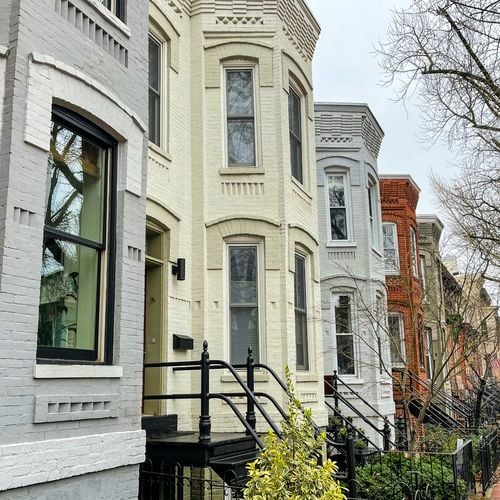
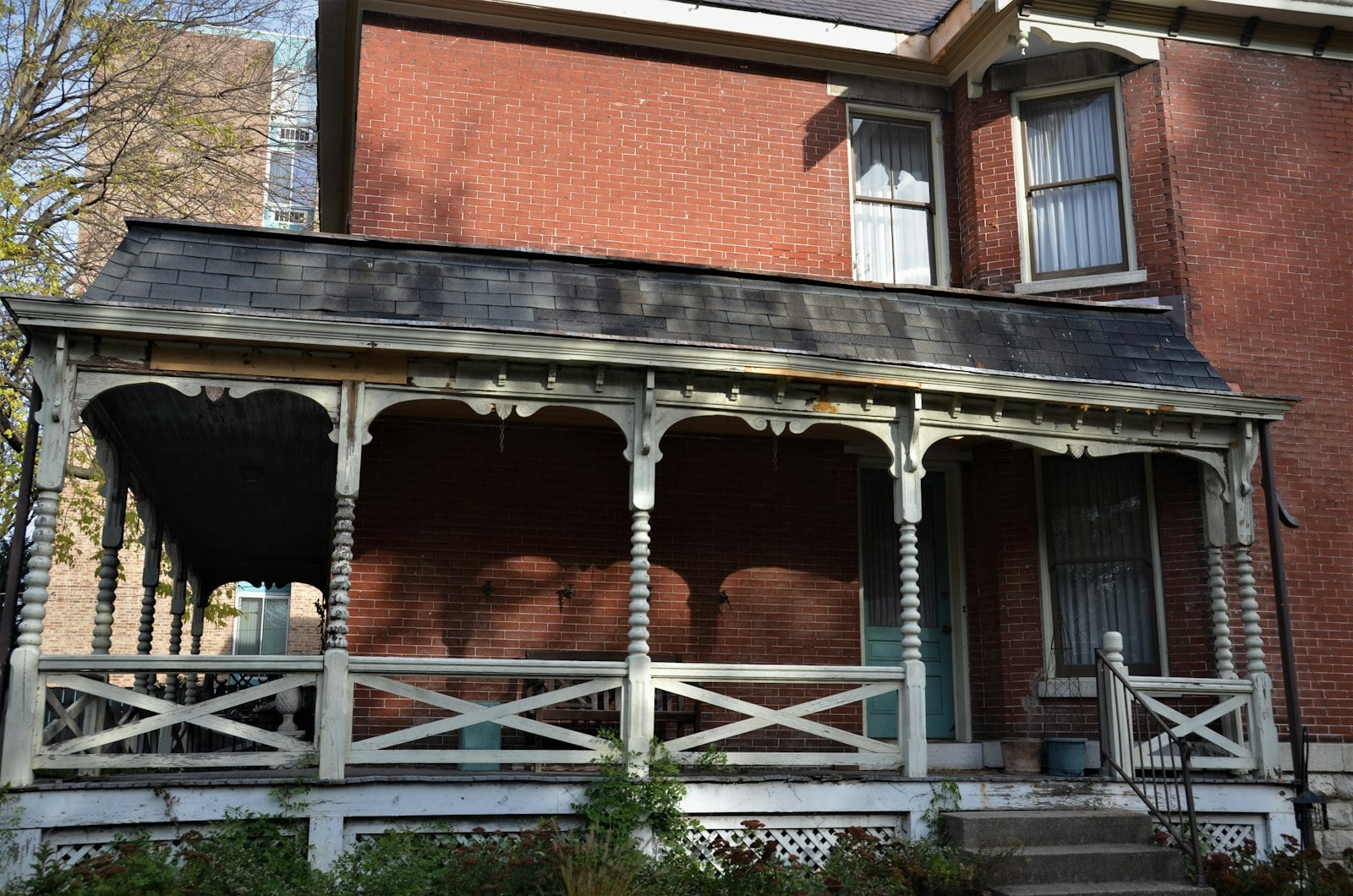
Older housing stock is concentrated in the City’s historic neighborhoods, so questions about this exemption come up most often in places like Church Hill, the Fan and Manchester. We are not saying any particular home there has an exemption. Each property has to be checked on its own. For related reading, see what a historic home really costs and neighborhoods for renovation projects. For other tax breaks for owners, our post on tax relief for older and disabled homeowners covers a different program.
This is general information, not tax or legal advice. Confirm every term with the locality and a tax professional.
Frequently asked questions
Does Virginia have a real estate tax exemption for rehabilitated homes?
State law allows it, but each city or county decides by ordinance whether to offer it. Section 58.1-3220 of the Code of Virginia sets the outer limits.
How old does the home have to be?
The Code says a structure no less than 15 years of age, and a locality may require it to be older.
How big can the exemption be?
Under the Code, it can equal the increase in assessed value from the work, or a percentage of that increase, or an amount up to 50 percent of the cost of the work, as the ordinance provides. It cannot exempt the whole value of the structure.
How long can it last?
The Code says it runs with the real estate for no longer than 15 years, and a locality can set a shorter period or step the amount down.
What does the City of Richmond offer?
The City’s incentives page says it offers partial exemption from real estate taxes for qualifying rehabilitated and replaced structures. We could not load the program page, so we do not state its terms. Contact the City at 804-646-7000 or 3-1-1.
Is the Enterprise Zone abatement the same thing?
No. The City lists a ten-year abatement for qualified commercial and industrial users in its Enterprise Zones. It is a separate program.
Does the exemption transfer to a buyer?
The Code describes the exempt amount as a covenant that runs with the land for the exemption period. Ask the assessor to confirm in writing how many years remain on the property you are buying.
Is there an application fee?
A locality may charge up to $125 for a residential property, under the Code.
Is this the same as the state historic tax credit?
No. The historic rehabilitation credit is a state income tax credit, which a companion post covers separately. This exemption reduces the local real estate tax assessment.
We will check what the public record shows for the home, and you can set up a saved search in our property search. Start with our buyer services or compare lenders on our featured lenders page.