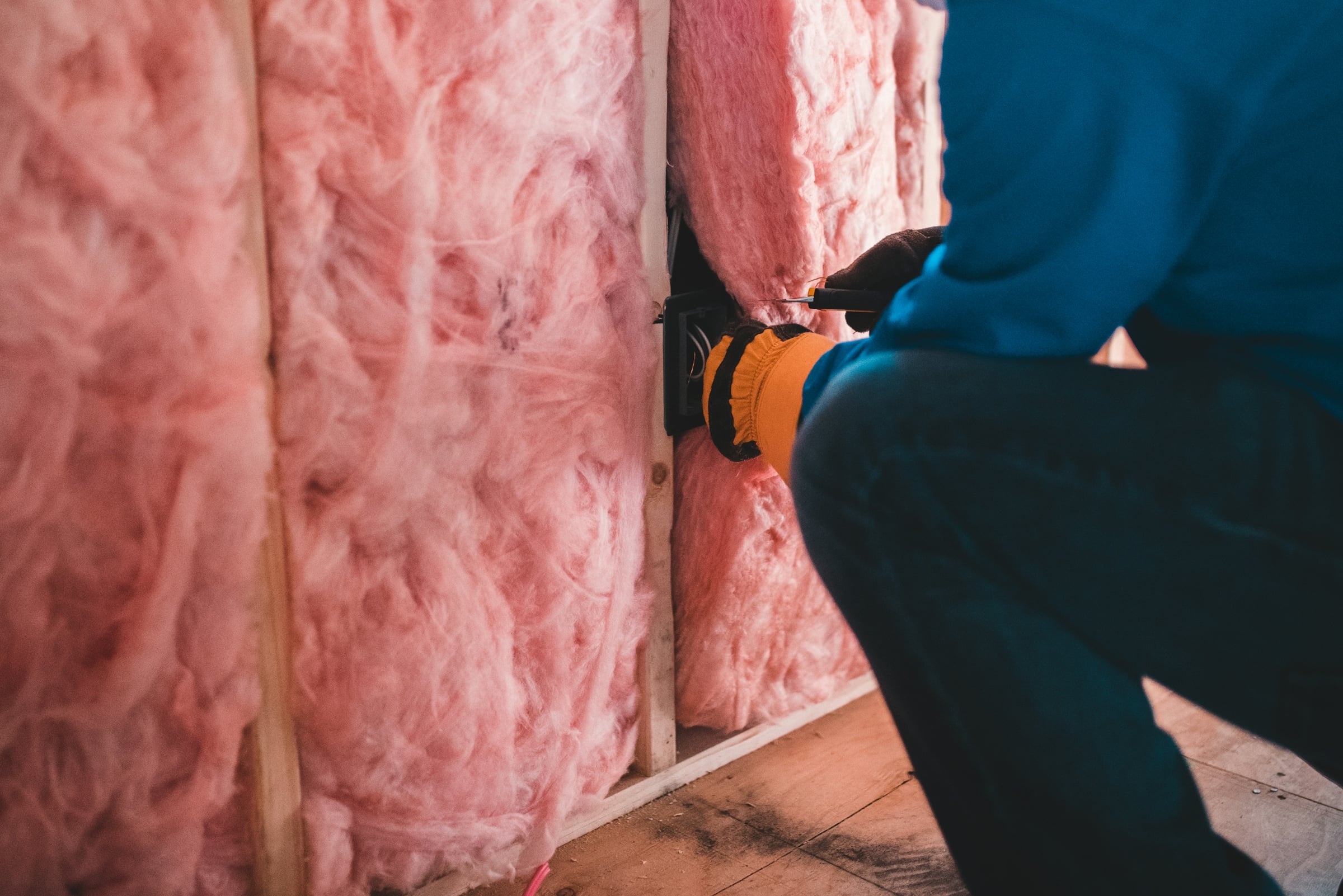
Start with five checks you can make from the attic hatch: how deep and even the insulation is, whether the soffit vents are clear, whether any wood is stained, whether bath fans vent outdoors, and whether the hatch and ceiling openings look sealed. A Virginia home inspector is required to describe the attic, the attic insulation and the roof ventilation, so you do not have to judge all of this alone.
This guide is for buyers looking across Henrico, Chesterfield and the City of Richmond. It covers what to look at, what the numbers from federal and county sources mean, and where an inspection stops.
What you can see from the attic hatch
Ask the listing agent to open the hatch before your showing, and bring a flashlight. You do not need to climb in. Look from the ladder or the opening.
- Depth and evenness. The Department of Energy’s insulation guide says to look for thin or missing spots in loose-fill insulation, especially at the edges of the attic, and for batts that are squashed or pushed aside around wiring and lights.
- Soffit vents. ENERGY STAR calls blocked airflow at the eaves the most common insulation mistake. Insulation should not cover the soffit vents, and rafter vents (baffles) keep a clear channel open.
- Stains. The DOE homeowner guide lists stained wood as a possible sign of moisture or leaks.
- Fan ducts. Bathroom and kitchen fans should vent outside, not into the attic.
- Openings. The DOE insulation guide names plumbing vents, attic hatches, chimneys, electrical boxes, exhaust fans and recessed lights as common air leak points.
Signs of moisture to look for
Warm indoor air that leaks into a cold attic carries moisture with it. The DOE insulation guide says those leaks can lead to mold and rot, and that blocked vents can cause the same problems. So the pattern to watch for is stains or dark patches on roof sheathing and framing, especially near the eaves, around bath fan ducts and around chimneys or plumbing stacks.
Two more things to note. Insulation that is flattened, clumped or discolored below a stain tells you water or moisture has reached it. And a stain is a question, not a verdict: it may be an old roof leak that was fixed. Ask for repair records, then ask your inspector whether it looks active.
The same DOE guide says conditions like an active roof leak should be fixed before any new insulation goes in. Adding insulation on top of an air leak problem can make moisture worse, so a buyer planning an upgrade should budget for sealing first.
Send us the address before you pay for an inspection
If a listing photo shows a stained ceiling or the seller disclosure mentions a roof repair, send us the address. We will help you build the list of permit and disclosure questions to bring to the inspector. Or start with a saved search for the areas you are considering.
How much insulation is enough
ENERGY STAR publishes recommended attic levels by climate zone for retrofits of existing wood-framed homes. The page ties them to a zone map and does not name Virginia in its text, so check the map on that page for the zone that covers your address. The values it lists for an attic with no insulation are:
| ENERGY STAR climate zone | Recommended attic R-value (uninsulated attic) |
|---|---|
| 1 | R30 |
| 2 and 3 | R49 |
| 4 through 8 | R60 |
The page also lists lower figures for attics that already have some insulation. Read that column against the zone you confirm yourself. The DOE homeowner guide gives a simpler rule of thumb: it is generally not economical to add insulation if you already have R-30 or more, and under 10 inches may need more depending on fuel and climate.
You can read the depth with a tape measure, and the R-value of printed batts is often on the facing. The DOE insulation guide notes that unfaced batts can be matched to a table of R-value per inch. Ask the inspector to note the type and approximate depth in the report.
Newer rules for permitted work
Chesterfield County’s summary of the 2021 Virginia Residential Code says the code applies to permit applications on or after January 18, 2025. It states that the minimum ceiling value in the code’s table rises from R-49 to R-60, with an exception for R-49 if insulation is installed at full height with no compression. The county also posted a blanket modification that allows R-49 compressed or R-38 uncompressed from a later model code, with no individual request needed.
Those numbers govern new construction and permitted work in that county. They are a useful yardstick for a newer build in Midlothian or a home you plan to renovate, but they are not a pass or fail grade for an older house. If you are looking at new construction, ask the builder which code edition the permit used. Henrico and Hanover may use different local modifications, so ask the local building office.
What the inspection covers, and what it does not
Virginia’s home inspector regulation, 18VAC15-40-130, lists the attic, attic insulation and roof ventilation among the items an inspector must inspect and describe, along with roof framing and sheathing. It also covers crawl space ventilation and vapor barriers under the structure. The inspection is limited to readily accessible components and readily observable defects.
Three limits matter for buyers:
- If the inspector cannot reach part of the attic, the report must say what was not inspected and why. Ask for that in writing.
- The regulation allows an inspection contract to exclude items such as operating costs and the remaining life of components, so do not expect a promise about how long a roof or insulation will last.
- Hidden conditions behind finished ceilings are outside “readily observable.” If an attic floor is covered with boards or storage, say so before inspection day so the seller can clear it.
If your concern is moisture below the house instead, see our guide to a wet crawl space in older Richmond homes. If you are weighing a lot where the house itself may go, read what to check before buying a house to tear down and rebuild.
Before you make an offer
Pair the attic look with a few document requests: roof repair or replacement invoices, any insulation or air sealing work receipts, and permits for additions that may have changed the attic. Then price any fix by getting contractor quotes during your inspection period. We do not quote costs here because they vary by house and contractor. Check your budget against our mortgage calculator, and see how we work with buyers or our list of preferred lenders if you are comparing loan options. When you are ready, you can browse active listings and plan an open house visit with this checklist in hand.
Turn this checklist into a search
Tell us the areas you want, and we will set up a saved search that sends new listings to you. When one catches your eye, send us the address and we will help you with the permit and disclosure questions before you book the inspector.
Frequently asked questions
Should I worry about recessed lights in the attic?
Check whether insulation has been piled over them. The DOE insulation guide says not to cover recessed fixtures with insulation unless they are rated for insulation contact, and ENERGY STAR says to keep insulation at least 3 inches from can lights that are not rated IC.
What is vermiculite insulation and why does it matter?
The DOE insulation guide says vermiculite insulation may contain asbestos and should not be disturbed. If you see loose, pebble-like granular insulation, tell your inspector and do not handle it.
Do attic fans help?
Not always. ENERGY STAR says attic fans pull outside air in through soffit and gable vents and push hot air out, but they can backfire in a poorly sealed home by pulling conditioned air up from the house. Ask whether the attic was air sealed.
What other conditions should be fixed before adding insulation?
The DOE insulation guide lists a leaking roof, active knob-and-tube wiring, and an unvented kerosene heater or gas fireplace in the attic as conditions to resolve first. Ask your inspector to note any of these.
Can I add a second layer of batts over old ones?
Be careful. The DOE guide says not to lay additional insulation over faced batts with the facing up, because the facing between layers can act as a vapor retarder and cause moisture and mold problems.
What are ice dams and should I look for them?
ENERGY STAR describes them as snow that melts on a warm roof and refreezes at the gutters, which can damage the roof. Ask about past gutter or edge-of-roof repairs, and look for stains near exterior walls on upper ceilings.
How much energy do air leaks cost?
The DOE insulation guide says air leakage can account for 25% to 40% of heating and cooling energy in a typical home. That is a national figure, not a Richmond measurement.