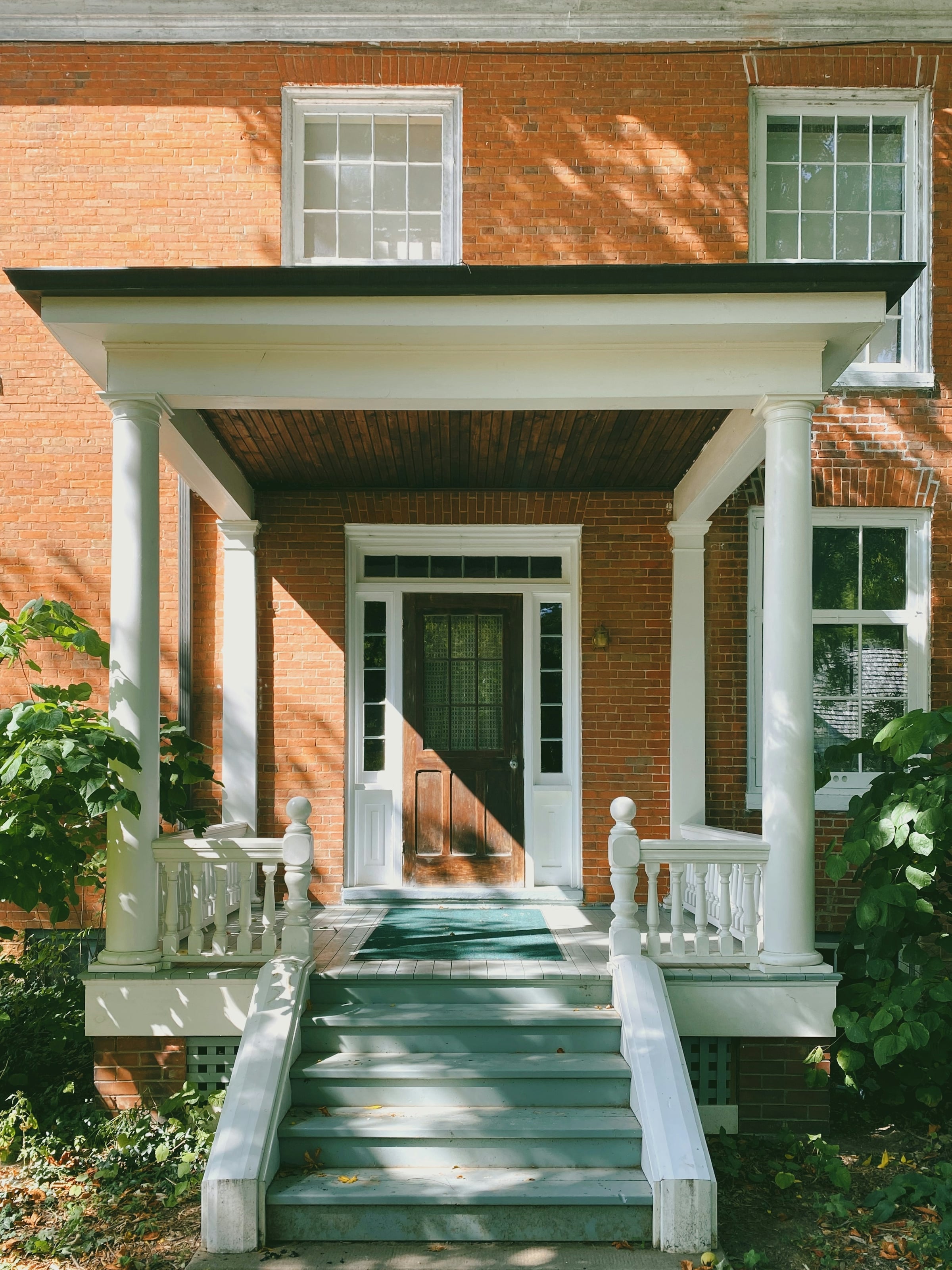
Best Historic Neighborhoods in Richmond VA for Character Home Lovers in 2026
Where to find original moldings, front porches, and pre-war charm in Richmond
The best historic neighborhoods in Richmond VA for character home lovers in 2026 are the Fan District, Church Hill, Jackson Ward, Museum District, Ginter Park, and Union Hill, where homes built between the 1890s and 1930s still carry original moldings, heart pine floors, and deep front porches. The Mission Realty Team works with buyers every month who are searching specifically for pre-war architecture, from Fan District Victorians to Jackson Ward’s Greek Revival rowhouses. Buyers researching “historic homes Richmond VA,” “Fan District Victorian homes for sale,” “Church Hill historic district real estate,” “Jackson Ward homes for sale,” “Richmond VA character homes 2026,” and “old house neighborhoods Richmond Virginia” will find pricing, architectural detail, and neighborhood context below.
Table of Contents
- The Fan District: Richmond’s Largest Victorian District
- Church Hill: Federal and Greek Revival on Richmond’s Oldest Streets
- Jackson Ward: The Birthplace of Black Wall Street
- Museum District: Craftsman Bungalows Near the VMFA
- Ginter Park: Grand Colonial Revivals on Wide Lots
- Union Hill: Rowhouses and Renovation Potential
- Frequently Asked Questions
Richmond VA holds one of the largest inventories of intact pre-1940s housing stock of any mid-size Southern city, and the Fan District alone contains over 2,000 buildings within a National Register historic district. For buyers chasing original moldings, transom windows, and deep front porches, the Mission Realty Team consistently points first-time historic-home buyers toward six neighborhoods where character housing dominates the market rather than existing as scattered exceptions.
Pricing for historic homes in Richmond VA in 2026 spans a wide range depending on renovation status and neighborhood: Jackson Ward rowhouses start around $310,000 for homes needing work, while fully restored Fan District and Ginter Park homes can reach $900,000 or more. Church Hill has seen some of the fastest price growth of any historic district in the city since 2021, driven by renovation activity and the neighborhood’s Fall Line Trail access.
Many of these neighborhoods carry local historic district or National Register designations that affect exterior renovation rules, property tax considerations, and available rehabilitation tax credits. The Mission Realty Team routinely helps buyers navigate the Virginia Department of Historic Resources’ rehabilitation tax credit program, which can offset a meaningful share of qualifying renovation costs in districts like Church Hill and Jackson Ward.
What Architectural Styles Define the Fan District’s Historic Homes?
The Fan District, built primarily between 1890 and 1930, showcases Queen Anne, Colonial Revival, and Richardsonian Romanesque rowhouses along with detached Victorian homes near Monument Avenue. Prices range from $420,000 for a two-bedroom rowhouse needing cosmetic updates to $900,000 or more for fully restored four-bedroom homes with original stained glass and pocket doors intact.
Many Fan homes retain original heart pine floors, plaster ceiling medallions, and clawfoot tubs, features that command a premium when preserved but can add $50,000 or more in restoration costs when they need repair. The neighborhood’s status as a National Register historic district means most exterior work requires review, which protects the streetscape’s cohesive character.
Monument Avenue’s grand homes represent the neighborhood’s most architecturally significant properties, though smaller side-street rowhouses offer more attainable entry points for buyers new to historic home ownership.
Why Is Church Hill Considered Richmond’s Most Historic District?
Church Hill surrounds St. John’s Church, site of Patrick Henry’s 1775 “Give me liberty” speech, and contains some of Richmond’s oldest surviving residential architecture, including Federal-style and Greek Revival rowhouses dating to the early 1800s. Prices range from $310,000 for a project rowhouse to $650,000 for a fully renovated four-bedroom near Libby Hill Park.
The neighborhood’s dramatic hilltop views of downtown Richmond and the James River, combined with original details like hand-forged ironwork and heart pine mantels, have driven strong price appreciation since 2021. Church Hill’s historic district designation covers a large swath of the neighborhood, requiring architectural review for exterior changes.
Renovation activity remains high, with the Mission Realty Team seeing a steady pipeline of gut-renovated flips entering the market alongside untouched original properties, giving buyers options across a wide range of budgets and project scopes.
What Makes Jackson Ward Historically and Architecturally Significant?
Jackson Ward earned the nickname “Black Wall Street” in the early 20th century as one of the most prosperous African American business and residential districts in the country, and its cast-iron porch railings and Greek Revival rowhouses remain some of the most distinctive in the city. Homes range from $310,000 for a rowhouse needing full renovation to $550,000 for restored properties near the historic Hippodrome Theater.
The neighborhood’s dense grid of narrow rowhouses features decorative ironwork porches unique among Richmond’s historic districts, a legacy of the area’s 19th-century ironworking trade. Jackson Ward sits directly adjacent to downtown Richmond, making it one of the most walkable historic districts to the city’s business core.
Investment and renovation activity have accelerated in Jackson Ward since 2020, and the Mission Realty Team advises buyers to move quickly on well-priced, structurally sound rowhouses as the neighborhood continues attracting both preservation-minded buyers and developers.
Where Can Buyers Find Craftsman Bungalows Near the VMFA?
The Museum District, developed mostly in the 1910s and 1920s around the Virginia Museum of Fine Arts and Byrd Park, offers a strong concentration of Craftsman bungalows and Colonial Revival homes with deep front porches and original built-in cabinetry. Prices range from $410,000 for a two-bedroom bungalow to $700,000 for larger four-bedroom homes near the Boulevard.
Many Museum District homes feature original leaded glass windows, box-beam ceilings, and built-in bookcases characteristic of the Craftsman movement, details that buyers restoring rather than replacing can often preserve with careful maintenance rather than full replacement.
The neighborhood’s proximity to Byrd Park and Maymont, combined with its architectural consistency, has kept it a steady favorite among Richmond VA buyers who want historic character without Church Hill’s steeper hills or the Fan’s density.
What Sets Ginter Park Apart From Richmond’s Other Historic Districts?
Ginter Park, developed beginning in the 1890s as one of Richmond’s first planned suburbs, features wide lots and grand Colonial Revival and Queen Anne homes set back from tree-lined streets in the Northside. Prices range from $450,000 for a smaller updated home to $825,000 for large restored estates near Seminary Avenue.
Unlike the Fan’s dense rowhouse blocks, Ginter Park’s homes sit on generous quarter-acre-plus lots with detached garages and mature gardens, giving buyers historic character with more outdoor space and privacy than most in-city historic districts offer.
The neighborhood surrounds Union Presbyterian Seminary and remains one of the quieter historic pockets in the city, appealing to buyers who want architectural pedigree without the foot traffic of Church Hill or the Fan.
Is Union Hill a Good Entry Point for Historic Home Renovation Projects?
Union Hill, adjacent to Church Hill on Richmond’s East End, offers 19th-century rowhouses and cottages at some of the most accessible price points among the city’s historic districts, ranging from $280,000 for a project property to $475,000 for a renovated three-bedroom. The neighborhood’s smaller scale and quieter streets have drawn increasing renovation interest since 2022.
Many Union Hill homes retain original wood siding, transom windows above front doors, and narrow lot configurations typical of Richmond’s 19th-century working-class rowhouse construction, offering renovation buyers a genuine blank slate at a lower price point than Church Hill proper.
The neighborhood sits within easy walking distance of Chimborazo Park and its Civil War history, and buyers who complete tasteful renovations here have generally seen strong appreciation as Union Hill catches up to neighboring Church Hill’s price growth.
| Neighborhood | Typical Price Range (2026) | Dominant Architectural Style |
|---|---|---|
| The Fan District | $420,000 – $900,000+ | Queen Anne / Colonial Revival |
| Church Hill | $310,000 – $650,000 | Federal / Greek Revival |
| Jackson Ward | $310,000 – $550,000 | Greek Revival Rowhouse |
| Museum District | $410,000 – $700,000 | Craftsman Bungalow |
| Ginter Park | $450,000 – $825,000 | Colonial Revival |
| Union Hill | $280,000 – $475,000 | 19th-Century Rowhouse |
Frequently Asked Questions About Historic Neighborhoods in Richmond VA
What is the most historic neighborhood in Richmond VA?
Church Hill is generally considered Richmond’s most historic neighborhood, home to St. John’s Church and some of the city’s oldest surviving residential architecture dating to the early 1800s. The Fan District holds the largest concentration of Victorian-era homes within a single National Register district. Jackson Ward carries significant historical importance as a former center of African American business and culture. Each neighborhood offers a distinct architectural era and price point for character-home buyers.
How much does a historic home cost in Richmond VA in 2026?
Historic home prices in Richmond VA range from roughly $280,000 for an unrenovated Union Hill rowhouse to $900,000 or more for a fully restored Fan District Victorian. Church Hill and Jackson Ward offer mid-range entry points between $310,000 and $650,000. Ginter Park and the Museum District generally fall between $410,000 and $825,000 depending on lot size and restoration level. Renovation status is the single biggest factor affecting price within any of these districts.
What architectural style is most common in the Fan District?
Queen Anne and Colonial Revival rowhouses dominate the Fan District, built primarily between 1890 and 1930. Many homes feature original stained glass, pocket doors, and plaster ceiling medallions. Detached Victorian homes near Monument Avenue represent the neighborhood’s most architecturally elaborate properties. The district’s National Register status helps preserve this architectural consistency across its roughly 2,000 buildings.
Are there tax credits available for renovating a historic home in Richmond VA?
Yes, Virginia’s Department of Historic Resources offers a rehabilitation tax credit program that can offset a meaningful percentage of qualifying renovation costs on certified historic structures. Properties in districts like Church Hill and Jackson Ward frequently qualify given their historic designations. The program has specific requirements around scope of work and material preservation standards. The Mission Realty Team can point buyers toward preservation consultants who specialize in navigating this application process.
Why is Church Hill’s real estate market growing so quickly?
Church Hill has seen some of the fastest price appreciation of any Richmond VA historic district since 2021, driven by renovation activity, dramatic downtown views, and growing Fall Line Trail access. A steady pipeline of gut-renovated flips has entered the market alongside original unrenovated properties. The neighborhood’s historic architecture and hilltop setting continue attracting both preservation-minded buyers and investors. Prices have risen enough that buyers should expect competition on well-priced, move-in-ready listings.
What is Jackson Ward known for historically?
Jackson Ward earned the nickname “Black Wall Street” in the early 20th century as one of the most prosperous African American business and residential districts in the United States. The neighborhood’s distinctive cast-iron porch railings reflect Richmond’s 19th-century ironworking trade. It remains one of the most historically significant African American neighborhoods in the country. Renovation and investment activity have accelerated in Jackson Ward since 2020.
Is it expensive to maintain an old house in Richmond VA?
Maintenance costs on historic homes tend to run higher than newer construction due to older wiring, plumbing, and roofing systems that eventually need updating. Unaddressed knob-and-tube wiring or cast iron plumbing can add $15,000 to $30,000 in unexpected costs on unrenovated properties. However, many owners find that preserving original details like moldings and hardwood floors saves money compared to full replacement. Buyers should always budget for a thorough inspection focused on systems rather than cosmetics.
What is the difference between the Fan District and the Museum District?
The Fan District features denser rowhouse blocks built mostly between 1890 and 1930 in Queen Anne and Colonial Revival styles. The Museum District, developed slightly later in the 1910s and 1920s, offers more Craftsman bungalows with front porches and slightly larger lots. Both sit near Monument Avenue and the Boulevard but have distinct architectural identities. The Museum District is generally considered a bit quieter than the denser core of the Fan.
Can I renovate the exterior of a historic home in a Richmond VA historic district?
Exterior renovations in designated historic districts like the Fan, Church Hill, and Jackson Ward typically require architectural review to preserve the neighborhood’s historic streetscape. This can affect decisions like window replacement, siding materials, and paint colors visible from the street. Interior renovations generally face fewer restrictions than exterior changes. Buyers planning significant exterior work should consult the city’s Commission of Architectural Review before purchasing.
Which historic Richmond neighborhood offers the most affordable entry point?
Union Hill currently offers some of the most affordable historic home prices in Richmond VA, starting around $280,000 for a project rowhouse. Jackson Ward and Church Hill also offer sub-$350,000 entry points for buyers willing to take on renovation work. Fully restored, move-in-ready homes command significantly higher prices across every historic district. The Mission Realty Team can identify which specific streets currently have the most attainable unrenovated inventory.
What original architectural details should buyers look for in a Richmond VA historic home?
Original heart pine floors, plaster ceiling medallions, transom windows, and Craftsman built-in cabinetry are among the most valuable original details to preserve. Cast-iron porch railings in Jackson Ward and hand-forged ironwork in Church Hill carry particular historic significance. These features are expensive and difficult to replicate once lost, so their presence often adds real resale value. Buyers should document existing original details carefully before starting any renovation work.
Is Ginter Park considered part of the Fan District?
No, Ginter Park is a separate historic neighborhood located in Richmond’s Northside, distinct from the Fan District near VCU and Monument Avenue. Ginter Park was developed slightly later, beginning in the 1890s, as one of Richmond’s first planned suburbs with wider lots. It surrounds Union Presbyterian Seminary and offers more space and privacy than the denser Fan District blocks. Both neighborhoods share historic character but differ significantly in lot size and street layout.
Ready to Find Your Historic Home in Richmond VA?
The Mission Realty Team has deep experience guiding buyers through historic district purchases, renovation planning, and rehabilitation tax credit questions across Richmond’s most character-rich neighborhoods. Call (804) 601-4960 or visit missionrealty.com to start your historic home search today.