Best Walkable Neighborhoods in Richmond VA for Car-Free Living in 2026
Where sidewalks, transit, and everyday errands actually work without a car in the Richmond metro
The most walkable neighborhoods in Richmond VA for car-free living in 2026 are the Fan District, Church Hill, Carytown, Jackson Ward, Museum District, and Manchester, each offering Walk Scores above 80 and daily errands reachable on foot. Median home prices in these areas range from roughly $340,000 in Church Hill to $610,000 in the Fan District, with GRTC bus routes, the Pulse bus rapid transit line, and protected bike lanes connecting most of them to downtown Richmond in under 20 minutes. Buyers searching walkable Richmond VA neighborhoods, car-free living Richmond, best neighborhoods without a car, GRTC Pulse corridor homes, bikeable Richmond neighborhoods, and no-car Richmond real estate will find this guide breaks down sidewalks, transit access, and walk-to amenities block by block. Mission Realty Team has helped many buyers prioritize walkability, and this guide reflects the current 2026 conditions across the city’s most pedestrian-friendly corridors.
Table of Contents
- What Makes a Richmond Neighborhood Walkable
- The Fan District: Richmond’s Classic Walkable Grid
- Church Hill: Historic and Increasingly Pedestrian-Friendly
- Carytown and the Museum District
- Jackson Ward and Manchester: Emerging Walkable Areas
- Transit and Bike Infrastructure Connecting These Neighborhoods
- Frequently Asked Questions
Richmond VA’s most walkable neighborhoods in 2026, the Fan District, Church Hill, Carytown, Jackson Ward, the Museum District, and Manchester, all carry Walk Scores of 80 or higher and let residents handle groceries, dining, and daily errands entirely on foot. These neighborhoods sit within Richmond’s original city grid, built before car-centric zoning took hold, which means narrow blocks, consistent sidewalks, and mixed residential-commercial buildings within a few minutes of nearly every home.
Richmond’s GRTC Pulse bus rapid transit line runs along Broad Street connecting the Museum District, VCU, downtown, Church Hill, and eastward toward Rocketts Landing, giving car-free residents a fast east-west connection across the city’s most walkable corridors. Home prices in these areas in 2026 range from a median of roughly $340,000 in parts of Church Hill to $610,000 in the most in-demand blocks of the Fan District, with days on market averaging 14-22 days given strong demand for walkable urban living.
This guide walks through each of Richmond’s top walkable neighborhoods, covering what’s within walking distance, transit connections, bike infrastructure, and current pricing, so buyers prioritizing a car-free or car-light lifestyle can compare options directly. Mission Realty Team fields walkability questions constantly from relocating professionals and downsizing retirees alike, and this data reflects current 2026 conditions.
What Actually Makes a Richmond Neighborhood Walkable in 2026?
Walkability in Richmond comes down to a few concrete factors: continuous sidewalks on both sides of the street, a grocery store or corner market within a half-mile, restaurants and coffee shops within a 10-minute walk, and a grid street layout rather than cul-de-sacs that force detours. Richmond’s pre-1930s neighborhoods, largely built before automobile-centric planning, tend to score highest.
Walk Score, the most commonly cited walkability metric, rates several Richmond neighborhoods above 85, putting them in the “walker’s paradise” category where most errands do not require a car at all. The Fan District, Jackson Ward, and parts of Carytown consistently rank in this top tier.
Transit access matters too. The GRTC Pulse bus rapid transit line and standard GRTC bus routes extend walkability further by letting car-free residents reach jobs and amenities outside immediate walking distance, particularly downtown, VCU’s campus, and the Stony Point area via connecting routes.
Why Is the Fan District Richmond’s Most Walkable Neighborhood?
The Fan District, named for its fan-shaped street grid radiating out from Monroe Park, is widely considered Richmond’s most walkable neighborhood, with most addresses scoring 88-94 on Walk Score. Residents can walk to Carytown’s shops and restaurants, VCU’s campus, Monroe Park, and dozens of neighborhood restaurants along Cary and Main Streets.
Median home prices in the Fan currently sit around $610,000 for renovated rowhouses, with smaller units and condos starting closer to $385,000. Homes average just 14 days on market given persistent demand from young professionals and VCU-affiliated buyers who prioritize a car-free lifestyle.
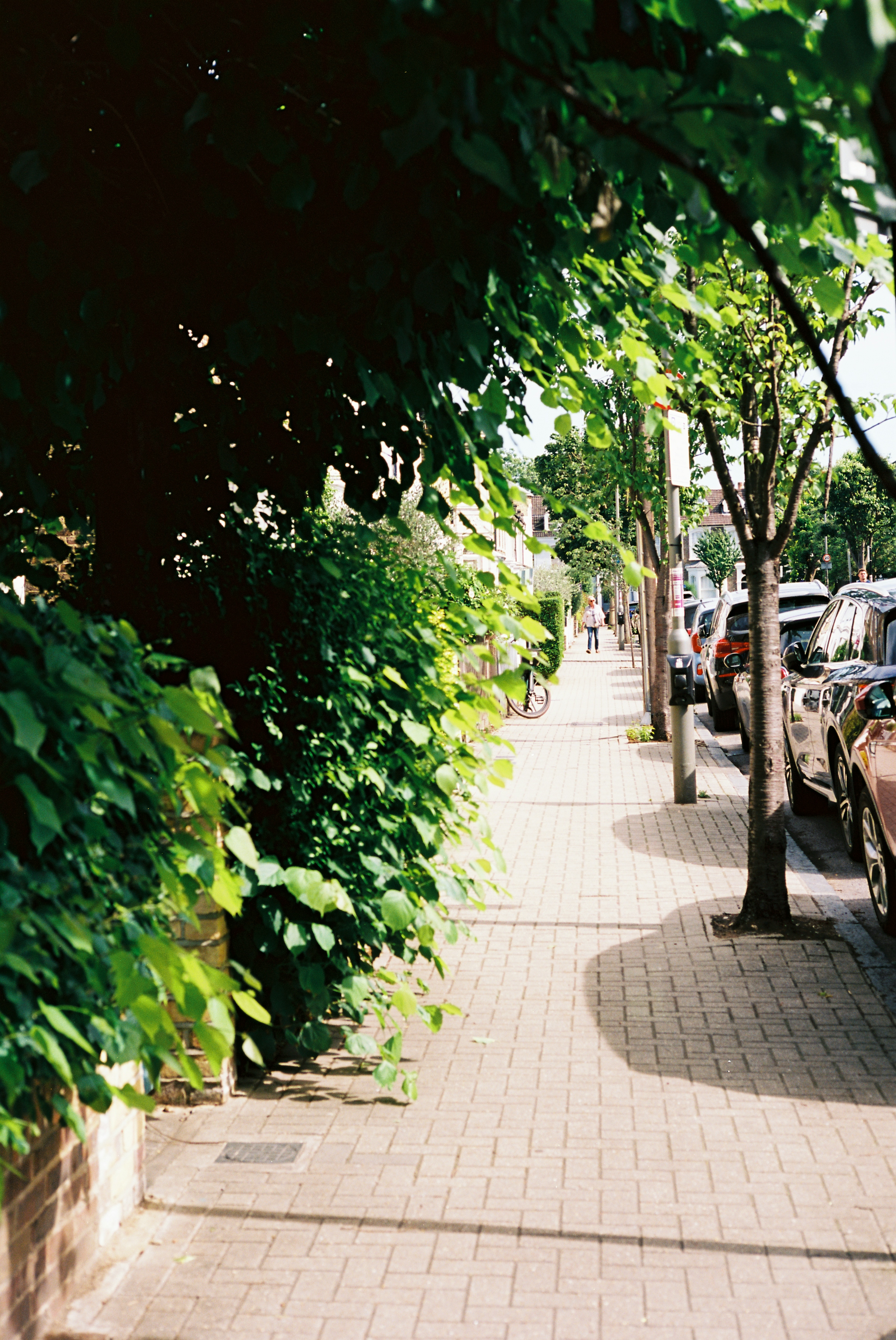
The Fan’s narrow, tree-lined streets and consistent sidewalk network mean nearly every daily need, groceries, pharmacy, coffee, dining, is within a 10-15 minute walk from most addresses, and GRTC bus routes along Main and Cary Streets extend reach further into downtown.
Is Church Hill Walkable for Car-Free Living in Richmond VA?
Church Hill, Richmond’s oldest neighborhood and home to St. John’s Church, has become increasingly walkable as new restaurants, coffee shops, and small grocers have opened along 25th Street and Broad Street in recent years. Walk Scores here range from 70-85 depending on the specific block, with the area closest to 25th Street scoring highest.
Median home prices in Church Hill are currently around $415,000, considerably more affordable than the Fan District, making it an appealing option for buyers who want walkability without the Fan’s premium pricing. Homes average 18 days on market in 2026 as the neighborhood continues to attract young families and first-time buyers.
The GRTC Pulse bus rapid transit line connects Church Hill directly to downtown Richmond and VCU in under 10 minutes, adding transit-based walkability beyond what’s reachable purely on foot.
How Walkable Are Carytown and the Museum District?
Carytown, Richmond’s premier shopping and dining strip along Cary Street, is one of the most consistently walkable commercial corridors in the city, and the residential streets immediately surrounding it inherit much of that walkability. Nearby, the Museum District offers a quieter, more residential version of the same grid-based walkability, anchored by the Virginia Museum of Fine Arts and Byrd Park.
Median home prices in the Museum District run around $525,000, while homes directly bordering Carytown’s commercial strip average closer to $560,000. Both neighborhoods see homes sell in 15-20 days given strong demand from buyers who want walkable retail without the density of downtown.
Byrd Park and the James River Park System border the Museum District, giving residents walkable access to green space in addition to Carytown’s shops, a combination that’s difficult to find elsewhere in the Richmond metro.
Are Jackson Ward and Manchester Good for Car-Free Living?
Jackson Ward, a historically significant African American neighborhood just north of downtown, has seen substantial walkability improvements as new restaurants, breweries, and shops have opened along 2nd Street. Walk Scores here range from 75-90, and median home prices sit around $395,000, making it one of the more affordable highly walkable options in the city.
Manchester, across the James River from downtown, has transformed rapidly with new apartment and condo development, and now offers Walk Scores of 70-82 in its core blocks near Hull Street and Semmes Avenue. Median condo prices in Manchester run around $335,000, appealing to buyers seeking walkability at a lower price point with quick access to downtown via the Manchester Bridge.
Both neighborhoods benefit from proximity to the GRTC Pulse line and downtown Richmond’s job base, making them increasingly popular with buyers who work downtown and want to minimize or eliminate car dependence.
How Do Transit and Bike Infrastructure Extend Walkability in Richmond?
The GRTC Pulse bus rapid transit line, running along Broad Street from Rocketts Landing through downtown, VCU, and the Museum District to Willow Lawn, is the backbone of car-free living in Richmond, offering frequent, dedicated-lane service that functions much like light rail. It connects several of the neighborhoods in this guide directly.
Richmond’s bike lane network has expanded significantly, with protected lanes now running along parts of Franklin Street, Brook Road, and the Virginia Capital Trail providing a car-free commuting option from Church Hill and Manchester into downtown. GRTC’s fixed-route bus system covers most of the city, supplementing walking and biking for longer trips.
Richmond’s B-Cycle bike share program, with stations throughout the Fan, Carytown, downtown, and Church Hill, gives residents an additional car-free option for trips slightly beyond comfortable walking distance.
| Neighborhood | Typical Walk Score | Median Home Price (2026) |
|---|---|---|
| Fan District | 88-94 | $610,000 |
| Jackson Ward | 75-90 | $395,000 |
| Carytown / Museum District | 80-88 | $525,000 – $560,000 |
| Church Hill | 70-85 | $415,000 |
| Manchester | 70-82 | $335,000 |
Frequently Asked Questions About Walkable Neighborhoods in Richmond VA
What is the most walkable neighborhood in Richmond VA?
The Fan District is generally considered Richmond’s most walkable neighborhood, with Walk Scores of 88-94 across most addresses. Residents can reach Carytown, VCU, Monroe Park, and dozens of restaurants entirely on foot. Median home prices run around $610,000, and homes average just 14 days on market due to strong demand.
Can you live in Richmond VA without a car?
Yes, living without a car is realistic in neighborhoods like the Fan District, Jackson Ward, Carytown, and parts of Church Hill and Manchester, all connected by the GRTC Pulse bus rapid transit line and standard bus routes. Daily errands, groceries, and dining are walkable in these areas, though occasional trips outside the city may still require a car share or rideshare service.
What is the GRTC Pulse and which neighborhoods does it serve?
The GRTC Pulse is Richmond’s bus rapid transit line running along Broad Street from Rocketts Landing through downtown, VCU, and the Museum District to Willow Lawn. It connects several of the city’s most walkable neighborhoods with frequent, dedicated-lane service comparable to light rail.
Is Church Hill walkable in 2026?
Yes, Church Hill has become increasingly walkable, with Walk Scores of 70-85 depending on proximity to 25th Street, where most restaurants and shops are concentrated. Median home prices are around $415,000, more affordable than the Fan District, making it appealing for buyers who want walkability at a lower price point.
What is the most affordable walkable neighborhood in Richmond?
Manchester currently offers the most affordable walkable option, with median condo prices around $335,000 and Walk Scores of 70-82 in its core blocks near Hull Street and Semmes Avenue. Its proximity to downtown via the Manchester Bridge makes it popular with buyers who work downtown.
Does Richmond have bike lanes connecting walkable neighborhoods?
Yes, Richmond has expanded protected bike lanes along Franklin Street, Brook Road, and the Virginia Capital Trail, connecting Church Hill and Manchester into downtown. The city’s B-Cycle bike share program also has stations throughout the Fan, Carytown, downtown, and Church Hill.
What is the Walk Score of Carytown Richmond VA?
Carytown and the immediately surrounding Museum District blocks typically score 80-88 on Walk Score. Residents can walk to Carytown’s shops and restaurants as well as Byrd Park and the James River Park System, a combination of retail and green space unique to this part of Richmond.
Is Jackson Ward a good neighborhood for car-free living?
Yes, Jackson Ward has seen significant walkability improvements with new restaurants and shops along 2nd Street, earning Walk Scores of 75-90. Median home prices around $395,000 make it one of the more affordable highly walkable neighborhoods in Richmond, with easy access to downtown and the GRTC Pulse line.
How long does it take to commute downtown from these walkable neighborhoods?
Most of the neighborhoods in this guide are within a 10-20 minute walk or bus ride of downtown Richmond. The GRTC Pulse line connects Church Hill, the Museum District, and VCU to downtown in under 10 minutes, while Manchester is roughly a 10-minute walk across the Manchester Bridge.
Are there grocery stores within walking distance in these Richmond neighborhoods?
Yes, most of the neighborhoods covered here, the Fan, Carytown, Jackson Ward, Church Hill, and Manchester, have at least one grocery store or full-service market within a half-mile of most residential addresses. This is one of the key factors that keeps their Walk Scores above 70.
Do walkable Richmond neighborhoods cost more than car-dependent suburbs?
Generally yes, especially in the Fan District and Museum District, where walkability commands a price premium. However, neighborhoods like Manchester and Jackson Ward offer walkability at prices below the Richmond metro median, making car-free living accessible at multiple price points.
What is Manchester Richmond VA known for?
Manchester, located across the James River from downtown Richmond, has transformed with new apartment and condo development along Hull Street and Semmes Avenue. It offers walkability and quick downtown access via the Manchester Bridge at prices generally below the Fan District and Museum District.
Should I still own a car if I live in a walkable Richmond neighborhood?
Many residents of Richmond’s walkable neighborhoods still own a car for trips outside the city or to reach areas not well served by GRTC bus routes. However, daily errands, dining, and commuting within the neighborhoods covered here are realistically achievable without one, especially with the GRTC Pulse and expanding bike infrastructure.
How does Mission Realty Team help buyers find walkable homes in Richmond?
Mission Realty Team evaluates Walk Score, Transit Score, and proximity to grocery stores and transit lines for every listing a car-free or car-light buyer is considering. This block-by-block analysis matters since walkability can vary significantly even within the same Richmond neighborhood.
Looking for a Walkable Home in Richmond?
Mission Realty Team knows exactly which blocks in the Fan, Church Hill, Carytown, Jackson Ward, and Manchester deliver true car-free living. Contact Mission Realty Team today to tour walkable homes before the next listing hits the market.