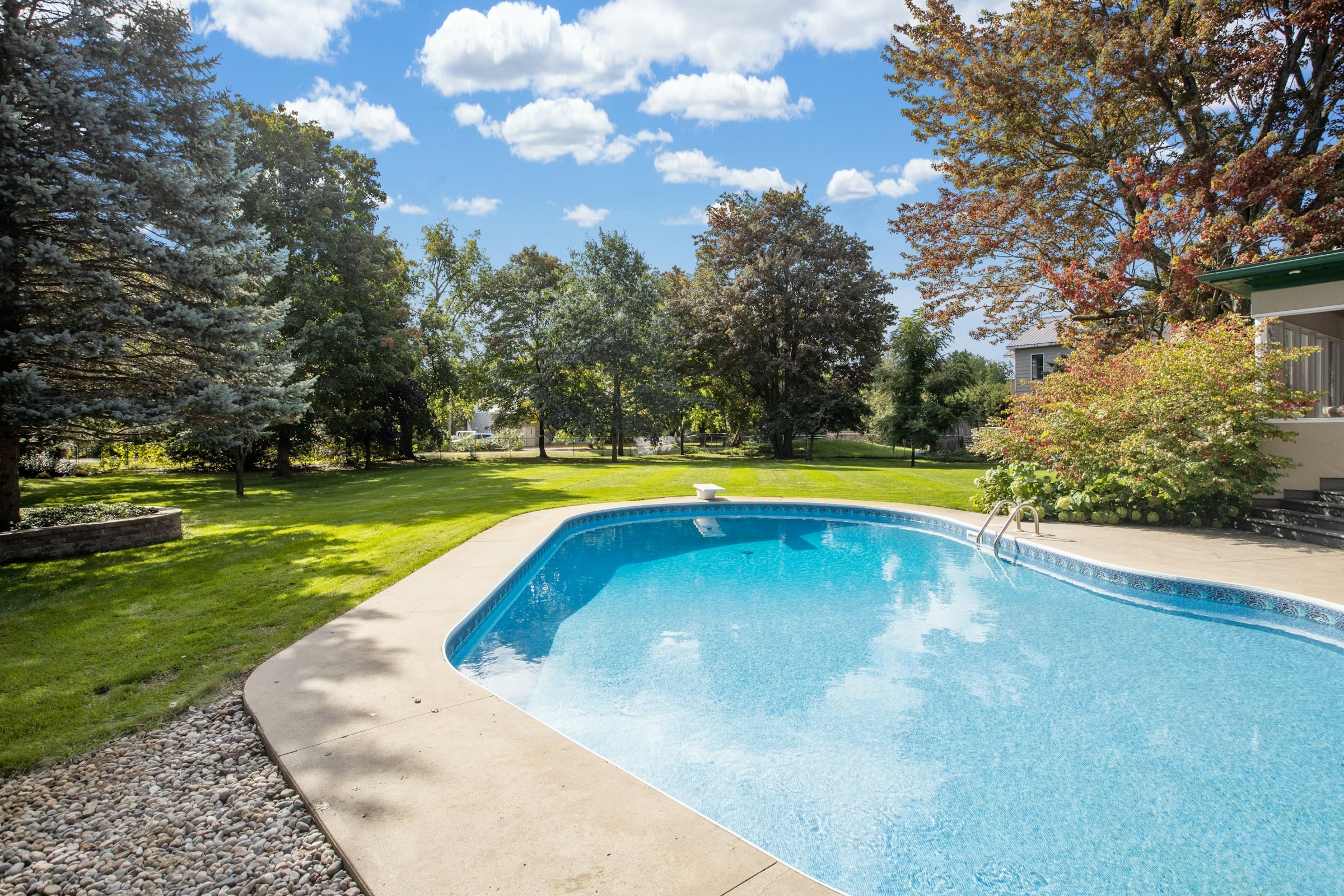
Richmond summers make a pool genuinely usable for a good four months of the year, which is why they turn up across Chesterfield, western Henrico and the larger lots out in Goochland and Powhatan. A pool is also a structure, a set of mechanical systems, a code question and an insurance question, and the standard home inspection you are about to order probably does not cover any of it.
Your home inspector likely stops at the gate
Pools and spas are a common exclusion from a general home inspection, alongside things like sewer scopes and radon. That is not an inspector cutting corners: it is a different specialism with different equipment. The list of what typically falls outside the standard scope is in what a Richmond VA home inspector will not cover, and what is included is in what happens during a home inspection.
So order a separate pool inspection, and order it early enough that the findings land inside your inspection contingency rather than after it.
What a pool inspection should actually look at
- Shell and interior finish. Gunite cracking, plaster or pebble condition, or for a vinyl pool the liner age, seams and any patching.
- Coping and deck. Settlement, hollow-sounding coping, trip hazards and drainage away from the pool rather than into it.
- Pump, filter and heater. Age, brand, whether the pump is a variable speed unit, and whether the heater has been serviced or quietly abandoned.
- Plumbing and leak indications. Suspicious wet ground, unexplained water loss, autofill running constantly.
- Electrical bonding and GFCI protection. The single most important safety item and the one homeowners most often disturb during landscaping work.
- Drains and covers. Main drain covers and anti-entrapment protection, which is both a safety and a compliance question.
- Barrier, gates and latches. Height, gaps, self-closing and self-latching hardware, and any alarms.
The barrier is a code question, and the existing fence may not answer it
Pool barrier requirements in Virginia come through the Virginia Uniform Statewide Building Code, which is administered statewide by the Department of Housing and Community Development and enforced by your locality’s building official. Requirements have tightened over the years, and a fence installed when the pool went in decades ago may not match what would be required today.
Do not assume grandfathering, and do not assume compliance. Confirm the current barrier, gate and alarm requirements with the locality’s building office for the specific address before you rely on what is standing. Henrico publishes its building code information online, and every locality we cover has an equivalent office. If the pool or a deck was added without a permit, that is a separate problem you want to find now rather than when you sell.
Where the pool sits on the lot is worth checking too. Pools want the flat open part of a back yard, and so do utility and drainage easements, which is a collision we see regularly. If you are planning to add or move a pool rather than inherit one, read easements on a Richmond VA property before you get quotes.
Insurance changes, sometimes more than you expect
A pool is an attractive nuisance in insurance terms, and it generally increases liability exposure rather than dwelling cost. Practical points to raise with your carrier before closing, not after:
- Whether the carrier will write the risk at all with the existing barrier.
- Whether diving boards or slides are excluded, which is common.
- Whether your liability limit is adequate, and whether an umbrella policy makes sense.
- Whether the pool structure itself is covered, and under what part of the policy.
Get this quoted while you still have a contingency. A carrier declining the risk a week before settlement is a genuinely disruptive surprise. Flood exposure is a separate question and is covered in do you need flood insurance in Richmond VA.
Touring a house with a pool? We will line up a pool inspection alongside the general one and get the seller’s actual service history before your contingency runs. See how we work with buyers, browse Richmond homes with pools, or find a specialist through our local Richmond vendors list.
Running costs: ask for the bills, not an estimate
We are not going to quote you an annual figure, because the honest range is too wide to be useful and a made-up number is worse than none. What drives it is knowable, and so is the actual cost for the specific pool you are buying.
| Cost | What moves it |
|---|---|
| Electricity | Pump type and run hours. A single-speed pump running long hours is the biggest swing factor, and replacing it with a variable speed unit is the usual first upgrade. |
| Chemicals | Volume, sanitizer type, whether it is a saltwater system, and how much sun and debris the pool takes. |
| Opening and closing | Seasonal service twice a year in our climate, plus the cover. |
| Routine service | Weekly or biweekly service if you are not doing it yourself. |
| Heating | Optional, and by far the most variable. A heated pool in April and October costs real money. |
| Capital items | Liner replacement, resurfacing, heater and pump replacement. These arrive on a schedule tied to age, so the inspection report tells you roughly when. |
The right move is to ask the seller for twelve months of utility bills and the pool service invoices. That gives you the real number for this pool rather than an average for someone else’s, and a seller who has maintained the pool properly will usually be glad to produce it.
What it does to value and resale
Two things are true at once. A pool rarely returns its installed cost in appraised value, and appraisers typically credit far less than an owner spent. And a well-maintained pool on the right lot in a neighborhood where pools are normal, such as parts of Woodlake or the larger-lot sections west of town, is a genuine draw for the buyers who want one.
What a pool does reliably is narrow the buyer pool. Some buyers with young children screen pools out, and some buyers who do not want the upkeep screen them out too. In a tight market that matters less. The Richmond metro held 1.8 months of supply in July 2026 with a median sale price of $460,000 and homes selling in a median of 19 days, on Central Virginia Regional MLS figures published by the Richmond Association of REALTORS and current as of August 10, 2026. In a market that thin, a narrower pool of buyers is a longer search rather than a discount.
If you are selling a house with a pool, the pricing question is specific enough that it needs comparable sales with pools rather than a general adjustment. Start with a free home valuation. If repairs come out of the inspection, how to negotiate repairs after an inspection covers the mechanics.
Frequently asked questions
Does a home inspection include the pool?
Usually not. Pools and spas are commonly excluded from the general inspection scope, in the same category as sewer scopes and radon testing. Order a separate pool inspection and schedule it so the results arrive inside your inspection contingency.
How much does a pool cost to run each year in Richmond?
It varies too widely for a single figure to be honest, because pump type, heating, volume and service level all move it substantially. The reliable way to get the number is to ask the seller for twelve months of utility bills plus the pool service invoices, which gives you the actual cost for that pool rather than an average.
Do I have to upgrade the fence when I buy?
Possibly. Barrier requirements come through the Virginia Uniform Statewide Building Code and are enforced locally, and they have tightened over time, so an older fence may not meet the current standard. Confirm the requirement for the specific address with the locality’s building office rather than assuming the existing barrier is compliant.
Will my homeowners insurance go up?
Expect the liability side to be affected, and expect questions about the barrier, and about diving boards or slides which are frequently excluded. Get a quote while you still have a contingency, because a carrier declining the risk late in the process is difficult to solve.
Does a pool add to appraised value?
Typically far less than it cost to install. Appraisers credit pools modestly and inconsistently, and the credit depends heavily on whether pools are normal in that neighborhood. Treat a pool as a lifestyle purchase with a partial value component, not an investment.
Vinyl liner or gunite, which should I prefer?
They fail differently rather than one being better. A vinyl liner is cheaper to replace but has a defined lifespan measured in years. Gunite lasts far longer but resurfacing is a larger single expense. What matters more is the age and condition of what is actually in the ground, which is what the inspection tells you.
What if the pool was installed without a permit?
Find out during your contingency period, because unpermitted work can complicate insurance, future permits and your eventual resale. The locality’s building office can confirm what was permitted for the address. Any resolution is a negotiation before closing rather than a problem to inherit.
Should I inspect a pool that is closed for the season?
Yes, though understand the limits. A covered pool cannot be fully evaluated for leaks or equipment performance. Ask for the inspection anyway, get the service history, and consider a contract provision addressing what happens if a defect appears when the pool is opened.
Who should I use for a pool inspection?
A pool specialist rather than a general home inspector, ideally one who inspects rather than sells repairs on the same visit. Contractors are licensed through the Virginia Board for Contractors, and our local Richmond vendors page is where we keep the specialists we have used.