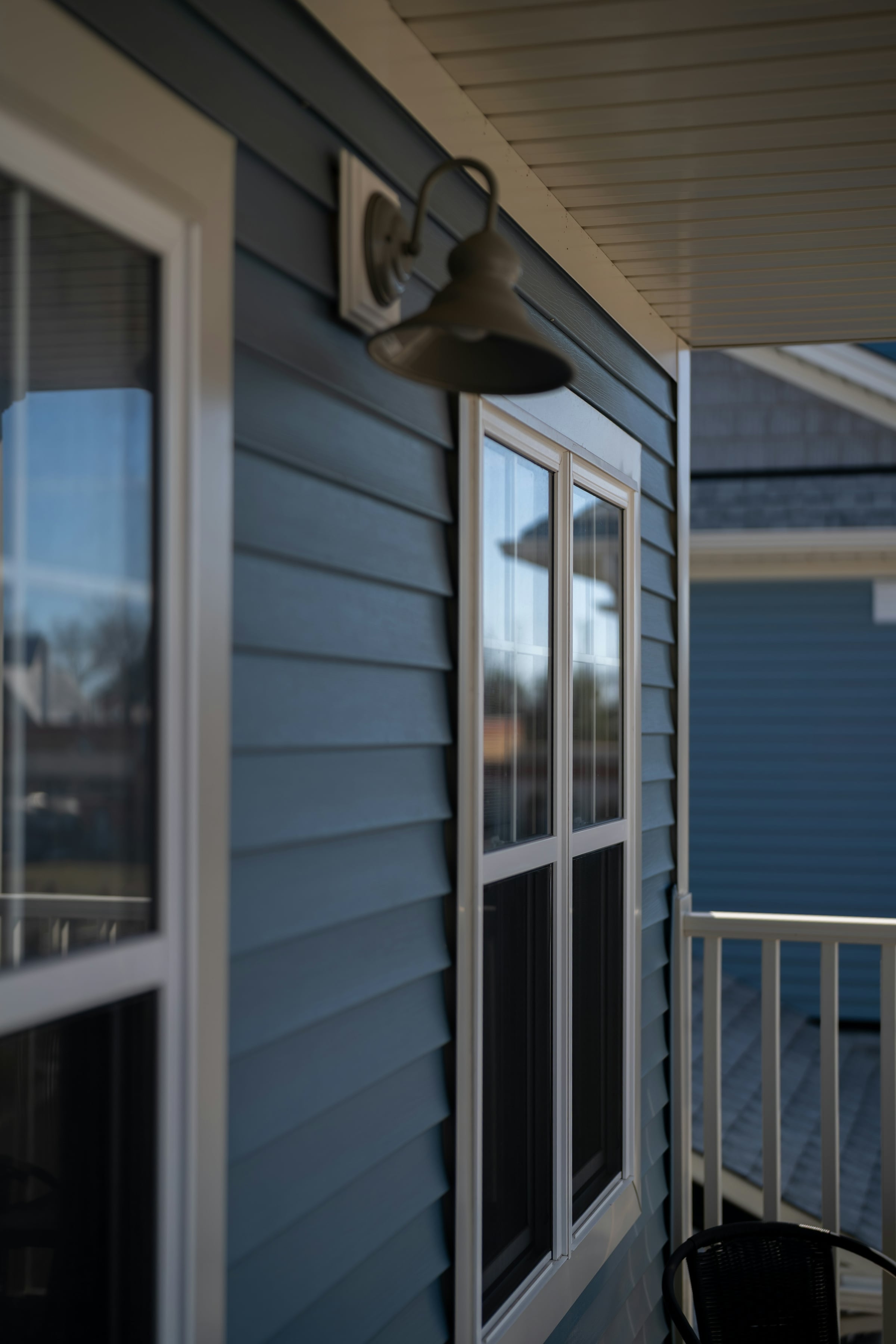
The quickest window check on a showing is to open and close every window, look for fog or moisture between the panes, and press on the wood around each frame for soft spots. Do the same walk outside along the siding. These two checks tell you whether you are looking at a cosmetic touch-up or a water problem that will show up on the inspection report.
Virginia home inspectors look at windows, siding, flashing and trim as part of a standard inspection. The rules are in Virginia’s standards of practice for home inspectors, 18VAC15-40-130, which list siding, flashing and trim under item (C)(3)(a) and windows and doors under (C)(3)(b). This guide covers what to look at yourself, what the inspector will and will not cover, and what to know about older windows with lead paint.
A five-minute window walk-through at the showing
Take your phone and go room by room. You are looking for things you can see and touch without tools.
- Open and close each window. Note any that stick, will not stay up, or are painted shut. ENERGY STAR lists windows that do not open as a reason owners consider replacement, because they block fresh air and are harder to clean.
- Look between the panes. On double-pane units, cloudiness or moisture inside the glass points to a failed seal. ENERGY STAR says these units lose insulating power and become hard to see through.
- Check the sills and sashes. ENERGY STAR describes degraded sills and sashes as a way water gets into walls and pests get inside. Look for dark staining, peeling paint, and wood that gives under a thumb.
- Look at the ceiling and wall below each window. Brown rings or bubbling paint under a window can mean water has been getting in for a while.
- Feel for drafts on a windy day. A cold edge on the back of your hand along the frame is easy to notice.
Failed seals, drafts and what they mean for you
A fogged double-pane window is a known, fixable item, but it is also a sign to look at how many windows are affected. One cloudy unit is a negotiating note. A dozen is a replacement project, and ENERGY STAR notes that replacing 8 to 12 windows at once can lower the per-window price. It also says its products are specified by climate zone, so ask any window contractor which rating applies to central Virginia rather than assuming one label fits every home.
Drafts do not always mean a window has to go. ENERGY STAR’s sealing guidance for windows and doors says to hold a lit incense stick near the seams and watch whether the smoke bends, or to close a window on a sheet of paper and see if it slides out easily. It lists foam sealant, backer rod or insulation for larger gaps and caulk for gaps of a quarter inch or less. Its page on when to replace windows lists single-pane glass, air leaks, failed seals and windows that will not open as the main signs. Single-pane windows insulate poorly and usually lack coatings that block summer solar heat.
If the house also feels uneven in temperature, read our guide to attic insulation and ventilation, since drafts and attic problems often get blamed on each other.
Get a saved search for homes you can tour this month
Tell us the areas you are watching and we will send new listings as they appear, so you can use this checklist on the houses that fit your budget. You can also browse current listings yourself.
Siding, flashing and trim: where water gets in
Water usually enters at joints, not in the middle of a wall. Walk the outside and look at these spots first:
- Where siding meets window and door trim. Look for gaps in the caulk, swollen edges and paint that has lifted.
- The bottom edge of the siding. Rot and stains tend to start where siding sits close to the ground or where water splashes back.
- Flashing above windows and doors. Metal or membrane flashing should direct water out and over the siding. Missing or bent flashing is worth a photo.
- Trim boards and corner boards. Press gently with a key or fingertip. Soft wood needs a closer look by a pro.
- Cracked, loose or missing pieces. Vinyl, fiber cement and wood all show damage differently, so note what you see and ask the inspector to explain it.
Houses in older parts of the City of Richmond, such as The Fan and Church Hill, and in places like Bon Air, can have original wood windows and trim, so the same walk applies. Where the siding stops and the ground begins is also where gutters and grading matter. Our guides on wet crawl spaces and sump pumps show what to look for below the walls.
Windows in homes built before 1978: lead paint
EPA’s Protect Your Family From Lead in Your Home says homes built before 1978 are more likely to contain lead-based paint, and the odds rise with the home’s age. Consumer use of lead paint was banned in 1978. The pamphlet notes that paint on friction surfaces such as windows can be a hazard even when it looks sound, because opening and closing wears paint into dust.
For a pre-1978 purchase, the pamphlet says federal law requires sellers and agents to disclose what they know about lead paint, share any records, include a warning statement, and give buyers up to 10 days to have a certified inspector or risk assessor check for lead. It separates two services: an inspection tells you whether lead paint is present and where, and a risk assessment tells you whether hazards from paint, dust or soil exist now and what to do. A standard home inspection does not replace either. ENERGY STAR also warns that removing windows in a pre-1978 home calls for lead-paint precautions, and its sealing page points owners to EPA lead-safe guidance before disturbing paint.
What your Virginia home inspector covers, and what stays off the list
The standards cover what is readily accessible and readily observable. Anything the inspector cannot reach or does not inspect must be named in the report with a reason. Here is how the exterior items from 18VAC15-40-130 line up:
| Item | Standard reference | Status |
|---|---|---|
| Siding, flashing and trim | (C)(3)(a) | Inspected |
| Windows and doors | (C)(3)(b) | Inspected, except operating security locks and devices |
| Eaves, soffits and fascia | (C)(3)(d) | Inspected where readily accessible from the ground |
| Storm windows, storm doors, shutters, awnings | Exterior exclusions | Listed as not inspected |
| Uninspected items in general | (D) | Must be named in the report with an explanation |
That means a rotted trim board is in scope, but a lock that is broken is not, and neither are storm windows. Lead paint, hidden rot inside a wall, and the cost of a repair are also outside what the standard exterior review gives you, so ask for a specialist when the inspector flags something. Our full Richmond home inspection guide explains how the process fits into your contract timeline.
Turning findings into next steps
Rank what you saw. Active water damage and rot come first, then failed seals and drafts, then cosmetic items. Ask the inspector which windows were operated and which were blocked by furniture or paint. If you plan to finance repairs, a lender on our preferred lenders page can explain which loan types allow renovation money, and our buyer page shows how we handle repair requests during the inspection period.
Keep this checklist for every showing
Share the areas and the home features you want, and we will send matching homes so you can run the same window and siding walk on each one.
Frequently asked questions
Should I be worried about a single foggy window?
Usually it is a negotiating note rather than a deal-breaker. ENERGY STAR describes cloudiness or moisture between panes as a failed seal that cuts insulating power. Count how many windows are affected and ask the inspector to list them in the report.
Does the paper test or incense test work at a showing?
Both are simple screening tools from ENERGY STAR’s sealing guidance. Close a window on a sheet of paper and see if it slides out easily, or watch whether incense smoke bends near the seams. They only flag a possible leak. They do not replace the inspection.
Do I have to replace painted-shut windows?
Not necessarily. ENERGY STAR lists windows that will not open as a reason people consider replacement, mainly for ventilation and cleaning. Ask the inspector whether the sash is simply stuck or the frame is damaged.
Is lead paint testing part of a regular home inspection?
No. EPA’s pamphlet describes lead-based paint inspections and risk assessments as separate services done by certified professionals, using portable XRF devices or lab samples. Federal law gives buyers of pre-1978 homes up to 10 days to arrange one.
How do I find a certified lead risk assessor?
EPA’s pamphlet points buyers to its lead professional search at cdxapps.epa.gov/leadpro. Confirm the assessor’s certification before you hire.
What should I do before removing or scraping old window paint?
ENERGY STAR and EPA both say to check lead-safe guidance first on homes built before 1978. EPA also has a Renovation, Repair and Painting program for contractors and homeowners. Do not sand or dry-scrape paint you have not tested.
Can I ask the seller to fix siding damage?
Yes, repair requests are part of the inspection period in most Virginia contracts, and your agent can write one based on the report. This is general information, not legal advice. A Virginia real estate attorney can review contract wording.