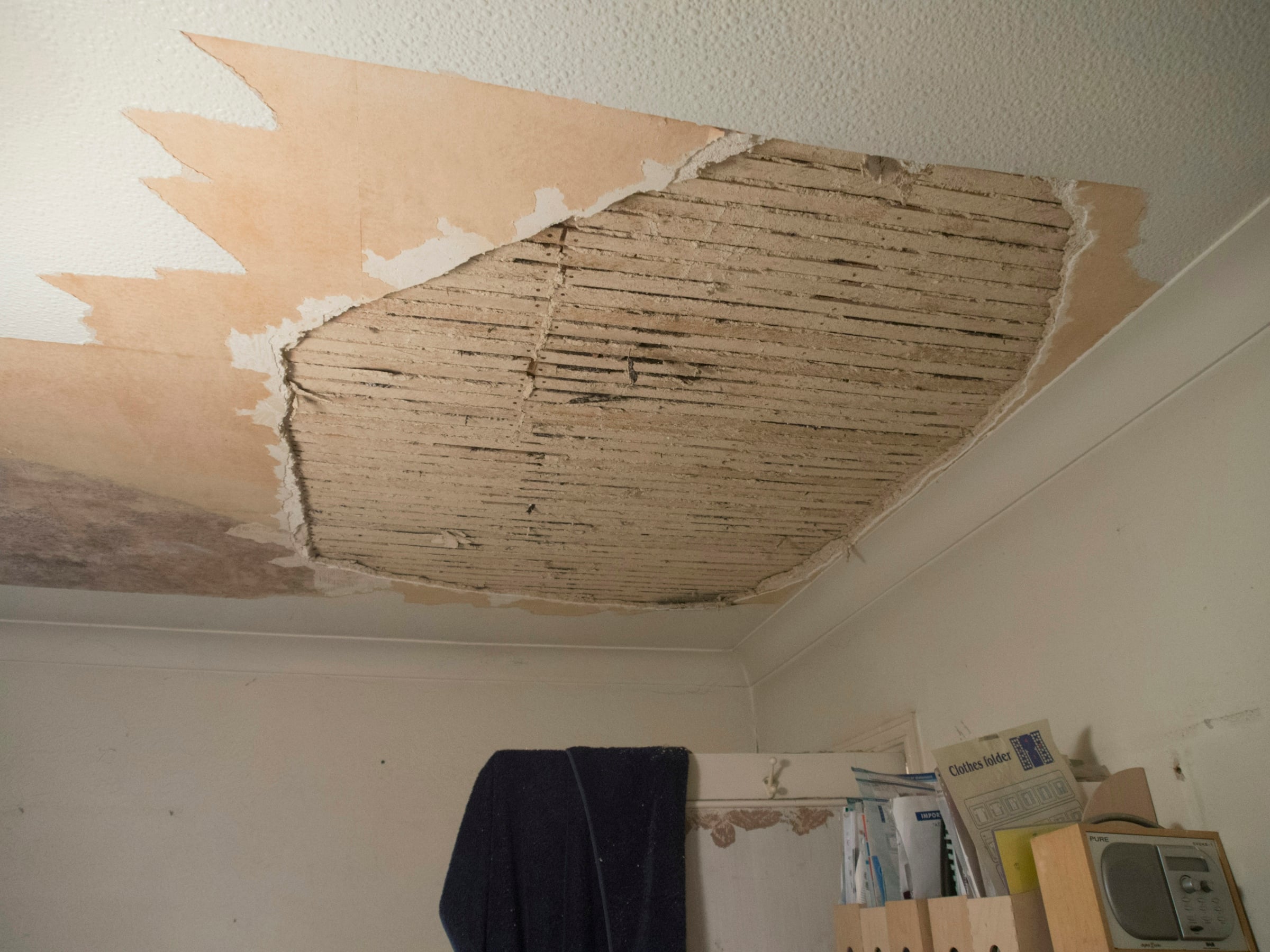
Picture the week after you accept an offer. The buyer’s inspection is done, the appraisal is ordered, and the buyer’s insurance agent calls with a question: why does the address show a water claim from three years ago? That question comes from the property’s claims history, and the report behind it is usually a CLUE report. Most sellers never think about it until it slows a closing. Here is what the report is, what a buyer’s insurer sees, and how to get ahead of it before you list.
The CLUE report in plain terms
CLUE stands for Comprehensive Loss Underwriting Exchange, a claims database run by LexisNexis Risk Solutions. Insurers contribute information about the claims they handle, and other insurers check it when someone applies for coverage. A home report is tied to the property as well as to the people who owned it, which is why a buyer’s insurer can see claims you filed, and sometimes claims filed by owners before you.
Entries typically show the date of loss, the type of loss (water, wind, hail, fire, theft, liability), the insurer, and the amount paid. The Consumer Financial Protection Bureau’s list of consumer reporting companies includes LexisNexis C.L.U.E. under personal property insurance, lists a free report option, and explains that property insurers buy claims and loss history data from companies like this to decide eligibility and rates. Because these are consumer reporting companies under the Fair Credit Reporting Act, you have the right to see what the report says about you and to dispute errors.
How long claims stay, and what counts as one
Claims stay on the report for several years. We could not verify a specific number on an official Virginia or federal page, so when you request your report, check how far back it goes rather than assuming.
What counts is broader than most sellers expect. A claim that was opened and closed with no payment, for example because the damage came in under the deductible, can still appear. Depending on how an insurer logs it, a call to report damage can create an entry even if you decide not to pursue it. If you are unsure whether a loss is worth filing, ask your insurance agent how your company records a first report of damage before you call the claims line.
What a buyer’s insurer sees when it quotes your address
When a buyer applies for a homeowners policy on your house, the insurer typically weighs the property’s loss history alongside the buyer’s own history, the roof’s age and condition, and its other underwriting rules. The Virginia Homeowners Insurance Guide from the State Corporation Commission’s Bureau of Insurance, which regulates insurers in Virginia, notes that companies have different underwriting requirements and that a home in need of repair may not qualify for one of the usual homeowners policies. The Bureau collects its consumer material on its homeowners insurance page.
Three patterns get the most attention:
- Repeated water claims. Two or more water losses close together can point to a recurring problem, and some insurers decline or surcharge.
- Roof claims without a new roof. A wind or hail payout on a roof that was patched rather than replaced invites questions; see how roof age affects a Richmond sale, insurance and financing.
- Paid but unrepaired damage. Money that went out for a ceiling or floor that still shows the damage is the hardest entry to explain.
How these factors turn into a premium is covered in how homeowners insurance is priced in Richmond and what raises it.
Put your repair records and your price on the same page
If your home has a claim or two on its record, the repairs you documented are part of its value. Request a free home valuation and we will price your home against recent local sales with your completed, documented repairs taken into account.
Why a claims question can reach the closing table
A buyer using a mortgage needs proof of homeowners insurance before closing, because the lender requires it. If the buyer’s first-choice insurer declines, or quotes a premium that pushes the monthly payment past what the loan approval assumed, the buyer is shopping for coverage in the last weeks of the contract. That can push back settlement. Buyers line up lenders early; the earlier they also get an insurance quote, the fewer surprises for both sides.
That calendar is short in most of the metro. In August 2026, single-family homes sold in a median of 18 days Henrico County-wide and 22 days Chesterfield County-wide. These are locality-wide figures, not neighborhood figures.
| Locality (locality-wide) | Median sold price | Price change, 1 yr | Median days on market | Months of supply |
|---|---|---|---|---|
| City of Richmond, city-wide | $403,500 | -5.3% | 26 | 1.4 |
| Henrico County-wide | $425,000 | +7.9% | 18 | 1.6 |
| Chesterfield County-wide | $453,975 | +0.9% | 22 | 1.9 |
| Hanover County-wide | $510,000 | +6.3% | 24 | 2.3 |
| Richmond Metro | $450,000 | +3.7% | 22 | 1.8 |
| [DATA NEEDED: median price per square foot, August 2026, by area] | ||||
Month: August 2026. Source: CVR MLS via Richmond Association of REALTORS sortable monthly statistics (single-family table).
In the City of Richmond, the city-wide median rose to 26 days, up 44.4% from a year earlier, with only 1.4 months of supply. Henrico County held at 18 days, unchanged from August 2025, and Chesterfield County was at 22. Hanover County ran slower at 24 days, with 2.3 months of supply. Whatever the locality, a typical inspection, appraisal and insurance window fits inside a few weeks, so a claims question you could have answered in advance costs real time. You can see what comparable homes have closed for on our recently sold properties page.
Five steps to take before you list
- Request your own report. Use the LexisNexis consumer disclosure process listed by the CFPB. Check each entry: date, loss type, amount, and whether it is actually your property.
- Dispute what is wrong. If an entry is inaccurate, such as a claim at a different address or a loss type that does not match, file a dispute with the reporting company and keep copies of what you send.
- Build a repair file. For each claim, gather the adjuster’s estimate, contractor invoices, any permits, and photos of the finished work. A buyer’s insurer cares whether the damage was fixed properly, not just whether it was paid.
- Get an independent look at old damage. A pre-listing inspection can confirm that past water or roof damage was repaired, and a wood-destroying insect report can speak to lingering moisture damage in a crawl space.
- Answer disclosure questions accurately. Share what you know with your agent up front, so the listing and your answers to buyers match the record.
Disclosure: accuracy beats volume
Virginia is a buyer-beware state. Under Code of Virginia § 55.1-703, the standard disclosure statement says the owner makes no representations about the property’s condition and advises buyers to do their own due diligence, including a home inspection. That does not make it safe to misstate what you know. If a buyer asks whether the house has had water damage, a truthful answer backed by your repair file is far stronger than a vague one, and it is much harder to second-guess later.
If damage was paid for but never repaired, you have a decision to make before you list: fix it and document the work, or price the home to reflect it and sell with the condition disclosed. Our guide to selling a Richmond home that needs repairs walks through both.
Know your number before a buyer’s insurer weighs in
Pull your claims history, organize your repair records, and then ask for a free home valuation. We will price your home against recent sales with your documented repairs factored in, so the claims file supports your price instead of undercutting it.
Questions sellers ask about claims history
Can a buyer pull my CLUE report themselves?
Generally the report is released to the property owner, or to an insurer handling an application. A buyer usually learns about your history indirectly, through their insurer’s quote or decline, unless you share your report. Many sellers share it along with their repair records to head off surprises.
Do claims filed by a previous owner show up?
They can. Because the report is tied to the property, claims from earlier owners within the reporting window may appear. If you bought the house in the last several years, pull the report to see what came with it.
Will filing a small claim right before listing hurt my sale?
It can. A fresh claim adds a new entry just as buyers’ insurers start quoting your address. For a small loss near your deductible, weigh the payout against the record it creates and talk with your insurance agent first.
Is a CLUE report the same as my credit report?
No. A credit report covers borrowing and payment history and comes from the nationwide credit bureaus. A CLUE report covers insurance claims. Some insurers also use credit-based insurance scores, which are a separate tool again.
Does the buyer’s insurance quote affect the appraisal?
Not directly. The appraiser estimates market value for the lender, and the insurer decides whether and at what premium to cover the home. Both feed into whether the loan closes on time, so trouble with either can delay settlement.
What should I do if my report shows a claim I never filed?
Check whether it belongs to a prior owner or a different address, then dispute it with the reporting company in writing if it is wrong. Keep your dispute letter and any response in your listing file so you can show a buyer’s insurer the history was corrected.