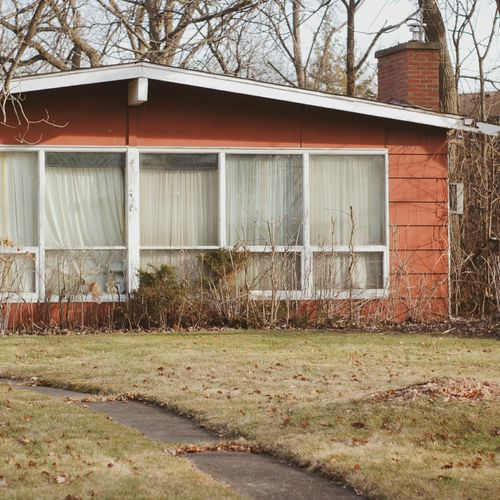
A pre-listing inspection is the same top-to-bottom visual look at a house that a buyer’s inspector will do, except you order it before the sign goes up. Sellers around Richmond ask us about it most when a house is 25 or more years old, when they have lived in it long enough to stop noticing things, or when a previous sale fell apart over an inspection list.
What you are actually buying with a pre-listing inspection
You hire a home inspector, they spend a few hours going through the structure, roof covering, attic, exterior, plumbing, electrical, heating and cooling, and interior finishes, and you get a written report with photos. In Virginia, home inspectors are licensed through the Board for Asbestos, Lead, and Home Inspectors at DPOR, and you can look up a license there before you hire anyone. If you need names, our list of local Richmond vendors is a starting point for inspectors and for the contractors you may need afterward.
What a standard inspection leaves out matters just as much. Radon testing, sewer scopes and wood-destroying insect reports are usually separate add-ons, which we walk through in what a Richmond home inspector will not cover. The wood-destroying insect report in particular is its own document, often required by a buyer’s lender or contract, and our guide to the wood-destroying insect report and crawl space findings explains when it comes up and what a crawl space note tends to mean.
Virginia’s buyer-beware rule, and why knowing about a defect changes things
Virginia’s Residential Property Disclosure Act (Code of Virginia § 55.1-700 and following) is a buyer-beware system. Under § 55.1-703, the seller furnishes a disclosure statement provided by the Real Estate Board, in which the owner makes no representations or warranties about the condition of the property, and the buyer is advised to do their own due diligence, including a home inspection. The Code currently shows two versions of § 55.1-703: one effective until January 1, 2027, and a revised version effective that day that adds an item about use-value assessment and roll-back taxes. The buyer-beware structure is the same in both.
Buyer-beware is not permission to hide things. The owner-liability section, § 55.1-710, shields an owner from liability for errors or omissions in information delivered under the Act when, among other conditions, the error was not within the owner’s actual knowledge. Separately, sellers can face misrepresentation or concealment claims if they actively mislead a buyer about a known material defect, such as painting over a fresh water stain or answering a direct question falsely. How those rules apply to a particular house is a question for a Virginia real estate attorney, not for us.
The practical point: a pre-listing inspection turns guesses into actual knowledge. Once a report says the chimney crown is cracked or the attic shows old leak staining, you know it. That is not a reason to avoid the inspection, since a buyer’s inspector will probably find the same items. It is a reason to decide before you list how you will handle each finding honestly. § 55.1-710 also says that delivering a report from a licensed home inspection expert in response to a buyer’s request can satisfy the Act for matters within that professional’s expertise; ask your attorney how that applies before relying on it.
Repair it, price it in, or disclose it: how findings change your number
Every item on the report lands in one of three buckets. The right bucket depends on the item, your budget, and how quickly homes like yours are selling.
Repair first
This fits items a buyer’s lender, appraiser or insurer is likely to flag: an active roof leak, missing stair handrails, exposed wiring, a failing water heater, standing moisture in the crawl space. These tend to come back as repair requests or loan conditions anyway, and fixing them on your own timeline with your own contractor usually costs less than negotiating a credit under a contract deadline. Keep invoices and permits, because they become part of your listing packet. The roof deserves its own look because it drives insurability; see how roof age affects a Richmond sale, insurance and financing. Past insurance claims on the house matter too; our guide to your home’s claims history and the CLUE report explains what a buyer’s insurer will see.
Price it in
This fits big-ticket items near the end of their life that still work: a 20-year-old heat pump, an original deck, older windows. Replacing them before listing rarely returns the full cost. Instead, the list price reflects them, and the report gives your agent a factual reason for the number. Our guide to pricing your Richmond home to sell covers how condition is weighed against comparable sales, and you can see what has closed near you on our recently sold properties page.
Disclose and sell as-is
This fits a house that needs more work than makes sense for you to take on, or one whose likely buyer is an investor or renovator. Selling as-is still means being accurate about what you know. Our guides on selling a Richmond home that needs repairs and selling your Richmond home as-is walk through both routes, including how offers tend to change.
A rule of thumb we use with sellers: fix what blocks a loan or an insurance policy, price in what is old but working, and put the whole report on the table rather than handing over selected pages.
Find out what your home is worth with the report in hand
Once you know what the inspector found, the next question is what it does to your price. Request a free home valuation and we will price your home against recent local sales with your repair list factored in, item by item.
What a pre-listing inspection costs, and what moves the quote
We are not going to print a dollar figure here, because we do not have a published Richmond-area source for inspection fees to point you to, and quotes vary by company. What we can do is list what drives the quote so you can compare inspectors fairly:
- Size and age. Larger and older homes take longer. A 1920s house in the City of Richmond with a basement, a crawl space under a later addition and original wiring is a different job from a 2015 two-story in Chesterfield County.
- Foundation type. Crawl spaces take time to enter and document, and many older homes across the metro have them.
- Add-ons. Radon, sewer scope, wood-destroying insect report and mold sampling are usually priced separately.
- Outbuildings and private systems. Detached garages, pools, wells and septic systems add time or call for a separate specialist.
- Re-inspection. Some inspectors charge to come back and confirm repairs were made.
Get two or three written quotes that spell out what is included, and confirm each inspector’s license with DPOR.
When to skip it: newer homes, as-is sales and fast markets
Newer homes still under a builder warranty
If your home is only a few years old and still inside a builder’s structural or systems warranty, a buyer’s inspection is unlikely to turn up much a warranty claim would not already address. Put the warranty paperwork in the listing packet instead; a home warranty is a different product but can reassure buyers the same way.
As-is and investor sales
If your likely buyer is a cash investor or renovator who plans to redo the systems anyway, a detailed report mostly tells them what they already assumed.
Fast local markets
Where homes go under contract in two to three weeks, buyers compete on terms, and some narrow their repair requests. There, the weeks spent on an inspection and repairs can cost you more in market timing than they save. Here is how single-family homes sold by locality in August 2026. These are county-wide and city-wide figures, not neighborhood figures.
| Locality (locality-wide) | Median sold price | Price change, 1 yr | Median days on market | Days on market change, 1 yr | Months of supply |
|---|---|---|---|---|---|
| City of Richmond, city-wide | $403,500 | -5.3% | 26 | +44.4% | 1.4 |
| Henrico County-wide | $425,000 | +7.9% | 18 | 0.0% | 1.6 |
| Chesterfield County-wide | $453,975 | +0.9% | 22 | -4.3% | 1.9 |
| Hanover County-wide | $510,000 | +6.3% | 24 | +9.1% | 2.3 |
| Powhatan County-wide | $551,975 | +0.2% | 19 | -17.4% | 3.5 |
| Goochland County-wide | $688,702 | +17.7% | 30 | -6.3% | 2.7 |
| Richmond Metro | $450,000 | +3.7% | 22 | +4.8% | 1.8 |
| [DATA NEEDED: median price per square foot, August 2026, by area] | |||||
Month: August 2026. Source: CVR MLS via Richmond Association of REALTORS sortable monthly statistics (single-family table). Closed sales in August: Powhatan 24, Goochland 33.
Henrico County had the lowest median days on market of the six localities at 18, with 1.6 months of supply, so a well-priced Henrico home in good shape may sell cleanly without a report of its own. In the City of Richmond, median days on market rose 44.4% from a year earlier to 26 while supply tightened to 1.4 months, which points to buyers taking more time to decide; the city’s older housing is also where pre-listing reports tend to find the most. In Hanover County and Goochland County, medians of 24 and 30 days leave more room for buyers to negotiate after their own inspection, and that is where knowing your list first can pay off. Powhatan County moved quickly at 19 days but had 3.5 months of supply, the most of the six, so buyers there have other options if an inspection goes badly.
Price your home with its condition in mind
Whether you order a pre-listing inspection or not, the number that matters is what your home will sell for as it stands today. Ask for a free home valuation and we will show you where it lands against recent sales, with any repair list factored in. When you are ready for the next step, here is how we sell homes.
Seller questions about pre-listing inspections
Do I have to give buyers a copy of my pre-listing inspection report?
The sections of the Residential Property Disclosure Act we reviewed do not require a seller to hand over a private inspection report. But once the report tells you about a material defect, you know about it, and you should not answer buyer questions in a way that contradicts it. Many sellers share the full report because it builds trust and shortens negotiations. Ask a Virginia real estate attorney before deciding.
Will a buyer skip their own inspection if I provide one?
Rarely. Buyers want an inspector who works for them, and most purchase contracts give the buyer an inspection period either way. Expect your report to shape the conversation, not replace the buyer’s inspection.
How far ahead of listing should I schedule it?
We suggest three to four weeks before your target list date, and longer if you expect roof, heating and cooling, or crawl space work. That leaves time for contractor quotes, repairs and invoices before photos.
Should I fix every item on the report?
No. Most reports list dozens of minor items such as loose outlet covers, worn caulking and missing downspout extensions. Focus on safety issues, active water intrusion, structural concerns and anything a lender or insurer is likely to require, and leave cosmetic items as known conditions.
Does a clean report mean the buyer cannot ask for repairs?
No. A buyer can still request repairs or a credit based on their own inspection, and their inspector may note items yours did not. A clean report mostly narrows how much there is to negotiate.
Is a pre-listing inspection the same as an appraisal?
No. An appraisal estimates market value for the buyer’s lender and is ordered after you are under contract. An inspection documents condition. A condition problem can affect an appraisal if the appraiser flags it, but they are separate reports by separate professionals.
How long does a pre-listing inspection stay useful?
As long as the house has not changed. If your listing sits for several months, or a storm, leak or freeze happens in the meantime, the report can go stale. Put the inspection date on anything you share and update it if something changes.