Living in Bellevue, Virginia: Schools, Parks, Prices & What Buyers Need to Know in 2026
A 1920s streetcar suburb in Richmond’s Northside where porches, alleys and a walkable commercial strip still come without Fan-level pricing
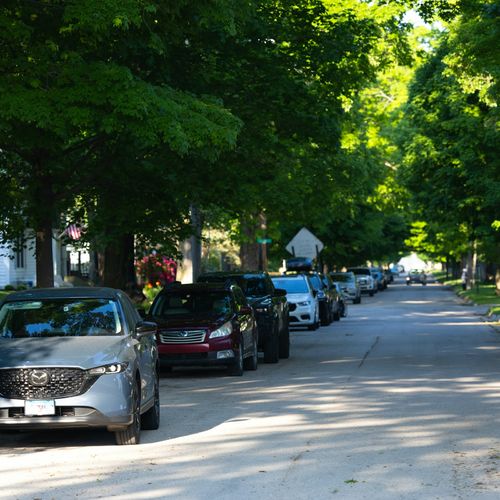
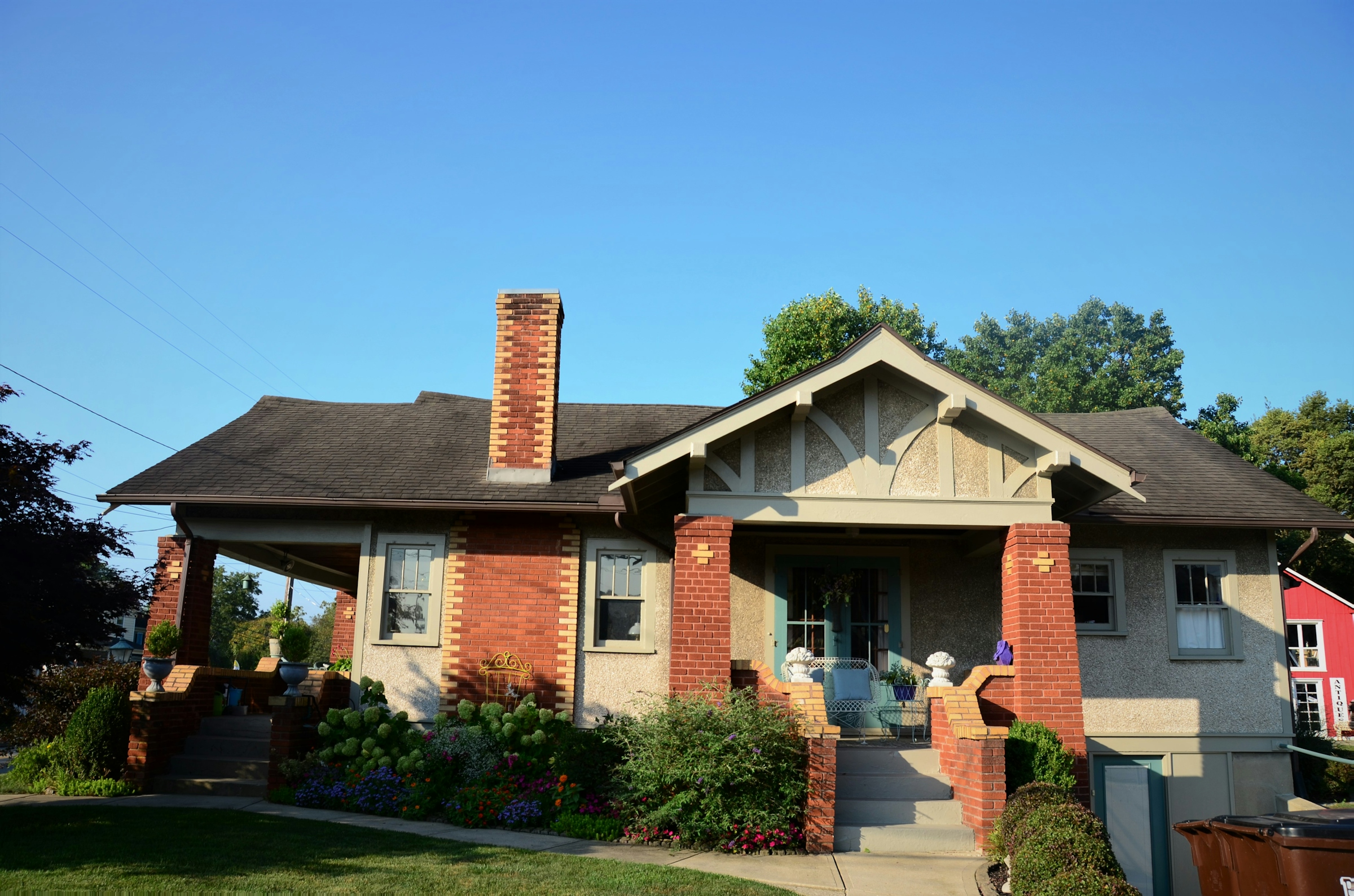
Bellevue is a neighborhood in Richmond’s Northside, developed largely in the 1920s along the old streetcar routes that ran up Brook Road and Hermitage Road. It is a compact grid of craftsman bungalows and American Foursquares with deep front porches, rear alleys and a heavy canopy of mature street trees, anchored by a small commercial node on MacArthur Avenue with restaurants, a coffee shop and a hardware store. That combination gives Bellevue genuine everyday walkability at a level of pricing well below the Fan or the Museum District, which is the single biggest reason buyers keep finding their way here. The neighborhood sits beside Ginter Park and Rosedale, close to Union Presbyterian Seminary and Virginia Union University, minutes from Bryan Park and a short drive from Lewis Ginter Botanical Garden, with downtown Richmond and the VCU Health campus roughly eight to fifteen minutes away by car. Richmond Public Schools serves the area, and attendance zones should always be verified directly with the division. The tradeoff is the age of the housing: knob-and-tube wiring remnants, original galvanized or cast iron plumbing, unconditioned crawl spaces, original windows and pre-1978 lead paint disclosures are all normal here. Buyers searching Bellevue Richmond VA homes for sale, Northside Richmond real estate, MacArthur Avenue Richmond and Bellevue Richmond schools will find the practical detail below. The Mission Realty Team serves Richmond, Henrico, Chesterfield, Goochland, Hanover and Powhatan.
Table of Contents
- What Bellevue Actually Is and How It Came to Be
- The Housing Stock: Bungalows, Foursquares and Alleys
- What a 1920s Bellevue House Actually Requires
- MacArthur Avenue and Everyday Walkability
- Schools and the Institutions Around Bellevue
- Parks, Gardens and Recreation
- Commuting, Roads and Getting Around
- What Actually Drives Prices in Bellevue
- Who Bellevue Suits, and the Honest Tradeoffs
- Frequently Asked Questions
Bellevue is one of those Richmond neighborhoods that people describe by its details rather than its boundaries. A brick-and-shingle bungalow with tapered porch columns. A sidewalk buckled slightly by the roots of a willow oak planted a century ago. A rear alley where the trash goes out and the neighbors actually talk. Two blocks of storefronts where you can get coffee, a plate of dinner and a box of drywall screws without moving your car. That texture is the product of a specific moment in the city’s growth, and understanding that moment tells you almost everything you need to know about buying here.
Northside developed outward from downtown Richmond along streetcar lines, and Bellevue is one of the pockets that filled in during the 1920s along the Brook Road and Hermitage Road corridors. Because streetcar riders had to walk from the stop to their front door, the houses were built close together on modest lots in a tight grid. That geometry is now the neighborhood’s greatest asset. A hundred years after the last streetcar, Bellevue still has the compact, sidewalk-first layout that new subdivisions spend fortunes trying to imitate.
The Mission Realty Team writes these neighborhood guides the way we would brief a client in the car, which means we will describe what drives value in Bellevue structurally and in detail, and we will not print price figures. Any median or average we published here would be stale within weeks, and a stale number in a buyer’s head is worse than no number at all. When you want real Bellevue comparables, call us and we will pull them for the specific blocks you are considering.
What Bellevue Actually Is and How It Came to Be
Bellevue sits in the northern part of the City of Richmond, north of downtown and east of the Hermitage Road corridor, in the broad area residents simply call Northside. It is a city neighborhood, not a county subdivision, which means city services, city real estate tax rates and Richmond Public Schools. It also means sidewalks, street trees, alleys and a level of density you do not find in Henrico or Chesterfield.
The neighborhood took its present shape in the 1920s, when Richmond’s streetcar system made it practical to live a few miles from downtown and still get to work without a car. Developers platted the grid, builders filled it with catalog-influenced bungalows and Foursquares, and the city planted the street trees that now form a continuous canopy over much of the area. Bellevue was platted for modest single-family houses rather than as an estate district, and that origin is why its houses are modest, its lots are ordinary and its blocks are consistent.
What makes Bellevue distinctive among Richmond’s streetcar suburbs is that it kept its commercial core. Many similar neighborhoods lost their corner stores to mid-century car culture. Bellevue’s MacArthur Avenue strip survived, went through a long quiet stretch, and has spent the last couple of decades filling back in with independent businesses. A neighborhood with a working main street behaves differently from one without.
The Housing Stock: Bungalows, Foursquares and Alleys
Two house types dominate Bellevue. The first is the craftsman bungalow, typically one or one and a half stories, wide rather than deep, with a full-width front porch carried on tapered columns, exposed rafter tails under broad eaves, and a mix of brick and wood shingle on the exterior. The second is the American Foursquare, a boxy two-story with a hipped roof, a center dormer and four rooms per floor. Both were built in volume, both were built to compact floor plans on standard lots, and both are why Bellevue reads as a smaller-scale, simpler-detailed neighborhood than the Fan.
Inside, expect original hardwood floors under whatever the last owner put down, plaster walls on wood lath, tall baseboards, and a floor plan of defined rooms rather than open space. Kitchens were small because kitchens were work rooms in 1925. Closets were small because people owned fewer clothes. Bathrooms are often original in number even when renovated in finish, which is why a Bellevue house with two full baths commands attention.
The porch deserves its own mention because it is functionally part of the house here. Bellevue porches are deep enough to hold furniture and shaded enough to use in July, and the social life of the neighborhood happens on them. The rear alleys are the other structural feature worth noting: they handle refuse collection, provide off-street parking behind many houses, and account for the absence of driveways cutting across front yards.
What a 1920s Bellevue House Actually Requires
This is the part of the Bellevue conversation that separates a happy purchase from a stressful one. Houses of this era are well built, with old-growth framing and real plaster, but their systems were designed for a household with a radio and a single ceiling fixture per room. Some have been comprehensively modernized. Some have been patched repeatedly. Your inspection needs to determine which.
On electrical, look for remnants of knob-and-tube wiring in attics and crawl spaces, undersized service panels, and the absence of grounded outlets. Partial rewires are extremely common, meaning the visible outlets are modern while original circuits still run behind the plaster. On plumbing, original galvanized steel supply lines corrode from the inside and lose pressure, and cast iron drain and waste lines eventually fail at the joints. Ask whether the sewer lateral from the house to the main has been scoped by camera, because that is a genuinely expensive repair and it is invisible in a standard inspection.
Then there is the crawl space. Most Bellevue houses sit over an unconditioned crawl space, and Richmond’s humidity makes that space a moisture management problem rather than a neutral void. Look for standing water, a torn or absent vapor barrier, insulation falling out of the floor joists, fungal growth on framing, and evidence of termite treatment. Original wood windows are usually repairable and often preferable to replacements, but sash cords, glazing putty and paint condition all cost money. Finally, any home built before 1978 carries a federal lead-based paint disclosure requirement, which matters most for households with young children.
MacArthur Avenue and Everyday Walkability
MacArthur Avenue is the reason many buyers choose Bellevue over an otherwise comparable Richmond neighborhood. The commercial node there is small by design, a couple of blocks of low storefronts rather than a shopping district, and it holds the kind of businesses that make a neighborhood self-sufficient: places to eat, a coffee shop where people linger, and a neighborhood hardware store, which is a genuinely rare amenity in a modern American residential area.
The practical effect is that a meaningful share of Bellevue errands happen on foot. That changes how the neighborhood feels on a Saturday morning and it changes the buyer pool, because households that specifically want walkability will pay for proximity to those blocks. It is also worth being realistic about scale. This is not a full grocery and services district. Larger supermarkets, pharmacies and big-box retail are a short drive away along Brook Road, Lakeside Avenue and toward the Willow Lawn area, not a walk.
Bellevue also benefits from being adjacent to other established Northside neighborhoods rather than isolated. Ginter Park lies immediately to the north with its grander early-1900s houses and wide planted medians, and Rosedale and the Lakeside Avenue corridor continue north and west with more brick Capes and ranches. The whole area functions as one connected fabric of older housing, which supports values across all of it.
Schools and the Institutions Around Bellevue
Bellevue is inside the City of Richmond, so Richmond Public Schools is the school division serving the neighborhood. For high school, Northside addresses have generally been served by John Marshall High School, and Richmond Public Schools also operates specialty and application programs, including Open High School, Richmond Community High School, Franklin Military Academy and the regional Maggie L. Walker Governor’s School for Government and International Studies, which draws students from participating divisions across the region by application.
We need to be direct about verification here. Attendance boundaries in Richmond have been redrawn more than once, school buildings have opened and been repurposed, and the zone that applies to a specific address is a matter of current division policy rather than neighborhood reputation. Confirm the elementary, middle and high school assignment for the exact street address with Richmond Public Schools directly before you write an offer, and confirm it again if you are buying for a school year that has not started yet. We also do not publish school ratings or test scores, because those change annually and are not a substitute for touring a building and talking to families in it.
The institutional presence around Bellevue is a real part of the neighborhood’s character. Union Presbyterian Seminary and Virginia Union University are both nearby, and Virginia Union’s campus on Lombardy Street is one of the historically Black colleges and universities that shaped Richmond’s Northside. Institutions like these bring stable employment, cultural events and a steady population of faculty and staff who live locally, all of which tends to stabilize a housing market.
Parks, Gardens and Recreation
Joseph Bryan Park is Bellevue’s major green space and it is a substantial one. The park holds a well-known azalea garden that draws visitors during spring bloom, a network of walking and running trails through mature woods, ponds, picnic shelters, athletic fields and a disc golf course. Having a large wooded city park within a short drive or a long walk, rather than a small pocket playground, is a meaningful quality-of-life difference and one Northside residents use constantly.
Lewis Ginter Botanical Garden is a short drive north on Lakeside Avenue in Henrico County. It is one of the region’s most visited attractions, with a conservatory, a children’s garden and a heavily attended winter light show, and many Northside households treat it as a membership they use year round rather than an occasional outing. Between Bryan Park and Lewis Ginter, this part of Richmond has an unusual concentration of designed and natural landscape for an in-town location.
Beyond those two, Northside residents reach the James River Park System in about fifteen minutes, which puts riverside trails, rapids overlooks and the Pipeline and Belle Isle areas within easy range for an afternoon. The Virginia Museum of Fine Arts, the Science Museum of Virginia and the Diamond District along Arthur Ashe Boulevard are all a similarly short drive south. For a neighborhood of century-old bungalows, Bellevue is well positioned for both green space and city amenities.
Commuting, Roads and Getting Around
Bellevue’s location is one of its strongest practical arguments. From most of the neighborhood you are roughly eight to fifteen minutes by car from downtown Richmond and from the VCU Health campus, depending on the time of day and your route. For anyone working in state government, at a downtown law or accounting firm, or in the medical campus, that is about as short a commute as the region offers from a single-family house with a yard.
Brook Road and Hermitage Road are the neighborhood’s main north-south arteries and connect quickly to Interstate 64, Interstate 95 and the Downtown Expressway system. Chamberlayne Avenue provides another route south. Westbound trips to the Innsbrook office park or Short Pump generally run against the heaviest flow and are manageable, though the I-64 and I-95 interchange north of downtown is a reliably congested piece of road at peak hours and worth driving before you commit.
Public transit exists and is usable but is not comprehensive. GRTC operates bus routes through Northside, and the Pulse bus rapid transit line runs along Broad Street, which is accessible from the neighborhood’s southern reaches. Most Bellevue households still own cars. Cycling into downtown is realistic for confident riders, and the neighborhood’s flat grid makes local cycling easy, though Brook Road crossings require attention.
What Actually Drives Prices in Bellevue
We do not publish median sale prices, days on market or year-over-year percentages for Bellevue, and we want to explain why rather than just decline. Those figures move constantly, a blog post captures them at one moment, and buyers who anchor to a stale number either overpay out of fear or lose a house they wanted because they thought it was mispriced. What does not go stale is the structure of value, and in Bellevue that structure is unusually legible.
Five things move a Bellevue price. First, the extent of systems modernization: a house with updated electrical service, replaced supply plumbing, a newer roof and functioning central air is in a different category from one that has been maintained but not modernized, even if they look similar from the sidewalk. Second, block and street. Bellevue is small, and proximity to MacArthur Avenue, to the Ginter Park edge, or to a busier through street like Brook Road all register with buyers. Third, the kitchen and bathroom count and condition, because these houses were built with small kitchens and few baths and buyers pay real premiums for a sensitively expanded one.
Fourth, square footage and usable second-floor space. A bungalow with a genuinely finished, conditioned and code-height attic level lives much larger than its neighbor with a hot storage attic. Fifth, the lot: depth, whether there is off-street parking off the alley, whether the yard is usable and level, and how much of the canopy sits over the roof. Layer school zoning on top of those and you have most of the pricing story on any given street.
Who Bellevue Suits, and the Honest Tradeoffs
Bellevue suits buyers who want architectural character and a walkable pocket, who work downtown or on the medical campus, and who are genuinely comfortable owning a century-old house. It suits first-time buyers because the housing stock is modest by design and there is real depth of inventory at the smaller end. It suits people who like knowing their neighbors, because porches and alleys produce that whether you plan for it or not. It also suits buyers who have looked at the Fan and the Museum District, loved the feel and could not make the numbers work.
The tradeoffs are real and we would rather you hear them now. Closets and kitchens are small and cannot always be enlarged without moving walls. Mechanical systems are old or recently replaced, and there is not much middle ground. Yard space is modest. Street parking is the norm on some blocks. Condition varies from house to house and block to block more than in any planned suburb, so two houses that appear equivalent online can be tens of thousands of dollars apart in near-term work. And city taxes, services and school assignment operate differently from Henrico or Chesterfield, which matters if you are comparing across jurisdictions.
If you want a twenty-year-old house with a two-car garage, an open kitchen and a homeowners association mowing the common area, Bellevue is not it and western Henrico probably is. If you want a front porch on a tree-lined street eight minutes from downtown and you are willing to do some work, this is one of the best values in the City of Richmond. The Mission Realty Team will tell you plainly which of those two buyers you are after a single tour.
| Factor | Bellevue (Northside Richmond) | What it means for a buyer |
|---|---|---|
| Jurisdiction | City of Richmond | City tax rates, city services, Richmond Public Schools |
| Main building era | Largely 1920s streetcar-era development | Character housing with century-old systems |
| Dominant house types | Craftsman bungalows and American Foursquares | Modest square footage, deep front porches, defined rooms |
| Street pattern | Tight grid with sidewalks and rear alleys | Walkable blocks, alley parking, few front driveways |
| Walkable amenities | MacArthur Avenue restaurants, coffee, hardware store | Small errands on foot, groceries by car |
| Adjacent neighborhoods | Ginter Park, Rosedale, Lakeside Avenue corridor | Connected fabric of established older housing |
| Schools | Richmond Public Schools | Verify current zoning with the division for the exact address |
| Major green space | Joseph Bryan Park; Lewis Ginter a short drive | Trails, azalea garden, disc golf, fields close by |
| Drive to downtown | Roughly 8 to 15 minutes | Strong fit for downtown and VCU Health commuters |
| Transit | GRTC bus service; Pulse BRT on Broad Street | Usable but most households still own cars |
| Typical inspection focus | Wiring, supply plumbing, sewer lateral, crawl space, roof, windows | Age-specific inspection strategy is essential |
| Pre-1978 housing | Nearly all of it | Federal lead-based paint disclosure applies |
| Main tradeoff | Older systems, small closets, block-to-block variation | Budget for the first three years of ownership |
Frequently Asked Questions About Living in Bellevue, Richmond VA
Is Bellevue a good neighborhood in Richmond VA?
Yes, Bellevue is widely regarded as one of the better values in the City of Richmond for buyers who want character housing close to downtown. It offers 1920s craftsman bungalows and American Foursquares on a walkable tree-lined grid, a working commercial strip on MacArthur Avenue, and a drive to downtown of roughly eight to fifteen minutes. As with any older urban neighborhood, conditions and upkeep vary block to block, so tour at different times of day and ask specific questions about the exact streets you are considering. The Mission Realty Team can walk you through those block-level differences before you write an offer.
Where is Bellevue in Richmond, Virginia?
Bellevue is in Richmond’s Northside, north of downtown and generally between the Brook Road and Hermitage Road corridors. It sits immediately south and east of Ginter Park, with Rosedale and the Lakeside Avenue corridor extending north and west. It is inside the City of Richmond rather than in Henrico County, which determines its tax rates, services and school division. Joseph Bryan Park is nearby and Lewis Ginter Botanical Garden is a short drive north.
What kind of houses are in Bellevue Richmond?
Bellevue is dominated by craftsman bungalows and American Foursquares built largely in the 1920s. Bungalows here are typically one or one and a half stories with a full-width front porch on tapered columns, broad eaves and a mix of brick and wood shingle siding. Foursquares are boxy two-story homes with hipped roofs and a center dormer. Interiors commonly have original hardwood floors, plaster walls on wood lath, defined rooms rather than open plans, small kitchens and small closets, with rear alleys serving many blocks instead of front driveways.
What schools serve Bellevue in Richmond VA?
Richmond Public Schools is the division that serves Bellevue, and Northside addresses have generally been served by John Marshall High School. Richmond Public Schools also operates specialty and application programs, and the regional Maggie L. Walker Governor’s School for Government and International Studies accepts students by application from participating divisions. Attendance boundaries in Richmond have been redrawn more than once, so you must verify the current elementary, middle and high school assignment for the specific street address directly with the division. We do not publish school ratings or test scores because they change annually and are no substitute for touring a building yourself.
How much do homes cost in Bellevue Richmond VA?
Mission Realty does not publish median or average sale prices for Bellevue because any figure we printed would be stale within weeks and a stale number leads buyers to overpay or to walk away from a fairly priced house. What we can tell you is what drives price here: the extent of systems modernization, the block and its distance from MacArthur Avenue and from busier through streets, kitchen and bathroom count and condition, usable finished second-floor space, and lot depth and alley parking. For current Bellevue comparables adjusted for condition, call the Mission Realty Team at (804) 601-4960 and we will pull the recent closed sales for your specific blocks.
Is Bellevue Richmond walkable?
Bellevue is genuinely walkable for coffee, dinner and small errands, and car-dependent for most everything else. The MacArthur Avenue commercial node holds restaurants, a coffee shop and a neighborhood hardware store within a couple of blocks, and the neighborhood’s flat sidewalk grid makes those trips easy on foot. Full grocery shopping, pharmacies and larger retail are a short drive away along Brook Road, Lakeside Avenue and toward Willow Lawn. If you are moving from a dense city and expect to do a weekly grocery run without a car, calibrate that expectation before you tour.
What is MacArthur Avenue in Bellevue?
MacArthur Avenue is Bellevue’s small commercial main street and the amenity that most distinguishes the neighborhood from other Richmond streetcar suburbs. It is a couple of blocks of low storefronts rather than a shopping district, holding independent restaurants, a coffee shop and a hardware store. Many Richmond neighborhoods lost their corner commercial nodes to mid-century car culture, and Bellevue’s survival of that period is why the area still functions as a self-contained pocket. Proximity to those blocks is one of the clearest drivers of buyer demand within the neighborhood.
What should I inspect when buying a 1920s house in Bellevue?
Focus your inspection on the systems that were designed for a 1925 household rather than treating it as a general checkup. Look for remnants of knob-and-tube wiring in attics and crawl spaces, an undersized electrical panel and ungrounded outlets, original galvanized steel supply lines that corrode from the inside, and cast iron drain lines that fail at the joints. Have the sewer lateral scoped by camera, since that repair is expensive and invisible in a standard inspection, and examine the crawl space for standing water, a missing vapor barrier, fungal growth on framing and termite evidence. Also assess roof age, chimney condition and the state of the original wood windows.
Do Bellevue homes have crawl spaces or basements?
Most Bellevue houses sit over an unconditioned crawl space, though some have partial basements. In Richmond’s humid climate a crawl space is an active moisture management problem rather than a neutral void beneath the floor, so it deserves real attention on inspection. Look for standing water or damp soil, a torn or absent vapor barrier, insulation sagging out of the floor joists, wood-destroying insect damage and fungal growth. Encapsulation with a properly sealed liner and a dehumidifier is a common upgrade in this neighborhood and is worth pricing during your inspection period.
Does lead paint disclosure apply to Bellevue homes?
Yes, essentially every house in Bellevue predates 1978, so the federal lead-based paint disclosure requirement applies. Sellers must provide the required disclosure and pamphlet, and buyers have the right to a period to conduct a lead-based paint inspection or risk assessment. This matters most for households with young children or anyone planning to sand, scrape or demolish painted surfaces during a renovation. The presence of lead paint is normal in housing of this age and manageable, but it should shape how you plan and hire out any renovation work.
What parks are near Bellevue Richmond?
Joseph Bryan Park is Bellevue’s major green space, with a well-known azalea garden, wooded walking and running trails, ponds, picnic shelters, athletic fields and a disc golf course. Lewis Ginter Botanical Garden is a short drive north on Lakeside Avenue and includes a conservatory, a children’s garden and a heavily attended winter light show. The James River Park System, with riverside trails and the Belle Isle and Pipeline areas, is roughly fifteen minutes away. For an in-town neighborhood of century-old bungalows, that is an unusually strong concentration of parkland.
How long is the commute from Bellevue to downtown Richmond?
Most Bellevue addresses are roughly eight to fifteen minutes by car from downtown Richmond and from the VCU Health campus, depending on route and time of day. Brook Road, Hermitage Road and Chamberlayne Avenue are the primary connectors, feeding into Interstate 64, Interstate 95 and the downtown expressway system. Westbound trips toward Innsbrook or Short Pump generally run against the heaviest flow, though the interchange north of downtown is congested at peak hours. Drive your actual commute at the actual hour before you commit to a house.
Is there public transit in Bellevue Richmond?
Yes, GRTC operates bus service through Northside, and the Pulse bus rapid transit line along Broad Street is accessible from the neighborhood’s southern reaches. Transit here is usable for commuting downtown but it is not comprehensive enough that most households give up a car. The flat street grid makes local cycling easy and bike commuting downtown is realistic for confident riders, though crossings of Brook Road require care. Practically, plan on owning a vehicle and treating transit as a supplement.
Is Bellevue good for first-time home buyers?
Yes, Bellevue is one of the neighborhoods the Mission Realty Team most often points first-time buyers toward in the City of Richmond. Its housing stock was built modestly and in volume, which means there is real depth of inventory at the smaller end rather than a single suitable house at a time. The tradeoff is that you are buying a century-old house, so you should expect some combination of electrical, plumbing, crawl space, HVAC or roof work within your first few years. Getting contractor quotes during the inspection period rather than after closing is what turns those items into negotiating leverage.
What are the downsides of living in Bellevue Richmond?
The honest downsides are the age of the housing and the variability from house to house. Closets and kitchens are small and often cannot be enlarged without moving walls, mechanical systems are either old or recently replaced with little middle ground, yards are modest and street parking is the norm on some blocks. Condition varies enough that two Bellevue houses that look equivalent online can be far apart in near-term repair cost. If you want a two-car garage, an open kitchen and an association maintaining the common areas, western Henrico suits you better than Bellevue does.
Thinking About Buying in Bellevue?
The Mission Realty Team knows Bellevue block by block, including which streets have already had their wiring, plumbing and roofs brought up to date and which have not. We do not publish price figures that go stale within weeks, so ask us for current comparables instead. Call us at (804) 601-4960 or stop by 3701 Cox Rd, Richmond VA 23233 for a current list of Bellevue and Northside homes. We serve Richmond, Henrico, Chesterfield, Goochland, Hanover and Powhatan.