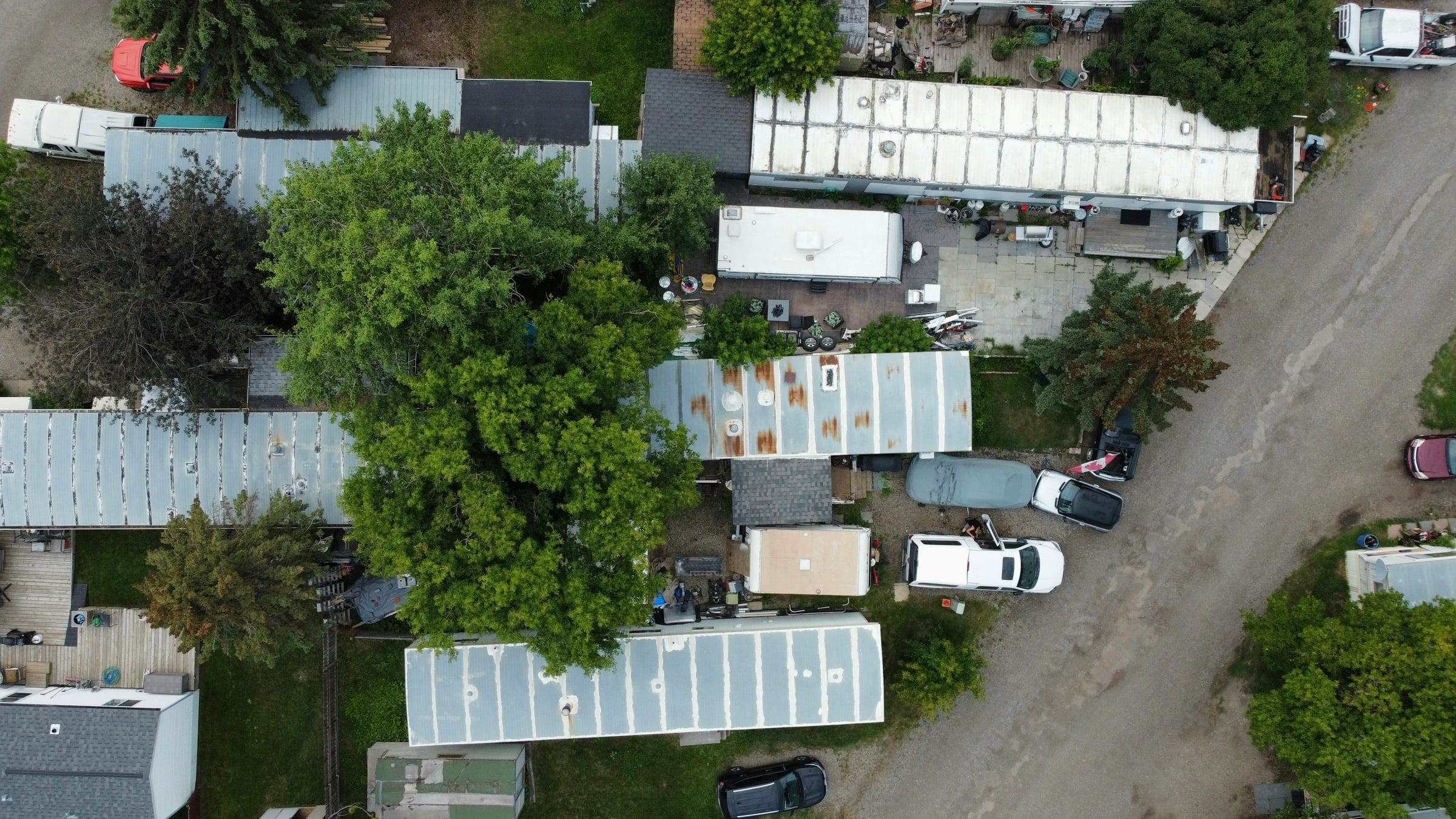
Two manufactured homes can sit half a mile apart in Powhatan or Goochland County, look nearly identical, and be worth very different amounts to a seller – because one sits on land the owner holds title to, and the other sits on a rented lot inside a land-lease community. If you own a manufactured home in either county and are thinking about selling, this distinction affects nearly everything: who can finance the purchase, how an appraiser values it, and how big your buyer pool is on day one of listing.
- Land-owned manufactured homes finance and resell more like a standard site-built house.
- Land-leased (park or community) manufactured homes are titled as personal property and financed with chattel loans, which shrinks the buyer pool.
- Sellers in a land-lease community must disclose lot rent, park rules, and any rent increases before closing.
- [DATA NEEDED below] manufactured-home-specific resale data isn’t broken out from general county sales in Richmond Association of REALTORS reporting.
Why Does Land Ownership Matter So Much for Resale?
It comes down to how the home is titled and, as a result, how it can be financed. A manufactured home permanently affixed to land the owner holds title to can be converted to real property under Virginia law and mortgaged like any other house – which means your buyer pool includes anyone who can qualify for a conventional, VA, FHA, or USDA loan. A manufactured home on leased land inside a community or park almost always stays titled as personal property with the Virginia DMV, which means your buyer pool shrinks to cash buyers and the smaller universe of lenders willing to write a chattel loan.
We cover the underlying mechanics of that title conversion process, and why lenders care so much about it, in our companion piece on converting a manufactured home to real property in Virginia. The short version: land ownership alone is not enough – the home also has to go through a formal title elimination process before a mortgage lender will treat it as real estate.
What Changes in Powhatan and Goochland Specifically
Both Powhatan County and Goochland County have a meaningful share of manufactured and modular housing on larger rural parcels, much of it on land the resident owns outright rather than in a land-lease community. That land-owned pattern is part of why manufactured homes in these counties can resell reasonably well when they’re on a permanent foundation with an eliminated title – appraisers have more site-built and converted-manufactured comparables to work with in a county like Powhatan or Goochland than in a dense land-lease community.
For context on the broader housing market these homes sit within, the Richmond Association of REALTORS’ most recent SortStats report for the Central Virginia Regional MLS showed Powhatan County with 24 closed single-family sales in August 2026 at a $551,975 median price and 3.5 months of supply, and Goochland County with 33 closed sales at a $688,702 median price and 2.7 months of supply. Those figures cover all single-family sales in each county, not manufactured homes specifically – see the data note below.
Wondering what your manufactured home is worth right now?
Land ownership status, lot size, and whether the title has been converted to real property all move the number. Request a free home valuation from our team and we’ll factor in your specific land and title situation rather than giving you a generic estimate.
Land-Lease Communities: What a Buyer’s Lender Will Ask
If your home sits in a land-lease community, expect these questions to come up during a sale:
- Current lot rent and any scheduled increases. A lender underwriting a chattel loan will want to see the lease terms and confirm the buyer’s total housing cost, including rent, stays within their debt-to-income limits.
- Remaining lease term and renewal terms. A short remaining term or a park with a history of steep rent increases can make a chattel lender – or a cash buyer’s insurer – nervous.
- Community rules and age restrictions. Many land-lease communities carry rules on home age, resale approval, or age-restricted occupancy that can eliminate certain buyers outright.
As the seller, Virginia’s general real estate disclosure framework (administered through the Virginia Real Estate Board, part of the Department of Professional and Occupational Regulation) still applies to known material defects, but the practical reality in a land-lease sale is that you should proactively hand a buyer the lease, the rent history, and the community rulebook well before their financing contingency deadline – not wait for them to ask.
Land-Owned Sales: What Actually Moves the Appraisal
On land you own, the appraisal comparable pool matters more than almost anything else. An appraiser working a converted manufactured home in Powhatan or Goochland will look for other converted manufactured homes and modular homes nearby, not just site-built comparables – and in a rural county with a smaller total sales volume, that pool can be thin. Two things sellers can control that help:
- Complete the DMV title elimination process well before listing, not during the buyer’s financing period – lenders will not close a real-property mortgage on a home still titled as personal property.
- Keep the well and septic system records current, since most manufactured and modular homes on owned land in these counties are on private systems, not public utilities.
How Should You Disclose Land-Lease Status to a Buyer?
Disclose it early and in writing, before the buyer’s due diligence period starts running. At minimum, a seller in a land-lease community should be prepared to hand over:
- The current lease or rental agreement for the lot, including the rent amount and any automatic escalation clauses.
- Written confirmation of whether the community requires management approval before a buyer can move a purchased home onto the lot or take over the existing lease.
- Any notices of planned rent increases or park rule changes received in the past 12 months.
[DATA NEEDED: land-lease vs. land-owned resale premium – the Richmond Association of REALTORS’ SortStats reports and the Central Virginia Regional MLS do not separately track manufactured-home sales by land-ownership status, so we cannot cite a specific dollar or percentage difference between land-owned and land-leased resale outcomes in Powhatan or Goochland. Anecdotally, land-leased homes take longer to sell and draw a smaller offer pool because financing options are more limited, but we won’t put a number on that difference without MLS-level data to back it up.]
Where This Fits in Your Selling Timeline
If you’re weighing whether to complete a title conversion before you list, or whether to price for a land-lease buyer pool as-is, our article on financing and titling for manufactured and modular homes in the Richmond area lays out the financing paths buyers will be working with, and our piece on the DMV title elimination process walks through the paperwork and timeline for converting the title before you put the home on the market. If your parcel has extra acreage, it may also be worth a look through homes with acreage currently on the market to see how comparable rural properties in the region are priced.
Get a free valuation before you set an asking price
Whether your home is on owned land or in a land-lease community, the right asking price depends on details a generic online estimate can’t see. Request your free home valuation and we’ll walk you through what land ownership status and title conversion do to your number.
Frequently Asked Questions
Does a land-lease manufactured home sell for less than one on owned land?
In practice, usually yes, mainly because the buyer pool is smaller – chattel financing is harder to get and more expensive than a mortgage, and some buyers avoid land-lease communities entirely because of ongoing rent. We don’t have MLS data specific enough to quote an exact percentage difference for Powhatan or Goochland.
Can I convert my land-lease home’s title even if I don’t own the land?
No. Virginia’s title elimination process requires the home to be permanently affixed to land the owner holds title to. If you’re leasing the lot, the home stays titled as personal property regardless of how permanently it’s set up.
What should I disclose about lot rent when selling in a land-lease community?
Give the buyer the current lease terms, the exact rent amount, any rent increases in the past year, and whether the community requires management approval for a new resident, ideally before their due diligence period starts.
Will a buyer’s VA loan work in a land-lease community in Powhatan or Goochland?
Rarely. VA loans generally require the veteran to own the land the home sits on, which most land-lease communities don’t allow. Most land-lease buyers end up using chattel financing or paying cash.
Does the well and septic system affect resale the same way on land-owned manufactured homes?
Yes. Most manufactured and modular homes on owned land in Powhatan and Goochland are on private well and septic systems, and buyers will want current well yield and septic inspection results just as they would for a site-built rural home.
How long does it take to convert a manufactured home’s title before listing?
Plan for several weeks. The process involves removing the towing hitch, filing a sworn affidavit with the circuit court, and waiting for DMV confirmation that the personal-property title has been rescinded – it should be started well ahead of a target listing date.
Are Powhatan and Goochland zoned differently for manufactured homes?
Zoning and permitted uses vary by parcel and by county ordinance, so confirm with the county’s planning department before assuming a specific lot allows a replacement or additional manufactured home.
Should I price a land-lease home differently from the start?
Yes. Pricing it as if it will draw the same buyer pool as a land-owned, mortgage-eligible home usually leads to a longer time on market. A valuation that accounts for the smaller chattel-financing buyer pool gives you a more realistic starting price.