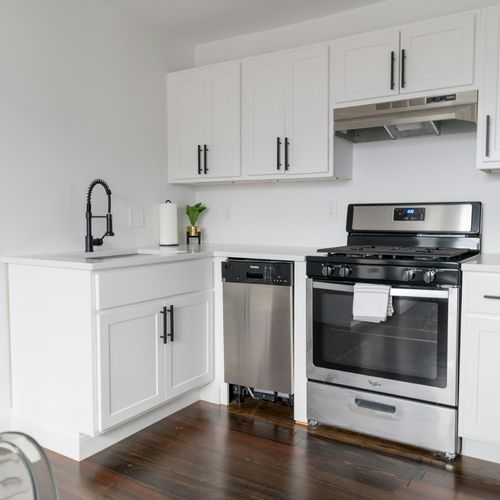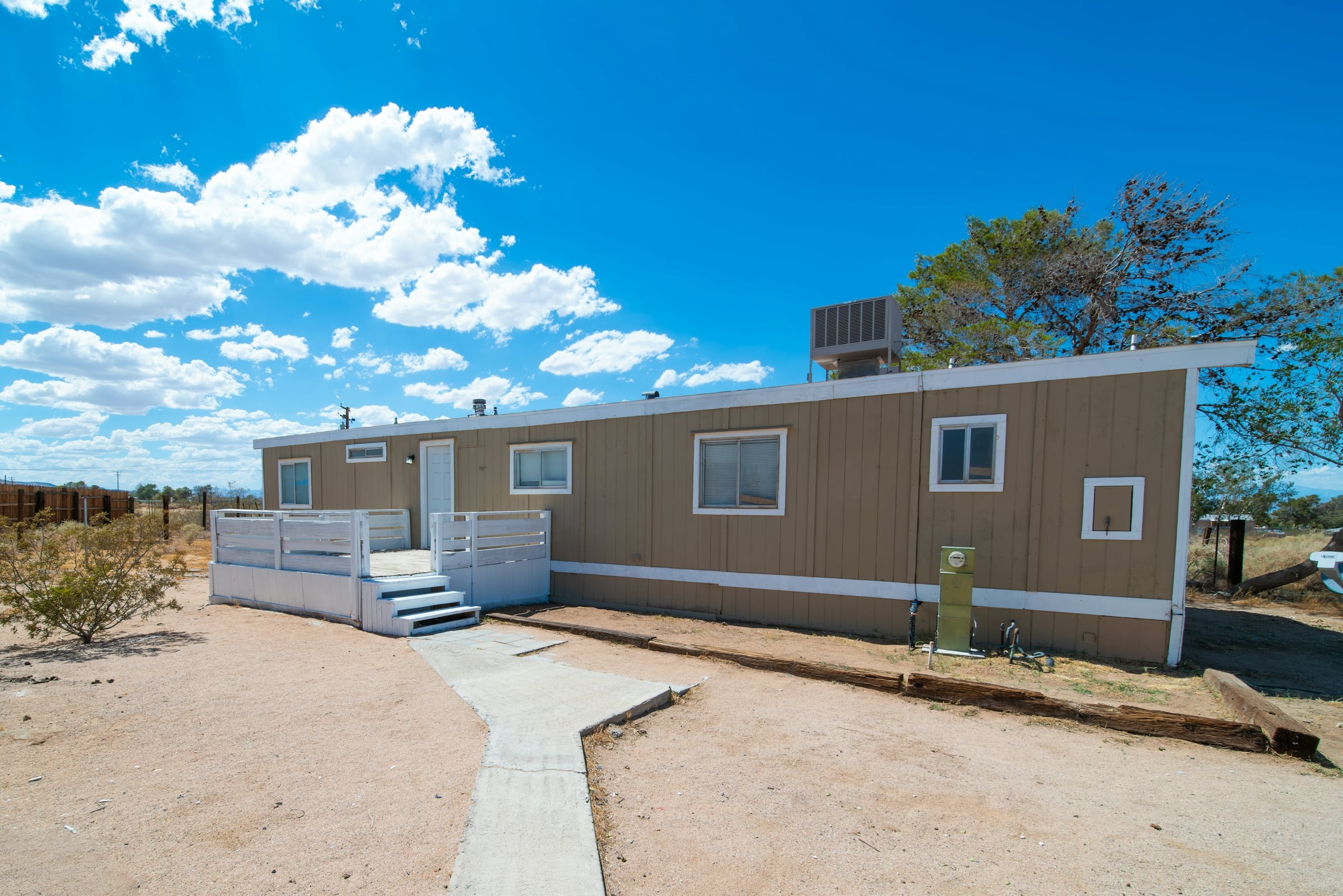
If you are shopping for a manufactured or modular home anywhere from Goochland to Powhatan to the far edges of Chesterfield County, the first hard lesson usually comes at the lender’s desk, not the model home. Most buyers walk in assuming a “manufactured home” and a “modular home” are financed the same way a stick-built house is. They are not, and the difference changes your interest rate, your loan term, and what happens at your closing table.
This guide walks through what actually separates these home types, how financing and titling work in Virginia, and what changes at closing depending on which path you take.
What’s Actually the Difference Between Manufactured, Modular and “Mobile” Homes?
These three terms get used interchangeably by homeowners and even some agents, but they mean very different things to a lender and to the Commonwealth of Virginia.
Manufactured homes are built entirely in a factory to the federal HUD Code (a national construction and safety standard administered by the U.S. Department of Housing and Urban Development) and leave the factory on a permanent steel chassis. That chassis is the giveaway: it is what makes the home towable and, legally, what makes it start life as a vehicle rather than a building. Every manufactured home carries a red HUD certification label (the “HUD tag”) on its exterior.
Modular homes are also built in a factory, but to the same state building code that applies to site-built houses in Virginia. They arrive on a truck in sections and are set on a permanent foundation by a crane, with no chassis left underneath. Because they are built to the same code as a site-built home, most lenders treat a modular home like any other house from day one – no separate manufactured-home financing rules apply.
“Mobile homes” is technically the older name for anything manufactured before June 15, 1976, when the HUD Code took effect. Pre-1976 units were built to no uniform federal standard, which is exactly why they are the hardest of the three to finance today – most conventional and government-backed manufactured-home loan programs exclude them outright.
Not sure which category a home you’re looking at falls into?
The HUD tag, the presence of a chassis, and the county’s tax classification all matter before you write an offer. Contact our team and we will walk the specifics of a listing with you before you go further, or request our Richmond-area closing-timeline checklist so you know exactly what documents to gather at each stage.
How Do You Finance a Manufactured or Modular Home?
This is the question that trips up more buyers than any other, because the answer depends on whether the home is titled as personal property or classified as real estate.
A chattel loan finances the home only, not the land underneath it. It is titled the same way a car loan is titled – the home itself is the collateral, not real property. Chattel loans are common when the home sits on leased land (a land-lease community) or when the owner has not gone through Virginia’s process to convert the home to real estate. According to a 2021 Consumer Financial Protection Bureau analysis of manufactured housing finance data, chattel loan borrowers consistently pay higher interest rates than manufactured-home mortgage or site-built borrowers, and are less likely to be able to refinance into better terms later (see the CFPB source below). Terms also tend to run shorter than a standard 30-year mortgage.
A real-property mortgage – a conventional, VA, FHA, or USDA loan secured by the home and the land together – is only available once the home is permanently affixed to land the borrower owns and the Virginia DMV title on the home has been eliminated (more on that process below). Rates and terms on this path look much closer to a standard home mortgage, because from the lender’s perspective, it now is one.
Get the closing-timeline checklist before you shop for financing
Our Richmond-area closing-timeline checklist walks through exactly which documents a lender will ask for on each financing path, and when to gather them. Request the checklist through our contact page, or run early numbers with our mortgage calculator before you talk to a lender.
VA, FHA and USDA Loans for Manufactured Homes
All three major government-backed programs will finance a manufactured home, but each layers on stricter conditions than they apply to a site-built house:
- VA loans require the home to be permanently affixed to a foundation on land the veteran owns, meet current HUD Code construction, and in most cases be new or nearly new – VA lenders are far more conservative about older manufactured homes than about older site-built homes.
- FHA loans (Title I and Title II) require the HUD tag to be present and legible, a permanent foundation meeting HUD’s Permanent Foundations Guide, and the home to be built after June 15, 1976. FHA will also finance land-lease situations through Title I in limited cases, but at higher rates than Title II real-property financing.
- USDA loans, used heavily in the rural parts of Goochland, Powhatan, and outer Hanover, require new or nearly-new manufactured units, a permanent foundation, and the elimination of the personal-property title, plus the standard USDA income and rural-area eligibility rules.
In every case, “stricter age, foundation, and HUD-tag requirements” is the theme – if you are eyeing an older unit, ask your lender about program eligibility before you get attached to a specific home.
Titling: Why Your Manufactured Home Starts Out as Personal Property
Under Virginia law, a manufactured home is titled through the Department of Motor Vehicles like a vehicle, not recorded at the courthouse like a house, unless and until the owner converts it. The Virginia DMV issues a manufactured-home title on application (using DMV form VSA 17B) and treats the unit as personal property subject to titling fees and sales tax, separate from any real estate transaction on the underlying land.
To convert a manufactured home into real estate, Virginia law – specifically Va. Code § 46.2-653.1, “Conversion of manufactured home to real property” – requires the owner to remove the towing hitch and running gear, permanently affix the home to land the owner holds title to, and file a sworn affidavit with the circuit court certifying the home’s VIN, its legal description, and that no unreleased liens remain against it. Once the Virginia DMV confirms the personal-property title has been rescinded and canceled, the local Commissioner of Revenue starts assessing and taxing the home as real estate along with the land, and it can be mortgaged like any other house. We cover this conversion process step by step in a companion article on title elimination for manufactured homes in Virginia, since it is the single biggest reason manufactured-home financing falls through.
If the conversion is never done – most often because the home sits in a land-lease community rather than on land the resident owns – the home remains personal property indefinitely, and every future buyer will need chattel financing, not a mortgage.
What Changes at Closing
The closing itself looks different depending on the financing path:
- Chattel-financed purchases close more like a large vehicle purchase – a security agreement and title transfer through the DMV, often with a much shorter escrow period and no owner’s title insurance policy on the home itself, since it is not real estate.
- Real-property purchases close at a title company or attorney’s office exactly like a site-built home sale, with a deed, a deed of trust, and an owner’s title policy covering the home and land together – but only after the seller has already completed (or agrees as a contract contingency to complete) the DMV title elimination described above.
- Either way, expect your lender to require a current HUD data plate/tag inspection and, for anything built before 1994, an additional wind-zone and foundation certification, since older units were engineered to lower wind-load standards than homes built after HUD tightened the code.
Well and Septic Systems Are Common With Manufactured Homes in the Outer Counties
Because land prices drop the farther you get from the city, manufactured and modular homes in this region cluster heavily in the rural parts of Goochland County, Powhatan County, and the western edge of Chesterfield County – and most of those parcels are on private well and septic rather than public utilities. That adds an inspection layer that a city buyer never deals with: well yield and water quality testing, and a full septic evaluation rather than just a pump-out. We wrote a complete walkthrough of that process in our guide to buying a home with well and septic in the Richmond area, and it applies directly to most manufactured-home purchases in these counties.
[DATA NEEDED: manufactured-home-specific sales data – the Richmond Association of REALTORS’ standard SortStats reports for the Central Virginia Regional MLS do not break out manufactured or modular home sales as a separate property type from site-built single-family sales, so we cannot responsibly quote a median price, days-on-market, or months-of-supply figure specific to manufactured homes in this market. General single-family statistics for Goochland, Powhatan, and Chesterfield counties are not a reliable substitute, since manufactured-home values and financing pools behave differently than site-built comparables.]
Where to Start Your Search
If you already know you want acreage with room for a manufactured or modular home, browse current inventory through our property search, which lets you filter by county and lot size across the region. Once you have a home under contract, our next two articles in this series cover the practical side in more depth: how land ownership versus land-lease status affects resale value in Powhatan and Goochland, and exactly how the DMV title elimination process works when you are converting a home to real property.
Ready to talk through financing before you make an offer?
Request our Richmond-area closing-timeline checklist and talk through chattel versus real-property financing with our team before you commit to a specific home. Reach out through our contact page to get started, or explore financing scenarios first with our mortgage calculator.
Frequently Asked Questions
Can I get a 30-year mortgage on a manufactured home?
Yes, but only once the home is permanently affixed to land you own and the DMV personal-property title has been eliminated under Va. Code § 46.2-653.1. Until that happens, lenders will only offer chattel financing, which typically runs 15 to 23 years, not 30.
Is a modular home harder to finance than a manufactured home?
No – it’s usually easier. Because modular homes are built to the same state building code as site-built houses and never carry a chassis or a vehicle title, most lenders finance them exactly like any other house, with no manufactured-home-specific underwriting rules.
What is a HUD tag and why does my lender keep asking about it?
The HUD tag (or data plate) is the red certification label required on every manufactured home built after June 15, 1976, confirming it meets the federal HUD Code. Lenders need to see it to confirm the home isn’t a pre-1976 “mobile home,” which most loan programs exclude or restrict.
Can I buy a manufactured home in a land-lease community with a VA or FHA loan?
It’s difficult. VA loans generally require the home to sit on land the veteran owns outright, which rules out most land-lease communities. FHA’s Title I program can finance a home in a land-lease community in limited cases, but at less favorable terms than Title II real-property financing.
How long does the DMV title elimination process take?
Plan for several weeks, not days. It requires removing the towing hitch and running gear, filing a sworn affidavit with the circuit court, and waiting for the DMV to confirm the personal-property title has been rescinded before the local Commissioner of Revenue can reclassify the home as real estate.
Does Virginia charge sales tax on a manufactured home purchase?
Titling a manufactured home through the Virginia DMV involves paying a titling fee and a 3% sales and use tax on the home, separate from any recordation tax owed on the land itself if it’s purchased in the same transaction.
What happens if the seller never completed the title elimination process?
You inherit the problem. If the home is still titled as personal property when you buy it, you will need chattel financing (or an all-cash purchase) unless you complete the conversion process yourself after closing – which should be negotiated as a contract contingency before you sign.
Are older manufactured homes (pre-1994) harder to insure?
Often, yes. Homes built before HUD tightened wind-zone standards in 1994 may need an additional engineering certification to qualify for certain loan programs and can face more limited insurance options, particularly for older single-wide units.