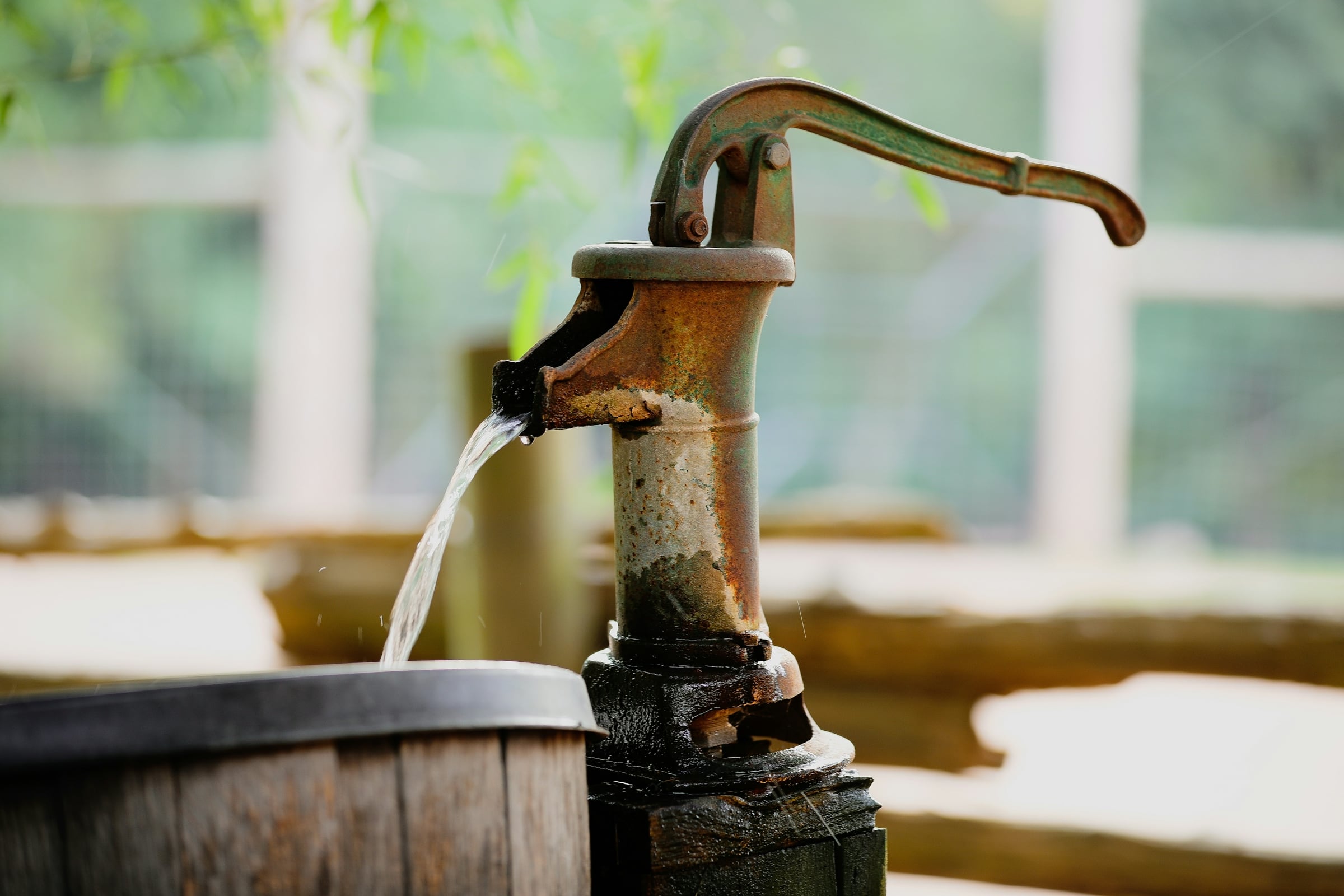
Buying a Home With Well and Septic in Richmond VA: The Complete Buyer’s Guide
What to test, what to request from the seller, and what you are signing up to maintain
Buying a home on well and septic in the Richmond VA area means taking ownership of your own water supply and your own wastewater treatment plant, and it is entirely manageable once you know what to verify. Before closing, get a well yield test and a full water quality panel, get a septic inspection rather than a simple pump-out, locate the drainfield and its reserve area, obtain the Virginia Department of Health permit records, and ask your lender early whether a well and septic certification letter is required, because FHA, VA and USDA loans commonly have specific conditions. Private systems are common throughout Goochland, Powhatan, Hanover, New Kent, Amelia and outer Chesterfield. Buyers searching well and septic homes Richmond VA, septic inspection Goochland, well water testing Powhatan, VDH septic permit Virginia, and alternative septic system maintenance Virginia will find the practical detail here. The Mission Realty Team handles these transactions regularly and this is the checklist we use.
Table of Contents
- Where Well and Septic Are Common Around Richmond
- Well Types, Depth and Yield Testing
- Water Quality Testing and Treatment
- Pumps, Pressure Tanks and Equipment Lifespan
- How a Septic System Works and What Its Parts Do
- Conventional, Alternative and Engineered Systems in Virginia
- Septic Inspection vs a Pump-Out, and What Destroys a Drainfield
- VDH Records, Certification Letters and Lender Requirements
- Long-Term Budgeting and Your Buyer Checklist
- Frequently Asked Questions
When a buyer sees “private well and septic” in a listing, the reaction is usually one of two extremes. Either they dismiss the house entirely, or they shrug and assume it is like public water with no bill. Neither reaction is right. A well and a septic system are ordinary residential infrastructure that millions of households operate without incident, and they are also equipment with finite lifespans that you, not a utility, are responsible for.
The difference between a good outcome and an expensive one is almost entirely what you verify during your inspection period. A buyer who tests the well, inspects the septic, locates the drainfield and reads the health department file knows what they are buying. A buyer who accepts a receipt for a recent pump-out as evidence of a healthy system does not.
The Mission Realty Team writes and negotiates these contracts across Goochland, Powhatan, Hanover and outer Chesterfield throughout the year, and this guide walks through the whole process. Requirements and regulations do change, so treat this as an orientation and confirm specifics with the Virginia Department of Health and with your lender.
Where Are Well and Septic Common in the Richmond Area?
Public water and sewer in the Richmond region generally follow density and the historic pattern of utility extension. The City of Richmond, most of inner Henrico and much of northern and central Chesterfield are served by public systems. Beyond those service boundaries, private systems take over, and the transition is not tidy.
Goochland County is a good example. Its eastern end near Short Pump and the West Creek corporate area has public utility service in designated areas, while properties a few miles west are on wells and septic tanks. Powhatan County is almost entirely private, with limited public service near the courthouse area. Hanover has public service in and around Mechanicsville and Ashland with private systems throughout its rural western and eastern reaches. New Kent, Amelia, Cumberland, Louisa and Charles City are predominantly private. In Chesterfield, the county’s outer southern and western edges include many private-system properties even though most of the county is served.
The important practical point is that you cannot infer this from the county name, the price, or the age of the house. Adjacent streets can differ. Confirm what a specific property actually has, in writing, and confirm whether public service is available at the road even if the house is not connected, because a future connection may be possible or may be mandatory in some circumstances.
Well Types, Depth and Yield Testing
Drilled wells are the modern standard and what you will find at nearly every home built in recent decades. A drilling rig bores a narrow hole, often several hundred feet deep in central Virginia’s Piedmont geology, through soil and into bedrock, with steel or plastic casing set through the upper unconsolidated material and grouted to seal out surface water. A submersible pump sits near the bottom. Depth varies enormously with local geology, and a deep well is not inherently better or worse than a shallower one, though deeper wells generally draw from more protected water.
Bored wells are larger in diameter, typically two to three feet, and much shallower, often 30 to 80 feet, constructed with concrete casing. They were common in Virginia through the mid-twentieth century and many are still in service. They hold a substantial volume of water in the casing itself, which helps with peak demand, but their shallower depth makes them more vulnerable to surface contamination and to drought.
Dug wells are the oldest type, hand-excavated, shallow, wide and often lined with stone or brick. Where one is still the primary water source, treat it with real caution. Shallow depth, permeable casing and proximity to the surface make bacterial contamination much more likely. Many older properties have an abandoned dug well on site, and an unsealed abandoned well is both a safety hazard and a direct conduit for contamination into the aquifer. Abandoned wells should be properly closed by a licensed contractor.
Yield and flow rate testing. This is the test buyers skip most often and regret most. Yield measures how much water the well can produce sustainably, usually expressed in gallons per minute. A flow test runs the well at a controlled draw for an extended period, monitors whether the water level in the well drops faster than it recovers, and records recovery time afterward. A brief faucet test proves nothing, because almost any well can deliver water for five minutes.
What counts as adequate depends on household size and fixture count, and lenders and health departments have their own thresholds, but the general principle is that a well needs to meet peak demand, not average demand: two showers, a dishwasher and a washing machine at once on a weekday morning. A low-yield well can still serve a household with a storage tank and a booster system, but you want to know that before closing rather than during your first houseful of guests.
Water Quality Testing and Treatment
Private wells are not regulated for ongoing water quality the way a public utility is. No one tests your water but you. That is not alarming, but it does mean testing at purchase and periodically afterward is genuinely your job.
What to test for in central Virginia:
Total coliform and E. coli bacteria. The baseline safety test. Coliform presence indicates a pathway for surface contamination, often a compromised well cap, failed grout, a cracked casing or a nearby source. Many bacterial issues are fixable by repairing the wellhead and shock chlorinating, but the cause must be found, not just the symptom.
Nitrate and nitrite. Elevated nitrate is associated with agricultural fertilizer, manure and failing septic systems, and it is a specific health concern for infants. This matters in rural counties with active farming.
pH, hardness, iron and manganese. Central Virginia water is frequently high in iron and manganese, which produce rust or black staining on fixtures and laundry, metallic taste, and buildup in pipes and water heaters. Hardness from calcium and magnesium causes scale and reduces soap performance. None of these are usually health hazards at typical levels, but they drive most treatment decisions.
Hydrogen sulfide. The rotten-egg smell. Sometimes from the water, sometimes from bacteria in the water heater, and the distinction matters for the fix.
Radon in water. Virginia’s Piedmont geology includes granite and other rock formations that can produce radon, and radon can be present in well water as well as in indoor air. Radon in water contributes to indoor air radon when water is aerated by showers and appliances. A radon-in-water test is separate from an indoor air radon test, and in this region both are worth doing. Treatment for radon in water usually means aeration or granular activated carbon.
Lead and copper. Less about the aquifer and more about the plumbing, especially in older homes with lead solder or brass fittings.
Arsenic and other local concerns. Ask the county health department or a local laboratory whether particular contaminants are known in the area.
Treatment systems. If you inherit treatment equipment, find out exactly what it is and what it needs. A water softener addresses hardness and needs salt. An iron or manganese filter usually oxidizes and filters and needs periodic backwash and media replacement. A neutralizer raises low pH. An ultraviolet sterilizer kills bacteria and needs an annual lamp change and clear water to work. A whole-house sediment filter needs cartridges. Reverse osmosis at the kitchen sink handles taste and specific contaminants and needs membrane replacement. Ask for the age, service history and required consumables for every piece of equipment, because a house with five treatment units has an ongoing maintenance obligation the listing did not mention.
Pumps, Pressure Tanks and Equipment Lifespan
The mechanical side of a well is simple and finite. A submersible pump sits down in the well and pushes water up. A pressure tank in the basement, crawl space or a well house holds a cushion of pressurized water so the pump does not cycle on every time someone runs a tap. A pressure switch tells the pump when to run. There is usually a check valve, a pressure gauge and often a sediment filter.
Submersible pumps commonly last on the order of a decade to two decades, with wide variation driven by water chemistry, sediment, cycling frequency and electrical supply quality. Pressure tanks have a bladder or diaphragm that eventually fails, and a tank with a failed bladder causes the pump to short-cycle, which then shortens pump life. Pressure switches are inexpensive and fail more often than either. Replacing a submersible pump requires pulling the pump and the drop pipe out of the well, which is why it is a real expense rather than a small repair.
Warning signs worth noticing during a showing or inspection: pressure that fluctuates noticeably while a tap runs, a pump you can hear cycling on and off rapidly, sputtering or air in the lines, visibly rusty or discolored water at first draw, and a pressure gauge reading well outside the normal range. Also check that the well cap is intact, sealed and sits above grade, that the ground slopes away from the wellhead, and that the casing is not damaged. A well cap sitting in a depression that collects rainwater is a contamination pathway.
One more item people forget: the well needs electricity. No power means no water at all. In rural areas with longer outages, a generator with a transfer switch is not a luxury but a practical necessity, and it should be sized to run the well pump, which has a significant startup draw.
How a Septic System Works and What Its Parts Do
A conventional septic system is a two-stage treatment process, and understanding the stages tells you why maintenance matters.
The tank. All wastewater from the house flows into a buried watertight tank, usually concrete, sized in relation to the number of bedrooms. Inside, solids settle to the bottom as sludge, grease and light material float to the top as scum, and relatively clear liquid effluent occupies the middle. Baffles or tees at the inlet and outlet keep scum and solids from escaping. Modern tanks have an effluent filter at the outlet, which needs periodic cleaning. Many tanks have two compartments, and most have access risers or lids at grade or just below.
The distribution box. Effluent leaves the tank and enters a distribution box, or D-box, which splits the flow evenly among the drainfield lines. A D-box that has settled unevenly, cracked, or filled with solids will overload one line while starving the others, which is a common and repairable cause of premature drainfield failure.
The drainfield. Also called the absorption field or leach field, this is a set of perforated pipes in gravel-filled trenches, or a chamber or gravelless system, buried in suitable soil. Effluent trickles out, and the actual treatment happens in the soil itself, where a biological mat of microorganisms breaks down organic material and pathogens as water percolates downward. This is the heart of the system, the most expensive part to replace, and the part most easily destroyed.
The reserve area. Virginia permits typically designate a reserve or repair area, which is an area of suitable soil set aside for a future replacement drainfield. This is a critically important detail for buyers. If the reserve area has been paved, built on, planted with trees or otherwise compromised, you may have nowhere to go when the current drainfield reaches the end of its life. Find out where the reserve area is and confirm it is still usable.
Pumps and pump chambers. Where the drainfield sits uphill from the tank or the site requires dosing, a pump chamber lifts effluent. Any pump is a mechanical component with a lifespan and a failure alarm you should locate and test.
Conventional, Alternative and Engineered Systems in Virginia
This distinction has real financial consequences and it is one of the most important things for a Richmond-area buyer to understand.
Conventional systems use gravity and a standard gravel-and-pipe or chamber drainfield in soil that drains well enough to accept effluent. They have no moving parts in the simplest configurations, they are inexpensive to operate, and their maintenance amounts to periodic pumping and sensible use. Where soils and site conditions permit, this is what gets installed.
Alternative onsite sewage systems are used where a conventional system will not work: shallow soils, high water table, clay with poor percolation, small lots, or steep slopes. They achieve a higher level of treatment or distribute effluent differently. Common types include aerobic treatment units, which inject air to accelerate biological treatment; sand filters; drip dispersion systems, which distribute treated effluent slowly through small-diameter tubing; low-pressure distribution systems; and peat or textile media filters. Many are designed by a licensed professional engineer or an onsite soil evaluator for that specific site, which is why people call them engineered systems.
The part buyers must not miss: in Virginia, alternative onsite sewage systems carry ongoing operation and maintenance requirements. Regulations require that these systems be operated and maintained under the oversight of a licensed operator, with periodic inspection and reporting to the health department, and homeowners generally hold a maintenance contract with a licensed service provider to satisfy that. This is a recurring annual cost and a recurring obligation, not a one-time item. It is also frequently omitted from listings and sometimes unknown to the seller’s agent.
If a property has an alternative system, ask for the operation and maintenance manual, the current maintenance contract, the service provider’s name, the last several inspection reports, and confirmation that required reporting is current. A system that has gone years without required maintenance may be functioning today and failing tomorrow, and bringing it back into compliance is your problem after closing.
Also ask whether the system has any electrical components, alarms or controls, where the control panel is, and what the alarm means when it sounds. A homeowner who does not know their aerator has stopped can destroy an expensive treatment unit.
Septic Inspection vs a Pump-Out, and What Destroys a Drainfield
These are not the same thing, and confusing them is the single most common buyer mistake. A pump-out is a truck emptying the tank. It tells you the tank was full of what tanks are full of. It says almost nothing about whether the drainfield works.
A proper septic inspection for a real estate transaction should include locating the tank, D-box and drainfield; opening the tank at the access lids rather than probing; measuring sludge and scum depths before pumping; checking the inlet and outlet baffles and the effluent filter; opening and evaluating the distribution box for level flow and solids carryover; running water into the system to observe flow and check for backup; walking the drainfield for surface ponding, soggy ground, unusually lush or dead grass, and odor; testing any pumps and alarms; and comparing what exists on the ground to the permitted design on file with the health department. Ask for a written report with photographs.
Pumping intervals for a conventional system are commonly cited in the range of every three to five years, adjusted for household size, tank size, garbage disposal use and water volume. A smaller tank serving a larger family needs more frequent service. Ask for pumping records, and understand that a seller who pumped the tank the week before the inspection may have made it harder to evaluate sludge accumulation, which is why measuring before pumping matters.
What actually destroys a drainfield:
Hydraulic overload. Too much water, too fast. A leaking toilet flapper running continuously, a water treatment system backwashing into the septic, a sump pump or roof downspout discharging into the system, or simply a household using far more water than the system was designed for. The soil never gets a chance to drain and the biological mat suffocates.
Solids carryover. A tank that has not been pumped, a failed baffle, or a clogged effluent filter lets solids into the drainfield lines, where they clog the soil pores permanently. This is the most common cause of failure and the most preventable.
Grease and non-degradables. Cooking grease, coffee grounds, so-called flushable wipes, feminine products, dental floss, cat litter, paint, solvents and excessive garbage disposal use all cause problems. Wipes in particular do not break down.
Harsh chemicals and heavy bleach. The system depends on living bacteria. Routine household cleaning is fine; dumping solvents, drain openers or large volumes of bleach is not. Septic tank additives, incidentally, are generally unnecessary and some can do harm by pushing solids into the drainfield.
Physical damage and compaction. Driving or parking on the drainfield compacts soil and crushes lines. Building a shed, patio, pool or addition over it is worse. Tree and shrub roots seek moisture and invade lines. Livestock compact the field. Even a heavy delivery truck crossing it once can cause damage.
Water diversion problems. Roof runoff, driveway drainage or a regraded yard that directs stormwater across the drainfield saturates the soil and reduces its capacity.
VDH Records, Certification Letters and Lender Requirements
Virginia Department of Health records. In Virginia, private wells and onsite sewage systems are permitted through the Virginia Department of Health, generally administered through local health departments serving each county. The file for a property can include the construction permit, the completion or as-built record showing where components were installed, the soil evaluation, the design for an alternative system, the operation and maintenance manual, and any repair permits. Requesting the file is one of the highest-value steps a buyer can take, because it tells you what was permitted, how large the system is, where things are supposed to be, and whether the reserve area was identified.
Records for older systems can be thin or missing, especially for wells and tanks installed decades ago. A missing record is not automatically a problem, but it does mean your inspection has to establish by observation what the paperwork cannot confirm.
Well and septic certification letters. Lenders, particularly on government-backed loans, frequently require documentation that the well water is safe and that the septic system is functioning. Practically this can mean a bacteriological and chemical water test from an approved laboratory, a statement from a qualified inspector or the health department regarding the septic system, and confirmation of separation distances between the well, the septic components and property lines.
FHA, VA and USDA loans each have their own property condition requirements, and they tend to be more prescriptive than conventional financing about private water and waste systems. Requirements can address water quality standards, well location relative to the septic system and boundaries, whether a shared well is acceptable and what agreement must exist, and whether the septic system shows evidence of failure. These requirements change, so the only reliable approach is to ask your loan officer, in writing, early: what exactly will you require for a well and septic property, who must perform the tests, and what turnaround time should we plan for? Getting this answer in week one instead of week four has saved more of our transactions than any other single step.
What to request from the seller. Put these in your request: the well completion report and any water test results they hold; the septic permit and as-built drawing; pumping and service records; any repair history; the operation and maintenance manual and current maintenance contract for an alternative system; the name of the current service provider; the location of the tank, D-box, drainfield and reserve area; details of any water treatment equipment with age and service history; and disclosure of any past backup, failure, dry well or low-yield episode.
Virginia is largely a residential property disclosure state, meaning sellers commonly provide a disclosure statement rather than warranting condition, which puts the burden of investigation on the buyer. That is precisely why your inspection contingency and your document requests matter so much here. Confirm current disclosure requirements with your agent and, where a dispute could arise, a Virginia real estate attorney.
Long-Term Budgeting and Your Buyer Checklist
Owning well and septic means no monthly water and sewer bill, which is a genuine saving, offset by periodic costs that arrive in lumps. The honest way to budget is to set aside money monthly for infrastructure you know will eventually need work rather than treating each event as a surprise.
The recurring and eventual items to plan for: septic pumping every few years; effluent filter cleaning; annual or semiannual maintenance visits and reporting if you have an alternative system; water testing at least annually for bacteria and periodically for the broader panel; consumables for any treatment equipment such as salt, filter cartridges, UV lamps and media; a pressure tank or pressure switch replacement at some point; a well pump replacement once or twice over a long ownership; possible drainfield repair or replacement at end of life; and a generator to keep water available during outages. Costs vary widely by system, site access and contractor, so get local quotes rather than relying on national averages.
The buyer checklist, in order:
Week one of the contract: order the well yield and water quality test from an independent certified lab, schedule a full septic inspection with tank opening and D-box evaluation, request the VDH file for the property, and ask your lender in writing what certifications they will require.
During inspection: confirm well type, depth and age; confirm yield adequate for household peak demand; review the full water panel including bacteria, nitrate, iron, manganese, hardness and radon in water; inspect well cap, casing and grading; evaluate pressure tank, switch and pump; measure septic sludge and scum before pumping; inspect baffles, filter and D-box; locate and walk the drainfield and reserve area; determine conventional versus alternative and obtain maintenance documentation; verify permitted bedroom count matches the house; and check separation distances between the well and septic components.
Before removing contingencies: get written estimates for anything flagged, confirm insurance and lender conditions are satisfied, and decide what you are asking the seller to repair, replace or credit. Well and septic issues are frequently negotiable, particularly a failed drainfield or a well below required yield, but only if you found them in time.
After closing: locate and mark your tank lids and drainfield, keep the records, set your pumping schedule, and be careful what goes down the drain and what drives over the yard. The Mission Realty Team gives buyers a copy of everything we collected during the transaction so the file follows the house.
| Item to verify | Why it matters | When to do it |
|---|---|---|
| Well yield and flow test | Confirms the well meets peak household demand, not just a five-minute tap | Immediately after going under contract |
| Bacteria and nitrate test | Baseline safety, and commonly required by lenders | Week one, results take days |
| Iron, manganese, hardness, pH | Drives staining, taste and treatment equipment decisions | With the same water sample |
| Radon in water test | Piedmont geology can produce radon in groundwater and indoor air | During inspection period, separate from air radon |
| Well cap, casing and grading | Compromised wellhead is the most common contamination path | General or well inspection |
| Pressure tank, switch and pump age | Predicts a likely expense in your first years of ownership | General or well inspection |
| Full septic inspection, not a pump-out | A pump-out reveals nothing about the drainfield | Schedule early, opens tank and D-box |
| Drainfield and reserve area location | Determines whether a future replacement field is even possible | Walk it before removing contingencies |
| Conventional vs alternative system | Alternative systems require ongoing licensed maintenance in Virginia | Ask before the inspection is even ordered |
| VDH permit and as-built records | Shows permitted size, bedroom count and component locations | Request from the local health department early |
| Lender certification requirements | FHA, VA and USDA often have specific well and septic conditions | Ask your loan officer in writing on day one |
Frequently Asked Questions About Buying a Well and Septic Home in Richmond VA
Is it bad to buy a house with well and septic in Virginia?
No, it is common and entirely workable, but it does transfer responsibility for two pieces of infrastructure from a utility to you. Millions of Virginia households operate private wells and septic systems without incident, and you gain freedom from monthly water and sewer bills. The risk is not the systems themselves but skipping verification, so test the well for yield and quality, get a full septic inspection rather than a pump-out, locate the drainfield and reserve area, and pull the health department records before you remove contingencies.
Which Richmond area counties have well and septic homes?
Private systems are common throughout Goochland, Powhatan, Hanover, New Kent, Amelia, Cumberland, Louisa, Charles City and the outer edges of Chesterfield. The boundary between public and private service is not tidy, and adjacent streets can differ, particularly in eastern Goochland near Short Pump and in western Hanover. Never assume based on the county, the price or the age of the house. Confirm in writing what a specific property uses today and whether public water or sewer is available at the property line, because those are two separate questions with different consequences.
What is the difference between a septic inspection and a septic pump-out?
A pump-out is a truck emptying the tank and it tells you almost nothing about system health, while a real inspection evaluates whether the system actually works. A proper inspection locates the tank, distribution box and drainfield, opens the tank at the access lids, measures sludge and scum before pumping, checks baffles and the effluent filter, opens and evaluates the distribution box, runs water to observe flow, walks the drainfield for ponding or odor, tests pumps and alarms, and compares what exists to the permitted design. Always ask for a written report with photographs.
How often should a septic tank be pumped in Virginia?
Every three to five years is the commonly cited range for a conventional system, but the right interval depends on tank size, household size, water volume and whether you use a garbage disposal. A small tank serving a large family may need service every two years while a large tank serving two people may go longer. Ask the seller for pumping records at purchase and then set your own schedule based on what your inspector measured. Regular pumping is the cheapest insurance against solids reaching and permanently clogging the drainfield.
What is an alternative septic system and why does it cost more to own?
An alternative or engineered onsite sewage system is used where a conventional gravity drainfield will not work, because of shallow soils, high water table, poor percolation, small lots or steep slopes. Common types include aerobic treatment units, sand filters, drip dispersion and low-pressure distribution systems, often designed by an engineer for that specific site. In Virginia these systems carry ongoing operation and maintenance requirements under a licensed operator, with periodic inspection and reporting to the health department, so owners typically hold an annual maintenance contract. That recurring cost and obligation is why the distinction matters so much to buyers.
What should a well water test include?
At minimum test total coliform and E. coli bacteria plus nitrate, because those are the core safety items and the ones lenders most often require. Then add pH, hardness, iron and manganese, which are common in central Virginia and drive most treatment decisions, along with hydrogen sulfide if there is any odor, and lead and copper if the plumbing is older. In this region a radon-in-water test is also worth doing, separately from an indoor air radon test, because Piedmont geology can produce radon in groundwater. Use an independent state-certified laboratory rather than a free test from a company selling treatment equipment.
How do I know if a well produces enough water?
You need a yield or flow test, not a quick faucet check, because almost any well can deliver water for five minutes. A flow test draws water at a controlled rate over an extended period, monitors whether the water level drops faster than it recovers, and records recovery time. What counts as adequate depends on household size and fixture count, and lenders and health departments apply their own thresholds, but the real standard is peak demand: two showers, a dishwasher and a washing machine at once. A low-yield well can still work with a storage tank and booster pump, but you want to know before closing.
How long does a well pump last?
Submersible well pumps commonly last on the order of a decade to two decades, with wide variation driven by water chemistry, sediment, how often the pump cycles and the quality of the electrical supply. The pressure tank’s bladder and the pressure switch usually fail sooner, and a failed bladder causes short cycling that shortens pump life further. Replacement requires pulling the pump and drop pipe from the well, which makes it a real expense rather than a small repair. Ask the seller when the pump was last replaced and have your inspector note the pressure tank and switch condition.
What ruins a septic drainfield?
The main causes are too much water too fast, solids escaping the tank, and physical damage. Hydraulic overload from a running toilet, a water treatment system backwashing into the septic, or a sump pump or downspout discharging into it suffocates the soil. Solids carryover from a tank that has not been pumped or a failed baffle permanently clogs soil pores, which is the most common and most preventable failure. Grease, wipes and other non-degradables, harsh chemicals, and driving, parking or building over the field all cause damage, as do tree roots seeking moisture in the lines.
Where can I get septic permit records for a Virginia property?
Private wells and onsite sewage systems are permitted through the Virginia Department of Health, generally administered by the local health department serving each county, so request the property file from that office. The file may contain the construction permit, the completion or as-built record showing component locations, the soil evaluation, the design and operation manual for an alternative system, and any repair permits. Records for systems installed decades ago can be thin or missing, which is not automatically a problem but does mean your inspection has to establish by observation what the paperwork cannot confirm.
Do FHA, VA or USDA loans have special rules for well and septic homes?
Yes, government-backed loans tend to be more prescriptive than conventional financing about private water and waste systems. Requirements commonly address water quality testing from an approved laboratory, separation distances between the well, the septic components and property lines, whether a shared well is acceptable and what written agreement must exist, and evidence that the septic system is functioning. Because these requirements change and vary by lender overlay, ask your loan officer in writing during the first week what exactly they will require, who must perform the tests, and how long results take.
What is a well and septic certification letter?
It is documentation a lender or closing attorney may require confirming that the well water meets applicable standards and that the septic system is operating without evidence of failure. In practice it can involve a bacteriological and chemical water analysis from an approved laboratory plus a statement from a qualified inspector or the health department regarding the sewage system. Who is permitted to issue it, and what it must cover, depends on the lender and the loan program. Confirm the specific format your lender needs early, because ordering the wrong test wastes a week you may not have.
Can you get a mortgage on a house with a shared well?
Often yes, but shared wells receive extra scrutiny and typically require a recorded shared well agreement addressing access, maintenance responsibility, cost sharing and what happens if a party refuses to pay. Government-backed loan programs have specific expectations for these agreements. If no recorded agreement exists, it may need to be created and recorded before closing, which takes time and cooperation from a neighbor who has no obligation to hurry. Raise a shared well with your lender and your closing attorney the day you learn about it, not the week before settlement.
How much should I budget each year for a well and septic home?
Rather than a single figure, budget monthly toward known future events, because the costs arrive in lumps. Plan for septic pumping every few years, effluent filter cleaning, annual water testing, consumables for any treatment equipment such as salt, cartridges, UV lamps and filter media, an eventual pressure tank and well pump replacement, and possible drainfield repair at end of life. If you have an alternative system, add the annual maintenance contract and reporting. Get local quotes for your specific system rather than relying on national averages, since site access and system type drive cost more than anything else.
Should I buy a house with a failed septic system?
It can be a reasonable purchase if the replacement is priced accurately, a suitable reserve area exists and a permit for the repair is obtainable, but never on assumptions. Get a licensed installer’s written estimate, confirm with the health department that a repair permit can be issued for the site, and verify that soils in the reserve area still support a replacement field, because a lot with no viable reserve area is a much harder problem than a bad drainfield. Failed systems are frequently negotiated as a seller repair or a price credit. The Mission Realty Team can walk you through the options at (804) 601-4960.
Buying a Well and Septic Home Near Richmond?
The Mission Realty Team handles well and septic transactions across Goochland, Powhatan, Hanover, New Kent and outer Chesterfield, and we build the testing and records requests into your contract timeline so nothing gets discovered too late. Find us at 3701 Cox Rd, Richmond VA 23233. Call (804) 601-4960 to talk through a specific property before you write an offer.