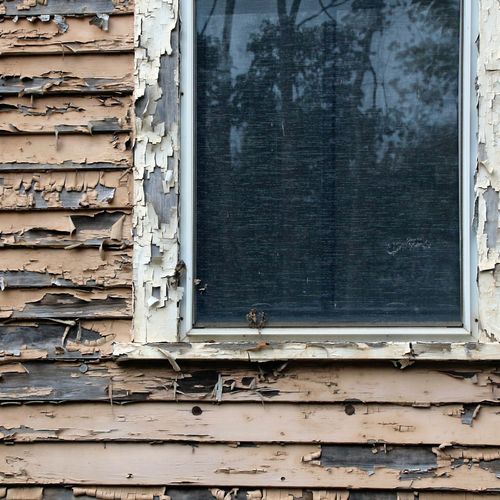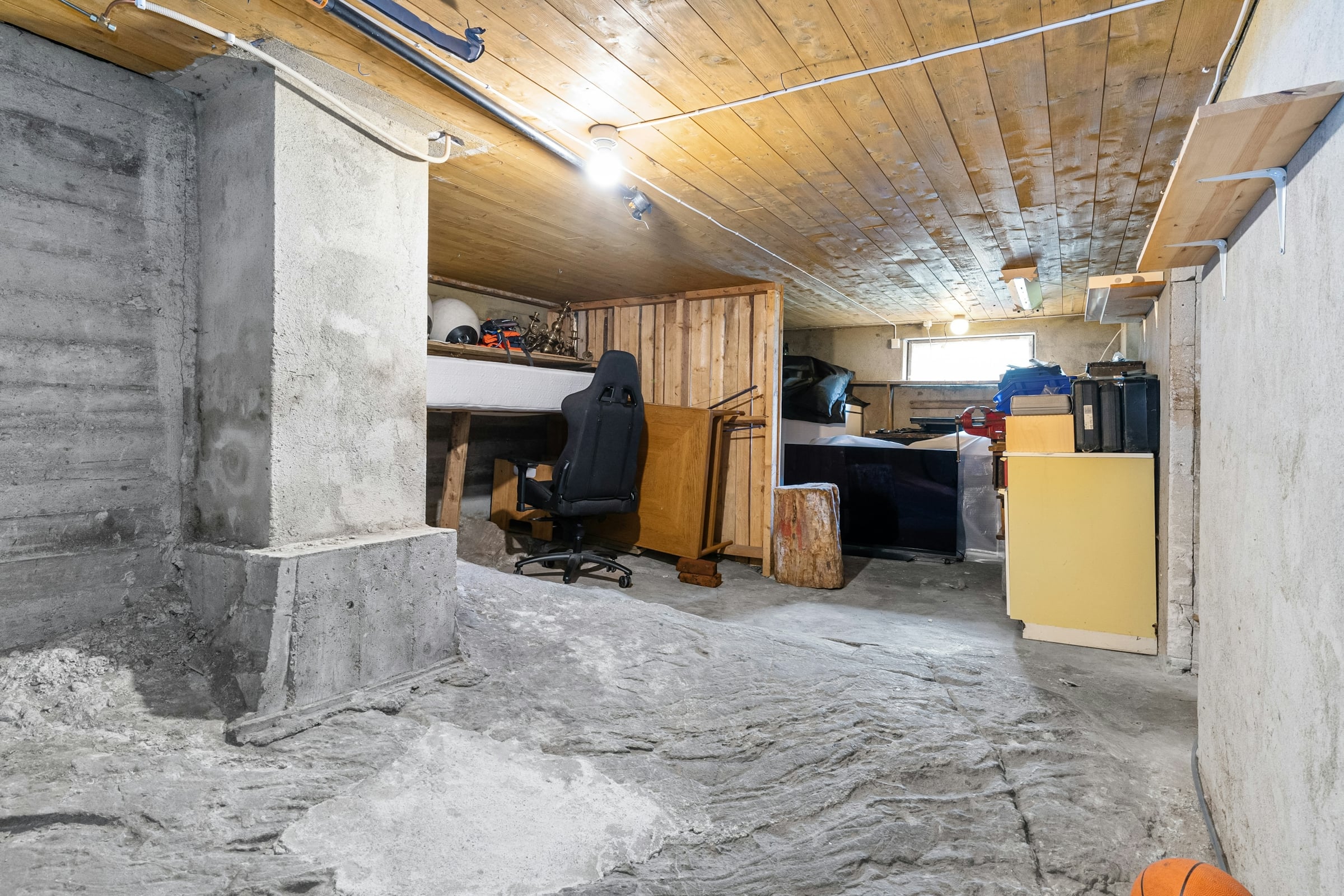
A seller with a repaired disaster in the file usually asks the same question: do I have to bring it up? The legal answer is mostly no. The strategic answer is almost always yes, and for reasons that have nothing to do with conscience.
This closes our four-part series on Virginia disclosure, alongside why the disclosure statement disclaims and the six affirmative duties that do exist.
Why silence is a weak position even when it is legal
The reason is not that buyers will find out. It is that the record already exists in three places you do not control.
Insurance claim history is recorded at the property level and used in underwriting, so the buyer’s insurance quote can reveal a claim before anyone mentions it. Permit and inspection records sit with the locality and are public. And the third place is the buyer’s own inspector, who is specifically looking for evidence of repair.
Repaired damage that surfaces on day nine of a contract is not a disclosure problem. It is a renegotiation, and you will be negotiating from behind, because the buyer now believes there is a reason you did not mention it.
The duties that actually attach
Two sections of the Residential Property Disclosure Act can turn a repair history into a required disclosure.
Repetitive flood loss, Section 55.1-708.2. If you have actual knowledge that the dwelling unit is a repetitive risk loss structure, you must disclose it on a Real Estate Board form. The definition is two or more claims of more than $1,000 paid by the National Flood Insurance Program within any rolling 10-year period since 1978.
The measurement is on the structure across nearly five decades, not on your ownership. If you bought a house that flooded twice in the 1990s and you know it, the duty is yours.
Pending violations, Section 55.1-706. If the locality has notified you in writing of a pending Uniform Statewide Building Code enforcement action affecting safe, decent, sanitary living conditions, or there is an unabated zoning violation, you must disclose in writing. This section applies notwithstanding the usual exemptions, so it survives even in sales that would otherwise be exempt.
That is the section unpermitted repair work runs into.
Permits are the whole game
The difference between a repair history that helps you and one that hurts you is usually a permit.
Permitted work with a final inspection produces a public record showing a licensed trade did the job and the locality signed off. You can hand a buyer a permit number. Nothing else you say will do as much work.
Unpermitted work produces the opposite: no record, code enforcement exposure under Section 55.1-706, an appraiser who may not give value to it, and a lender who may balk at financing a structure with unpermitted structural or system changes. In the city of Richmond, Henrico and Chesterfield, permit records are searchable, and buyers’ agents search them. Our fuller treatment is in selling a home with unpermitted work.
If the repair predates you and you cannot tell whether it was permitted, find out from the locality before you list. Not knowing is a worse answer at week two than at week negative-four.
Not sure what the history costs you in price?
We will value the property both ways, with the repair documented and without, using current Richmond comparables rather than an automated estimate.
The provision sellers should actually use
Section 55.1-710 contains a subsection that most sellers never hear about, and it is the most useful sentence in the chapter for anyone in this situation.
Delivery by the owner of a report or opinion prepared by a licensed engineer, land surveyor, geologist, wood-destroying insect control expert, contractor or home inspection expert, dealing with matters within the scope of that professional’s license or expertise, satisfies the requirements of the chapter for the information covered, when it is provided in response to a request.
Read what that offers you. Instead of characterizing your foundation repair in your own words and owning that characterization, you deliver the structural engineer’s letter. The professional’s opinion becomes the disclosure. You are no longer the one making the claim.
That is why the pre-listing document folder matters more than the wording of anything you write.
| Event | Documents that do the work |
|---|---|
| Water intrusion or flooding | Remediation certificate, moisture readings, drainage or grading invoices, plumbing repair records, claim documentation |
| Fire | Permits and final inspections for the rebuild, smoke and odor remediation report, electrical and framing sign-offs |
| Structural or foundation | Licensed engineer’s letter and any post-repair reinspection |
| Roof | Permit if required, invoice with scope, remaining manufacturer warranty and whether it transfers |
| Sewer or septic | Camera inspection video, pump-out and repair records, any locality approvals |
What not to say
Buyer beware protects you from a duty to volunteer. It does not protect a statement you volunteer and cannot support.
Avoid absolutes. “Fully remediated,” “no mold,” “never had a problem since,” “the engineer said it is fine.” Each of those is a representation, and a representation you made freely is a different legal object from a disclaimer the statute wrote for you.
On mold specifically: the Virginia disclosure statement has the owner represent nothing about condition and points buyers toward a mold assessment following Environmental Protection Agency guidance. Let that stand. Provide the remediation documentation and let the buyer’s assessor form their own view.
Then keep Section 55.1-711 in mind. It requires disclosing any material change in your disclosures at or before settlement, so if something recurs while you are under contract, that is a new obligation regardless of what you did at listing.
Repair it or price it
The commercial question is separate from the legal one.
Water intrusion, structural movement and active roof failure generally pay to fix, because they interfere with financing and with the buyer pool rather than merely with price. Old cosmetic damage from a long-resolved event usually does not.
Homes in the low-lying parts of the city near the river, including stretches of Forest Hill and Manchester, draw more buyer scrutiny on water history than a house on high ground in western Hanover, and the flood insurance conversation arrives earlier. Buyers there will be reading whether they need flood insurance and how premiums get priced here.
For the decision itself, work through selling a home that needs repairs and selling as-is. If an inspection has already happened, negotiating repairs afterward is the next step, and our local vendor list has the trades our clients have used.
Seller questions
Do I have to tell buyers my house flooded?
Not as a general defect disclosure, because Virginia is a buyer beware state. But if you have actual knowledge the dwelling is a repetitive risk loss structure under Section 55.1-708.2, you must disclose that on a Real Estate Board form. And practically, the claim history and permit records are discoverable by the buyer regardless.
What is the repetitive loss threshold again?
Two or more claims of more than $1,000 paid by the National Flood Insurance Program within any rolling 10-year period since 1978. It is measured on the structure, not on your period of ownership.
Can I say the house has been fully remediated?
Only if a qualified professional documented it and you are handing over that documentation. Volunteering an absolute claim you cannot support is worse than saying nothing, because it is a representation you made voluntarily.
Does delivering a contractor or engineer report help me?
Yes, and Section 55.1-710 says so. Delivering a report or opinion from a licensed engineer, land surveyor, geologist, wood-destroying insect expert, contractor or home inspector on a matter within that professional’s expertise satisfies the chapter for the item covered, when provided in response to a request.
What if the repair work was never permitted?
That is the higher-risk situation. Unpermitted work can draw a code enforcement action, and Section 55.1-706 requires disclosure of a pending building code enforcement action of which the locality has notified you in writing, notwithstanding the usual exemptions. It also complicates appraisal and financing.
Will a past claim affect the buyer’s insurance?
It can. Insurers use property-level claim history in underwriting, so a buyer may be quoted a higher premium or steered to a different carrier. Better for that to surface during the inspection period than during the final week.
Should I repair before listing or sell as-is?
It depends on the work, the price band and your timeline. Structural and water-intrusion issues generally pay to fix because they scare off financing and buyers alike. Cosmetic damage often does not.
What documents should I have ready before listing?
Permits and final inspections, contractor invoices and scope of work, any engineer or industrial hygienist letters, remediation certificates, and your insurance claim documentation. Assemble the folder before the first showing, not after an inspection report raises the question.
Does mold have to be disclosed?
Virginia’s disclosure statement does not have the seller represent anything about mold. It points buyers toward a mold assessment following federal Environmental Protection Agency guidance. If you know about a past mold problem and how it was addressed, documenting it is the stronger position.
Listing a home with history?
Bring us the file. We will tell you what has to be disclosed, what is better documented than described, and what it is worth fixing first. See how we work with sellers, compare against our current listings, or call (804) 601-4960.