Published October 10, 2026
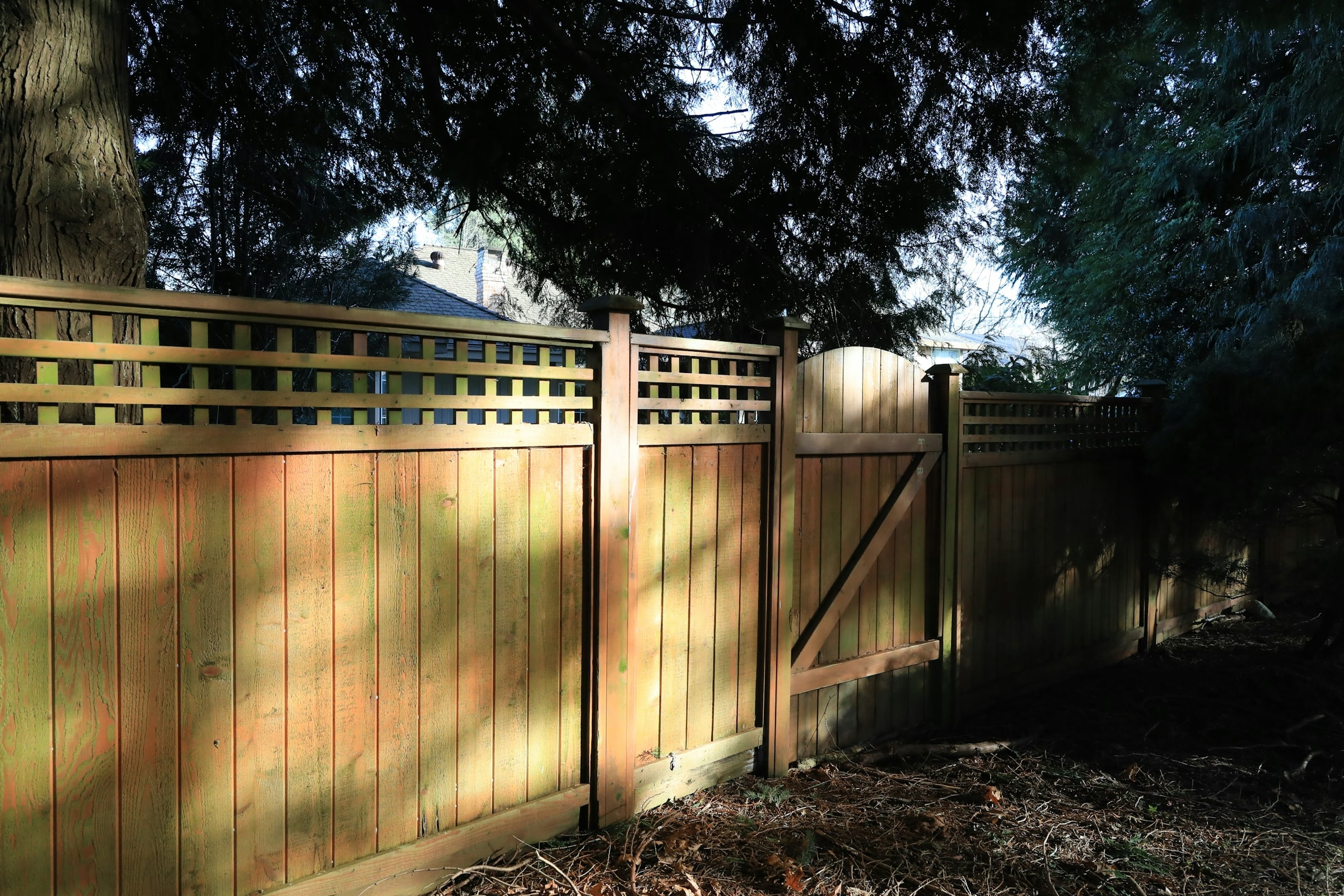
A fence is the first thing a buyer sees about a property line and the last thing most buyers check. It can be on the line, a foot inside it or two feet over it, and it may belong to you, to the neighbor or to nobody in particular. This guide covers three things we read for ourselves: the fence statutes in the Code of Virginia, the permit and height pages that the City of Richmond, Henrico County and Chesterfield County publish, and a short list of checks to make before closing. We make no price claims, and where the sources we read are silent, we say so.
What the Code of Virginia says about fences between neighbors
Fence rules sit in Title 55.1, Chapter 28 of the Code of Virginia, which is titled Trespasses; Fences. Article 6 covers division fences, the fences between adjoining owners, and it is the part a buyer is most likely to meet. We read it directly, and this is what it says.
Adjoining landowners are expected to build and maintain division fences between their lands at their joint and equal expense. That default does not apply if an owner chooses to leave the land open, or if the owners agree to something else. If no fence has been built, either owner may give the other written notice of an intent to build one and a requirement that the other build half. The owner who receives notice has 10 days to answer in writing that the land will lie open. If that owner neither does so nor agrees within 30 days to build a half, the owner owes the builder half the expense, and the fence becomes a division fence. If the open land is later enclosed, the owner who enclosed it pays half the fence’s value at that time.
If a division fence already stands and falls into disrepair so that it is no longer a lawful fence, either owner may give written notice of an intent to repair it and a requirement that the other repair a half. After 30 days without action, the owner who gave notice may repair the entire fence, and the other owner is liable for half the cost. The statute also says a successor in title is not liable for amounts incurred before a notice is properly recorded in the clerk’s office, which is why a recorded notice matters to a title search.
One limit on all of this deserves plain words. The chapter is built around a “lawful fence,” a term tied to livestock, and we did not read court decisions on how Virginia judges apply the division fence article to an ordinary suburban lot. Whether a particular backyard fence falls under these rules, and who owes what, is a question for a Virginia real estate attorney, not for a blog post.
What Richmond, Henrico and Chesterfield say about permits and height
The state statute says who shares a fence. Your locality says what you may build. We read one page for each, and the table shows the numbers they publish.
| Locality and source | Building permit | Height figure on the page |
|---|---|---|
| City of Richmond, residential building plan requirements | Exempt for fences “of any height,” unless needed for pedestrian safety or used as a pool barrier | None; zoning may set height and setbacks |
| City of Richmond, Old and Historic District guidelines | Staff may approve within limits; larger changes need a certificate from the Commission of Architectural Review | 4 feet in front yards; 6.5 feet in side and rear yards |
| Henrico County Permit Center | Not required for fences up to 7 feet that are not a pool barrier | 7 feet (permit threshold); 6 feet for masonry walls |
| Chesterfield County residential projects page | Required if the fence serves as a pool barrier; the fence section lists nothing else | None stated |
Read the table the way the pages are written, not the way you might wish. The City of Richmond’s residential building plan requirements exempt fences from a building permit, then say zoning districts can still set setbacks and maximum heights, and they point readers to the Zoning Administration Office. A permit exemption is not a zoning approval. In the city’s historic districts, the Commission of Architectural Review guidelines set the 4 foot and 6.5 foot figures for work staff can approve. Henrico’s page on when a building permit is not required gives 7 feet for fences and 6 feet for concrete or masonry walls, and notes that exempt work may still need to meet building code requirements. Chesterfield’s residential project requirements page says a permit is needed if the fence serves as a pool barrier, asks for a plot plan showing setbacks from the proposed fence to the property lines, and gives no maximum height.
That Chesterfield plot plan requirement is worth noticing. Chesterfield asks where the fence sits relative to the line, so know the answer before you apply. Your association may also say no even where the county does not, which our guide to decks, sheds, fences and pools in a Midlothian-area neighborhood walks through. We did not read the pages for Hanover, Goochland or Powhatan counties, so check those directly if your house is there.
Get the closing-timeline checklist
A fence question is one of several things that surface between contract and closing: the survey, the title search, the association documents, the inspection. We have a Richmond closing-timeline checklist that lays out when each one comes up. Ask for it and we will send it.
What to check about the fence before you close
Start with the line itself. A recorded plat shows the lot lines the subdivision was drawn with, and a survey shows where the corners and improvements are today. Our guides explain what a plat tells you and what only a survey can and whether you need a survey at all. If the fence matters to you, a survey is how you learn whether it sits on the line, inside it or across it.
Then look at what runs along the fence. Utility and drainage easements often follow lot lines, and a fence built across one may be limited by it. Our guide to easements and what they stop you doing shows how to find them. Walk the fence with the listing agent and ask these questions in writing: who built it, who maintains it, whether any agreement or notice about it was ever recorded, and whether the pool, if there is one, is enclosed by the fence or by something else.
Finally, look at the fence as a building element. Leaning posts, rot at the ground and patched sections are the fence version of a roof near the end of its life, and if the division fence article applies, a neighbor can give notice asking you to share in fixing them. If you are buying with a lender, ask whether the title company’s report lists anything recorded against the lot. The closing-table guide explains who sits where and why a Virginia attorney is often in the room.
Where the local rules differ in the Richmond market
Inside the City of Richmond, the first question is whether the house is in an Old and Historic District, because the guidelines above then add height and material limits. In Chesterfield County and Henrico County, the county pages we read are lighter, and an association’s governing documents often carry the real fence rules. Neither is a reason to avoid a house. Both are reasons to read the plat and the covenants before you write an offer. Browse what is available on our property search, and read our buyer process page to see where each check falls in the timeline.
Get the closing-timeline checklist
Fence, survey, title and association questions all arrive on their own schedule between contract and closing. Ask for our Richmond closing-timeline checklist and see when each one comes up.
This guide is general information, not legal advice. For questions about a specific fence, boundary, covenant or contract, talk with a Virginia real estate attorney.
Frequently asked questions
Does a division fence agreement bind the next owner?
Only if it meets the statute’s conditions. Under the Code of Virginia, an agreement about building or maintaining a division fence binds successors in title only if it is in writing and says so, is recorded in the deed book in the clerk’s office where the land lies, and is indexed like a deed. A recorded notice about a fence can also make later owners liable for sums due under it.
How is notice about a fence supposed to be given?
The statute says notice goes to the landowner if he lives in the county where the land lies. If he lives elsewhere, it can go to a person who would act as his agent under Virginia law, and a tenant occupying the land counts as the landowner’s agent for this purpose. Because notice starts 10 and 30 day clocks, how it is given is a detail to ask an attorney about.
What does the 42 inch and 5 foot “lawful fence” wording mean?
It is a livestock standard. The Code describes a lawful fence as one that domesticated livestock cannot creep through, for example at least five feet high, or at least 42 inches high with four strands of barbed wire or three boards on substantial supports, and at least three feet within a town whose charter sets no standard of its own. It is not a backyard height rule, and your locality and association set those separately.
Do I need a permit to replace an existing fence?
The pages we read describe permits for building a fence and say nothing specific about replacing one in the same place. Treat that as an open question for your locality, and note that a fence used as a pool barrier needs a permit in Henrico and Chesterfield and is excluded from the Richmond exemption.
What changes in a Richmond historic district?
The Commission of Architectural Review guidelines list work staff cannot approve and that needs a certificate of appropriateness: privacy fences in the front yard, fences or walls over the height limits, and installing or changing vinyl, plastic, wire, metal lattice or chain link fencing, among others. Board privacy fences are limited to the rear of the property with gaps no larger than 2 inches.
Does a fence prove where the property line is?
No. A fence shows where someone built, not where the recorded line runs. The Chesterfield page asks for setbacks measured from the proposed fence to the property lines because those are two different things. A survey is the document that locates the line, and boundary disputes are an attorney question.
Can an association refuse a fence the county would allow?
Yes, in the sense that covenants and county rules are separate layers. A county can say no permit is needed while the association’s documents still require approval of style or height. Read the governing documents before you order a fence, and see our Midlothian guide for how that plays out.