Westover Hills Richmond VA Neighborhood Guide 2026: Homes, Prices, and Why Buyers Love This Hidden Gem
Exploring Westover Hills – one of Richmond’s most beloved and underrated south-of-the-river neighborhoods with James River access, historic charm, and genuine community character.
Westover Hills is one of Richmond Virginia’s most beloved and community-oriented south-side neighborhoods – a compact, walkable area on the south bank of the James River that combines mid-century residential charm, direct James River access, excellent commute times to Downtown Richmond, and a passionate neighborhood community that makes it one of the most distinctive places to live in the city. This complete buyer’s guide covers Westover Hills home prices in 2026 (median approximately $385,000-$410,000), the neighborhood’s architectural character (primarily 1940s-1960s ranches, split-levels, and Cape Cods), the Westover Hills James River Park access that makes the neighborhood so popular with outdoor enthusiasts, neighborhood schools, the Westover Hills commercial node on Forest Hill Avenue, how Westover Hills compares to other south Richmond neighborhoods, and why Mission Realty’s south Richmond specialists help buyers discover and secure homes in this sought-after community before they hit the open market. Westover Hills is the neighborhood that Richmond insiders love and newcomers discover with delight.
Table of Contents
- Westover Hills Neighborhood Overview and Character
- Home Styles, Prices, and Real Estate Market in Westover Hills 2026
- James River Access and Outdoor Recreation from Westover Hills
- Westover Hills Community Life, Schools, and Local Amenities
- Westover Hills vs Northside and Other Richmond Neighborhoods: How to Compare
- Tips for Buying a Home in Westover Hills Richmond VA in 2026
- Frequently Asked Questions
Westover Hills occupies a special place in Richmond’s neighborhood landscape. Located on the south side of the James River in the Swansboro/Westover Hills area (zip 23225), this residential neighborhood was developed primarily in the 1940s through 1960s as a middle-class suburb for families who wanted convenient access to Downtown Richmond while living in a more spacious, family-oriented setting than the city’s older Victorian neighborhoods could offer. The neighborhood’s mid-century housing stock – ranches, split-levels, Cape Cods, and colonial revivals on lots that are larger than what the Fan District or Church Hill offer – provides a distinctly different but genuinely charming residential environment that attracts buyers who appreciate the era’s architectural sensibility and the livability of neighborhoods built for the automobile era but now prized for their walkable community character.
What has kept Westover Hills consistently in demand well beyond its original suburban market positioning is the combination of three irreplaceable assets: direct access to the James River Park System through multiple trailheads and access points (including the beloved Pony Pasture and Reedy Creek areas of the James River Park System), proximity to Downtown Richmond (10-15 minutes by car or bike, 20-minute bike commute via the Buttermilk Trail and river trails), and a neighborhood civic culture that is unusually engaged and community-oriented even by Richmond’s already-impressive neighborhood civic organization standards. Westover Hills Block Association events, the neighborhood’s active social media community, and the regular informal gatherings at the Forest Hill Park shelter all reflect a neighborhood that genuinely values its community identity.
Westover Hills Richmond VA Neighborhood Overview: Location, History, and Character in 2026
Westover Hills is bounded roughly by Forest Hill Avenue to the south, Westover Hills Boulevard to the east, the James River to the north, and the Forest Hill Park area to the west. This compact but complete neighborhood covers approximately 1,200 residential properties – a scale that creates genuine neighborliness (you will recognize your neighbors, not just the 50 households immediately adjacent to you) without being so small as to lack the variety and vitality that makes a neighborhood interesting. The neighborhood’s main commercial spine is along Forest Hill Avenue at the Westover Hills intersection with Forest Hill Avenue, where a small concentration of independent restaurants, coffee shops, and local businesses creates a walkable neighborhood node that reinforces the community’s village-within-a-city character.
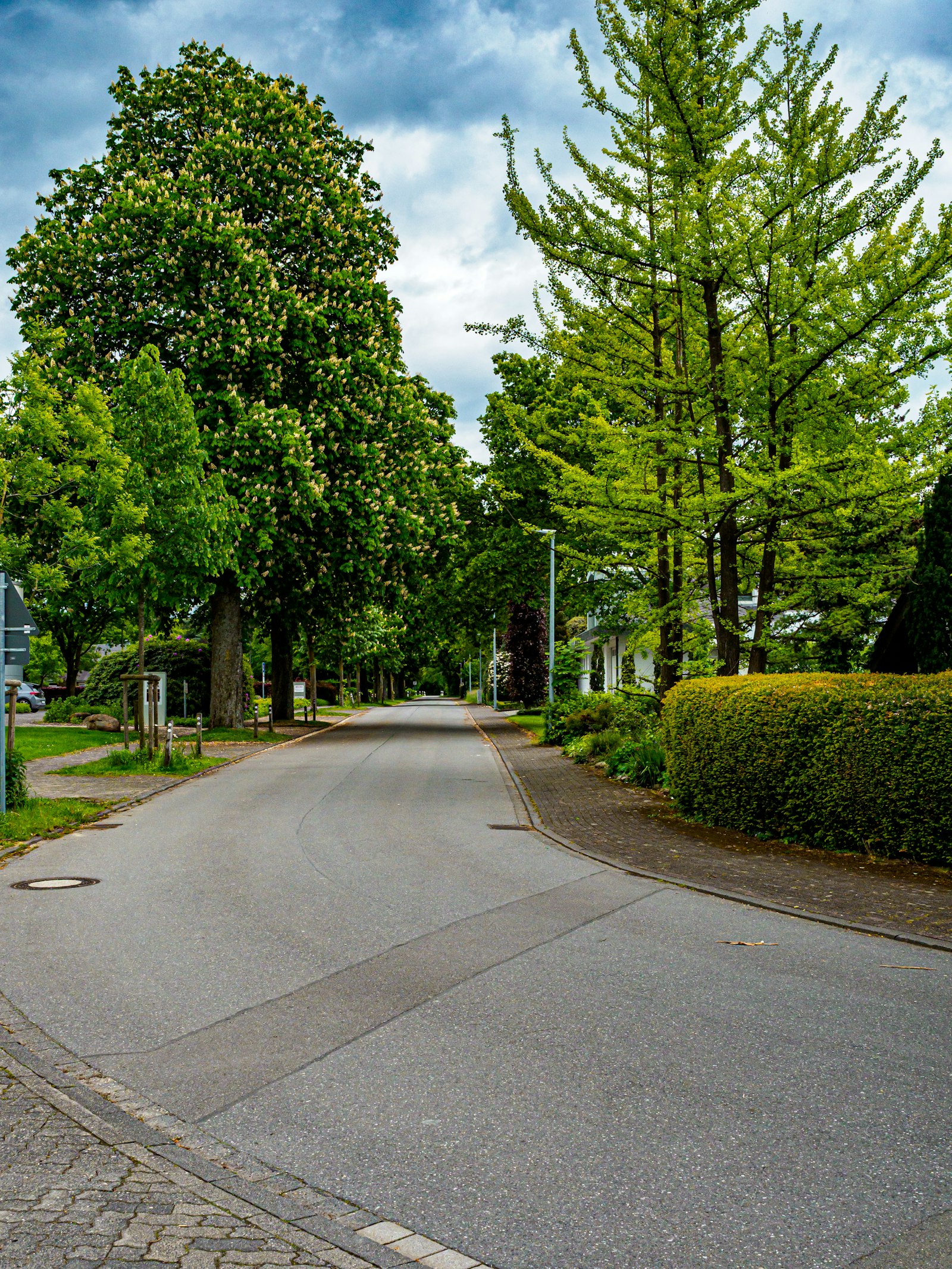
The neighborhood’s development history explains its architectural character. Westover Hills was subdivided and developed primarily between 1940 and 1965 – squarely in the period of American residential architecture characterized by smaller, well-designed single-story and one-and-a-half-story homes on generous lots, with garages, mature trees, and layouts that were functional for mid-century family life. Many of these homes have been renovated, expanded, and updated by subsequent generations of owners while retaining their original architectural character – the effect is a neighborhood of homes that feel genuinely lived-in and personalized in ways that newer construction developments, where design restrictions limit individual expression, cannot achieve. Walking the streets of Westover Hills is a genuinely pleasant experience: varied architecture, mature landscaping, and visible evidence of homeowners who care deeply about their individual properties and the neighborhood collectively.
Westover Hills is part of Richmond City rather than Henrico or Chesterfield County – meaning property taxes are at Richmond City’s $1.20 per $100 of assessed value rate and schools are in Richmond Public Schools rather than the county school systems. This is an important consideration for buyers comparing Westover Hills to comparable neighborhoods in Henrico or Chesterfield, as the school and tax factors are meaningful differences. However, for buyers whose children are not yet school-age, who are planning to use private schools, or who are buying as an investment or primary residence without school-related concerns, the city designation affects primarily the property tax calculation rather than the quality-of-life experience within the neighborhood itself.
Westover Hills Home Prices, Housing Types, and Real Estate Market Conditions in 2026
Westover Hills home prices in 2026 reflect the neighborhood’s desirability within Richmond’s south-side market. The median sale price for single-family homes in the Westover Hills area runs approximately $385,000-$410,000 – above the citywide Richmond median of approximately $385,000, reflecting the neighborhood’s premium positioning as one of the south side’s most sought-after residential addresses. Individual home prices range from approximately $290,000 for smaller, less-updated ranches on the neighborhood’s more affordable blocks to $550,000-$650,000+ for fully renovated, expanded homes on Forest Hill Park-adjacent lots with premium finishes and significant additions that have grown the original square footage considerably.
The most common housing type in Westover Hills is the 3-bedroom, 1-2 bathroom ranch home of 1,100-1,600 square feet – the quintessential mid-century American suburban house, typically on a lot of 6,000-10,000 square feet with a one-car attached or detached garage, a small front yard, and a more generous back yard. These homes, when move-in ready and well-maintained, typically sell in the $340,000-$440,000 range depending on condition, specific location within the neighborhood, and lot characteristics. Split-level homes (common in the neighborhood’s 1960s sections) add approximately 200-400 square feet of finished lower-level space and typically sell at modest premiums to comparable ranches. Cape Cod-style homes with upstairs bedrooms add sleeping space while maintaining a compact footprint. Several larger colonial revival homes on the neighborhood’s best blocks provide more space for families who need 4+ bedrooms, typically priced $430,000-$580,000.
The Westover Hills real estate market is consistently competitive – the neighborhood’s combination of assets (James River access, community character, proximity to Downtown) attracts immediate buyer attention when well-priced listings appear. In 2026, well-priced Westover Hills listings in the $350,000-$480,000 range typically receive offers within 7-14 days of listing, with some properties generating multiple offers. The market has moderated from the extreme competition of 2021-2022 (when buyers regularly waived all contingencies and offered 10-15% over asking), but remains a seller-friendly environment for correctly priced properties. Buyers should be prepared to move quickly and decisively when a Westover Hills property meets their requirements – hesitating typically means losing the opportunity to a more prepared buyer.
James River Access and Outdoor Recreation from Westover Hills Richmond VA: Why Nature Lovers Love This Neighborhood
Westover Hills’ most distinctive and irreplaceable asset is its immediate access to the James River Park System – one of the largest urban whitewater parks in the country and Richmond’s defining recreational asset. The neighborhood’s northern boundary runs along the James River, and multiple access points to the river’s trails, swimming holes, fishing spots, and kayak/canoe launches are within a 5-10 minute walk from most Westover Hills addresses. The Pony Pasture Rapids area – a beloved James River swimming and picnicking destination – is approximately 1.5 miles west of the neighborhood via the Buttermilk Trail. The Texas Beach and Reedy Creek access areas are similarly accessible by foot or bike.
For outdoor enthusiasts, Westover Hills’ proximity to the James River Park System is genuinely life-changing in its effect on daily lifestyle. A morning kayak before work, a lunchtime swim in the river on a summer day, a sunset hike along the Buttermilk Trail, a weekend afternoon fly fishing in the Richmond Riverfront – these are genuine realities of daily life for Westover Hills residents, not aspirational lifestyle magazine fantasies. The James River Park System’s 550+ acres of trails, islands, and riverbank provide enough variety for regular use without repetition, and the river itself – with class I-IV rapids depending on water levels, remarkable urban wildlife (bald eagles, great blue herons, otters, and even the occasional osprey nesting in the Westover Hills area), and the particular beauty of the James flowing through Richmond’s ancient granite geology – is a remarkable natural environment for a city of Richmond’s size and character.
The cycling infrastructure connecting Westover Hills to the broader Richmond trail network has improved significantly in the past several years, with the Buttermilk Trail providing a car-free connection to the T. Tyler Potterfield Memorial Bridge and the Virginia Capital Trail – creating a continuous off-road cycling route from Westover Hills through Downtown Richmond and all the way to Williamsburg (52 miles). For residents of Westover Hills who commute by bicycle, this infrastructure means a genuinely pleasant 20-25 minute bike commute to Downtown Richmond without significant automobile interaction. Forest Hill Park (adjacent to the neighborhood’s western edge) provides additional running trails, a disc golf course, a swimming pool, and programming that supports neighborhood active life year-round.
Westover Hills Community Life, Schools, and Local Amenities: What It Is Actually Like to Live Here
Westover Hills has one of Richmond’s most active and engaged neighborhood communities – a function of the neighborhood’s physical scale (compact enough for genuine community, large enough to be diverse and interesting), its demographic mix (young families and long-time residents exist alongside each other productively), and the shared outdoor assets of Forest Hill Park and the James River that bring neighbors together around common recreational activities. The Westover Hills Block Association organizes regular neighborhood events, coordinates on issues affecting the neighborhood, and maintains a communications infrastructure that keeps residents connected to neighborhood news and each other. The neighborhood’s walkability means residents encounter each other regularly – at Forest Hill Avenue coffee shops, on the James River trails, at Forest Hill Park – creating the incidental social connections that build genuine community over time.
Schools in Westover Hills are in Richmond Public Schools, with elementary students primarily attending Westover Hills Elementary School – one of Richmond’s well-regarded elementary schools with an active PTA and strong parent community involvement. Middle school and high school students feed into the Richmond City middle and high school system, which is more varied in quality across schools. Families with school-age children who prioritize public school academic performance should research current school assignment and performance data carefully with Mission Realty’s guidance before making a Westover Hills purchase decision. The neighborhood has a number of private school options accessible by a short drive – Collegiate School, St. Catherine’s, and other independent schools in the Richmond area serve families who prefer private school options.
Westover Hills’ commercial node on Forest Hill Avenue has seen notable improvement in the past 5 years, with independently owned restaurants, a coffee shop, and local businesses creating a walkable neighborhood amenity hub that reflects and reinforces the neighborhood’s community character. The 7-Eleven on Forest Hill has been supplemented by more community-oriented retail, and the proximity of the larger Forest Hill commercial area (approximately 1 mile west along Forest Hill Avenue) provides grocery, pharmacy, and essential service access within a 5-minute drive. The neighborhood is not a walkable urban retail environment on the scale of Carytown or the Fan’s Park Avenue corridor, but the Forest Hill Avenue node provides enough walkable amenity for daily coffee and casual dining without requiring a car for every errand.
Westover Hills vs Other Richmond Neighborhoods in 2026: How to Compare South Side, Northside, and the Fan for Your Specific Priorities
Buyers who are considering Westover Hills are often also considering Northside Richmond (particularly the Bellevue and Laburnum Park areas), parts of the Fan District, or occasionally south-side neighborhoods in neighboring Chesterfield County. Each comparison illuminates what Westover Hills does and does not offer. Compared to Northside Richmond (particularly Bellevue): similar 1940s-1960s housing stock and community character; Westover Hills has the James River access advantage (Northside has no comparable river amenity) while Northside has somewhat lower median prices and more diverse architectural variety in the Craftsman bungalow tradition. The neighborhoods are genuinely similar in many ways and buyers who like one typically appreciate the other.
Compared to the Fan District: the Fan offers higher walkability, better dining and entertainment access, higher architectural prestige (Victorian vs mid-century), and higher median prices ($595,000 vs $395,000-$410,000 in Westover Hills). Westover Hills offers more space per dollar (larger lots, typically more off-street parking, more private outdoor space), quieter residential streets, and the James River access that the Fan cannot match. Buyers with families who value outdoor space, privacy, and nature access often prefer Westover Hills over the Fan. Buyers who prioritize walkable nightlife and restaurant access and historic architectural pedigree typically prefer the Fan. Both are excellent neighborhood choices – genuinely different rather than one being objectively better.
Compared to Chesterfield County south-side neighborhoods: Chesterfield offers lower property tax rates ($0.93/100 vs Richmond City’s $1.20/100), better-rated public schools, and newer housing stock in many areas. Westover Hills offers genuine urban Richmond character, James River access, shorter commute distances to Downtown employment, and the authentic neighborhood community that newer suburbs typically take decades to develop. Buyers with young children who prioritize schools often move from Westover Hills consideration toward Chesterfield alternatives, while buyers who prioritize the urban-adjacent lifestyle and outdoor access of Westover Hills typically find Chesterfield’s suburban environment less satisfying regardless of the school and tax advantages.
How to Buy a Home in Westover Hills Richmond VA in 2026: Strategy, Timing, and Working with Mission Realty
Buying in Westover Hills in 2026 requires preparation and decisiveness – the neighborhood’s strong demand means good listings do not stay available long, and unprepared buyers who are still working through mortgage pre-approval, deciding on their exact requirements, or waiting to see “what else comes up” consistently lose properties to more prepared competitors. The first step is mortgage pre-approval with a reputable lender who can close quickly – not just an automated pre-qualification, but a genuine underwriter review that gives sellers confidence your financing is reliable. Westover Hills sellers, like sellers across Richmond’s desirable urban neighborhoods, prefer offers from buyers with strong pre-approval documentation and lenders with a track record of smooth closings.
Developing a clear priority list before beginning your Westover Hills search is essential – the neighborhood offers a range of home types and locations, and buyers who know specifically whether they prioritize James River proximity, lot size, garage availability, updated kitchen and bathrooms, or number of bedrooms over other attributes can make faster and better decisions when a listing appears that meets their criteria. The buyers who lose properties in Westover Hills are often those who cannot confidently evaluate a new listing against their priorities and make a decision within 24-48 hours of it becoming available. The buyers who successfully purchase in Westover Hills have typically done the work of establishing their priorities in advance, so that when the right property appears, they recognize it immediately and act decisively.
Mission Realty’s south Richmond specialists have deep knowledge of Westover Hills specifically – we know which blocks have the most direct James River trail access, which sections have more street parking constraints, where the neighborhood’s most notable pocket parks and green spaces are, which streets have mature canopy and which are more open, and which recent sales set the most accurate comparable pricing benchmarks for current listings. This specific neighborhood knowledge lets us help buyers evaluate Westover Hills properties quickly and accurately, avoiding both overpayment and the mistake of passing on a good property because you cannot quickly assess whether its pricing is fair. Contact Mission Realty before you start your Westover Hills search so we can share this neighborhood context with you.
| Westover Hills Home Type | Typical Size | Price Range 2026 | Notes |
|---|---|---|---|
| Ranch (original condition) | 1,000-1,400 sq ft | $290,000-$360,000 | Good first-time buyer entry point |
| Ranch (updated kitchen/bath) | 1,000-1,500 sq ft | $350,000-$430,000 | Most common buyer profile |
| Split-Level | 1,200-1,800 sq ft | $340,000-$450,000 | Extra lower-level living space |
| Cape Cod | 1,100-1,600 sq ft | $340,000-$440,000 | Upstairs bedrooms with character |
| Colonial Revival | 1,600-2,400 sq ft | $430,000-$580,000 | Larger families, more bedrooms |
| Renovated/Expanded Ranch | 1,600-2,200 sq ft | $460,000-$640,000 | Premium finishes, additions |
| Park-Adjacent Premium | 1,400-2,000 sq ft | $480,000-$650,000 | Forest Hill Park or river trail backing |
Frequently Asked Questions: Westover Hills Richmond VA 2026
What is Westover Hills Richmond VA known for?
Westover Hills is best known for its direct access to the James River Park System, its engaged and community-oriented neighborhood character, its mid-century residential architecture, and its proximity to Downtown Richmond combined with a quieter residential atmosphere than the Fan District or Scott’s Addition provide. The neighborhood’s residents are passionate about their community and the James River – the Buttermilk Trail, Pony Pasture, and James River swimming are cultural touchstones that define daily life for Westover Hills residents. The neighborhood is often described by people who live there as “the best-kept secret in Richmond” – known and beloved by insiders but not yet as prominent in the national Richmond narrative as the Fan District or Scott’s Addition.
What is the average home price in Westover Hills Richmond VA?
The median home sale price in the Westover Hills area of Richmond VA runs approximately $385,000-$415,000 in 2026. This figure encompasses a range from approximately $290,000 for smaller, original-condition ranches to $580,000-$650,000 for fully renovated and expanded premium properties on the best lots. The neighborhood has appreciated approximately 5-7% annually over the past 3 years, driven by consistent demand from buyers seeking south Richmond’s combination of James River access, community character, and Downtown proximity at prices more accessible than the Fan District.
Is Westover Hills a good neighborhood in Richmond VA?
Yes – Westover Hills is consistently rated among Richmond’s most desirable and community-oriented south-side neighborhoods. The neighborhood offers genuine quality-of-life assets that are difficult to find in any single Richmond address: direct James River Park System access, a tight-knit and engaged community, proximity to Downtown, and housing that is well-maintained and priced below the north-side urban neighborhoods that receive more national attention. Residents of Westover Hills consistently report high neighborhood satisfaction and many describe it as a place they never expected to stay long-term but find impossible to leave once they experience the community and lifestyle it provides.
How far is Westover Hills from downtown Richmond?
Westover Hills is approximately 3-4 miles from Downtown Richmond by road, translating to a 10-15 minute drive depending on traffic conditions and your specific destination within Downtown. By bicycle using the Buttermilk Trail and the T. Tyler Potterfield Memorial Bridge, the commute to Downtown is approximately 20-25 minutes – a genuinely practical and highly scenic commute route that many Westover Hills residents use year-round. The neighborhood’s south-side location requires crossing the James River to reach Downtown, which is efficiently accomplished via the Manchester Bridge (also called the Robert E. Lee Bridge) or the Chippenham Parkway interchange depending on your destination.
What schools are in the Westover Hills area of Richmond VA?
Westover Hills is located in Richmond City and serves Richmond Public Schools. Elementary-age children in the neighborhood typically attend Westover Hills Elementary School. Middle school students attend a Richmond City middle school, and high school students attend a Richmond City high school. Families considering Westover Hills who are focused on school quality should research current school assignments and performance data with Mission Realty’s guidance. Some families in the neighborhood choose private school options including Collegiate School, St. Catherine’s, and other Richmond independent schools, which are accessible by a short drive from Westover Hills.
How competitive is the Westover Hills real estate market in 2026?
Westover Hills is a competitive real estate market in 2026. Well-priced homes in the $350,000-$480,000 range typically receive offers within 7-14 days of listing, and some properties generate multiple competing offers. The extreme competition of 2021-2022 has moderated – buyers no longer routinely waive all contingencies – but Westover Hills remains a seller-favorable market where good properties sell quickly to prepared buyers. Success in this market requires mortgage pre-approval completed before your search, clear knowledge of your priorities, and willingness to act decisively when the right property appears. Mission Realty’s south Richmond specialists help buyers navigate this competitive environment effectively.
Ready to Find Your Westover Hills Home? Mission Realty Knows This Neighborhood.
Westover Hills is one of Richmond’s most special residential communities – and Mission Realty’s south Richmond specialists are your best guides to finding and securing the right home in this competitive neighborhood. Whether you are a first-time buyer, moving up from an apartment, or relocating to Richmond from another city and discovering Westover Hills for the first time, we bring the neighborhood expertise and buyer representation skills to make your Westover Hills purchase successful. Contact Mission Realty at missionrealty.com to begin your Westover Hills home search today.