If you own or are shopping for a house built decades ago in the Fan, the North Side, Bon Air or Tuckahoe, the word asbestos probably crossed your mind at some point. It is a real material found in real older homes, and it deserves a plan. It also does not deserve panic. The EPA is clear that asbestos-containing material in good condition that is left alone is not likely to pose a health risk. What matters is whether anyone is going to cut, sand, drill or tear it out, and that is why the timing of renovation and sale decisions matters so much. This guide is written for sellers first and buyers second. We do not quote testing or abatement prices, because we did not find a reliable local source for them.
Where asbestos shows up in an older house
The EPA’s Learn About Asbestos page lists the places it may be found in homes: attic and wall insulation containing vermiculite; vinyl floor tiles and the backing on vinyl sheet flooring, along with the adhesives; roofing and siding shingles; textured paint and patching compounds on walls and ceilings; walls and floors around wood-burning stoves protected with asbestos paper, millboard or cement sheets; hot water and steam pipes coated with asbestos material or wrapped in asbestos blanket or tape; and oil and coal furnaces and door gaskets. That list is a reason to know your house, not a verdict. Having one of those materials does not mean it contains asbestos.
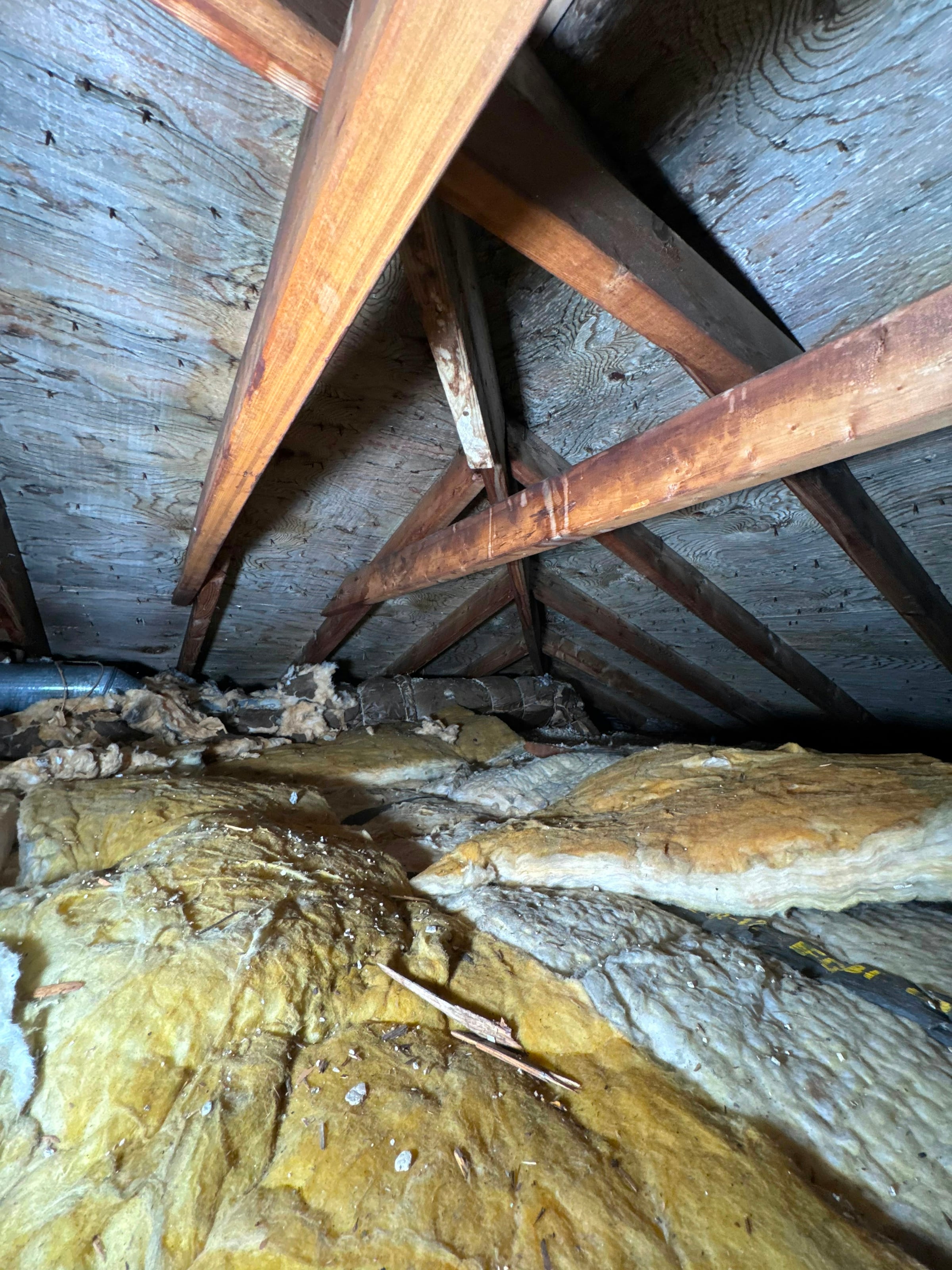
Vermiculite deserves a special note. The EPA’s vermiculite insulation page describes it as a pebble-like, pour-in product that is usually gray-brown or silver-gold, and says a mine near Libby, Montana supplied more than 70 percent of the vermiculite sold in the United States between 1919 and 1990 and was contaminated with asbestos. Its advice is to assume that vermiculite insulation in an attic or wall may contain asbestos and to leave it undisturbed rather than pay for testing that may be costly or give erroneous results. If you will be remodeling and the work would disturb it, the EPA recommends hiring a professional asbestos contractor.
Why undisturbed material usually is not the hazard
According to the EPA’s guidance on protecting your family from asbestos, fibers are released when material is disturbed or damaged, whether by demolition, repair, remodeling, cutting, tearing, sanding, sawing, drilling or scraping. Material in good condition that will not be disturbed generally does not release fibers. The EPA lists the homeowner do-nots plainly: do not dust, sweep or vacuum debris that may contain asbestos; do not saw, sand, scrape or drill into it; and do not use abrasive pads or power strippers on old flooring. If a material is slightly damaged, limiting access can be the first response. If it is more than slightly damaged, or if you will be changing the house in a way that would disturb it, the EPA says repair or removal by a trained and accredited asbestos professional is needed.
When testing matters, and who does it
The EPA says a home inspection for asbestos by a trained and accredited professional makes sense if you plan to remodel or if building materials are damaged, such as crumbling drywall or insulation falling apart. If materials are undamaged and will not be disturbed, testing is not needed. The sampling should be done by a professional too, because the agency warns that doing it incorrectly can be more hazardous than leaving the material alone.
In Virginia, asbestos licensing sits with the Board for Asbestos, Lead, and Home Inspectors at the Department of Professional and Occupational Regulation. Its asbestos licensing consumer information sheet names the license categories (contractor, inspector, project designer, management planner, project monitor, worker and supervisor) and tells consumers to ask to see the license, confirm it has not expired, and make sure the person is working within the limits of that license. The EPA adds two practical points: use separate firms for assessing and for doing the work, and get a written plan from any contractor before work begins.
Get a free home valuation before you decide what to fix
Whether to test, repair or sell the house as it stands depends on what a buyer would pay for it today. We can show you how an older home with an unresolved material, such as old floor tile or vermiculite, is likely to compare with recent local sales. Request a free home valuation.
What sellers should do before listing
Start by walking the house with a plain question: is anything here going to be disturbed before closing? Painting over an old textured ceiling, pulling up a tired floor or hanging a shelf into an old plaster wall are the kind of jobs that can turn a quiet material into a problem. Do not scrape, sand or demolish to make a house show better. If you plan any updating before listing, have the affected material identified first, using the accredited professionals described above.
Next, think about information. A pre-listing inspection can give you a list of visible issues, but it is not an asbestos inspection, and an inspector who suspects a material will normally recommend a specialist rather than guess. If the house was built before 1978 you will also want the paperwork covered in our guide to pre-1978 lead paint disclosure. For houses that need work, our guides to selling a home that needs repairs and selling as-is explain the choices, and seller concessions covers one way to resolve a buyer’s concern. If you are pricing the house, how to price your home walks through how condition shows up in the number.
What a Virginia seller must and need not disclose
Virginia is a buyer beware state. Under § 55.1-703 of the Code of Virginia, the owner furnishes a residential property disclosure statement that the Real Estate Board provides on its website. The statement says the owner makes no representations or warranties about the condition of the property or its improvements, and it advises purchasers to exercise whatever due diligence they consider necessary, including inspections and professional help. The current text we read lists specific topics, such as a lead free pipes item, but does not name asbestos. That is a description of the form, not a conclusion about what you may say or stay silent about, and statutes and forms change; the Code notes a new version of the section takes effect January 1, 2027. For the bigger picture see our articles on the buyer beware disclosure statement and what a seller must actually disclose. If you know about a specific asbestos issue, talk to a Virginia real estate attorney about how to handle it in the contract.
What buyers, lenders and insurers do with this information
Buyers of older homes should assume that a standard inspection will not identify asbestos, and plan accordingly. If you intend to renovate, ask for testing of the affected area during your inspection period, using an accredited professional as the EPA recommends, and treat the result as a budget line before you commit. Our guide to what an inspector will not cover, the home inspection guide and our article on buying a historic home explain the add-ons. Renovation-minded buyers also use our renovation neighborhoods roundup.
As for lenders and insurers, we did not find a single published rule that applies to every loan or policy, so we will not claim one. Some loan programs and carriers may ask questions about condition or require repairs, and what applies depends on the program and the company. Ask your lender about appraisal conditions through our preferred lenders page, and read our guides on how homeowners insurance is priced and the CLUE report before you need a quote. For another system older houses often raise, see our guide to old plumbing in Richmond-area homes. Our recently sold properties page shows what has closed in the area, and our seller page explains how we work with owners of older homes.
This guide is general information, not legal advice. For your situation, talk to a Virginia real estate attorney.
Start with a free home valuation
If your Richmond-area house has older materials you are not sure about, the first useful number is what it is worth today. We will walk through how condition affects that value with you. Request a free home valuation.
Asbestos questions, answered
Can I tell whether a material contains asbestos just by looking at it?
No. The EPA says you generally cannot tell whether a material contains asbestos by looking at it unless it is labeled, and that if in doubt you should treat it as if it does and leave it alone. Confirming takes a sample analyzed in a laboratory, and the EPA advises that a trained and accredited professional take the sample rather than the homeowner.
Do I need to test my house for asbestos before I list it?
Not by default. The EPA says that if building materials are undamaged and will not be disturbed, you do not need to have the home tested. A seller might choose to test for a specific reason, such as a planned repair, damaged material or a buyer request, and a pre-listing inspection does not replace an asbestos inspection.
Is vermiculite insulation always a problem?
The EPA says to assume that vermiculite insulation may contain asbestos and to leave it undisturbed. It notes that a mine near Libby, Montana was the source of over 70 percent of vermiculite sold in the United States from 1919 to 1990, and that testing the attic can be expensive and may give erroneous results depending on methods. It recommends hiring a professional asbestos contractor before any work that would disturb it.
Can I cover old asbestos floor tile instead of removing it?
The EPA guidance for homeowners says not to sand or try to level asbestos flooring or its backing, and that when such flooring needs replacing you should install new floor covering over it, if possible. It also says never to use a power stripper on flooring that may contain asbestos. Confirm your plan with a trained professional before starting.
Who can legally inspect or remove asbestos in Virginia?
Virginia licenses asbestos work through the Board for Asbestos, Lead, and Home Inspectors at the Department of Professional and Occupational Regulation. Its consumer information sheet lists license types including contractor, inspector, project designer, management planner, project monitor, worker and supervisor, and says no individual or company may work with an expired license. The EPA adds that federal law does not require accreditation for people who inspect or remove asbestos in detached single-family homes but that some states and localities do, so ask to see a current license and check it on the DPOR license lookup.
Should the inspector and the abatement contractor be the same company?
The EPA suggests not. It says the professional who assesses the need for repair or removal should not be connected with the firm that does the work, so there is no conflict of interest, and it recommends getting a written work plan from any contractor before work begins.
Does the Virginia disclosure form mention asbestos?
The version of the disclosure statement requirements in Code of Virginia § 55.1-703 that we read does not list asbestos by name. It does tell buyers that the owner makes no representations or warranties about the condition of the property and that buyers should exercise their own due diligence. Federal lead-based paint rules are separate and apply to many older homes. This is general information, so confirm how it applies to your sale with a Virginia real estate attorney.
What if a buyer asks for asbestos testing during the inspection period?
A buyer is free to ask, and sellers may agree, decline or negotiate within the terms of the contract. If a test is allowed, the EPA recommends a trained and accredited professional collect the samples because careless sampling can release fibers. Ask the lab and the professional how results will be shared and who receives them before work starts.