Before you make an offer on a Richmond-area house, check four things: the flood zone for that exact address, which utility serves it, what trees stand near the power lines, and where a generator could safely run. Each check takes minutes and uses free official tools. They tell you what to ask the inspector, the seller and your insurance agent.
This guide covers the City of Richmond, Henrico, Chesterfield, Hanover, Goochland and Powhatan. It does not rate any neighborhood. Flood and outage exposure can differ from one address to the next, so the checks below are about the property in front of you.
Look up the flood zone for the address
Start at the FEMA Flood Map Service Center. Its home page has a search box that accepts a street address, a place name or latitude and longitude, and it returns the flood map for that location. The page also warns that flood maps are updated over time, so a printout can be superseded. Save the date you looked and check again close to closing.
Some counties add their own tools. Hanover County’s floodplains page says residents can search by street address and turn on a floodplain layer in the county’s online maps. It also describes FEMA’s Letter of Map Amendment process for owners who believe a property is wrongly shown in a floodplain. The City of Richmond Flood Resilience Kit (published February 2026) says the property owner is responsible for determining whether a structure is in a floodplain, and it lists the Department of Public Utilities Water Resources Division at 804-646-7586.
A few steps make the lookup useful:
- Search the full street address, not just the street, and note the zone shown.
- Check the county or city map for the same address. If the two disagree, ask the county office listed on its page.
- Ask the seller whether water has ever entered the house, garage or crawl space, and whether a flood insurance policy exists today.
- Walk the lot after a heavy rain if you can. Standing water, a wet basement or a damp crawl space is information the map will not give you. Our guide to wet crawl spaces and drainage in older Richmond homes lists what to look for.
Flood insurance is a separate question from homeowner’s insurance
FEMA’s FloodSmart site states that most homeowners insurance does not cover flood damage, and that flood insurance is what pays to rebuild after a flood. The City of Richmond’s flood kit says the same about standard homeowners policies and adds that a lender may require flood insurance if you buy a mortgaged property in a floodplain. Hanover’s page gives the same lender point and describes a high-risk area as one with a 1 percent annual chance of flooding, also called the 100-year flood.
That is all these pages say. We did not find an official page that spells out what a standard homeowners policy pays for wind or fallen trees, so ask your insurance agent for the policy form and read the exclusions before you commit. Ask for a flood quote while you are still inside your inspection period, because the answer can change your monthly cost. Our mortgage calculator lets you add an insurance figure to see the effect on payment.
Send us the address and we will help you run these checks
If you are weighing a specific house, send us the address. We will point you to the flood map, utility and county pages that apply to it so you can check before the inspection window closes. Prefer to browse first? Set up a saved search on our property search.
Who serves the address, and how outages get handled
Much of the Richmond area is served by Dominion Energy, but not all of it. Chesterfield’s storm information page lists both Dominion Energy and Southside Electric Cooperative for outage reporting. Powhatan’s emergency information page says the county is served by Dominion and Southside Electric, each with its own outage page. Ask the seller or look at a recent power bill to confirm who serves the house.
Dominion’s outage restoration page explains the order of repair: transmission towers, major lines and substations first, then primary distribution lines and poles, then the secondary service lines that reach homes. It says hospitals, fire and police stations and water treatment facilities get priority. It lists 888-333-4465 to report an outage and 866-366-4357 for downed or sparking lines. A house at the end of a long line may wait longer than one near a main road, but that is a question to put to the utility, not something we can tell you.
One detail matters to buyers. Dominion says damage between the weatherhead and the meter base is the homeowner’s responsibility, and an electrician has to repair it before Dominion can reconnect power. During a home inspection, ask the inspector to look at the weatherhead, the mast and the meter base, and ask the seller whether any of it has been repaired.
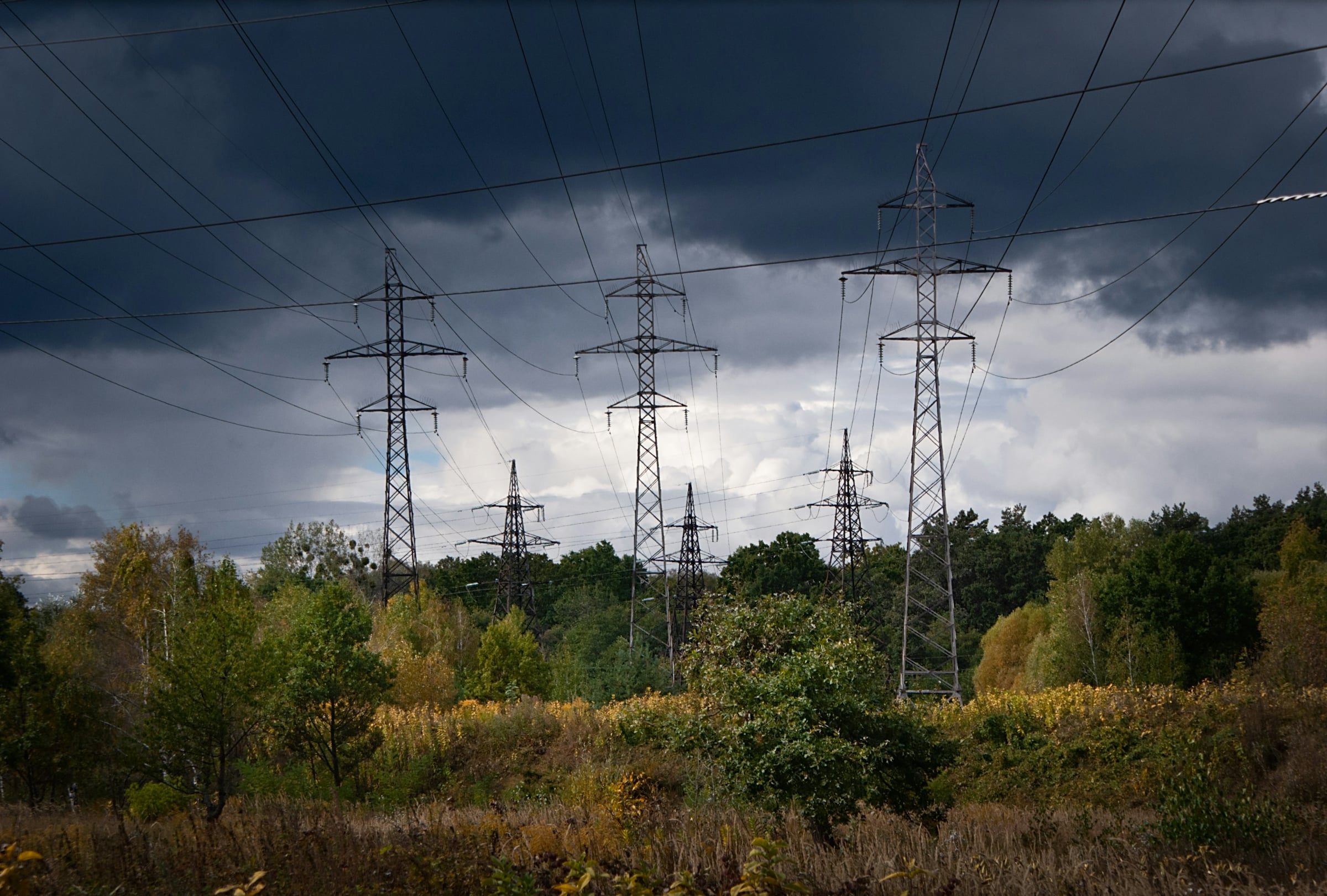
Tree and power line questions to ask
Trees are the most common reason a line comes down in a storm, and the lot you buy comes with them. Use Dominion’s Virginia tree trimming page as your reference. It states these facts:
| Topic | What Dominion’s page says |
|---|---|
| Clearance above primary distribution lines | At least 20 feet trimmed |
| Clearance to the side of distribution wires | At least 15 feet trimmed |
| Trimming cycle | Usually every 4 to 5 years |
| Advance notice before clearing | About 30 days, by letter or bill message |
| Storm debris | The property owner’s responsibility |
| Trees on or near service lines | Dominion will not cut them down but will disconnect the line at no cost so the owner or a contractor can remove them |
With that in hand, ask these questions about the property:
- Which lines cross or touch the lot, and which belong to the utility versus the house?
- Are there large limbs over the roof, the service line or the driveway?
- Has the owner paid for tree work, and are there records or receipts?
- Has Dominion trimmed here recently, and did the seller receive a notice?
- Are any trees dead or leaning? Dominion says it will look at a tree or limb that touches a line if you call, and it tells people not to trim near lines themselves.
For a tree that fell across a public road, Chesterfield’s storm page points residents to VDOT at 800-367-7623. If you are looking at a wooded or acreage property, browse our homes with acreage and plan for tree costs in your budget.
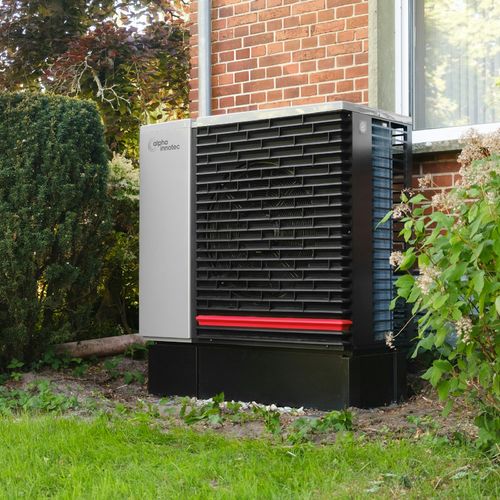
Generator safety, as CPSC and CDC state it
If you plan to run a portable generator after a storm, learn the rules before you buy. The Consumer Product Safety Commission’s May 27, 2026 release says to run a generator only outdoors, at least 20 feet from homes and buildings, with exhaust pointed away from windows, doors and vents. It says never to run one in a garage, basement, crawlspace or shed, even with doors open. The CDC’s carbon monoxide page gives the same direction and adds that you should have a battery-powered or battery backup CO detector in your home when you use a generator.
CPSC also recommends:
- Battery-operated or battery backup CO and smoke alarms on every level and outside sleeping areas, tested monthly.
- Getting outside and calling 911 if a CO alarm sounds.
- Generators with a CO shut-off feature, and models certified to PGMA G300-2023 and UL 2201-2023.
For a buyer, that means checking the lot. Is there a spot 20 feet from the house that is level, dry and away from windows? Do the bedrooms have working CO alarms? Is there a garage or crawl space someone might be tempted to use? The CPSC page does not discuss transfer switches or interlocks. If a seller says a generator is wired to the panel, ask for the permit and the electrician’s name, and have a licensed electrician look at it.
What to do with your answers
Write down the flood zone, the utility, the weatherhead condition, the tree findings and the generator spot for each house you tour. Compare them next to price and condition. If a finding bothers you, you have options inside the contract: ask for repairs, ask for a credit, get a specialist’s estimate or walk away. How credits work depends on your loan, as explained in our post on seller credits and closing limits by loan type.
Understand your agreement with the agent helping you, too. Our guide to the buyer representation agreement in Virginia explains what to read before signing. If you are buying land to build, see what to check first when buying a house to tear down and rebuild, since flood zone and utility service shape what you can build.
Our buy with us page explains how we work with buyers.
Send us the address before you write the offer
Tell us which house you are considering and we will help you work through the flood map, utility and county pages for it. You can also start a saved search for the areas you want.
Frequently asked questions
Does a FEMA flood zone mean a house will flood?
No. The zone describes mapped flood risk, not a promise either way. Hanover County’s page describes a high-risk area as one with a 1 percent annual chance of flooding in any year. Maps are also updated over time, which FEMA’s Map Service Center notes on its home page. Treat the zone as one input, and add what the inspection and the seller tell you.
Will my lender require flood insurance?
It can. The City of Richmond’s flood kit says that if you buy a mortgaged property in a floodplain, the lender may require flood insurance, and Hanover County’s page says the same for high-risk flood areas. Ask your lender early, and see our list of preferred lenders if you need to compare.
How do I fix a flood zone that looks wrong?
Hanover County’s page describes FEMA’s Letter of Map Amendment process, where an owner who believes a property is wrongly shown in a floodplain can request a change. FEMA decides whether the location qualifies. Ask the county’s floodplain office, or the City of Richmond’s Water Resources Division at 804-646-7586 if the house is in the city.
How do I report a power outage in the Richmond area?
For Dominion Energy, its restoration page lists 888-333-4465 for outages, and 866-366-4357 for downed or sparking lines, which you should keep everyone away from. Chesterfield’s storm page also lists Southside Electric Cooperative for customers it serves.
Who clears a tree that falls on my property in a storm?
Dominion’s page says storm debris is the owner’s responsibility. For trees on or near a service line, it says it will not cut them down but will disconnect the line at no cost so the owner or a contractor can remove them safely. For a tree blocking a public road in Chesterfield, the county points to VDOT at 800-367-7623.
Can I run a generator in the garage with the door open?
No. CPSC says never to run a generator in a garage, basement, crawlspace or shed, even with doors or windows open. CDC adds that you should keep it more than 20 feet from windows, doors and vents and use a battery-powered or battery backup CO detector.