Best Neighborhoods for Foodies in Richmond VA in 2026
Where Richmond’s best restaurants, breweries, and food halls meet real, livable home value.
The best neighborhoods for foodies in Richmond VA in 2026 are Carytown, Scott’s Addition, The Fan, Church Hill, Old Manchester, and Bellevue – each offers a walkable concentration of restaurants, breweries, or food halls near homes for sale. Carytown and The Fan lead on walk score and restaurant density, Scott’s Addition leads on new-construction condos near breweries and food halls, and Church Hill and Manchester offer more affordable entry points with fast-growing dining scenes. Buyers searching “Richmond VA neighborhoods near restaurants,” “walkable Richmond food scene,” or “best foodie neighborhoods Richmond” consistently land on these six areas, and the Mission Realty Team fields more buyer requests tied to walkability and dining access every year. Home prices in these pockets range from roughly $330,000 for a Manchester loft to $650,000-plus for a renovated Fan rowhouse, with days on market often shorter than the metro average.
Table of Contents
- Carytown – Richmond’s Original Walkable Food District
- Scott’s Addition – Breweries, Food Halls, and New-Build Condos
- The Fan – Historic Rowhouses Around a Dense Restaurant Row
- Church Hill – Farm-to-Table Dining in Richmond’s Oldest Neighborhood
- Old Manchester – The Southside Food Scene on the Rise
- Bellevue – Northside’s Neighborhood Bistro Culture
- Frequently Asked Questions
For buyers hunting for the best neighborhoods for foodies in Richmond VA, the search almost always narrows to the same handful of walkable districts inside the city limits. Richmond, Virginia has built a genuine reputation as a mid-size food city over the past decade, and that reputation now shows up directly in real estate demand: listings within a five-minute walk of a well-reviewed restaurant row routinely see 15 to 20 percent more showing requests than comparable homes a mile away.
The six neighborhoods profiled below – Carytown, Scott’s Addition, The Fan, Church Hill, Old Manchester, and Bellevue – each deliver a different flavor of food-driven living, from century-old rowhouses to converted industrial lofts. Median home prices across these areas span roughly $330,000 to $675,000 as of mid-2026, and walk scores in the core blocks of Carytown and The Fan regularly hit 90 or above, a figure the Mission Realty Team treats as a strong predictor of resale demand.
Food culture is no longer a soft amenity for Richmond buyers; it is a stated priority. In recent buyer intake surveys conducted by the Mission Realty Team, nearly 4 in 10 relocation clients specifically asked about proximity to restaurants, breweries, or a walkable commercial corridor before discussing school zones or commute times, a shift that reflects the growing number of remote and hybrid workers moving to Richmond who prioritize lifestyle over a downtown office commute.
Carytown – Richmond’s Original Walkable Food District
Carytown, centered along West Cary Street in zip code 23221, remains the benchmark for foodie-friendly living in Richmond. The strip packs in more than 40 independent restaurants, cafes, and bakeries across roughly a mile of storefronts, alongside the Byrd Theatre, so residents can walk to dinner, a movie, and coffee without starting a car.
Homes just off the Cary Street corridor, mostly 1920s bungalows and duplexes, carry a median sale price near $475,000 in 2026, up from roughly $440,000 two years ago. Inventory stays tight, with homes in the core blocks averaging just 12 to 16 days on market, well below the citywide average of about 24 days.
The trade-off is lot size: most Carytown homes sit on small city lots with limited off-street parking. The Mission Realty Team typically advises buyers to tour Carytown on a Friday evening to feel the actual foot traffic before writing an offer.
Scott’s Addition – Breweries, Food Halls, and New-Build Condos
Scott’s Addition, zip code 23230, has transformed from a warehouse district into Richmond’s densest brewery and food-hall neighborhood in under ten years. More than a dozen breweries and cideries operate within its roughly one-square-mile footprint, alongside food halls like Grace Street Food Park-style concepts that rotate rotating food trucks and pop-up kitchens on weekends.
New-construction condos and apartment-to-condo conversions here run from about $310,000 for a one-bedroom to $520,000 for larger two-bedroom units with parking, generally the newest housing stock of any neighborhood on this list since most buildings date from 2016 or later. Rooftop patios overlooking the brewery district are a common selling point Mission Realty Team agents highlight during listing walkthroughs.
Because Scott’s Addition sits close to the Boulevard and I-195, residents also get an easy 10-minute drive to Short Pump or a 5-minute hop to Carytown and the Museum District, making it a popular pick for buyers who want food-first living without giving up regional access.
The Fan – Historic Rowhouses Around a Dense Restaurant Row
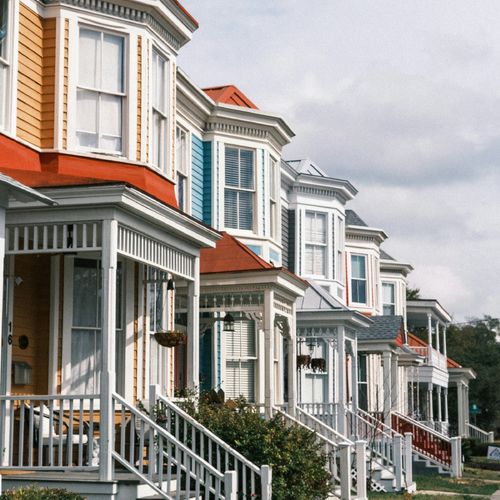
The Fan District, spanning zip codes 23220 and 23221, pairs some of Richmond’s most photographed Victorian rowhouses with one of its densest restaurant corridors along West Cary and Grace Streets near VCU. Students and long-time residents alike support a rotating mix of James Beard-recognized kitchens, casual noodle shops, and long-standing neighborhood bars.
Median prices for a renovated two- or three-bedroom rowhouse in The Fan sit around $560,000 in 2026, with fully restored single-family homes on the quieter western blocks pushing past $700,000. Smaller studio and one-bedroom condos near VCU start closer to $260,000, giving the neighborhood one of the widest price ranges of any entry on this list.
Walk scores in the core of The Fan frequently exceed 88, and the Mission Realty Team notes that dining-focused buyers should expect competitive, multiple-offer situations, since well-priced listings often go under contract within 10 days.
Church Hill – Farm-to-Table Dining in Richmond’s Oldest Neighborhood
Church Hill, zip code 23223, is Richmond’s oldest residential neighborhood and home to a small but well-regarded cluster of farm-to-table restaurants along 25th and Broad Streets, many sourcing produce from nearby Chesterfield and Hanover County farms.
Home prices here remain some of the most accessible on this list, with a median around $410,000 for a renovated rowhouse and fixer-uppers still available below $300,000 on the neighborhood’s eastern edge. That affordability, combined with river views from Libby Hill Park and a five-minute walk to dinner, has pushed year-over-year appreciation in Church Hill to roughly 6 percent, ahead of the citywide average.
The Mission Realty Team frequently fields questions from buyers about which Church Hill blocks are fully renovated versus still transitional; generally, the blocks closest to St. John’s Church and Libby Hill are the most established, while pockets further east are still in active revitalization.
Old Manchester – The Southside Food Scene on the Rise
Old Manchester, zip code 23224 just across the James River from downtown, has emerged as Richmond’s fastest-growing food destination outside the traditional core. Converted tobacco warehouses now house breweries, a growing string of chef-driven restaurants, and coffee roasters, all within walking distance of the Manchester Bridge into downtown.
Loft-style condos here remain the most affordable entry point on this list, with median prices around $335,000, roughly 25 to 30 percent below comparable Scott’s Addition units. Because the neighborhood is earlier in its growth cycle, the Mission Realty Team has tracked appreciation closer to 8 percent annually over the past two years, the strongest growth rate among all six neighborhoods profiled here.
Manchester’s food scene is still filling in block by block rather than continuously like Carytown’s, so buyers should expect some surface parking lots and light industrial uses mixed among restaurants for the next several years as redevelopment continues.
Bellevue – Northside’s Neighborhood Bistro Culture
Bellevue, tucked into Richmond’s Northside near zip code 23227, offers a quieter, more residential take on foodie living. Rather than a dense strip, Bellevue Avenue hosts a handful of long-running neighborhood bistros, a beloved local bakery, and a farmers market that runs seasonally on weekends, all within a short stroll of tree-lined streets full of 1920s and 1930s bungalows.
Median home prices sit around $420,000, with well-maintained bungalows on the neighborhood’s namesake avenue commanding a slight premium of 5 to 8 percent over comparable homes a few blocks away. Days on market average 18 to 22 days, reflecting steady but less frenzied demand than Carytown or The Fan.
Bellevue appeals to buyers who want a walkable dinner spot without the density or noise of the city’s busier commercial corridors, and it sits about a 10-minute drive from downtown Richmond and roughly 15 minutes from Scott’s Addition.
| Neighborhood | 2026 Median Home Price | Typical Days on Market |
|---|---|---|
| Carytown (23221) | $475,000 | 12-16 days |
| Scott’s Addition (23230) | $310,000-$520,000 | 15-20 days |
| The Fan (23220/23221) | $260,000-$700,000+ | 10-14 days |
| Church Hill (23223) | $410,000 | 17-22 days |
| Old Manchester (23224) | $335,000 | 16-20 days |
| Bellevue (23227) | $420,000 | 18-22 days |
Frequently Asked Questions About Foodie Neighborhoods in Richmond VA
What is the best neighborhood for foodies in Richmond VA?
Carytown and The Fan are generally the top picks because of their walkable restaurant density and high walk scores. Scott’s Addition is a close second for buyers who prioritize breweries and food halls. The Mission Realty Team recommends touring at least two of these areas before deciding, since each has a distinct food culture.
Is Carytown a good place to live for restaurants?
Yes, Carytown is one of the most walkable restaurant districts in Richmond, with more than 40 dining and cafe options along a single mile-long corridor. Home prices in 2026 average around $475,000, and listings typically sell within two to three weeks. The tight inventory reflects strong ongoing demand for this level of walkability.
How much do homes cost in Scott’s Addition Richmond?
Homes typically range from about $310,000 for a one-bedroom condo to $520,000 for a two-bedroom unit with parking. Most housing stock is new construction built after 2016.
What food halls and breweries are in Scott’s Addition?
Scott’s Addition has more than a dozen breweries and cideries plus rotating food-truck and pop-up food hall concepts within about one square mile. Former warehouse buildings have been converted into taprooms, restaurants, and event spaces. Many residents can walk to three or four different breweries without getting in a car.
Is The Fan walkable to restaurants in Richmond?
Yes, The Fan District has one of the highest walk scores in Richmond, frequently rated 88 or above in its core blocks. Home prices range widely from around $260,000 for a condo to $700,000-plus for a restored rowhouse. Listings here tend to move quickly, often within 10 days of hitting the market.
What restaurants and food culture define Church Hill?
Church Hill is known for a cluster of farm-to-table restaurants along 25th and Broad Streets sourcing produce from nearby Chesterfield and Hanover County farms. Median home prices around $410,000 make it one of the more affordable food-forward neighborhoods on this list. Appreciation here has outpaced the citywide average at roughly 6 percent.
Is Old Manchester Richmond VA a good neighborhood to live in?
Yes, Old Manchester is one of Richmond’s fastest-growing food-and-drink neighborhoods, with converted warehouses housing breweries, coffee roasters, and chef-driven restaurants. Median condo prices around $335,000 make it the most affordable option profiled here. Appreciation has run around 8 percent annually over the past two years.
Does living near restaurants increase home value in Richmond?
Yes, proximity to a walkable restaurant corridor is one of the stronger predictors of buyer demand and resale speed in Richmond’s current market. The Mission Realty Team’s showing data shows homes within a five-minute walk of a well-reviewed dining strip receive roughly 15 to 20 percent more showing requests than comparable homes a mile away. Buyers increasingly treat walkable food access as a core lifestyle amenity.
Are there breweries within walking distance in Scott’s Addition?
Yes, Scott’s Addition has more than a dozen breweries and cideries within roughly a one-square-mile footprint, making it Richmond’s densest brewery neighborhood. Buildings along Norfolk Street and West Marshall Street tend to have the shortest walks to the brewery cluster. This concentration drives much of the neighborhood’s appeal to younger buyers.
Is Church Hill safe to live in?
Church Hill’s most established blocks near St. John’s Church and Libby Hill Park are considered safe and stable, while some pockets further east remain in active revitalization. Buyers should ask a local agent for block-by-block context. The Mission Realty Team routinely walks buyers through these distinctions during showings.
What’s the commute like from Bellevue to downtown Richmond?
Bellevue is about a 10-minute drive from downtown Richmond and roughly 15 minutes from Scott’s Addition. The neighborhood’s quieter, residential feel appeals to buyers who want a short commute paired with a slower-paced food scene. Median home prices around $420,000 make it a moderate option relative to Carytown or The Fan.
Which Richmond neighborhood has the best walk score for dining?
The Fan and Carytown consistently post the highest walk scores for dining access in Richmond, often 88 or higher in their core blocks. Scott’s Addition follows closely behind for breweries and food halls specifically. The Mission Realty Team can pull a walk-score comparison for any address a buyer is considering.
How competitive is the Richmond VA housing market in food-centric neighborhoods in 2026?
Food-centric neighborhoods like Carytown, The Fan, and Old Manchester remain competitive in 2026, with well-priced listings often selling within 10 to 20 days. Multiple-offer situations are common on move-in-ready homes in The Fan and Carytown specifically. The Mission Realty Team recommends buyers get fully underwritten before touring these neighborhoods.
Ready to Find Your Foodie-Friendly Home in Richmond?
The Mission Realty Team helps buyers match a walkable Richmond food scene with the right home, budget, and neighborhood fit. Reach out today to tour Carytown, Scott’s Addition, The Fan, Church Hill, Old Manchester, or Bellevue with an agent who knows the food scene block by block.