Published October 2026
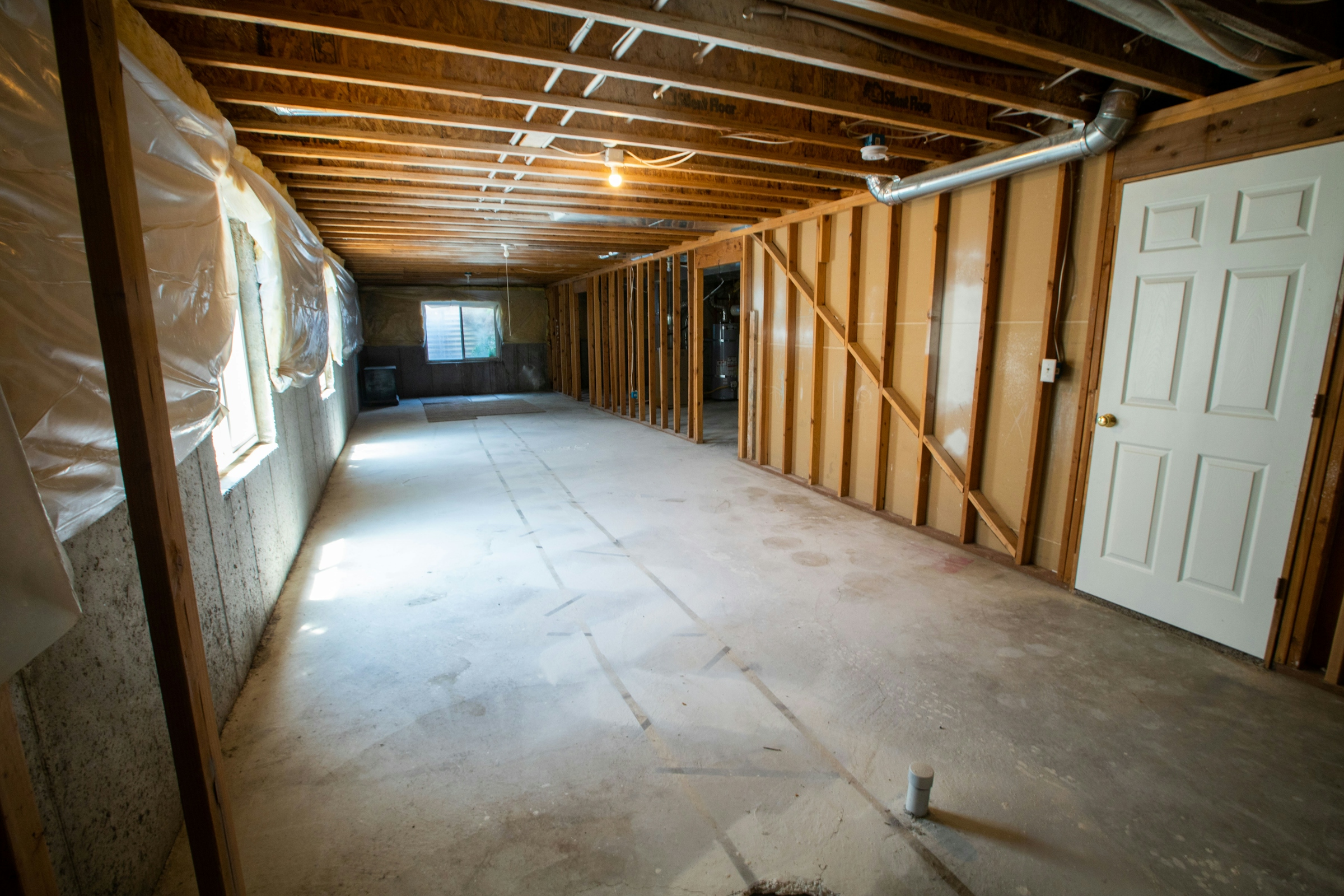
Finished basements, enclosed porches, added bathrooms and decks are the usual places buyers discover work that no one pulled a permit for. A permit gap does not automatically make a house a bad purchase, and it does not go away because the seller never mentions it. This guide explains what counts as unpermitted work, what the City of Richmond, Chesterfield County and Henrico County each publish about permits, what the state code says, and the choices you have as a buyer. If you are on the other side of the table, our guide for sellers on selling a home with an unpermitted addition or DIY work covers disclosure.
What counts as unpermitted, and what does not
Virginia regulates construction through the Uniform Statewide Building Code. The Virginia Department of Housing and Community Development says the Board of Housing and Community Development adopts and amends the code, and that enforcement is the responsibility of the local government’s building inspections department. In practice that means the rules are statewide but the office you deal with is your city or county.
Not every project needs a permit. Henrico’s list of work that does not need a building permit includes replacing windows and doors of similar size, replacing roof covering or siding, installing floor finishes and cabinetry, painting, gutters, on-grade patios, and storage sheds of 256 square feet or less. The same page warns that exempt work still has to meet the code. Chesterfield’s published project categories, on the other hand, include additions, decks, fences, finished attic and basement projects, garages, sunrooms, swimming pools, retaining walls, and renovation, repair and alteration projects. Richmond’s planning department FAQ says a building permit covers construction or any change of use as determined by the code, including additions, alterations and certain accessory buildings such as garages, decks and swimming pools, and it also lists exemptions.
So the question to ask about a given room or structure is narrow: was the work the kind that needs a permit in that locality, and does one exist? A newly finished basement with a bathroom, a bedroom added over a garage, a moved wall, new wiring or a gas line are the ones to look at closely. Homes that changed hands several times over many decades, such as those in The Fan, Bon Air or Tuckahoe, have simply had more owners and more chances for undocumented projects.
How to check the permit history
Start before you write an offer. Look at the house for signs: a basement bedroom with no obvious second exit, an addition whose roofline and siding do not match, a deck attached to the house with no visible flashing, an electrical panel with newer breakers feeding old wire. Then ask each locality what it has on file for the address.
- City of Richmond: the Permits and Inspections office is at 900 E. Broad Street, Room 108, takes calls at 804-646-4169, and the planning department’s page links an Online Permit Portal.
- Chesterfield County: the Department of Building Inspection takes residential applications through its Community Development ELM portal or at 9800 Government Center Parkway, and its contact line is 804-751-4990.
- Henrico County: the Permit Center publishes the exemption list described above, and its staff can tell you what is on file for an address.
Ask your agent to request the address history in writing and keep the response with your contract file. Also ask the seller for permit copies, final inspection records and any certificate of occupancy for an addition. An open permit that was never finished is its own warning: Chesterfield states that a permit expires six months after the last activity, and that if work was done and the permit expired before the required inspections, that is a violation of the Uniform Statewide Building Code. A closed permit is better evidence than no permit, though it does not guarantee the work is good.
What the locality can require once work comes to light
The state code leaves the details to local enforcement, but the structure is the same everywhere. Section 36-105 of the Code of Virginia makes the local building department responsible for enforcing the Building Code, lets a locality inspect and enforce the code in existing buildings, and says a building under construction is not deemed in compliance until the inspecting authority approves it. The statute also sets up a local board of Building Code appeals, so an owner who disagrees with a decision has somewhere to go before the State Building Code Technical Review Board. Two details matter to buyers. A locality may require the owner to pay off financial obligations to it that are liens on the property before issuing a permit, so unpaid local charges can stall a permit you apply for after closing. And the inspection requirement may be waived at the inspecting authority’s discretion for work costing less than $2,500, which is not the same as the work being exempt from the code.
City of Richmond
The same Richmond FAQ says zoning approval is required for most building permit applications, including interior renovations. If a past owner skipped the permit, you may find a zoning question on top of a building one. The FAQ also names a certificate of occupancy as a document the Building Code requires to authorize use and occupancy, so for an addition or finished space it is reasonable to ask whether one was issued.
Chesterfield County
Chesterfield’s Building Inspection office lists the plans and documents it expects for each type of project and keeps the permit-expiration rule noted above. If a permit shows on the record but was never closed, the county’s published language is that expiration without inspections is a violation, so the practical fix starts with the office, not with a contractor. For outdoor projects in particular, our guide to Chesterfield deck, shed, fence and pool permits shows how the county and an HOA each weigh in.
Henrico County
Henrico’s published list makes the line clearest: many repairs need no permit, but the work still has to comply with the code. For anything on the other side of that list, the Permit Center is the first stop. Fences and storage sheds are permit-exempt up to the stated sizes, but you must still meet zoning setbacks, which is why a shed in the wrong place can be a problem even when no building permit was needed.
Want the closing-timeline checklist?
Ask us for the Richmond closing-timeline checklist. It lays out where a permit search, an inspection and a repair negotiation fit between contract and closing, so a problem found late does not collide with your deadlines. Send the request through our contact page and tell us which locality the home is in.
Your options as the buyer
Order the inspection and ask the right follow-up
A general home inspection will not tell you whether a permit exists, but it can reveal the signs: mismatched materials, wiring that does not fit the era, plumbing that was added by someone without a license. Our guide to the home inspection for Richmond buyers explains what to expect. If the inspector flags something, bring in a licensed contractor or engineer for the specific system before your inspection window closes.
Ask for a permit, or ask the seller to
One route is to have the work permitted and inspected after the fact. The three locality pages we read do not publish a promise that this will be approved, and the outcome depends on whether the inspector can see the work. Concealed work may have to be opened. Ask the building office about the process for the exact address before you rely on it, and ask who pays for opening walls and for the permit itself.
Negotiate price, credit or repairs
If the seller will not fix it, you can ask for a price reduction, a closing credit or an escrow holdback. Our post on escrow holdbacks at a Richmond closing explains the holdback mechanics. Get any repair promise in writing, with the scope and who pays spelled out, and do not accept a general statement that the work was done properly.
Walk away
Virginia is a buyer-beware state, and the residential property disclosure statement is not an inspection. Our guide on what Virginia law tells buyers to check themselves explains why. If the answers do not come back before your contract deadline, the right move may be to terminate under your contract terms rather than accept an unknown. Look at the exact language of your contingencies with your agent.
Title, insurance and the lender
Unpermitted work can touch three other parts of the deal, and each one is a question to ask early, not a conclusion we can draw for you. Ask your title company whether an open permit or locality lien shows up in its search. Ask the insurer whether it wants documentation for the improvement before it binds coverage. And ask your lender whether the appraiser will count unpermitted square footage; our preferred lenders page can connect you with one. The answers vary by company, so get each in writing and compare them with your contract deadlines before you commit.
What to do first
Find the permit record, inspect, price the cure, and decide before your contingency period ends. If you want help running that sequence on a specific house, our buyer services page explains how we work, and you can set up a property search for homes in the areas you are comparing.
Get the closing-timeline checklist
Ask us for the Richmond closing-timeline checklist. It lays out where a permit search, an inspection and a repair negotiation fit between contract and closing, so a problem found late does not collide with your deadlines. Send the request through our contact page and tell us which locality the home is in.
Frequently asked questions
Can I make a seller fix unpermitted work before closing?
Not on your own. A repair is something you negotiate, and your contract controls what the seller must do. A locality can enforce the code in existing buildings, so ask for the work to be permitted or priced in before you close.
Does a permit prove the work was done well?
No. A permit means the locality reviewed the application and had the chance to inspect the work. A closed permit is better evidence than none, but it is not a guarantee of quality.
What is a certificate of occupancy and should I ask for one?
Richmond describes a certificate of occupancy as a document required under the Building Code that authorizes use and occupancy. For an addition or finished space, ask the seller whether one was issued, and ask the locality what it has on file for the address.
Do I need a permit for repairs I plan after I buy?
Often yes, but some repairs do not. Henrico lists exempt work such as replacing roof covering, siding, floor finishes and cabinets, while Chesterfield lists renovation, repair and alteration projects among those with permit application requirements, so check with the building office first.
Who can I appeal to if the locality requires changes?
You can appeal to the local board of Building Code appeals. Under the state statute, no appeal to the State Building Code Technical Review Board lies before the local board makes a final determination.
Can I still get a mortgage on a house with unpermitted work?
It depends on the lender and the appraisal. Some lenders will not count unpermitted space and some will, so ask early and get the answer in writing before your contingency deadline.
Is work under $2,500 exempt from the code?
No. The statute allows the inspecting authority to waive the inspection for construction costing under $2,500, at its discretion. That is different from the work being exempt from the code.
Should I talk to an attorney?
If the permit gap is large, or a lien, a boundary or an open permit is involved, yes. This guide is general information only, and a Virginia real estate attorney can advise on your contract and your title.