Museum District Richmond VA: VMFA, Green Space and Lifestyle Fit
Everything to know about Richmond’s art-filled, walkable Museum District
Living in the Museum District of Richmond, VA in 2026 means walkable, tree-lined blocks of Colonial Revival and Craftsman-style homes just steps from the Virginia Museum of Fine Arts, where the median sale price over the three months ending June 2026, per Redfin, was $642,277 across 37 sales and Walk Score® rates the neighborhood 89, Very Walkable, with a Bike Score of 80. Buyers are drawn to the neighborhood’s mix of Richmond Public Schools zoning, quick access to VCU and downtown employers, and a lifestyle built around museums, coffee shops, and Arthur Ashe Boulevard green space. The Mission Realty Team has helped dozens of buyers navigate this competitive, historic pocket of the city. This guide covers Museum District home prices, RPS school zoning, parks like Scuffletown and Maymont, commute times to downtown Richmond and VCU Health, and what the housing stock here – bungalows, duplexes, Colonial Revivals and renovated condos – means for a purchase in 2026.
Table of Contents
- What Is It Like Living in the Museum District in Richmond, VA?
- Museum District Schools: What Families Need to Know
- Parks, the VMFA & Green Space in the Museum District
- Museum District Home Prices in 2026: What Buyers Can Expect
- Commute Times From the Museum District to Downtown Richmond
- Who Should Buy in the Museum District? Lifestyle Fit
- Frequently Asked Questions
The Museum District is one of Richmond, VA’s most walkable and architecturally distinct neighborhoods, tucked between the Fan District and the Boulevard corridor around the Virginia Museum of Fine Arts. The median sale price over the three months ending June 2026, per Redfin, was $642,277 in the Museum District, across 37 recorded sales, with a median 7 days on market and a median $414 per square foot. Redfin shows that median down 1.2 percent year over year, essentially flat, and on 37 sales that is not a trend in either direction.
Bounded roughly by Arthur Ashe Boulevard, Meadow Street, and Grove Avenue, the Museum District sits across the 23220 and 23221 zip codes and covers about 20 blocks of early-20th-century homes built primarily between 1905 and 1930. Most of the housing stock consists of detached single-family homes and duplexes, with the remainder split between converted apartment buildings and a growing number of updated rowhouses near Meadow Street.
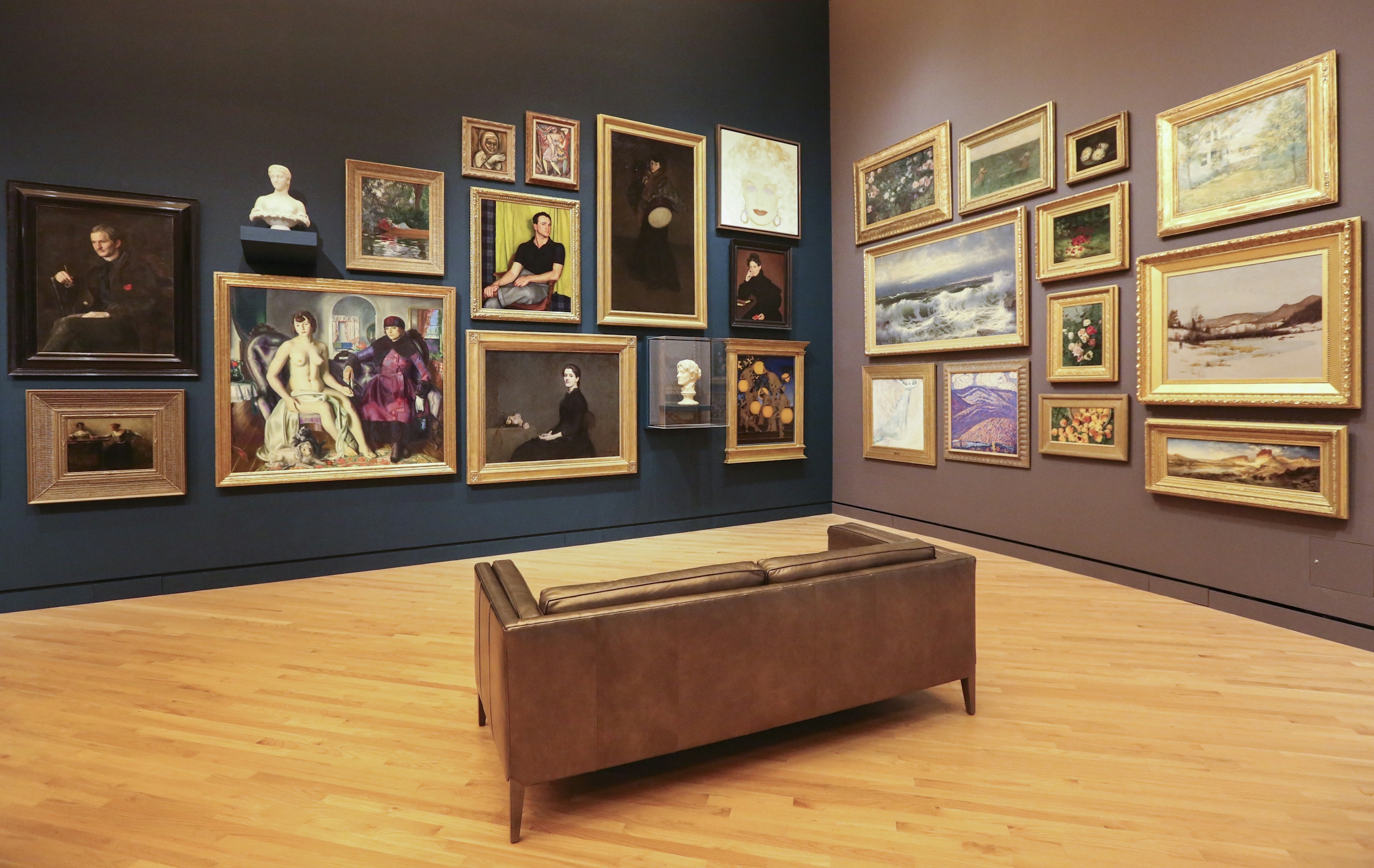
The neighborhood’s identity is inseparable from its namesake institutions: the Virginia Museum of Fine Arts (VMFA), the Virginia Historical Society, and the Science Museum of Virginia all sit along Arthur Ashe Boulevard, giving residents free year-round access to world-class art and rotating exhibits within a five-minute walk of most homes. VCU’s Monroe Park Campus is roughly 1.5 miles away, and VCU Health’s downtown campus is about a 10-minute drive, so either campus is reachable from most Museum District addresses without a highway.
What Is It Like Living in the Museum District in Richmond, VA?
Life in the Museum District centers on walkability. Most residents report walking or biking to at least one errand daily, whether that’s coffee at Lamplighter Coffee’s Marshall Street location, brunch on Ellwood Avenue, or a Saturday afternoon at the VMFA sculpture garden. The neighborhood’s grid layout of Park Avenue, Stuart Avenue, Grove Avenue, and Kensington Avenue makes it easy to navigate on foot, and Arthur Ashe Boulevard functions as a de facto town square with museums, restaurants, and the Boulevard’s ongoing redevelopment near the old Diamond baseball site.
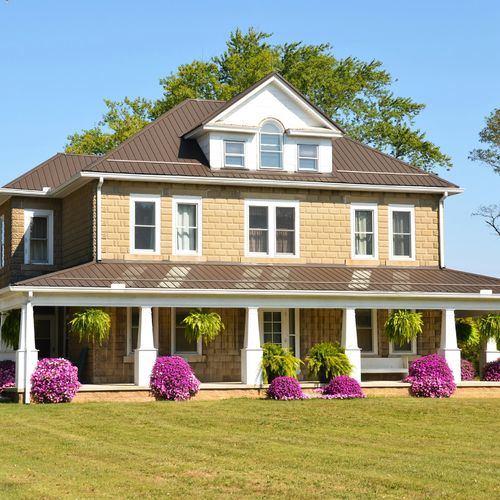
Architecturally, the Museum District is one of the most consistent historic districts in Richmond, with Colonial Revival, Tudor Revival, and American Foursquare homes lining most blocks. Many buyers are drawn specifically to the neighborhood’s front porches, mature oak-lined streets, and proximity to the Fan District without the Fan’s higher price premium. A visible share of homes have been updated with primary suite additions or finished third floors, though no source counts them.
The neighborhood also functions as a cultural anchor for the city, hosting the annual Boulevard-area Second Saturdays art walks and sitting within walking distance of the Altria Theater and the Diamond District redevelopment, a multi-year project expected to bring new retail, housing, and a replacement baseball stadium to the neighborhood’s eastern edge by the late 2020s.
Museum District Schools: What Families Need to Know
The Museum District falls within Richmond Public Schools (RPS), with most homes zoned for William Fox Elementary School, Albert Hill Middle School, and Thomas Jefferson High School. William Fox Elementary, located on Roseneath Road just outside the district’s edge, is a long-established Richmond Public Schools elementary school with an active parent-teacher association. We do not publish school test scores, ratings or rankings; check the Virginia Department of Education School Quality Profiles directly for current data.
Albert Hill Middle School sits directly on Park Avenue within the Museum District itself, making it one of the few Richmond neighborhoods where families can walk their middle schooler to class. Thomas Jefferson High School, about 1.5 miles northwest near the Near West End border, hosts an International Baccalaureate program that accepts students from across the division by application. Confirm current eligibility and deadlines with Richmond Public Schools.
Families who want alternatives to RPS also point to the district’s central location: Trinity Episcopal School, St. Catherine’s, and Collegiate School are all within a 10-to-15-minute drive, and VCU’s campus proximity means some parents pair a Museum District home purchase with access to VCU’s continuing education and community programs.
Parks, the VMFA & Green Space in the Museum District
Green space in the Museum District centers on three anchors: the VMFA’s sculpture garden and grounds, tiny but beloved Scuffletown Park on Grove Avenue, and Byrd Park and Maymont, both roughly a 10-minute walk or 3-minute drive from the neighborhood’s southern edge. The VMFA’s outdoor grounds are free and open daily, offering more than 13 acres of landscaped gardens, reflecting pools, and rotating outdoor sculpture installations.
Maymont, a 100-acre Victorian estate turned public park with a nature center, Japanese and Italian gardens, and a small farm, sits just a few blocks south and hosts free summer concerts that draw Museum District residents on foot. Byrd Park adds three lakes, walking loops, and access to the Nickel Bridge crossing into the James River Park System, giving residents direct pedestrian access to the river without a car.
For daily exercise, many residents use the Boulevard’s wide sidewalks and the flat grid of Museum District streets, which local running clubs use for informal 5K loops connecting to the Fan District and Byrd Park’s Fountain Lake.
Museum District Home Prices in 2026: What Buyers Can Expect
Redfin publishes the Museum District median at neighborhood level only, not by home type or condition, so there is no sourced price band separating a bungalow needing updates from a renovated Colonial Revival. What is published is a median sale price of $642,277 on 37 sales over the three months ending June 2026, per Redfin, at a median $414 per square foot, which is the more useful figure when comparing houses of very different sizes. The median sale price was $642,277 over the three months ending June 2026, per Redfin, with a median 7 days on market, the fastest of any Richmond neighborhood in that Redfin dataset, and a median $414 per square foot, up 5.7 percent year over year. The smaller bungalows, duplexes and low-maintenance condos here continue to move quickly. Note the label: that is a closed-sale median, while Zillow’s home value index for the Museum District, an index rather than a record of transactions, stood at $637,618 at the end of July 2026.
Inventory is thin: Redfin recorded 37 sales in the Museum District over the three months ending June 2026, per Redfin, and the median one sold in 7 days. Multiple-offer rates and percent-above-asking are not published at any local geography, so treat claims about how many offers a listing draws as anecdote rather than data. Homes requiring full renovation, particularly those with original knob-and-tube wiring or galvanized plumbing, sell below updated comparables, though no source measures the size of that gap, but attract cash buyers and investors targeting the neighborhood’s strong rental demand from VCU graduate students.
The City of Richmond publishes a real estate tax rate of $1.20 per $100 of assessed value, but the city page states no tax year, so confirm the current rate with Richmond Finance before budgeting from it. At that rate a home at the neighborhood median of $642,277 would carry a city tax bill of roughly $7,700 a year, a figure buyers should factor alongside the neighborhood’s typically higher insurance costs for pre-1930 construction.
Commute Times From the Museum District to Downtown Richmond
The Museum District offers one of the shortest commutes to downtown Richmond of any city neighborhood, with VCU Health, the state Capitol and downtown office towers all a short drive via the Boulevard or Broad Street. No commute data is published at neighborhood level, but at jurisdiction level the U.S. Census Bureau, American Community Survey 2020-2024 5-year estimates put the mean commute for workers living in the City of Richmond at 22.6 minutes, with a margin of error of at least 10 percent. Bike commuters can reach VCU’s Monroe Park Campus in under 10 minutes using the neighborhood’s flat, well-connected street grid.
Access to I-195 and I-64 sits about a 10-minute drive from most Museum District addresses, connecting residents to Short Pump and Innsbrook employers such as Capital One and CoStar. For scale, the same American Community Survey 2020-2024 5-year estimates put the mean commute at 24.1 minutes in Henrico County, again with a margin of error of at least 10 percent. GRTC bus routes run along the Boulevard and Broad Street corridors, giving car-free residents direct transit access to downtown and VCU.
For residents working at Bon Secours St. Mary’s Hospital or in the Near West End, the drive is a short one via Monument Avenue or Patterson Avenue, which puts the Museum District within a short drive of employment centers on both sides of the metro.
Who Should Buy in the Museum District? Lifestyle Fit
The Museum District suits buyers who prioritize walkability, cultural access, and historic character over larger lot sizes or suburban school district guarantees. The district’s smaller bungalows and duplexes sit at the entry end of the price range, while the fully renovated houses and low-maintenance condos – lawn and exterior work handled, errands walkable – sit at the upper end.
Families weighing RPS versus private school options should visit William Fox Elementary and Albert Hill Middle School directly, since enrollment demand at both has grown over the past several years. Free general admission at the VMFA and groceries, a pharmacy and restaurants within walking distance are the practical differences from a similarly priced Near West End or Henrico address.
Buyers who need a two-car garage, a large fenced yard, or brand-new construction should look instead toward Henrico’s Near West End or Chesterfield’s newer subdivisions, since the Museum District’s historic lots rarely exceed a quarter acre and off-street parking is limited on several blocks.
| Area | Median sale price (Redfin, 3 months ending June 2026) | Homes sold | Median days on market | Median $/sq ft | Walk Score® |
|---|---|---|---|---|---|
| The Museum District (neighborhood) | $642,277 | 37 | 7 | $414 | 89, Very Walkable (Bike Score 80) |
| ZIP 23221 | $687,345 | 88 | 9 | $414 | n/a |
| ZIP 23220 | $571,871 | 116 | 14 | $330 | n/a |
| The Fan (for comparison) | $714,751 | 66 | 14 | $367 | 93, Walker’s Paradise (Bike Score 85) |
| Carytown (for comparison) | $471,836, but on only 7 sales – too few to read as a price level | 7 | 8 | $394 | 94, Walker’s Paradise (Bike Score 79) |
| Church Hill (for comparison) | $562,304, on a small 27-sale sample | 27 | 15 | $285 | 82, Very Walkable (Bike Score 64) |
| City of Richmond | $429,766 | 959 | 12 | $276 | 51, Somewhat Walkable (Bike Score 51) |
| Different measures, labelled: the figures above are Redfin closed-sale medians including condos and converted units. Central Virginia Regional MLS data for July 2026, which counts closed single-family sales only, shows a median sale price of $450,000 in the City of Richmond with 17 days on market and 1.5 months of supply. Zillow’s home value index for the Museum District, which is an index rather than a record of transactions, was $637,618 at the end of July 2026. Neighborhood character, at jurisdiction level only: the U.S. Census Bureau, American Community Survey 2020-2024 5-year estimates put City of Richmond median household income at $64,587, owner-occupancy at 43.5 percent, the median year built at 1959 and the mean commute at 22.6 minutes. No income, commute or tenure data exists at neighborhood level. Sources: Redfin, Central Virginia Regional MLS (current as of August 10, 2026), Zillow, Walk Score® and the U.S. Census Bureau. | |||||
Frequently Asked Questions About the Museum District in Richmond VA
Is the Museum District a good place to buy a home in Richmond VA?
Yes, the Museum District is one of Richmond’s most consistently in-demand neighborhoods for buyers who want walkability and historic character. The median sale price over the three months ending June 2026, per Redfin, was $642,277 across 37 recorded sales, with a median 7 days on market, supported by proximity to VCU, VCU Health, and downtown employers. Redfin shows that median down 1.2 percent year over year, essentially flat, and 37 sales is too small a sample to call a direction. Thin inventory keeps competition high for updated homes. The Mission Realty Team recommends buyers get pre-approved and ready to move quickly on well-priced listings.
What schools serve the Museum District in Richmond?
Most Museum District homes are zoned for William Fox Elementary, Albert Hill Middle School, and Thomas Jefferson High School within Richmond Public Schools. Albert Hill Middle is located directly within the neighborhood on Park Avenue. Boundary lines can shift, so buyers should confirm zoning for a specific address before purchasing. Several private schools, including Trinity Episcopal and Collegiate, are within a 15-minute drive.
How much do homes cost in the Museum District?
The median sale price over the three months ending June 2026, per Redfin, was $642,277 in the Museum District, across 37 recorded sales, with a median 7 days on market and a median $414 per square foot. Smaller bungalows needing updates sit at the lower end, while fully renovated four-bedroom Colonial Revivals on Stuart or Kensington Avenue command the highest prices. No source breaks the neighborhood median out by home type, so condos and apartment conversions have no published price band of their own. For a different kind of measure, Zillow’s home value index for the Museum District, an index rather than a record of transactions, stood at $637,618 at the end of July 2026. The City of Richmond publishes a real estate tax rate of $1.20 per $100 of assessed value, but the city page states no tax year, so confirm the current rate with Richmond Finance before relying on it.
Is the Museum District walkable?
Yes. Walk Score® rates the Museum District 89, Very Walkable, with a Bike Score of 80. That is among the highest of any Richmond neighborhood, behind The Fan at 93 and Carytown at 94, and well above the City of Richmond as a whole at 51. Residents can walk to the VMFA, Scuffletown Park, coffee shops, and restaurants along the Boulevard and Grove Avenue. The flat grid street layout and mature tree canopy make walking pleasant year-round. Many residents also bike to VCU’s Monroe Park Campus in under 10 minutes.
What is the commute like from the Museum District to downtown Richmond?
Downtown Richmond is a short drive from most Museum District addresses, and I-195 and I-64 are close by for Short Pump and Innsbrook. No commute data is published at neighborhood level; at jurisdiction level the U.S. Census Bureau, American Community Survey 2020-2024 5-year estimates put the mean commute at 22.6 minutes for workers living in the City of Richmond and 24.1 minutes in Henrico County, each with a margin of error of at least 10 percent. GRTC bus service runs along Broad Street and the Boulevard for car-free commuters. Traffic around Diamond District construction can add delays during weekday afternoon rush hour.
What parks are near the Museum District?
The Museum District is close to Scuffletown Park, the VMFA sculpture garden, Byrd Park, and Maymont, all within a 10-minute walk or short drive. Maymont offers 100 acres with gardens, a nature center, and a small farm. Byrd Park adds three lakes and access to the James River Park System via the Nickel Bridge. The VMFA’s grounds are free and open to the public year-round.
What style of homes are in the Museum District?
The Museum District is known for Colonial Revival, Tudor Revival, and American Foursquare homes built mostly between 1905 and 1930. Roughly 70% of the housing stock is detached single-family homes or duplexes, with the rest split between converted apartments and rowhouses near Meadow Street. Many homes feature front porches, hardwood floors, and original architectural details. Renovation activity has increased in recent years, with about 15% of homes updated in the past five years.
Is the Museum District safe?
The Museum District is generally considered one of Richmond’s lower-crime, family-friendly urban neighborhoods, though buyers should review current city crime data for specific blocks. Its high foot traffic near the Boulevard and museums contributes to an active, well-lit environment most hours of the day. As with any dense urban area, buyers should check with the Mission Realty Team or local RPD precinct data for block-level details.
How far is the Museum District from VCU?
The Museum District is about 1.5 miles from VCU’s Monroe Park Campus, roughly a 10-minute bike ride or 8-minute drive. VCU Health’s downtown medical campus is a similarly short 10-minute drive. That proximity means the VCU and VCU Health campuses are reachable on foot, by bike or on a single bus route. Several duplexes and converted apartments in the district are rented specifically to VCU-affiliated tenants.
Are there new construction homes in the Museum District?
New construction is rare in the Museum District since it is a fully built-out historic district with limited vacant lots. Most “new” inventory comes from gut renovations or additions to existing early-1900s homes rather than ground-up builds. Buyers seeking new construction typically look instead to the Diamond District redevelopment on the neighborhood’s eastern edge or to Henrico and Chesterfield suburbs. The Mission Realty Team can flag any rare new-build opportunities as they come to market.
What is the Diamond District and how does it affect the Museum District?
The Diamond District is a multi-year redevelopment project on the Museum District’s eastern edge that will add new retail, housing, and a replacement baseball stadium. It is expected to bring added amenities and foot traffic to the neighborhood through the late 2020s. Some residents report increased construction noise and traffic in the interim. Long-term, most real estate analysts expect the project to support continued home value growth in the surrounding blocks.
What is the property tax rate for Museum District homes?
Museum District homes are taxed at the City of Richmond rate of $1.20 per $100 of assessed value. The city page states no tax year, so confirm the current rate with Richmond Finance before relying on it. At that rate a home at the neighborhood median of $642,277 would carry a city tax bill of roughly $7,700 a year. This rate is separate from any homeowners insurance or HOA costs, though most Museum District blocks do not have an HOA. Buyers should confirm current assessed value, which can differ from purchase price, with the City Assessor’s office.
Should I buy a fixer-upper or renovated home in the Museum District?
The right choice depends on budget and renovation appetite; fixer-uppers in the Museum District sell below updated comparables, though no source measures the size of that gap but often require rewiring and plumbing updates common in pre-1930 homes. Renovated homes cost more upfront but avoid the financing complications that can come with older electrical and plumbing systems. Cash buyers and investors are especially active on fixer-upper listings due to strong rental demand from VCU tenants. The Mission Realty Team recommends a full inspection before deciding between the two paths.
Thinking About Buying in the Museum District?
The Mission Realty Team specializes in Richmond’s historic city neighborhoods and can walk you through current Museum District listings, school zoning, and pricing strategy. Contact the Mission Realty Team today to start your Museum District home search.