Relocating to Richmond VA from Denver: Cost of Living, Neighborhoods & What to Expect
An honest comparison from agents who have moved a lot of people east
Moving from Denver to Richmond VA means trading a high, dry, sunny climate for a humid, green one near sea level, and trading the Front Range for the fall line of the James River. The adjustments Denver transplants actually notice are humidity in July and August, a much longer and greener growing season, denser tree canopy, thunderstorms instead of big dry snow events, and Virginia’s personal property tax on vehicles, which is a genuine surprise to newcomers. What you gain is water, older and more varied housing stock, the Blue Ridge two hours west and the Atlantic beaches two hours east. Anyone searching moving from Denver to Richmond VA, Denver vs Richmond cost of living, relocating to Richmond Virginia, or Richmond VA neighborhoods for transplants should verify current tax rates and housing prices directly rather than trusting any article, including this one. The Mission Realty Team relocates buyers into Richmond, Henrico, Chesterfield, Goochland, Hanover and Powhatan and will pull current figures for you on request.
Table of Contents
Denver to Richmond is a move we handle regularly, and it has a distinct personality. People arriving from Colorado are usually not coming for a shorter commute or a bigger house, although they often get both. They are coming for a job, for family, or because the Front Range got expensive and crowded, and they want to know honestly what they are giving up.
So let us be direct about the tradeoffs. You are giving up 300-ish days of sunshine, dry air, big mountains on the horizon, and a certain kind of outdoor culture built around altitude. You are gaining water, trees, a genuinely old city, four distinct seasons with a long green spring and fall, and proximity to both mountains and ocean without either being spectacular. Whether that is a good trade depends entirely on what you actually use your weekends for.
One rule for this article: we are not going to quote cost-of-living percentages or median prices. Those numbers move, they get repeated long after they are stale, and a licensed brokerage should not present them as current fact. Where money matters, we tell you what to verify and where. Ask the Mission Realty Team for current figures on anything specific.
Climate and Altitude: The Humidity Adjustment
Denver sits roughly a mile above sea level in a semi-arid climate. Richmond sits close to sea level in a humid subtropical one. That single difference drives most of what will feel unfamiliar.
The adjustment that catches people is not the heat, it is the moisture. A Denver summer day can be genuinely hot and still feel manageable because sweat evaporates and shade works. A Richmond afternoon in late July or August is heavy in a way that surprises new arrivals. Shade helps less. Evenings cool off less. You will run air conditioning for months rather than weeks, and you will care about it in a way you did not before. On the other hand, winters here are milder and shorter. Richmond gets some snow and the occasional ice storm, but nothing like a Front Range dump, and the city does not have Denver’s snow-clearing infrastructure, so a modest snowfall closes schools.
Precipitation arrives differently too. Denver gets big dry snow events and dramatic afternoon buildups. Richmond gets rain distributed through the year and summer thunderstorms that come up fast, drop a lot of water, and move on.
Landscape: Front Range vs the Fall Line
Denver’s geography is legible from anywhere: the plains behind you, the mountains ahead, and the foothills as the transition. Richmond’s is subtler and takes longer to read. The organizing feature is the James River and the fall line, the geological boundary where the hard rock of the Piedmont drops to the softer coastal plain. That drop is why there are rapids in the middle of the city, why the city exists where it does, and why the terrain on the south and west sides is hilly while the east side flattens toward the Chesapeake.
The river is the thing Denver transplants tend to fall for. The James River Park System runs through the middle of the city with genuine whitewater, cliff jumping at Belle Isle, mountain biking on the Buttermilk and North Bank trails, and the Pipeline Walkway underneath the floodwall downtown. It is unusual to have Class III and IV rapids inside city limits. Where Denver’s outdoor life is something you drive I-70 to reach, a lot of Richmond’s is a ten minute bike ride away, and that is a different rhythm.
For the bigger landscape you drive. Shenandoah National Park and the Blue Ridge are roughly two hours west, giving you Skyline Drive, real hiking and mountain towns like Charlottesville and Staunton on the way. The Atlantic is about two hours east, with Virginia Beach, the Outer Banks a bit further, and the Chesapeake Bay closer than that. Set your expectations correctly: the Blue Ridge is old, worn, forested and lovely, not alpine. There is no fourteener, no above-treeline scrambling, and no ski culture worth the name. If your identity is built around big mountains, this is the loss to make peace with. If you like trails, rivers, water and being able to reach both mountains and ocean in a morning, the trade works.
Housing Stock and Lot Sizes
Both cities have bungalows, and that is where the similarity ends. Denver’s stock runs from late-1800s Victorians through the Denver Square and bungalow belts, into postwar ranches and then a large volume of recent infill and scrape-and-build, mostly brick and stucco on often narrow lots.
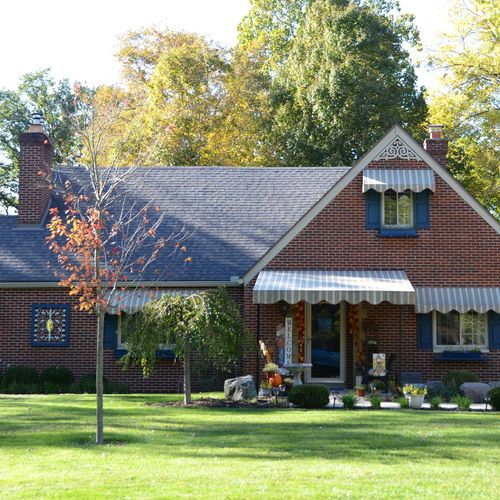
Richmond’s stock is older on average and more architecturally varied. You get Federal and Greek Revival in Church Hill and around Monument Avenue, Italianate and Second Empire rowhouses in the Fan, American Foursquares and Craftsman bungalows in the 1910s and 1920s streetcar suburbs of Northside and Southside, brick Colonial Revivals and Tudors from the 1920s and 1930s, an enormous supply of postwar brick ranches and Cape Cods across inner Henrico and Chesterfield, and newer construction concentrated in western Henrico and western Chesterfield. Brick is everywhere, far more than in Denver, along with frame with wood or vinyl siding.
Two practical differences matter. First, lots here are generally larger and greener, particularly outside the city, and mature hardwood canopy is the norm rather than something you plant and wait for. A quarter-acre lot in Henrico with three big oaks is unremarkable. Second, foundations differ. Denver houses commonly have full basements. Richmond’s older housing very often sits on a crawl space instead, and slab construction is common in newer builds. Crawl spaces are not a defect, but they are the single most important condition item in this market, and coming from a dry climate you have no instinct for them.
Taxes, Including the Car Tax Nobody Warns You About
This section comes with a standing instruction: verify every current rate yourself with the Virginia Department of Taxation and with the specific city or county, because rates and brackets change and we will not quote numbers that could be stale.
On income tax, Colorado uses a single flat rate applied to taxable income. Virginia uses a graduated structure with several brackets, and the top bracket begins at a relatively low income level, which means many households effectively pay Virginia’s top marginal rate. Which state comes out ahead for you depends on your income and deductions, so run your own numbers or ask a CPA rather than assuming.
Real estate tax works similarly in structure to Colorado, in that a locality sets a rate applied to assessed value, but the rates differ meaningfully across the Richmond metro. The City of Richmond, Henrico, Chesterfield, Goochland, Hanover and Powhatan each set their own real estate rate, and two houses across a jurisdictional line from each other can have quite different annual bills. Confirm the rate for the specific locality and get an actual estimated tax figure before you make an offer, not after.
Now the one that genuinely surprises people: Virginia localities levy a personal property tax on vehicles, assessed annually on the value of each car, truck, motorcycle, boat and trailer you own and garage in that locality. This is not a registration fee. It is a recurring tax on the value of your vehicles, billed by the city or county, at a rate that locality sets. Virginia provides some relief on qualifying vehicles, and rules and rates vary by locality, so verify with the specific commissioner of the revenue or treasurer. Practically: if you are moving from Denver with two newer vehicles, this is a real annual line item you have never budgeted for, and it is worth checking rates in each locality you are considering before you choose.
Water, Lawns and Translating Outdoor Culture
In Denver you thought about water as a scarce resource. Xeriscaping, drip irrigation, watering restrictions, buffalo grass and rock beds are normal, and a green lawn in August is a statement. In Richmond water is abundant. Rain falls through the year, lawns are green without much intervention, and the plant palette is entirely different: azaleas, dogwood, crepe myrtle, magnolia, camellia, hydrangea, and hardwood canopy that has been there since before you were born.
The flip side is that abundance creates its own work. Things grow relentlessly. Mowing season is long, English ivy and wisteria will eat a fence, mildew appears on siding, and moss grows on the north side of everything. Gutters fill with oak and maple leaves twice a year and clogged gutters here cause real water problems rather than just looking untidy. Mosquitoes are a genuine summer factor, which affects how you use a yard in the evening. If you have never owned a house in a wet climate, budget both money and weekends for exterior maintenance that Denver simply did not demand.
On outdoor culture, the translation is more direct than newcomers expect. Denver’s cycling scene becomes Richmond’s, which is substantial: the city hosted the UCI Road World Championships, has real road riding west into Goochland and Powhatan, and has genuine mountain biking inside city limits. Denver’s paddling becomes the James, plus flatwater on the Chesapeake Bay and the tidal rivers. Denver’s hiking becomes Shenandoah and the Appalachian Trail two hours west, plus Pocahontas State Park in Chesterfield and the Virginia state park system closer in. Running and trail running culture is strong here, with the Richmond Marathon in November as the anchor event.
The honest losses are skiing and altitude. There is skiing in Virginia and West Virginia, but it is not comparable and nobody will pretend otherwise. If you spent 30 days a year on snow, that part of your life is ending or becoming a plane trip. Conversely, if you spent those days sitting in I-70 traffic and resenting it, you may not miss it as much as you expect.
Employers and Neighborhood Analogues
Richmond’s economy is less tech and energy weighted than Denver’s and more concentrated in finance, insurance, healthcare, government and logistics. The major employers people relocate for include VCU Health and Virginia Commonwealth University, Capital One with its large campus in western Henrico, CarMax, Dominion Energy, the Federal Reserve Bank of Richmond, HCA Virginia, Altria, Markel, Genworth and the state government itself. Virginia’s state capital status means a substantial public sector, and the Port of Virginia and the I-95 corridor support a real distribution and logistics sector.
Where those employers sit determines where you should look. Downtown and the VCU Health campus favor the city and Northside. Capital One and the Innsbrook office corridor favor western Henrico, Short Pump and eastern Goochland. Chesterfield employment and the Tri-Cities favor the south side. Richmond is a reasonably small metro and a fifteen to twenty five minute commute is normal, but the bridges over the James and the Powhite, Chippenham and I-64 interchanges create real bottlenecks at rush hour, so drive your commute before you buy.
Neighborhood analogues for Denver transplants. These are approximations meant to orient you, not equivalences.
If you loved the Highlands or LoHi for walkable density, older housing and restaurants, look at the Museum District, the Fan and Carytown, or Church Hill for more historic and more variable. If RiNo was your thing, industrial buildings turned into breweries and studios, look at Scott’s Addition and Manchester on the south bank, which are Richmond’s adaptive reuse districts. If you liked Wash Park or Bonnie Brae, park-adjacent and established, look at Forest Hill and Westover Hills around Forest Hill Park, or Ginter Park near Bryan Park. If Berkeley or Sunnyside was your price point, bungalows with character and less polish, look at Bellevue and Northside generally, or Lakeside just over the Henrico line. If Central Park or Stapleton suited you, planned newer housing with amenities, look at Short Pump, the Wyndham area and GreenGate in western Henrico or newer western Midlothian. If Cherry Creek was your target, look at Windsor Farms and Westhampton. And if you were really a Golden or Littleton person who wanted a small town with its own center, look at Ashland in Hanover, with its train tracks running down the main street and Randolph-Macon College, or the older village core of Chester in Chesterfield.
| Factor | Denver | Richmond |
|---|---|---|
| Elevation | About a mile above sea level | Near sea level |
| Climate | Semi-arid, dry, very sunny | Humid subtropical, green, hot summers |
| Defining landform | Front Range and foothills | James River and the fall line |
| Mountains | At your doorstep, alpine | Blue Ridge about two hours west, forested |
| Older housing | Victorians, Denver Squares, bungalows | Foursquares, bungalows, brick ranches, colonials |
| Foundations | Full basements common | Crawl spaces very common, slabs in newer builds |
| Lots and canopy | Often narrow, planted trees | Generally larger, mature hardwood canopy |
| State income tax | Flat rate | Graduated brackets, top bracket starts low |
| Vehicle tax | Ownership tax via registration | Annual local personal property tax on vehicles |
| Major employers | Tech, energy, aerospace, healthcare | VCU Health, Capital One, CarMax, Dominion Energy, Federal Reserve, HCA |
Frequently Asked Questions About Moving From Denver to Richmond VA
Is Richmond VA cheaper than Denver?
Richmond has generally been the more affordable of the two metros, particularly on housing, but we will not quote you a percentage because those figures change and get repeated long after they are stale. The comparison also depends heavily on which neighborhood you are leaving and which you are entering, since both cities have expensive and accessible areas. The factors that actually determine your outcome are housing price, local real estate tax rate, Virginia’s vehicle personal property tax and your state income tax situation. Ask the Mission Realty Team for current pricing in specific neighborhoods and verify tax rates with each locality directly.
What is the biggest adjustment moving from Denver to Richmond?
Humidity, and it is not close. Denver’s dry air means heat is manageable, shade works and evenings cool off, while a Richmond afternoon in late July or August is genuinely heavy. You will run air conditioning for months rather than weeks and you will start caring about moisture in a way you never did in Colorado. Most people acclimate over a couple of summers, and the compensations are a long beautiful spring, an excellent fall and much milder winters. The second biggest adjustment is going from big mountains on the horizon to a landscape organized around a river.
Does Virginia really have a car tax?
Yes, and it surprises nearly every newcomer. Virginia localities levy an annual personal property tax assessed on the value of each vehicle you own and garage there, which is a recurring tax rather than a registration fee. It applies to cars, trucks, motorcycles and often boats and trailers. Virginia provides some relief on qualifying vehicles and both rates and rules vary by city and county, so verify with the commissioner of the revenue or treasurer in the specific locality you are considering. If you are arriving with two newer vehicles, budget for it deliberately.
How do Virginia and Colorado income taxes compare?
Colorado applies a single flat rate to taxable income while Virginia uses a graduated structure with several brackets, and Virginia’s top bracket begins at a relatively low income level, so many households effectively pay the top marginal rate. Which state is better for you depends on your income level, filing status and deductions, and the answer genuinely differs household to household. Rates and brackets also change, so check the Virginia Department of Taxation for current figures rather than relying on any article. If the difference is material to your decision, run the numbers with a CPA.
How much snow does Richmond get compared to Denver?
Considerably less, and it behaves differently. Richmond gets some snow most winters plus the occasional ice storm, but nothing resembling a Front Range snow event, and winters here are shorter and milder overall. The practical catch is that Richmond does not maintain Denver’s snow-clearing capacity, so a modest snowfall that a Denver driver would ignore can close schools and snarl traffic here. Ice is the more genuinely disruptive winter weather in central Virginia, and it is worth having a plan for a day or two without power.
Are there mountains near Richmond, Virginia?
Yes, but calibrate your expectations, because the Blue Ridge is not the Rockies. Shenandoah National Park and Skyline Drive are roughly two hours west, giving you real hiking, the Appalachian Trail and mountain towns like Charlottesville and Staunton along the way. The mountains are old, worn and heavily forested rather than alpine, so there is no above-treeline terrain and no meaningful ski culture. What you gain in exchange is that the Atlantic beaches are about two hours in the other direction, so mountains and ocean are both weekend trips.
Can I still be outdoorsy in Richmond?
Yes, and the translation is more direct than Denver transplants expect. The James River Park System runs through the middle of the city with Class III and IV whitewater, mountain biking on the Buttermilk and North Bank trails and cliff jumping at Belle Isle, which means a lot of outdoor recreation is a bike ride away rather than an interstate drive. Road cycling west into Goochland and Powhatan is excellent, Pocahontas State Park is close in Chesterfield, and the running scene is strong with the Richmond Marathon as its anchor. The real losses are skiing and altitude.
Which Richmond neighborhood is most like Denver’s Highlands?
The Museum District and the Fan are the closest match for walkable density, older housing stock and a real restaurant scene, with Carytown adjacent as the commercial spine. Church Hill offers a similar feel with more historic housing and more block-to-block variation. If what you specifically liked about the Highlands was the adaptive reuse and brewery density, Scott’s Addition is a better analogue and Manchester on the south bank is the emerging version of it. The Mission Realty Team can drive you through all of these in an afternoon.
What Richmond neighborhood is like Wash Park?
Forest Hill and Westover Hills on the south bank of the James are the closest fit, since they wrap around Forest Hill Park and combine established character housing with direct access to the river trail system. Ginter Park in Northside is the other strong analogue, with grand early-1900s housing near Bryan Park’s gardens and trails. Both areas hold value for the same reason Wash Park does, which is that a genuinely good park is walking distance away. Housing in both runs from small bungalows to substantial Tudors and Colonial Revivals within a few blocks.
What are the major employers in Richmond VA?
Richmond’s economy leans toward finance, insurance, healthcare, government and logistics rather than Denver’s tech and energy mix. The largest and most frequently relocated-for employers include VCU Health and Virginia Commonwealth University, Capital One with its large western Henrico campus, CarMax, Dominion Energy, the Federal Reserve Bank of Richmond, HCA Virginia, Altria, Markel and Genworth. As Virginia’s state capital, Richmond also has a substantial public sector. Where your employer sits should drive your neighborhood search, because the bridges over the James create real rush hour bottlenecks.
What is a crawl space and why does everyone in Richmond talk about them?
A crawl space is a shallow unfinished area under the house instead of a full basement, and it is very common in Richmond’s older housing where Denver would have given you a basement. It matters because our humidity turns a poorly managed crawl space into a moisture reservoir that causes cupped floors, musty odors, fungal growth on floor joists and higher cooling bills. What you want to see is a continuous vapor barrier over the soil, dry framing, no standing water and either working vents or a properly done encapsulation. Coming from a dry climate you have no instinct for this, so make it an explicit inspection item.
How long is the commute in Richmond compared to Denver?
Generally shorter, since Richmond is a much smaller metro and a fifteen to twenty five minute drive is normal rather than exceptional. The catch is that the geography creates specific chokepoints instead of broad congestion: the bridges over the James, the Powhite Parkway and Chippenham interchanges, the I-64 and I-95 junction downtown and Broad Street through Short Pump all back up at rush hour. Powhite Parkway is also a toll road, which is worth factoring in if you commute from Chesterfield. Drive your actual route at your actual departure time before you buy.
Is Richmond a good place to live for families relocating from Colorado?
Many families find it works well, largely because you get more house and lot for the money along with established county school divisions and short commutes. Henrico and Chesterfield are the two largest suburban divisions and both operate extensive specialty and magnet programs, while Hanover, Goochland and Powhatan offer smaller and more rural settings. School quality varies by attendance zone rather than by county, so research the specific school for a specific address rather than the district overall. We would also encourage you to visit in July, since summer humidity is the factor most likely to change how a Colorado family feels about the move.
Do I need to worry about hurricanes in Richmond?
Richmond is far enough inland to avoid coastal storm surge, but the remnants of tropical systems do reach central Virginia in late summer and fall, usually as heavy rain and wind. The practical consequences are localized flooding along creeks and low areas, downed trees given the heavy hardwood canopy, and power outages that can last a day or more. Ask about a property’s flood zone determination, which your lender will run anyway, and pay attention to grading, gutters and tree proximity when you tour. Have a plan for a multi-day outage the way you would have planned for a Denver blizzard.
How should I plan a house hunting trip to Richmond from Denver?
Give yourself at least two full days and let a local agent structure them geographically rather than by listing. Spend one day on the city and inner Henrico and one on Chesterfield and the west end so you can feel the difference between a 1920s streetcar neighborhood and a 1990s subdivision, and drive your prospective commute at rush hour on a weekday. Visit in summer if you possibly can, because humidity is the variable most likely to change your mind. Call the Mission Realty Team at (804) 601-4960 or come by 3701 Cox Rd, Richmond VA 23233 and we will build the itinerary around your employer and your budget.
Planning a Move From Denver to Richmond?
The Mission Realty Team relocates buyers into Richmond, Henrico, Chesterfield, Goochland, Hanover and Powhatan, and we will give you current numbers rather than stale internet averages, including a locality-by-locality look at what you will actually pay. Call us at (804) 601-4960 to plan a scouting trip.