The City of Richmond is restarting a program it paused in 2023: auctions of tax-delinquent and blighted properties. Richmond BizSense’s Jonathan Spiers reported on September 29 that the relaunch begins in early November 2026, and the earliest tax sales could happen in June 2027. The program ran from 2015 to 2023. Mayor Avula and the city administration framed the effort as one that starts with outreach, not sales.
What the Numbers Show
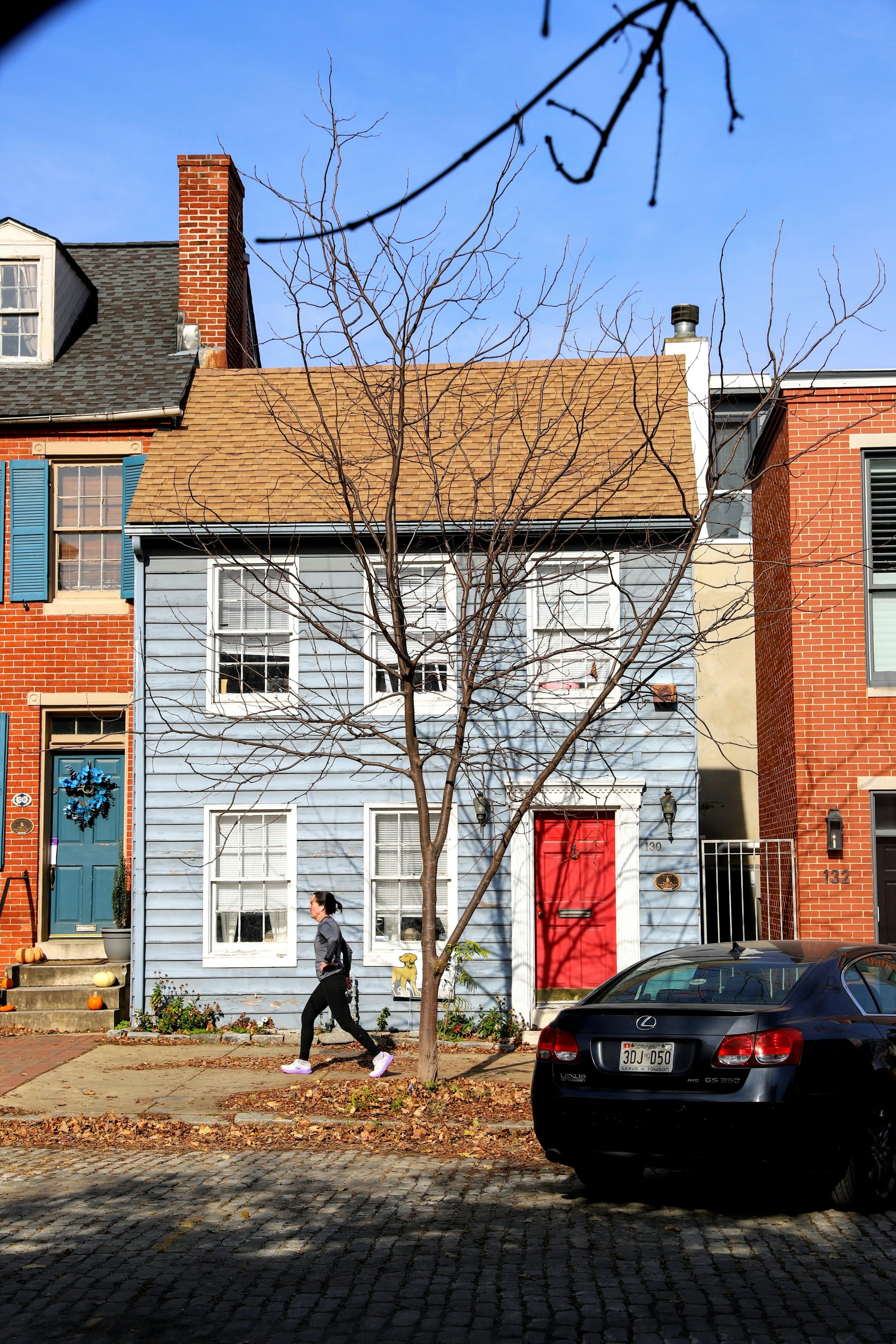
Per BizSense, the city had nearly 17,000 delinquent real estate accounts as of August 31, 2026, with more than $24 million in unpaid taxes owed. Of those, more than 7,600 accounts, holding about $5.4 million, have passed the two-year threshold and are technically eligible for sale, and 85 properties are currently under city attorney review. Non-buildable lots and properties in bankruptcy are excluded. The article’s only photo was a 2016 file image of a West Franklin Street row house, and it did not name specific neighborhoods.
How Virginia Law Sets the Clock
The two-year rule comes from state law. Section 58.1-3965 of the Code of Virginia allows a locality to sell real estate when taxes are delinquent on December 31 following the second anniversary of the date they came due. Properties with condemned structures, declared nuisances, derelict buildings or blighted designations can be sold after one year of delinquency. The statute also gives owners at least 30 days’ notice before court proceedings begin, the right to redeem the property by paying taxes, penalties, interest and costs, and the option to request a payment plan of up to 72 months, which suspends the sale action while the owner stays current. Publication costs, attorney fees and title examination expenses become part of the debt.
City officials told BizSense the goal is compliance first: notices, outreach and payment plans before any legal notification. “We want to make sure that we work with them to resolve delinquent taxes and keep them in their homes,” Avula said, and the city’s chief administrative officer added that displacement is not the goal.
Own property in the city and not sure where it stands?
If you own a home or a lot in Richmond and want to understand what it is worth before deciding what to do, start with a free valuation. Request a free Richmond home valuation and we will send you comparable sales.
What Owners Should Do Now
If you own real estate in the city, check your account on the City of Richmond’s website and confirm nothing is past due, including parcels you may have inherited. Inherited property is a common source of delinquency, and our guide to selling an inherited Richmond home explains the paperwork that can hold up a sale. If you are behind, the statute’s payment-plan option is worth asking about before any legal notice arrives. Owners who would rather sell than catch up have options too, and a market read on comparable sales, whether in Church Hill, Manchester or elsewhere in the city, is the first step.
What Buyers Should Know
Nothing is for sale yet, and the first tax sales are about eight months away. Buyers who are interested in this segment should understand what auctions involve. Our guide to buying at auction or foreclosure covers the financing and inspection limits, and title work matters most: an owner’s policy, explained in our title insurance guide, is what protects you from claims that surface later. Blighted houses also often need work before a lender will finance them. If you would rather buy a renovated home in the same neighborhoods, our buyer team can set up a search, and you can browse current properties at any time.
Frequently Asked Questions
When will Richmond resume tax-delinquent property auctions?
The relaunch begins in early November 2026, and the earliest tax sales can occur in June 2027.
Why were the auctions paused?
The program ran from 2015 to 2023 and was paused in 2023. The reporting did not detail the reason for the pause.
How many delinquent accounts does Richmond have?
Nearly 17,000 as of August 31, 2026, with more than $24 million in unpaid real estate taxes. About 7,600 accounts holding roughly $5.4 million have passed the two-year threshold.
How long do taxes have to be unpaid before a sale?
Two years under Virginia law. Properties with blight or similar designations can be sold after one year of delinquency.
Can an owner stop a sale?
Owners can redeem the property by paying all taxes, penalties, interest and costs, and can request a payment plan of up to 72 months, which suspends the sale action while they comply.
Which properties are excluded?
Non-buildable lots and properties in bankruptcy are excluded, according to the city as reported by BizSense.
How many properties are under review now?
The city attorney is currently reviewing 85 properties.
Can I buy a tax-sale property with a regular mortgage?
Auction properties often carry title and condition issues that lenders scrutinize. Talk with a lender and a Virginia real estate attorney before bidding on any property.
Written by the Mission Realty Team – meet the team. Real Broker LLC, 3701 Cox Rd, Richmond, VA 23233. (804) 601-4960. This article is general information, not legal advice. For questions about a delinquent tax bill or a tax sale, talk to a Virginia real estate attorney.