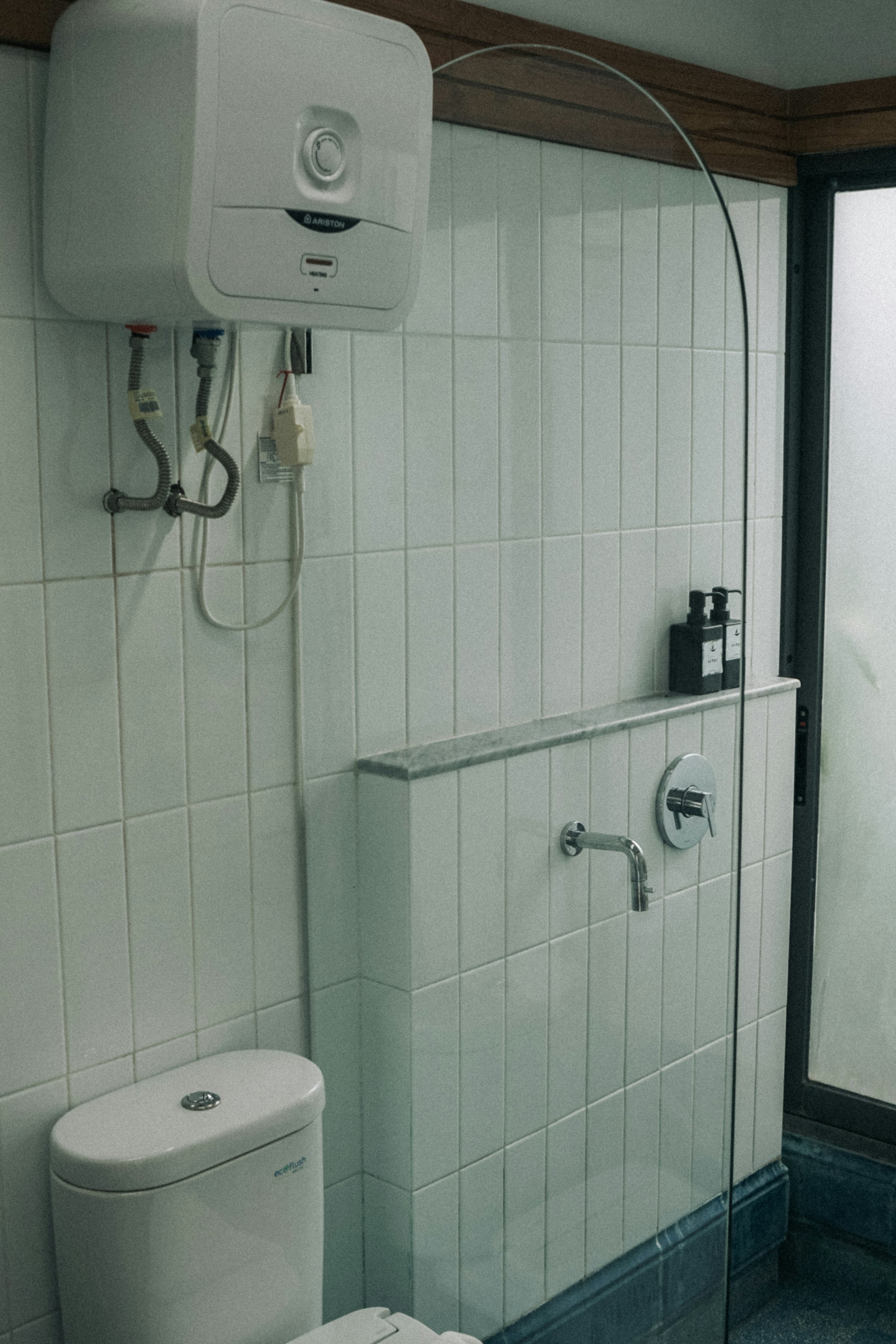
The U.S. Department of Energy says storage water heaters typically last 10 to 15 years, tankless models about 20 years, and heat pump water heaters about 10 to 15 years. So on a tour, find the age and type first. A tank near the end of that range is not a reason to walk away, but it is a reason to ask questions and plan for a replacement.
Below is a checklist for the water heater in a Richmond-area home: how to read the data plate, what to look at, what a Virginia inspector covers, what DOE says about efficiency, and what to ask the seller.
Find the type and the age
DOE’s guide to choosing a water heater describes the common types. A storage tank keeps a supply hot and loses some heat even when nobody is drawing water. A tankless unit heats water on demand and is roughly 8 to 34 percent more efficient than a storage unit, according to DOE. A heat pump water heater runs on electricity and can be 2 to 3 times more efficient than a standard electric resistance unit. DOE says heat pump models need at least 1,000 cubic feet of air space around them and a year-round surrounding temperature between 40 and 90 degrees Fahrenheit (DOE, Which Water Heater Is Right for You?).
DOE also says that if your current unit is nearing the end of its typical life, you should start researching replacements. As a buyer, you are in that position the day you close.
| Type | DOE typical life | Efficiency note from DOE |
|---|---|---|
| Storage tank | 10 to 15 years | Loses some heat even when idle |
| Tankless | About 20 years | Roughly 8 to 34 percent more efficient than storage |
| Heat pump | About 10 to 15 years | 2 to 3 times more efficient than standard electric resistance |
Read the data plate
The data plate (a label on the tank, usually on the side) is where the facts live. Photograph it at the showing. Look for:
- Manufacturer and model.
- Serial number. Many brands encode the build date in it, and the manufacturer can tell you how to read it. Ask rather than guess.
- Fuel type and, for a tank, the capacity.
- Any listed venting or clearance requirements.
Also look at the unit for rust on the tank or connections, stains on the floor or pan, a drain line that goes somewhere sensible, and a closed shutoff on the water and fuel lines. The tank’s age on paper matters less than its condition, but age tells you how soon to budget for a replacement.
Look at where and how it is installed
Location tells you a lot. A unit in a garage, basement, closet, attic or crawl space has different risks if it leaks. Ask what is under and around it. A drain pan with a line to a safe spot is a good sign. A tank sitting on carpet or finished flooring, or above a ceiling, deserves a closer look at the surrounding materials for water stains.
Check how accessible it is. If a tank is hard to reach, the inspector may not be able to see all of it, and the report will say so. Look at the water connections for corrosion, at the shutoff valve on the cold supply, and at whether the piping looks like a tidy professional job or a patchwork. If the house has more than one water heater, note which areas each serves.
Finally, run the hot water at a few faucets during the showing. Does it come hot in a reasonable time? Is the water clear? Ask the seller about hot-water complaints. Those small answers help you decide whether to plan for a replacement soon.
Safety items: T&P valve, venting and carbon monoxide
- Temperature and pressure relief valve. This is a safety valve on a storage tank, typically with a discharge pipe running down toward the floor. Look to see that a pipe is attached and runs down, not capped or plugged. Ask your inspector to comment on it.
- Venting. A gas or oil water heater needs a path to exhaust combustion gases. Look for a vent connection that is tight, sloped up, and not corroded or detached. Virginia’s inspector standards cover the water heater’s vent, flue or chimney.
- Carbon monoxide. The Consumer Product Safety Commission names malfunctioning water heaters among common carbon monoxide sources and says to have fuel-burning appliances inspected yearly. It recommends alarms that meet UL 2034 on every level and outside sleeping areas (CPSC carbon monoxide fact sheet). If the unit is in a closet or utility room, check for an alarm nearby, but the CPSC does not recommend placing one directly above a fuel-burning appliance.
For more on fuel lines and tanks, see our companion checklist on natural gas, propane and heating oil. For the power side, a heat pump or electric unit changes the load on your panel, which matters if you plan an EV charger too.
Take a water heater checklist to every showing
Tell us which areas you are looking in and we will set up a saved search. Photograph each data plate and compare units across homes before you decide.
What a Virginia home inspector covers
Virginia’s standards of practice for home inspectors, 18VAC15-40-130, list water heating equipment under plumbing. It covers the unit, its energy source, and related vent systems, flues and chimneys. It excludes solar water heating systems. It covers readily accessible components only, and a system that is shut off or winterized need not be put into operating condition, though the report must explain why it was not inspected (18VAC15-40-130).
Two practical points. First, the standard does not set a service life, so an inspector may note age and condition without predicting when it will fail. Second, a unit that has been shut off is a limit on the report, so ask the seller to turn it on before the inspection. See our Richmond home inspection guide for how to schedule and read the report.
Permits for replacing a water heater
Rules are set locally, so check before you or a seller’s contractor replace one. Henrico County’s Permit Center page says permits are required for new and replacement installations of gas or oil water heaters. It lists electric water heaters under initial installation of fixtures and appliances, and does not say whether replacing one needs a permit. For that, Henrico directs people to its Department of Building Construction and Inspections (Henrico Permit Center, permit required). We could not read a Chesterfield County page on the question, so if the house is in Chesterfield County, ask the county’s building inspection office. Ask the seller whether the current unit was installed with a permit and whether the final inspection was completed.
If the home is in Henrico County, for example Short Pump, or in Midlothian or the Near West End of the City of Richmond, the checks on the unit are the same. Start with current listings.
Questions to ask the seller
- How old is the water heater, and do you have the receipt, warranty or install paperwork?
- Who installed it, and was a permit pulled?
- Any leaks, rust, strange noises or running out of hot water?
- Has it ever been flushed or serviced?
- For a gas or oil unit, when was the vent and flue last checked?
- Is the unit shut off or on a timer, and can it be on for the inspection?
Once you know the house and your budget, our preferred lenders can talk through how repairs and replacements fit your purchase.
Saved search plus a systems checklist
Share the areas you want and we will set up a saved search. You photograph the data plates, we help you compare.
Frequently asked questions
Should I ask the seller to replace an older water heater?
You can ask, and your agent can negotiate it, but the seller is not required to unless your contract says so. The contract and inspection contingency decide what is possible. A Virginia real estate attorney can explain your options.
Is a tankless water heater worth looking for?
DOE says tankless models last about 20 years and are roughly 8 to 34 percent more efficient than storage tanks. Whether that fits your home depends on fuel, venting and household use, so ask a licensed plumber or HVAC contractor.
What does a heat pump water heater need?
DOE says it needs at least 1,000 cubic feet of surrounding air space and a year-round temperature between 40 and 90 degrees Fahrenheit. Look at where it sits, for example a crowded closet may not work.
How do I tell if a water heater is leaking?
Look for water or rust stains on the floor, in the drain pan, or on the tank and fittings. A damp area around the base is a reason to ask the seller and flag it for your inspector.
Does a water heater affect my insurance or loan?
It can come up in an insurer’s questions about age or condition, and in inspection-based repair requests. Ask your insurance agent and lender what they require. We can point you to lenders on our preferred lenders page.
What should the discharge pipe from the T&P valve do?
It should be attached and run down toward the floor, not capped or plugged. Ask your inspector to confirm it on the report.