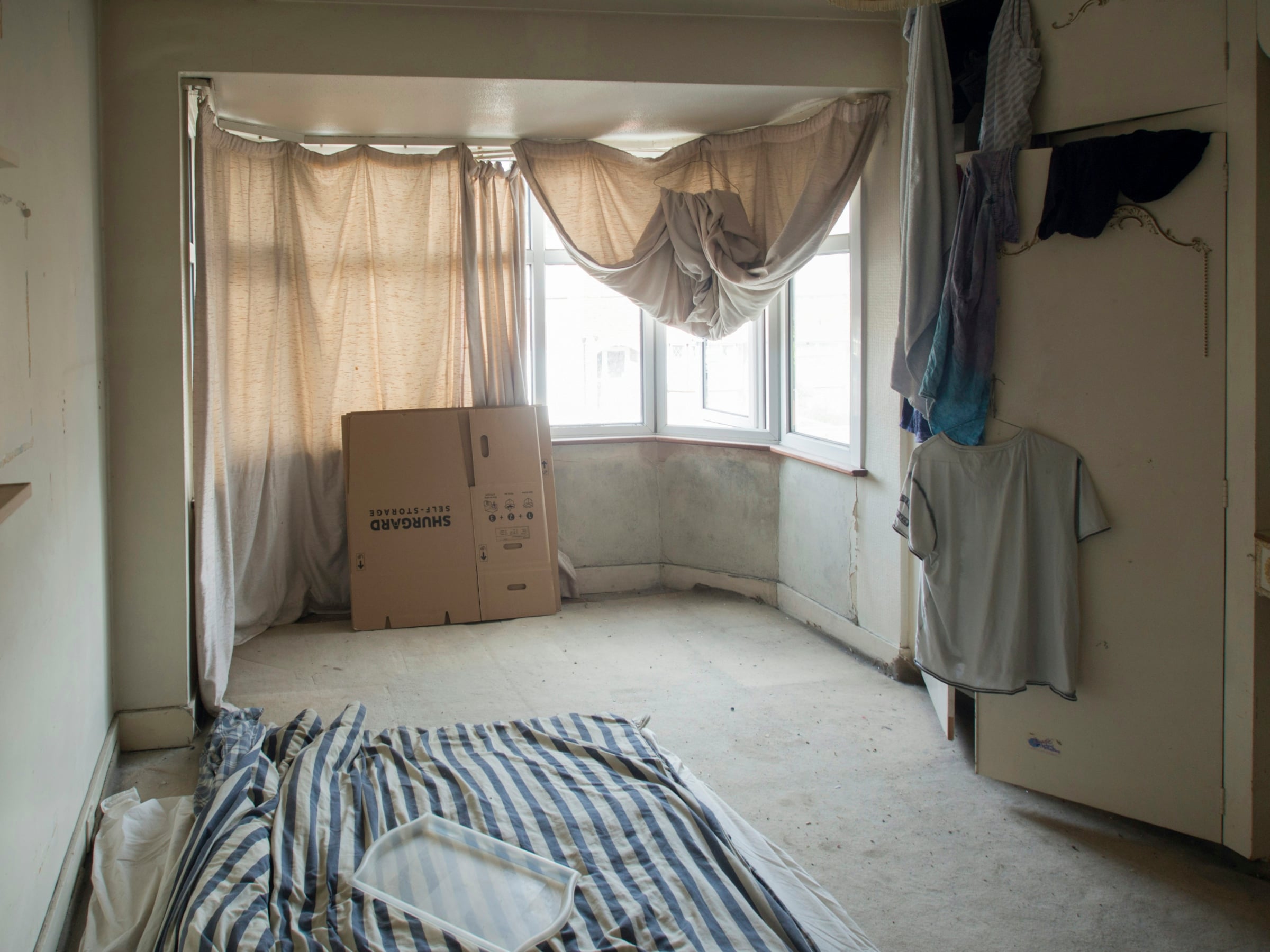
Clear an inherited house in this order: agree on who gets what, pull out the valuables and hold an estate sale, haul away what is left, clean, and only then photograph and list. Start before you list, because a house full of belongings is hard to show, hard to price and slow to repair. The steps are the same in the City of Richmond, Henrico County and Chesterfield County. The haul-away rules are local, so those are covered below.
This post is about the cleanout and the calendar. For the legal side, meaning who has authority, probate and how heirs share proceeds, read our guide to selling an inherited Richmond home as an heir first, then come back here.
The order that works
- Agree on contents. Walk the house with every heir and write down who wants which items. Photograph every room and every closet before anything moves, so nobody has to argue from memory later.
- Secure the high-risk items. Gather papers, keys, jewelry, cash, medications and anything with a title or account number. Keep them in one place that one named person controls.
- Sell the valuables. Furniture, art, tools, collections and household goods go to an estate sale, a consignment shop or an auction. Do this before donation or dumpsters, because those end the chance to sell anything.
- Haul away the rest. Donate what charities will take, then book bulk pickup, a dumpster or a junk hauler for the remainder. Take hazardous items to the right drop-off site.
- Clean, fix, then photograph. A broom-clean house shows better than a packed one, and empty rooms reveal stains, holes and odors you could not see before. Fix those, then take listing photos.
The sequence matters because each step removes options from the next. If the dumpster comes first, the estate sale never happens. If the cleaning comes first, a sale crowd tracks dirt back in. If photos come first, you photograph clutter.
Most heirs get stuck at step one. A written list, signed off by everyone, is the cheapest way to avoid a family dispute that stalls the whole sale. When two people want the same item, photograph it, put it aside and settle it before the sale starts.
Know the likely sale range before you start clearing
A cleanout is easier to budget when you know roughly what the house may sell for, because that tells you how much to spend on clearing, cleaning and repairs. Get your instant home value, built from recent sales near you.
Who can clear the house
Do not sell, give away or throw out contents until the person with legal authority says you can. In Virginia, that is usually the executor named in the will or a court-appointed administrator, and the rules differ if there is no will. The Code of Virginia, in section 64.2-521, says an executor may sell real estate when a will directs a sale. That section is about the house itself, not its contents, so ask about the contents separately.
Keep every receipt for the cleanout, the sale and the haul-away. Whoever is acting for the estate will need them, and your attorney or tax preparer can tell you how they are treated.
Estate sale, consignment or haul-away
An estate sale company usually runs the sale for a fee. Before you sign, ask in writing how the fee is set (percentage or flat), who pays for advertising and cleanup, how unsold items are handled and when you are paid. Get more than one quote, and get the contract reviewed if the house holds items of real value.
You can also run the sale yourself, which saves the fee and costs weeks of weekends. Consignment shops and auction houses suit a few good pieces better than a whole house of contents. Donation pickup suits clean, usable furniture and housewares, and most charities choose what they take, so call ahead and ask what they refuse.
Whichever route you pick, finish it before you schedule repairs and photos. If a sale crowd is going through the house, a fresh paint job will not stay fresh.
What bulk pickup costs and how fast it runs in Henrico
Henrico County lists its bulky waste program on a county bulky waste page. The numbers below are what that page showed in November 2026. Confirm them before you order.
| Item | What the county page lists |
|---|---|
| Standard pile fee | $67.00 per request |
| Standard pile size | Up to 8 ft x 4 ft x 4 ft |
| Collection window | Within 14 calendar days of the order |
| Extra charge for Freon, HCFC or CFC items | $35.00 per item (air conditioners, refrigerators) |
| Accepted items | Furniture, TVs, refrigerators, freezers, washers, dryers, air conditioners, bagged leaves, brush up to 4 ft long and 4 in thick |
Piles that run over the size or hold items outside the list are not collected at the standard rate, per the same page. A whole-house cleanout will usually need more than one pile, a dumpster or a hauler, so plan for that early.
For the City of Richmond, the city’s trash collection page lists a customer service line. Ask about bulk item pickup there before you pay a hauler. For Chesterfield County, ask the county directly about bulk pickup and dumpster rules before you schedule anything.
Paint, gas and other items that cannot go in the pile
Henrico’s household hazardous waste page says the county takes used motor oil, old gas, antifreeze, and oil-based paints and solvents at no charge for county residents. It names two public sites: 10600 Fords Country Lane and 2075 Charles City Road. The page did not list hours, so check before you drive a loaded truck there.
Garages, sheds and basements of long-held homes tend to hold the most of these items. Check them first and early, because they are the slowest part of a cleanout to arrange.
A six-week planning outline
This is a planning outline, not a rule. A small condo may need two weeks and a full house with an outbuilding may need ten.
| Week | Task |
|---|---|
| 1 | Heirs walk the house, photograph every room, write the want list, secure papers and valuables |
| 2 | Get two or three estate sale quotes, call donation groups, line up hazardous waste drop-off |
| 3 | Estate sale runs, usually over one weekend |
| 4 | Donation pickup, bulk pickup or dumpster for what remains |
| 5 | Deep clean, repair stains and holes, touch up paint |
| 6 | Photos, then list |
Call your agent in week one, not week five. We can help you sort which repairs are worth doing, and our guide to which pre-sale updates pay back helps you rank the repair list. See how nearby homes have been presented and priced on our recently sold properties page. Our sell with us page explains how we work with heirs.
What to leave in place and what to remove
Leave built-in items, light fixtures, window coverings and appliances that convey with the house unless the contract says otherwise. Take down personal photos and wall hangings, empty closets and cabinets, and clear countertops. Leave utilities on through the sale so the house can be cleaned, shown and photographed with lights, water and climate control. The same steps apply whether the house is in the Fan or Midlothian.
If time is short, some heirs list with contents still in place and tell buyers up front. Showings and photos are harder, and an agent can help you decide if it is worth it. If you are also buying, our buy with us page covers that side.
Know the likely sale range before you start clearing
Get your instant home value, built from recent sales near you. It takes a few minutes, and it helps you decide how much to clear, clean and repair before you list.
Frequently asked questions
Should I keep the utilities on while the house is empty?
Usually yes. Power keeps the lights, sump pump and climate control running, and water lets you clean. Call the insurer too, because coverage for a vacant house can differ from coverage for an occupied one.
What if heirs disagree about an item?
Photograph it, put it aside and leave it out of the sale until everyone agrees. Put the agreement in writing. If you cannot agree, a neutral appraisal, a mediator or the estate’s attorney can help.
Can I list the house while the estate sale is running?
You can talk to an agent now and set a list date, but wait to list or photograph until the sale is over. Sale crowds move things and track dirt, and photos taken before the haul-away show clutter.
What do I do with personal papers and old files?
Sort them into three piles: keep, shred and ask. Keep deeds, wills, tax records and account statements until the estate’s attorney or tax preparer says what to retain. Shred anything with account numbers or a Social Security number.
Who pays for the cleanout?
Costs are usually paid out of the estate by whoever is acting for it, and some are repaid from sale proceeds. Keep every receipt and ask the estate’s attorney how each cost is handled.
How do I find out what the valuables are worth?
Get opinions from more than one source, such as an independent appraiser, an auction house and an estate sale company. Do not sell a whole house of contents to the first person who offers a lump sum.
Does the house have to be empty at closing?
That depends on the contract. Most contracts say what must be left and what must be removed. Your agent and the estate’s attorney will set those terms, so tell them early if the house will still hold contents.