Church Hill Richmond VA: Revitalization and the Best Blocks to Target
A block-by-block guide to Richmond’s most talked-about revitalization neighborhood – where restored Victorians, fixer-uppers, and a genuine sense of history sit side by side.
Living in Church Hill, Virginia in 2026 means buying into one of Richmond’s most dramatic revitalization stories: renovated Victorian rowhouses near Libby Hill Park and St. John’s Church sell for $450,000 to $700,000, while original-condition homes on transitional blocks remain available from $220,000 to $400,000. Buyers are drawn by the short drive to downtown Richmond and VCU Health, brick sidewalks, and a growing restaurant scene along 25th Street. The Mission Realty Team works this market block by block because conditions genuinely differ from one street to the next.
Table of Contents
- 1. What Makes Church Hill’s Revitalization Different From Other Richmond Neighborhoods?
- 2. How Much Do Homes Cost in Church Hill, Richmond VA in 2026?
- 3. Which Streets and Blocks Should Buyers Target Near Libby Hill and St. John’s Church?
- 4. What Schools Serve Church Hill Families in Richmond Public Schools?
- 5. How Is the Commute From Church Hill to Downtown Richmond and VCU Health?
- 6. What Is Daily Life Like Around East Main Street, 25th Street, and Chimborazo Park?
- Frequently Asked Questions About Living in Church Hill, Richmond VA
Church Hill, Virginia sits about 1.5 miles east of downtown Richmond in the 23223 zip code, and it is easily the city’s most visible revitalization story right now. This is the neighborhood where Patrick Henry delivered his “Give me liberty, or give me death” speech at St. John’s Episcopal Church in 1775, and where a renovated Italianate townhouse can sit two doors from a boarded-up shell awaiting its next owner – a contrast that is the entire point for the buyers who choose it.
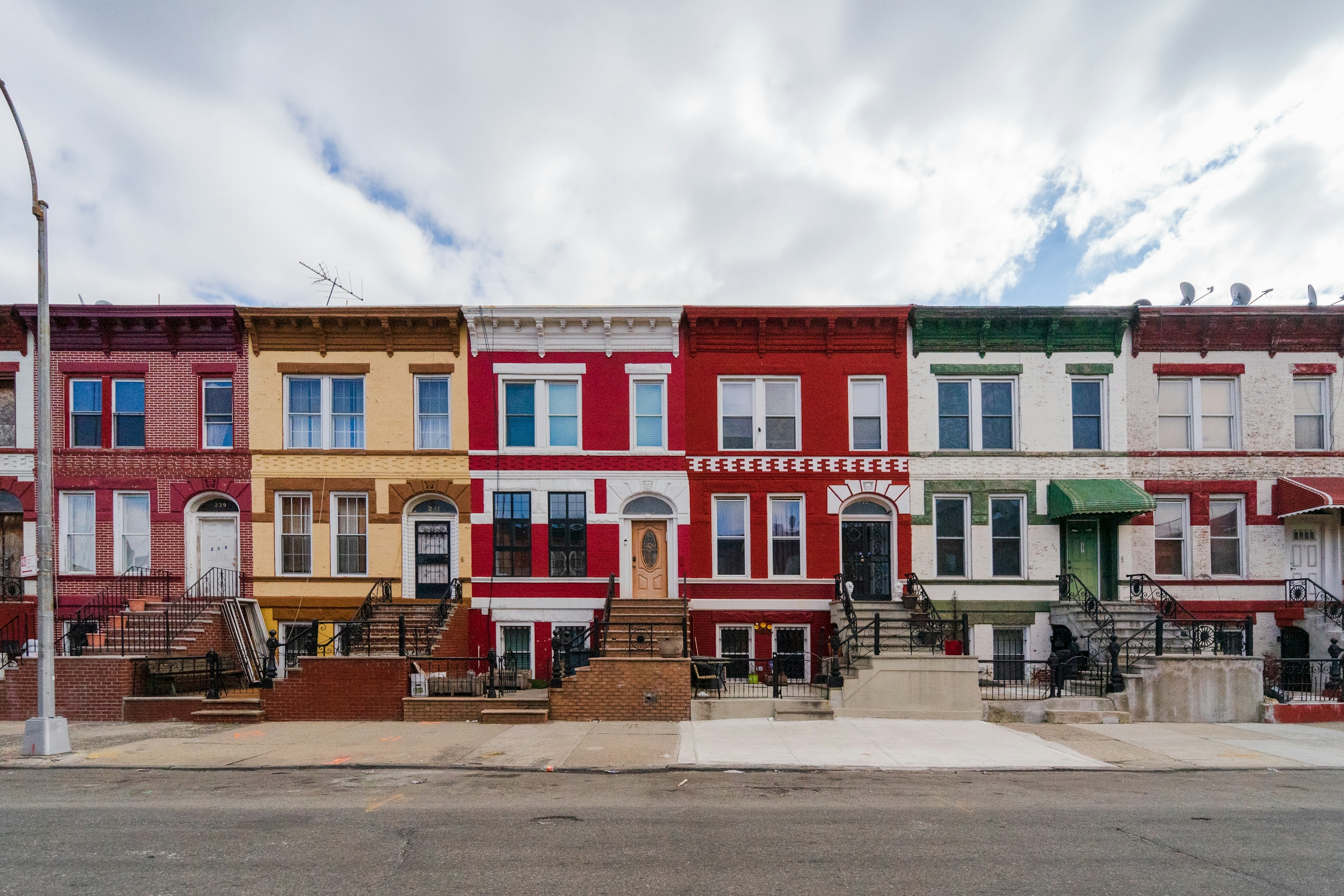
In 2026, the Church Hill housing market breaks down into three distinct tiers. Fully renovated Victorian and Italianate rowhouses near Libby Hill Park and St. John’s Church trade between $450,000 and $700,000, while original-condition or partially renovated rowhouses on transitional blocks are still findable from $220,000 to $400,000 – a genuine rarity this close to downtown Richmond. New infill construction on long-vacant lots lands at $500,000 to $600,000-plus. Days on market reflect that split: renovations go under contract in 15 to 25 days, while fixer-uppers can sit 45 to 60-plus days.
The Mission Realty Team has watched this pattern hold for years: there is no single “Church Hill price,” because there is no single Church Hill street. A buyer touring three blocks in one afternoon can see three different markets – understanding that variation matters more than anything else in this guide.
What Makes Church Hill’s Revitalization Different From Other Richmond Neighborhoods?
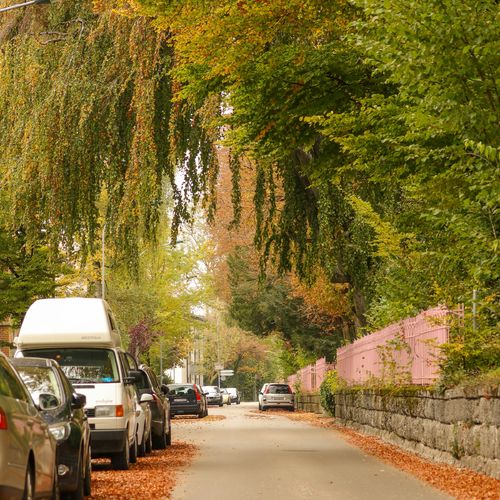
Church Hill’s revitalization is unusual because it is happening inside a historic district rather than on cleared land, so its 19th-century bones – brick sidewalks, rowhouse porches, wrought-iron fencing – are preserved rather than replaced. Unlike Scott’s Addition or the West End, Church Hill’s transformation happens house by house, often next door to a home untouched in 40 years.
The catalyst is proximity: Church Hill sits closer to downtown Richmond and VCU Health than almost any other historic neighborhood, pulling in professionals priced out of the Fan or Museum District. St. John’s Church and Libby Hill Park anchor the neighborhood’s identity, and blocks near either have seen the fastest appreciation. That mix of untouched and fully renovated homes draws a broad range of buyers.
How Much Do Homes Cost in Church Hill, Richmond VA in 2026?
Home prices in Church Hill in 2026 span a wider range than almost any comparable Richmond neighborhood, which is precisely what makes it attractive to different types of buyers. On the most improved blocks, near Libby Hill Park and St. John’s Church, fully renovated Victorian and Italianate rowhouses sell for $450,000 to $700,000, with the top end reserved for river views, off-street parking, or finished third floors.
On transitional blocks further out, original-condition or partially renovated rowhouses remain available from $220,000 to $400,000 – a price point drawing first-time buyers and investors that no longer exists in the Fan or Museum District. New infill construction now reaches $500,000 to $600,000-plus. Days on market reflect that split: renovations near the park go under contract in 15 to 25 days, while fixer-uppers can sit 45 to 60-plus days since financing takes longer to arrange.
Which Streets and Blocks Should Buyers Target Near Libby Hill and St. John’s Church?
The blocks surrounding Libby Hill Park – the “Church Hill overlook,” with its sweeping views of the James River and downtown skyline – command the highest, most consistent prices in the neighborhood. Homes here have largely completed their renovation cycle, and buyers pay a premium for walkability, tree canopy, and restored facades. Streets around St. John’s Church run a notch behind Libby Hill but remain solidly in the renovated tier, protected by the historic district designation.
Move east and north toward Chimborazo Park and Nine Mile Road, and the mix shifts toward original-condition rowhouses and vacant infill lots, where the $220,000 to $400,000 opportunities concentrate. Two rowhouses on the same block can be priced $150,000 apart on renovation history alone – a gap no spreadsheet captures. Walking the block is a step the Mission Realty Team builds into every showing.
What Schools Serve Church Hill Families in Richmond Public Schools?
Church Hill families zoned within Richmond Public Schools typically attend Bellevue Elementary School before moving to the district’s middle and high school options. Because RPS operates open enrollment for specialty programs, families are not limited to their zoned assignment and can apply citywide. Two popular specialty options are Franklin Military Academy, a leadership-focused program, and Armstrong High School, a comprehensive RPS high school.
Because both are reached through open enrollment rather than zoning alone, buyers should confirm current application windows directly with Richmond Public Schools rather than assume an address guarantees a seat. The Mission Realty Team recommends touring school options before finalizing an offer, since availability can decide between two comparable rowhouses.
How Is the Commute From Church Hill to Downtown Richmond and VCU Health?
One of Church Hill’s clearest advantages is location: it is roughly a 5 to 8 minute drive to downtown Richmond and the Medical College of Virginia (VCU Health) campus, one of the region’s largest employers. That short commute draws hospital staff and downtown workers tired of longer suburban drives. East Broad Street and Nine Mile Road both feed toward the I-64/I-95 interchange within minutes.
Compared to Henrico’s West End or Chesterfield County, where 25 to 40-minute drives are common at peak hours, Church Hill’s proximity is a real time savings buyers often underweight when comparing neighborhoods on price alone.
What Is Daily Life Like Around East Main Street, 25th Street, and Chimborazo Park?
Daily life increasingly centers on the East Main Street corridor, where spots like Sub Rosa Bakery, Alamo BBQ, and Union Market have become fixtures drawing visitors from across Richmond. Along 25th Street, independent coffee shops and restaurants give the neighborhood a walkable commercial spine that did not exist a decade ago. Chimborazo Park offers green space and the National Park Service’s Chimborazo Medical Museum, marking its history as one of the largest Confederate hospital complexes of the Civil War.
Libby Hill Park remains the signature gathering spot, especially at sunset when river and skyline views draw residents to the overlook. The active civic association organizes around streetscape improvements, preservation questions, and block-level advocacy that has guided redevelopment without erasing character. Brick sidewalks and porches used as social space set Church Hill apart from more car-dependent neighborhoods.
| Home Type | Typical Price Range (2026) | Typical Days on Market |
|---|---|---|
| Renovated Victorian/Italianate rowhouse (near Libby Hill / St. John’s Church) | $450,000 – $700,000 | 15 – 25 days |
| Original-condition or partially renovated rowhouse (transitional blocks) | $220,000 – $400,000 | 45 – 60+ days |
| New infill construction | $500,000 – $600,000+ | 20 – 35 days |
| Commute to downtown Richmond / VCU Health | N/A | 5 – 8 minute drive |
Frequently Asked Questions About Living in Church Hill, Richmond VA
Is Church Hill, Virginia a good place to buy a house in 2026?
Yes, Church Hill remains one of Richmond’s best opportunities for buyers who want historic character, a short commute, and both move-in-ready and value-add options. The short drive to downtown Richmond and VCU Health, plus landmarks like St. John’s Church and Libby Hill Park, has kept demand strong even as prices rise. First-time buyers and renovators both find opportunities here that are increasingly rare near the Fan or Museum District.
What is the zip code for Church Hill, Richmond VA?
Church Hill’s primary zip code is 23223, covering the historic core around St. John’s Church, Libby Hill Park, and Chimborazo Park, as well as the transitional blocks further east and north. Some listings and school zoning documents reference sub-areas within 23223, so buyers should confirm exact boundaries with a local agent.
How much does a house cost in Church Hill, Virginia?
Prices range from roughly $220,000 for original-condition rowhouses on transitional blocks up to $700,000 for fully renovated Victorian and Italianate rowhouses near Libby Hill Park. New infill construction lands between $500,000 and $600,000-plus. The wide spread reflects Church Hill’s uneven revitalization, where restored homes sit near untouched fixer-uppers on the same street.
Is Church Hill safe to live in?
Safety in Church Hill varies meaningfully by block, much like pricing and renovation status, so buyers should evaluate specific streets rather than the neighborhood as a whole. Blocks closest to Libby Hill Park, St. John’s Church, and East Main Street generally see more foot traffic and active community presence. Newer residents are encouraged to talk with homeowners and attend a civic association meeting for honest local perspective.
What schools are in the Church Hill area of Richmond?
Church Hill families typically attend Bellevue Elementary School, with Franklin Military Academy and Armstrong High School as common middle and high school options. RPS open enrollment lets families apply to specialty programs citywide, so a Church Hill address does not lock in only one path. The Mission Realty Team suggests confirming current RPS zoning and enrollment deadlines before finalizing a purchase.
How far is Church Hill from downtown Richmond?
Church Hill sits about 1.5 miles east of downtown Richmond, typically a 5 to 8 minute drive. East Broad Street and Nine Mile Road both provide direct access toward downtown and the I-64/I-95 interchange. This short commute is a big draw for VCU Health employees choosing Church Hill over more distant suburbs.
What is there to do in Church Hill, Richmond?
Church Hill offers historic sightseeing at St. John’s Church, sweeping views at Libby Hill Park, and Civil War history at Chimborazo Park’s museum. East Main Street is home to popular spots including Sub Rosa Bakery, Alamo BBQ, and Union Market, while 25th Street has become a hub for coffee shops and restaurants. Brick sidewalks and porches give the neighborhood a walkable, social atmosphere.
Are there fixer-upper homes still available in Church Hill?
Yes, original-condition and partially renovated rowhouses remain available, generally priced between $220,000 and $400,000 on transitional blocks further from Libby Hill Park and St. John’s Church. These homes often sit on the market 45 to 60-plus days because the buyer pool for project homes is smaller and financing takes longer to arrange. Renovation costs commonly run $60,000 to $150,000-plus depending on the scope of work needed.
What is a good investment strategy for buying in Church Hill?
A common strategy is buying an original-condition rowhouse one to two blocks off the primary corridors near Libby Hill Park or St. John’s Church, since those blocks lag park-adjacent pricing by 12 to 18 months before appreciation catches up. Investors can capture that value-add opportunity at $220,000 to $400,000 entry prices no longer found in the Fan or Museum District.
Does Church Hill have a historic district designation?
Yes, much of Church Hill falls within a recognized historic district tied to its 18th and 19th century architecture, including landmarks like St. John’s Episcopal Church. This designation affects renovation projects, since exterior changes on contributing structures typically require review to preserve historic character. Buyers planning significant renovations should factor in extra time and documentation for approval.
What is Libby Hill Park known for?
Libby Hill Park, often called the “Church Hill overlook,” is known for panoramic views of the James River and downtown Richmond skyline. The park sits within walking distance of the neighborhood’s most improved, highest-priced blocks, and functions as its primary gathering space, especially in the evenings. Homes closest to the park generally command the top of Church Hill’s $450,000 to $700,000 price range.
Is Church Hill good for first-time homebuyers?
Church Hill can be a strong option for first-time buyers, particularly those open to a partially renovated or original-condition rowhouse in the $220,000 to $400,000 range on transitional blocks. That price point is increasingly rare within a 5 to 8 minute drive of downtown Richmond and VCU Health. First-time buyers should budget for renovation costs and expect a longer timeline than buying a fully renovated home.
Ready to Explore Church Hill Real Estate in 2026?
Church Hill rewards buyers who do their homework block by block, and the Mission Realty Team lives this market every day. Contact the Mission Realty Team for a personalized, street-by-street tour of Church Hill’s rowhouses, fixer-uppers, and new construction.