New York City to Richmond VA: Walkable Neighborhood Swaps, Life Without the Subway, and Culture Shock
Trade a 450-square-foot walkup for a full house, and still bank the difference every month.
Relocating to Richmond VA from New York City means a dramatic drop in cost of living, with overall expenses running roughly 50-60% lower and median home prices about $400,000 below Manhattan and Brooklyn averages. New Yorkers moving to Richmond, Virginia commonly search for the biggest space-and-price difference, walkable urban neighborhoods that still feel “city-like,” how culture shock hits former subway riders who now need a car, and which Richmond zip codes deliver density closest to what they left behind. The Fan District, Church Hill, and Scott’s Addition are the three neighborhoods Richmond agents recommend most often to ex-New Yorkers who don’t want to feel like they moved to the suburbs. This guide from the Mission Realty Team covers real square footage comparisons, commute expectations, and the adjustment period new Richmonders from NYC should plan for.
Table of Contents
- The Real Cost Gap Between NYC and Richmond
- What a Manhattan Rent Payment Buys You in Richmond
- The Walkable Neighborhoods That Feel Most “City” to Ex-New Yorkers
- Losing the Subway: Cars, Traffic, and Getting Around Richmond
- Culture Shock: What Surprises New Yorkers Most
- Jobs, Remote Work, and Building a New Network
- Frequently Asked Questions
Relocating to Richmond VA from New York City produces one of the largest cost-of-living swings of any domestic move in the country. The median home price across the five boroughs sits well above $800,000, and in Manhattan and much of Brooklyn it routinely tops $1 million, while the median home price in the Richmond, Virginia metro area is closer to $385,000. That gap alone changes what “home” means: a studio in Astoria becomes a three-bedroom house with a yard in Richmond’s Northside.
New Yorkers relocating to Richmond aren’t just chasing lower prices, they’re also trying to figure out whether they’ll lose the walkability and density that made NYC feel alive. The honest answer is that Richmond is not New York, but a handful of neighborhoods, especially The Fan, Church Hill, and Scott’s Addition, replicate enough of that walk-to-dinner, walk-to-coffee energy to satisfy most transplants within a few months.
This guide breaks down the real numbers on space and cost, which neighborhoods feel most urban, what daily life without a subway actually looks like, and the specific culture adjustments New Yorkers report most often. The Mission Realty Team works with NYC relocations regularly and built this guide around the questions those clients ask first.
The Real Cost Gap Between NYC and Richmond
Overall cost of living in Richmond runs about 50-60% below New York City, with housing accounting for the largest share of that gap. A one-bedroom apartment in Manhattan averages roughly $4,200 per month in 2026; a comparable one-bedroom in Richmond’s Fan District or Scott’s Addition averages $1,450-$1,650.
Groceries and dining out also run meaningfully cheaper: a mid-range dinner for two that costs $110 in Manhattan runs closer to $65 in Richmond. New York’s combined state and city income tax, up to 14.8% for high earners, doesn’t exist here, since Virginia’s top rate is 5.75% with no city add-on.
What a Manhattan Rent Payment Buys You in Richmond
A $4,200 monthly rent payment in Manhattan covers roughly a $650,000-$700,000 mortgage in Richmond at current rates, well above the metro’s $385,000 median. That budget buys a fully renovated four-bedroom home in the West End or a historic three-story rowhouse in The Fan with 2,200-plus square feet, roughly four to five times the square footage of a comparable NYC rental.
Even at Richmond’s actual median price, buyers get space that simply doesn’t exist in the five boroughs at any price: a three-bedroom, two-bath single-family home with a driveway and yard. Richmond’s median days-on-market runs 24-28 days, and well-priced homes in The Fan or Church Hill under $450,000 often draw multiple offers within the first two weeks.
The Walkable Neighborhoods That Feel Most “City” to Ex-New Yorkers
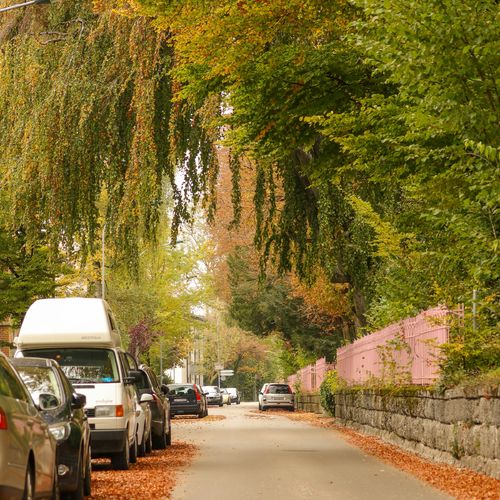
The Fan District is Richmond’s closest analog to a walkable NYC neighborhood: tree-lined streets, Victorian rowhouses, and a dense concentration of restaurants and shops along Cary and Main Streets, all within a 10-15 minute walk of VCU’s campus. Homes here range from $450,000 for a fixer-upper to $750,000-plus for a fully restored rowhouse.
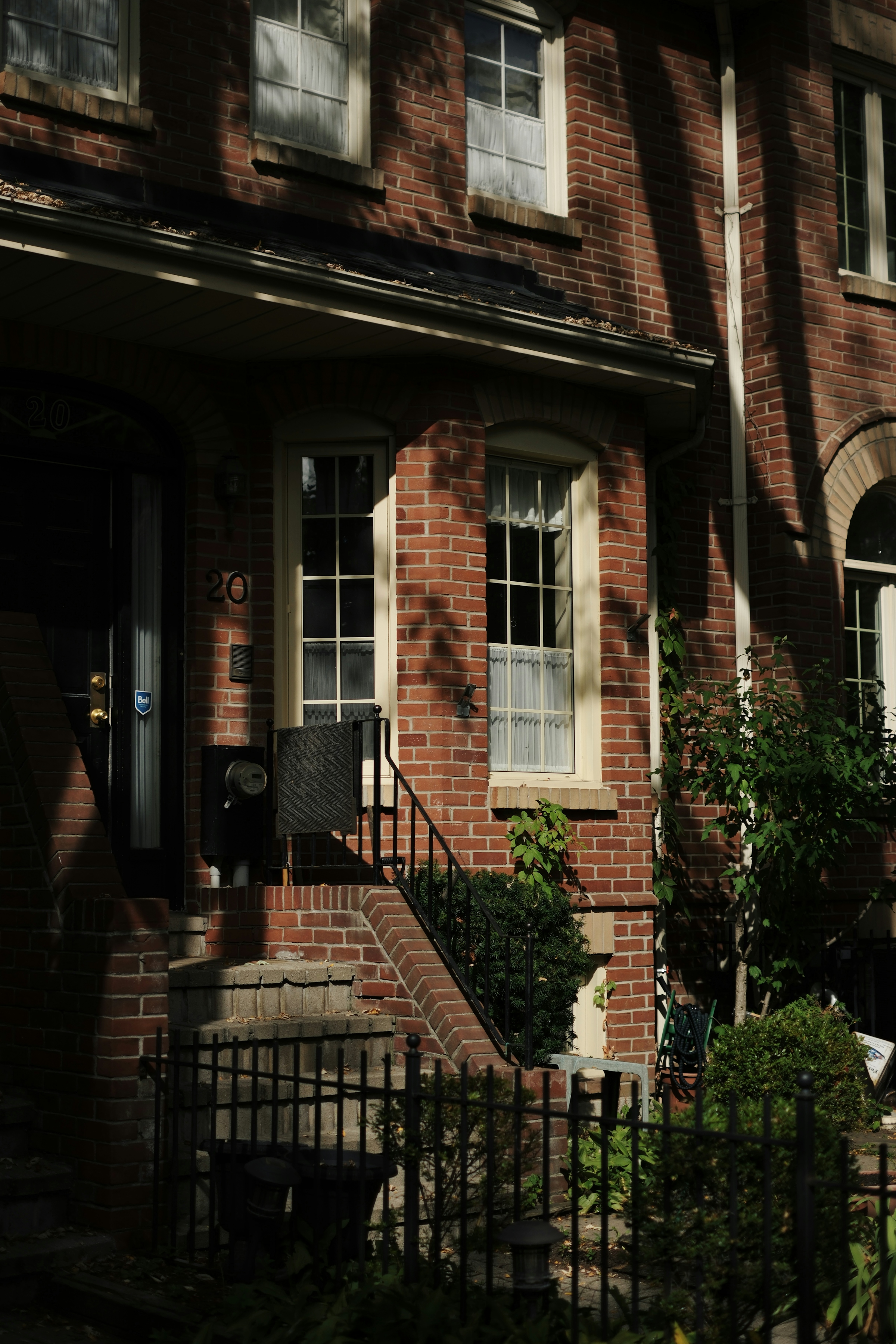
Church Hill, overlooking downtown from the east side of the James River, has the historic density and front-porch culture that reminds many Brooklyn transplants of Park Slope or Fort Greene, with homes starting in the $350,000s. Scott’s Addition, a former industrial district turned brewery and loft-condo district, is the pick for people who lived in Williamsburg or Long Island City, with one-bedroom lofts from the $260,000s and the highest concentration of breweries in the city within walking distance of each other.
Losing the Subway: Cars, Traffic, and Getting Around Richmond
Richmond does not have a subway or commuter rail system, and most New Yorkers who move here will need to own a car for the first time in years. GRTC operates city buses and the Pulse bus rapid transit line along Broad Street, but coverage and frequency don’t match NYC’s MTA.
The upside is a much shorter and calmer commute: the Richmond metro’s average one-way drive is about 24 minutes, compared to a typical 40-plus minute subway commute from outer boroughs into Manhattan. Parking is also a non-issue in most neighborhoods, a genuine shock for anyone who’s circled a Brooklyn block for 20 minutes looking for street parking.
Culture Shock: What Surprises New Yorkers Most
The single biggest adjustment reported by NYC transplants is the quiet: Richmond restaurants close earlier, delivery apps have fewer options after 10pm, and the 24/7 energy of Manhattan simply doesn’t exist here. Most stores and restaurants outside downtown and Carytown close by 9 or 10pm on weeknights.
On the upside, service is friendlier and slower-paced, strangers make small talk in checkout lines, and seasons are more pronounced, with real winters and humid summers replacing NYC’s version of both. Richmond’s food scene, especially in Carytown, Scott’s Addition, and Union Hill, is more serious than most New Yorkers expect, even if it can’t match Manhattan’s sheer volume of options. Most transplants say the adjustment period runs about four to six months.
Jobs, Remote Work, and Building a New Network
Richmond’s job market centers on finance, law, healthcare, and a growing creative and tech sector, with employers including Capital One, VCU Health, CarMax, and Dominion Energy. Many NYC transplants keep remote roles with New York-based finance, media, or tech firms and use Richmond as a lower-cost home base.
Coworking spaces have expanded quickly in Scott’s Addition and downtown to serve this exact population, and Richmond’s growing creative and startup community has its own meetups and networking events, though nowhere near NYC’s density of professional events. Unemployment in the Richmond metro has held near 3.2-3.6% through 2025 and into 2026.
| Category | New York City | Richmond VA Metro |
|---|---|---|
| Median home price | $800,000+ (Manhattan $1M+) | $385,000 |
| Average 1BR apartment rent | $4,200/mo (Manhattan) | $1,450-$1,650/mo |
| Top combined income tax rate | Up to 14.8% | 5.75% |
| Average one-way commute | 40+ minutes (subway) | 24 minutes (car) |
| Mid-range dinner for two | $110 | $65 |
| Typical days on market | 45-60 days | 24-28 days |
Frequently Asked Questions About Relocating to Richmond VA from New York City
Is Richmond VA cheaper than New York City?
Yes, Richmond’s overall cost of living runs about 50-60% below New York City. Housing is the largest factor, with median home prices roughly $400,000 lower than the NYC metro average. Rent, groceries, and dining out are also significantly cheaper. Combined state and city income taxes in NYC can reach 14.8%, compared to Virginia’s flat 5.75% top rate with no city add-on.
How much bigger is a house in Richmond compared to NYC?
Most New Yorkers relocating to Richmond get three to five times the living space for the same or lower monthly payment. A $4,200 Manhattan rent covers a mortgage on a home well above Richmond’s $385,000 median. That typically means a three or four-bedroom single-family home with a yard, instead of a one-bedroom apartment. Buyers also gain a driveway or garage, both rarities in NYC.
What Richmond neighborhoods feel most like New York City?
The Fan District, Church Hill, and Scott’s Addition are the three neighborhoods that feel most urban and walkable to former New Yorkers. The Fan offers dense rowhouse blocks similar to parts of Brooklyn. Church Hill has historic front-porch density reminiscent of Park Slope or Fort Greene. Scott’s Addition suits people who lived in Williamsburg, with lofts and a walkable brewery district.
Do I need a car in Richmond if I’m used to the subway?
Yes, most Richmond residents need a car since there is no subway or commuter rail system. GRTC buses and the Pulse bus rapid transit line serve the city core but with far less frequency than the MTA. The average one-way commute by car is about 24 minutes. Parking is much easier to find than in NYC, which offsets some of the adjustment.
Is Richmond VA boring compared to New York City?
Richmond has a smaller and quieter nightlife and dining scene than NYC, with most restaurants closing by 9 or 10pm outside downtown and Carytown. It is not a 24/7 city and does not have NYC’s density of entertainment options. That said, Richmond’s food scene, breweries, and the James River park system offer more than most transplants expect. Most new residents adjust to the slower pace within four to six months.
How much does it cost to rent an apartment in Richmond VA?
A one-bedroom apartment in a popular Richmond neighborhood like The Fan or Scott’s Addition averages $1,450-$1,650 per month in 2026. That compares to roughly $4,200 per month for a similar unit in Manhattan. Prices are lower still in neighborhoods like Church Hill or the Southside. Richmond’s rental market is far less competitive than NYC’s, with less bidding-war pressure on leases.
What is the income tax difference between New York and Virginia?
New York City residents pay combined state and city income tax that can reach 14.8% for high earners. Virginia’s top state income tax rate is 5.75% with no additional city or local income tax. That difference alone can add thousands of dollars a year in take-home pay for relocating professionals. The Mission Realty Team can connect buyers with a Virginia-based accountant to model the exact impact.
Can I keep my New York job and live in Richmond?
Yes, many NYC transplants keep remote or hybrid roles with New York-based finance, media, or tech employers while living in Richmond full time. Richmond’s broadband infrastructure supports remote work well, and coworking spaces have expanded in Scott’s Addition and downtown. Employees should confirm how their employer handles state tax withholding once they establish Virginia residency. Some employers require occasional in-person weeks in New York.
What is the best Richmond neighborhood for young professionals from NYC?
Scott’s Addition is the top pick for young professionals from NYC who want walkability, breweries, and new-construction lofts. One-bedroom units start in the $260,000s near a dense cluster of bars and restaurants. The Fan District is a close second for people who prefer historic architecture. Both are a 5-10 minute drive from downtown employers.
Is it hard to make friends after moving to Richmond from NYC?
It takes intentional effort, since Richmond’s social scene is smaller and less transient than New York’s. Joining a run club, brewery trivia night, or neighborhood association in the first month significantly speeds up the adjustment. Richmond has an active newcomer and young-professional community, particularly around Scott’s Addition and The Fan. Most transplants report feeling settled socially within four to six months.
How far is Richmond from New York City?
Richmond is about 340 miles from New York City, roughly a six-hour drive via I-95. Amtrak’s Northeast Regional connects Richmond to New York Penn Station in about seven hours, with several daily departures. Direct flights from Richmond International Airport (RIC) to LaGuardia or Newark take about 90 minutes. Many transplants make the trip a few times a year for family visits.
What is the average home price in Richmond VA in 2026?
The median home price across the Richmond, Virginia metro area is approximately $385,000 in 2026. Prices vary widely by neighborhood, from $260,000 for a Scott’s Addition condo to $750,000-plus for a fully renovated Fan District rowhouse. Richmond’s median days-on-market runs 24-28 days, faster than most major metros. The Mission Realty Team can provide current pricing for any specific neighborhood you’re considering.
Does Richmond VA have good restaurants and nightlife?
Richmond has a genuinely strong restaurant and brewery scene concentrated in Carytown, Scott’s Addition, and downtown, though it is smaller in scale than New York City’s. Scott’s Addition alone has one of the highest densities of breweries in the state. Nightlife tends to wind down earlier, with most spots closing by midnight even on weekends. Most NYC transplants find the quality higher than expected, even though the sheer volume of options is far smaller.
Should I rent or buy first when moving to Richmond from NYC?
Many advisors recommend renting for 6-12 months to learn Richmond’s neighborhoods before buying, especially for NYC transplants unfamiliar with car-dependent suburbs. Richmond’s rental market is far less competitive than NYC’s, making a short-term lease easy to secure. Richmond’s fast-moving market, at 24-28 days on market, rewards being pre-approved once you’re ready. The Mission Realty Team can set up a rental-to-buy timeline based on your relocation date.
Ready to Trade Square Footage Stress for Space?
The Mission Realty Team has guided dozens of New York City buyers through their first Richmond home search, from neighborhood tours to financing questions specific to relocating professionals. Schedule a free consultation and get a custom Richmond neighborhood shortlist built around your budget and commute preferences.