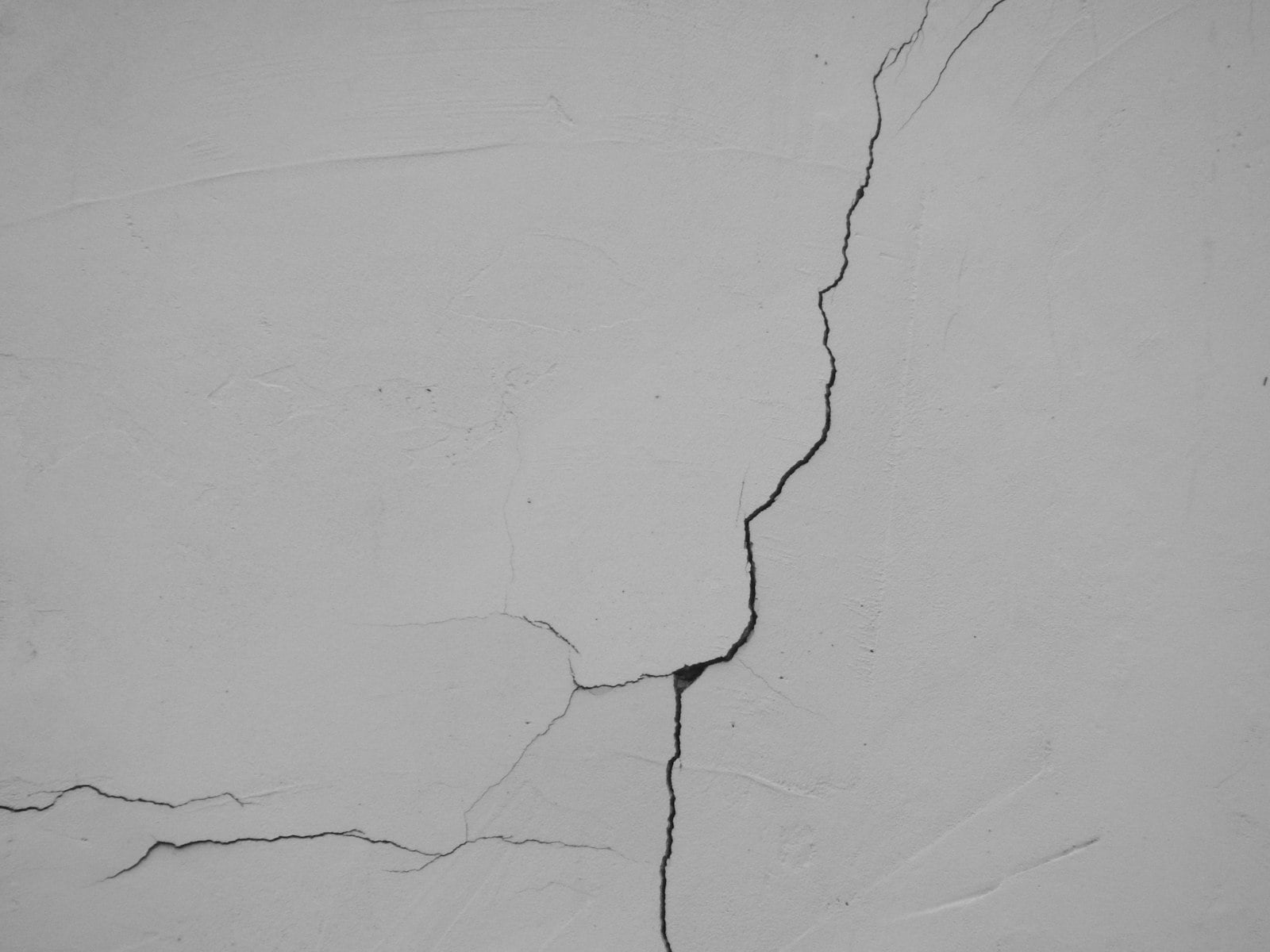
Yes, you can sell a home with foundation or structural problems, and you do not have to fix them first. What you cannot do is hide what you know. Virginia’s residential disclosure law sets how and when you hand the buyer a disclosure statement, and your choices on repair, price and terms shape how buyers, inspectors and lenders respond.
This guide is for owners in Richmond, Henrico and Chesterfield and nearby who have found cracks, sticking doors, a sagging floor or an inspector’s note. We read the Code of Virginia and the state home inspector regulation in November 2026. We are not attorneys, and a few points below belong in a lawyer’s hands.
What Virginia’s disclosure statute says
Under Code of Virginia section 55.1-703, an owner must furnish the buyer a residential property disclosure statement on the Real Estate Board’s form. The statement says the owner makes no representations or warranties about the condition of the property and its improvements, and it tells buyers to use their own due diligence, including a home inspection.
The page we read has no express “foundation” or “structural defects” line. One item, on marine clays, advises buyers to have soil and structural conditions analyzed by a qualified professional. Do not read that as permission to stay quiet. Read the Real Estate Board’s current form line by line, and ask a Virginia attorney how it applies to a problem you already know about.
Timing matters
Section 55.1-709 says the disclosures go to the buyer before the contract is ratified. If they arrive afterward, the buyer’s remedy is to terminate. That right ends at the earliest of several events, including three days after delivery by hand or electronically, settlement, or the buyer’s occupancy. A valid termination is without penalty and the deposit is promptly returned. Late paperwork can cost you the sale.
What happens if something changes or you are unsure
Section 55.1-711 says an owner must disclose a material change at or before settlement. If you do not know an item, the statute lets you say it is unknown or give a clearly labeled, reasonable approximation based on actual knowledge. Section 55.1-710 protects an owner who lacked actual knowledge, relied on public sources or reasonably believed the information was correct. Notice what that means: what you actually know is the line that matters. Keep your own records of what you found and when.
This is general information, not legal advice. Talk to a Virginia real estate attorney.
Where a structural engineer’s report fits
Section 55.1-710 also says an owner can meet the disclosure requirements by giving the buyer a report or opinion from a licensed engineer, land surveyor, geologist, contractor or home inspection expert, within that expert’s field, when the buyer asks for it. The expert may state in writing which disclosures the report covers, and is then responsible only for those items.
In plain terms, an engineer’s report does three jobs. It tells you what is wrong. It gives buyers something specific to read instead of a worst-case guess. And it can serve as your written answer to a buyer’s question. It also becomes a document you now hold, so share it the way your attorney advises. If you are weighing whether to inspect before listing, read our guide to the pre-listing inspection for Richmond sellers.
See where your home stands before you choose a path
Get your instant home value, built from recent sales near you. It gives you a starting point for deciding whether to repair, adjust price or sell as-is.
Repair, sell as-is or adjust the price
There is no single right answer, and we are not quoting repair costs because we found no dated, local source we could cite. Get written bids from licensed contractors for your own house. Here is how the three paths compare in plain terms.
| Path | What you do | Main upside | Main risk |
|---|---|---|---|
| 1. Repair first | Hire a contractor, keep the engineer’s letter and invoices | Buyers see a documented fix | Time and cost before you list; repairs still get inspected |
| 2. Sell as-is | Disclose, share the report, set terms with no repair credits | No project before listing | Some buyers’ loans may not fit; financing may stall |
| 3. Adjust the price | Price to reflect the documented problem and bids | Buyers can compare a clear number | You may price too low or too high without data |
The table has no cost columns on purpose. Compare your own bids to your own sale data. Our recently sold homes page is one place to see what has closed, and the instant value above gives a starting point built from recent sales near you.
How buyers’ inspections react
Virginia’s home inspector regulation, 18VAC15-40-130, requires licensed inspectors to inspect and describe the readily accessible parts and readily observable defects of the structural system, including the foundation, framing, crawl space, floors and walls. Anything they cannot inspect must be named in the report with the reason. As we read it, the regulation does not require an inspector to recommend an engineer, but a buyer can still ask for one.
So expect the foundation to be a line in any inspection, whether or not you have a report. If yours arrives first, the buyer’s inspector may confirm it or add questions. After that, negotiation usually turns to repair requests, credits or price. Our guide on negotiating repairs after a Richmond home inspection walks through that stage.
How lenders can react
We did not find a Virginia-specific lender rule, so we point only to the federal FHA handbook. HUD’s FHA Handbook 4000.1 text, as shown in HUD’s draft revision document (the base version last revised 11/26/2025), says appraisers note repairs needed for properties that do not meet requirements, and says that when defective conditions exist and correction is not feasible, the mortgagee must reject the property. See the HUD document. That is one loan type. Other loans have their own rules, which is why an as-is sale can narrow your buyer pool.
A buyer’s lender partner can explain how a repair requirement affects their loan. You can point buyers to our preferred lenders page, and you can read how the timing of a contingent offer plays in our contingent offer guide.
Other issues that stack on top
Foundation questions rarely arrive alone. Roof and mechanical age often come up in the same inspection, and our guides on roof age and HVAC age cover those. If you plan to list in the colder months, see selling in Richmond from November to February. When you are ready to talk about a plan, our seller page shows how we work.
A short checklist for owners
- Write down what you know: when you noticed it, what you saw, who looked at it.
- Get a licensed engineer or contractor to put the problem in writing.
- Collect two or more written repair bids if you are considering repair.
- Download the Real Estate Board’s current disclosure form and complete it with your attorney.
- Deliver disclosures before a contract is ratified.
- Decide on repair, as-is or price, then set terms to match.
Frequently asked questions
Do I have to fix a foundation problem before I sell in Virginia?
The statute pages we read do not require repairs before sale. They set disclosure duties. Whether to repair is a business choice for you and your attorney.
Can I sell as-is in Virginia?
Yes, you can price and market a home as-is, but the disclosure statement duties in section 55.1-703 and section 55.1-709 still apply. The statement says the owner makes no warranties about condition.
When must I give the disclosure statement?
Before the contract is ratified, per section 55.1-709. If it comes later, the buyer may terminate, and the deposit is returned promptly.
Does an engineer’s report replace disclosure?
Section 55.1-710 lets an owner meet disclosure requirements with an expert’s report when the buyer requests it, within the expert’s field. The report covers only the items it lists, so ask your attorney how to use it.
What if the problem gets worse after I disclose?
Section 55.1-711 says an owner must disclose a material change at or before settlement. Tell your agent and attorney right away.
Will a home inspector find foundation problems?
The Virginia regulation requires inspectors to look at the foundation, framing, crawl space, floors and walls where readily accessible. They must name anything they could not inspect.
Will an FHA loan work on a house with structural defects?
HUD’s handbook text says the mortgagee must reject a property when defective conditions exist and correction is not feasible. A lender can tell a buyer how it treats a specific property.
How do I decide between repairing and cutting the price?
Compare written contractor bids with what similar homes have recently sold for. We do not have a cited repair cost for the Richmond area, so use your own bids.
Start with your home’s value
Get your instant home value, built from recent sales near you. Use it as a starting point while you decide between repairs, price and as-is terms.