A home inspector can point out signs of rodents or wildlife in an attic or crawl space, but cannot promise the animals are gone. Virginia’s inspector rules let an inspection leave out pests and any area that is not readily accessible, so a clean report is not proof of a clean house. If animals are found, the homeowner arranges and pays for removal, and Virginia does not allow trapping an animal and releasing it somewhere else.
This guide is for buyers touring homes in the City of Richmond, Chesterfield, Henrico, Hanover, Goochland and Powhatan. The checks below apply to older and newer houses alike.
Signs you can see before the inspector arrives
You do not need special tools to notice the early signs. The CDC’s rodent control page says rodent droppings are pointed at one end and often contain hair. It also notes that gnaw marks usually show up near droppings, though gnawing alone may only mean past activity. The EPA lists nesting material such as shredded paper, fabric or dried plant matter, chewed food packaging, holes gnawed through walls and floors, and stale smells from hidden areas.
At a showing, look and listen for these:
- Droppings along baseboards, in cabinets, under sinks and in the garage.
- Chewed corners on boxes, wiring covers or stored items.
- Nest material tucked behind appliances or in corners of closets.
- A musty or sharp smell in a closed room, attic stair or crawl space door.
- Scratching or running sounds in a ceiling or wall when the house is quiet.
- Gaps where pipes, vents or wires enter the house from outside.
Droppings alone do not tell you whether the animals are active today. The CDC suggests cleaning the area safely and then watching: if droppings come back, activity is current. You cannot do that during a showing, which is why the inspection period matters.
Attics: what stands out
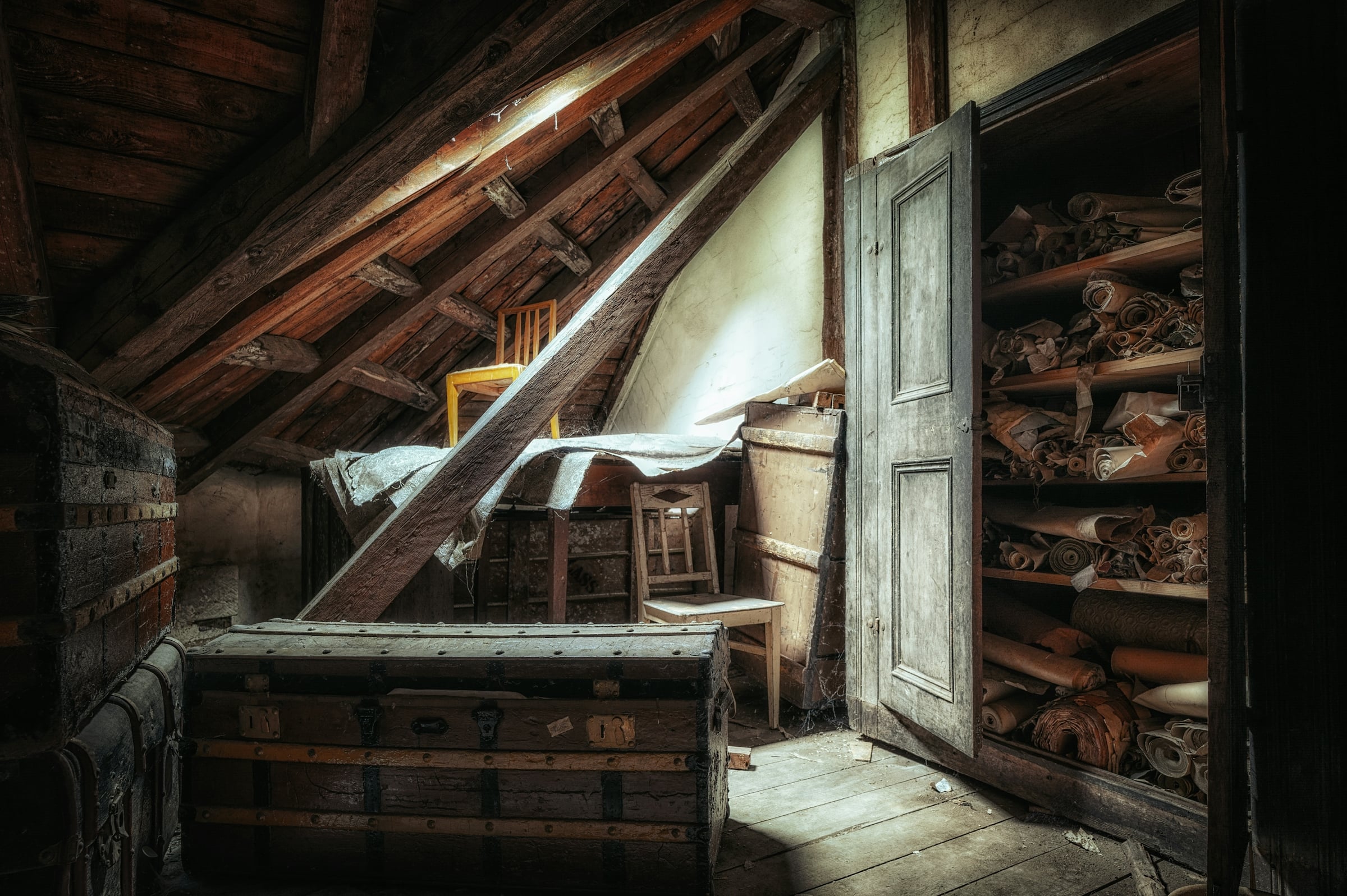
Attics are enclosed and rarely visited, which makes them easy places for animals to settle. Disturbed or flattened insulation, trails through it, stains on the ceiling below and loose or missing vent screens are all worth a photo. Our guide to attic insulation and ventilation covers the same space from the energy and moisture side, and the two problems often overlap because animals disturb insulation and vents.
Crawl spaces: a harder place to see
Some homes in the City of Richmond and the surrounding counties sit over a crawl space. DWR names crawl spaces as likely den sites and advises closing openings under and into buildings. Look at the foundation vents, any torn vapor barrier and the access door. Standing water is a separate problem worth noting. Read our wet crawl space checklist before you decide whether to crawl in yourself.
What a home inspection can and cannot tell you
Virginia’s home inspector regulations (18VAC15-40-120 for the contract and 18VAC15-40-130 for the report) set the ground rules, and they are narrower than most buyers expect. Here is what we read on the Virginia Administrative Code pages for the inspection contract and the inspection report.
| Item | What the regulation says | Section |
|---|---|---|
| Attic and insulation | The report must describe the attic, its insulation, roof framing and roof ventilation | 18VAC15-40-130 |
| Crawl space | The report must describe the crawl space, its ventilation and vapor barriers, and explain how it was inspected | 18VAC15-40-130 |
| Hard to reach areas | Only readily accessible components are covered, and anything not inspected must be named with a reason | 18VAC15-40-130 |
| Pests | The contract must state exclusions, and the listed exclusions include wood destroying organisms and other pests | 18VAC15-40-120 |
| Basis of the report | Visual observation of conditions on the day, not a guarantee, warranty or insurance | 18VAC15-40-120 |
In plain terms, an inspector can write that they saw droppings, chewed material or a nest, and can say an area was blocked, packed with stored items or too low to enter. They are not required to count animals, find every entry point or say the house is free of pests. If your inspector lists pests as excluded in the contract, ask before the inspection whether a separate wildlife or pest company can look at the attic and crawl space. Check the contract wording yourself rather than assuming.
Get new listings sent to you while you compare homes
Tell us the areas and price range, and we set up a saved search across the City of Richmond, Chesterfield, Henrico, Hanover, Goochland and Powhatan. When a home you like needs a closer look at the attic or crawl space, you will already have the inspection questions in this guide.
Who handles removal
The Virginia Department of Wildlife Resources (DWR) says on its urban wildlife page that it is up to the homeowner to seek help and pay for removing a problem animal. Local animal control may take nuisance wildlife calls, but that is at the discretion of the locality, and many offices focus on dogs and cats. DWR points homeowners to licensed nuisance animal trappers through its Trapper Finder Tool, and lists a helpline at 1-855-571-9003.
Two points matter for a buyer. First, DWR states that trapping an animal and relocating it is illegal in Virginia, so a seller who says they moved the animal to the woods is describing something the state does not allow. Second, removal alone is not the fix. DWR advises closing openings under and into buildings, so ask whether the entry points were sealed afterward.
For mice and rats, the EPA lists three options: snap traps, cage traps and poison baits. It says baits must go in tamper resistant bait stations, and that all traps and baits should stay out of reach of children and pets. The EPA also says released rodents can get back inside unless entry points are sealed.
Cleanup precautions: do not sweep
If a seller or a contractor cleans droppings before you move in, the method matters. The CDC’s cleanup page for rodent droppings and nests says to open doors and windows for 30 minutes before cleaning, wear rubber or plastic gloves, and spray droppings or nests with an EPA registered disinfectant until very wet. It says to avoid sweeping or vacuuming them, because that can send particles into the air, and to pick up the wet material with paper towels and place it in a covered garbage can. Dead rodents and nests go into a bag that is knotted and then placed in a second knotted bag.
The CDC’s hantavirus prevention page separately notes that stirring up fresh urine, droppings or nesting material can release hantavirus into the air, and that heavy infestations call for different protective gear than a small cleanup. As a buyer, do not do this work yourself during a visit. If you find a heavy area, say so in writing and let a professional assess it.
What to ask the seller
Put these questions to the seller through your agent, and ask for answers in writing:
- Have you seen or heard rodents or other animals in the attic, crawl space or walls?
- Has a trapper or pest company visited? If so, what did they find, when, and is there a paperwork trail?
- Were entry points sealed, and by whom?
- Has insulation, a vapor barrier or ductwork been replaced because of animal damage?
- Is there any open warranty or service agreement with a pest company?
- Is anything in the attic or crawl space blocking access for the inspector?
Written answers help your side later if a problem shows up after closing. The next step depends on the answers, and your agent can help you decide whether to ask for repairs, a credit or a follow up visit. Ask your agent which deadlines in your contract apply to each.
Where to go from here
Use the checks above on every home you tour, in the City of Richmond or any of the surrounding counties. If you want a head start, our property search shows current listings, and our buyer page explains how we work with you before you make an offer. For a big purchase, plan the inspection around the attic and crawl space first.
Start with a saved search
We will watch the City of Richmond, Chesterfield, Henrico, Hanover, Goochland and Powhatan for homes that match, so you can spend your time on inspections instead of scrolling.
Frequently asked questions
What if the inspector could not get into the attic or crawl space?
Virginia’s inspection report rules (18VAC15-40-130) say the inspector must identify anything that could not be inspected and explain why. Treat that note as an open question, not a pass. Ask the seller to clear access, and ask your agent whether a second visit fits your contract timeline.
Can I trap an animal and release it somewhere else?
No. The Virginia Department of Wildlife Resources says trapped nuisance wildlife must not be relocated, and that trapping and releasing an animal elsewhere is illegal in Virginia. A licensed trapper can explain the lawful options, and DWR runs a helpline at 1-855-571-9003.
How do I mix a disinfectant for cleanup?
The CDC says to mix 1.5 cups of household bleach into 1 gallon of water, make it fresh before each use, and let it soak on droppings or nests for 5 minutes or as the product label directs. An EPA registered disinfectant with the word disinfectant on the label also works. Wear rubber or plastic gloves.
Is it safe to use poison in an attic?
The EPA says rodent poison baits belong only in tamper resistant bait stations, kept away from children, pets and wildlife, and used exactly as the label says. A dead animal in a wall or attic can cause a smell and a cleanup job, so many buyers prefer to hire a licensed company to handle it.
Does a pest inspection come with a home inspection?
Not automatically. Virginia’s inspection contract rules (18VAC15-40-120) list wood destroying organisms and other pests among items an inspection contract may exclude. Read your inspector’s contract, and if pests are excluded, ask whether a separate specialist can visit.
How do I know if droppings are recent?
A visual check cannot reliably date them. The CDC suggests cleaning the area safely and checking back. If new droppings appear, rodents are active. That is a reason to ask the seller for pest company records and to have the attic and crawl space looked at by a specialist.
Should I ask for a repair or a credit if animals are found?
That is a negotiation your agent can guide, and what works depends on your contract, your loan and the facts. Removal is only one piece, since sealing entry points and repairing damage matter too. Ask a Virginia real estate attorney about contract remedies.