In an older house, the three electrical things you can check yourself at a showing are whether the outlets near water have GFCI protection, whether the panel looks tidy with its cover in place, and whether the wiring type is on the seller’s disclosure or the inspector’s report. The Consumer Product Safety Commission (CPSC) says homes 40 years and older should have an electrical inspection, so an older Richmond-area house is worth a closer look before you waive anything.
This guide covers wiring and safety devices only. If you are planning a home charger, our separate post on EV chargers and panel capacity covers permits and load.
GFCI, AFCI and what each one protects
A ground fault circuit interrupter (GFCI) guards against shock. An arc fault circuit interrupter (AFCI) guards against fire from damaged wires or loose connections. CPSC’s home electrical checklist says to put GFCIs in kitchens, bathrooms and other places near water, and it also lists unfinished basements, garages, laundry tubs, wet bar sinks and outdoor outlets. It says GFCIs can fail without any visible sign, so they should be tested monthly. AFCIs come as breakers and are tested the same way as GFCI breakers.
The CPSC release on electrical hazards in the home says AFCIs are particularly important where wiring may have degraded with age, and suggests asking a qualified electrician whether a home over 40 years old would benefit. The release dates from 2003, so treat the device details as background and let a licensed electrician advise on current requirements.
| Device | What it protects against | Test interval (CPSC) | Virginia inspector standard, 18VAC15-40-130(C)(6) |
|---|---|---|---|
| GFCI outlet or breaker | Shock | Monthly | (i): inspected |
| AFCI breaker | Fire from arcing | Monthly | (l): noted if installed, not tested if equipment is attached |
| Smoke and CO alarms | Fire and carbon monoxide | Per manufacturer | (j): presence or absence noted |
| Solid aluminum branch wiring | Not a device; a wiring type | Not applicable | (k): presence noted |
How to test GFCIs at a showing
You can ask permission to press the test and reset buttons. CPSC’s method for an outlet is to plug in a lamp, turn it on and press test. The lamp should go off. Press reset and it should come back on. If either step fails, the device needs replacing. For a GFCI breaker, pressing test should move the handle to the middle or off position. Note that one GFCI outlet can protect others downstream, so a bathroom outlet without buttons may still be covered. An inspector or electrician can trace that.
Two-prong outlets are a clue about age. An archived CPSC video on wiring safety says a GFCI outlet can replace an older two-hole outlet in a home without grounding and still give shock protection. That is a fix, not proof the whole house is wired safely, so ask what else has been updated.
Get a saved search for the homes you want to inspect
Tell us the areas and the age of house you are open to, and we will send new listings. Use this wiring checklist at each showing before you decide whether to order an inspection. You can also browse current listings.
Warning signs: knob-and-tube and aluminum wiring
Aluminum branch-circuit wiring is the one wiring type the Virginia standards name. CPSC’s aluminum wiring recommendations estimate about two million homes and mobile homes were built with it since 1965. It lists these warning signs:
- Switch or outlet faceplates that feel warm.
- A strange odor or burning-plastic smell near a receptacle or switch.
- Lights that flicker with no obvious cause.
CPSC says to seek expert advice right away if you notice them. It also says replacement switches and outlets should be labeled CO/ALR, installed by someone experienced with aluminum, and that people without electrical training should not inspect or repair the wiring themselves. For homes built in the late 1960s and early 1970s, the 2003 CPSC release linked above says to learn about aluminum wiring hazards.
Knob-and-tube is an older wiring style, run openly through framing and rated for use in the open. The archived CPSC video says covering such wiring with insulation can cause overheating and a fire hazard, and that insulation should not cover wiring unless an electrician certifies it is rated for that. If you see old cloth-covered wires in an attic during a showing, do not disturb them. Mention it to your inspector, and read our guide to attic insulation and ventilation before you plan any insulation work.
Other signs listed in that video include scorch marks, cracked or separating insulation, loose switches, fuse boxes with open holes or missing panel doors, junction boxes without protective covers, and extension cords used in place of fixed wiring. The 2003 release adds dimming lights and frequent breaker trips or blown fuses.
The panel: what an inspector looks at
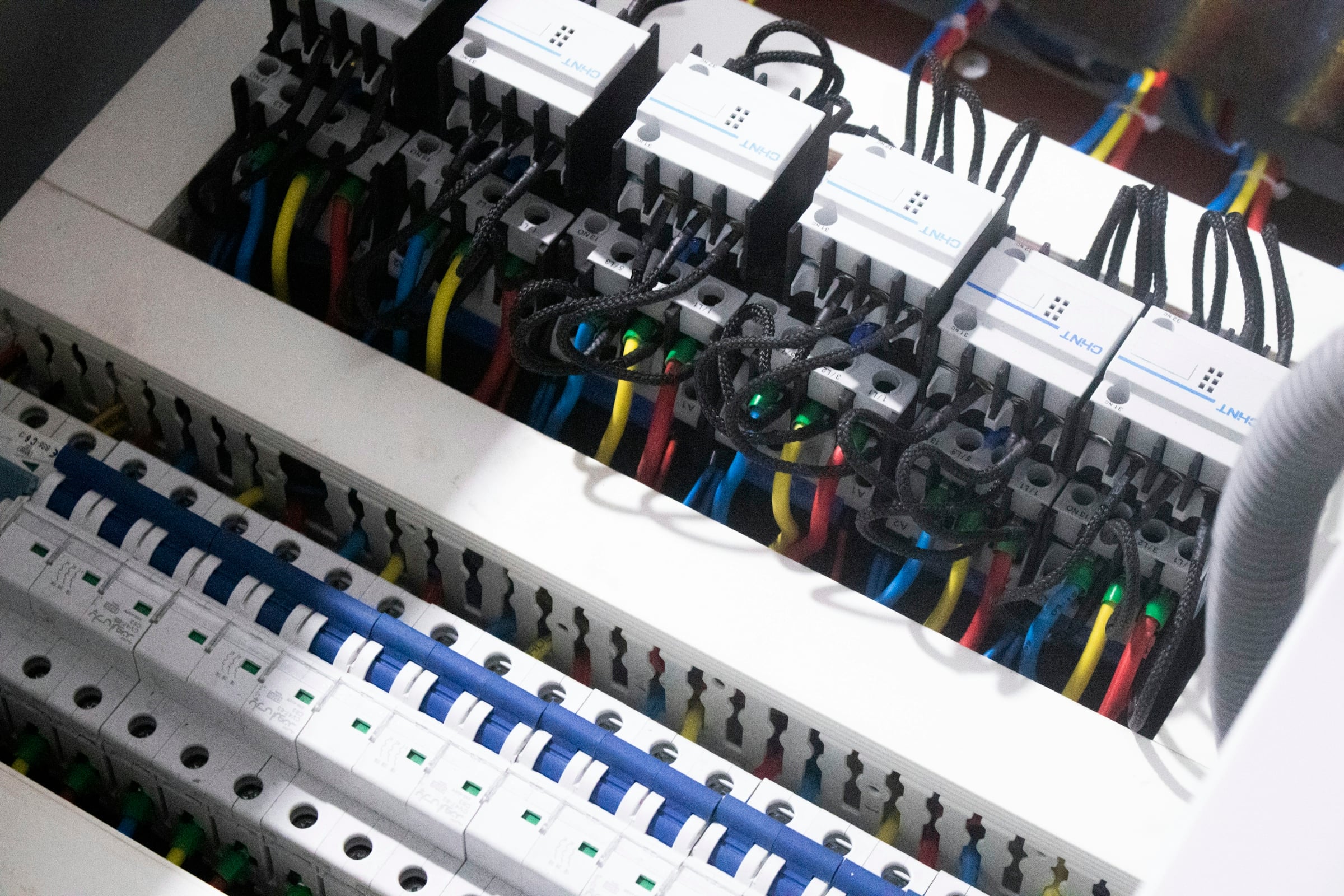
Under 18VAC15-40-130(C)(6), a Virginia home inspector covers the service entrance, main disconnect, grounding, interior components of main and sub panels, overcurrent protection, and installed lights, switches and receptacles. If the inspector sees yellow corrugated stainless steel tubing in a home built before the 2006 Virginia Construction Code, subsection G requires a report statement about bonding and grounding.
At the panel during a showing, look for a closed cover, labeled breakers, no scorch marks, and no signs of rust or moisture. Ask where the main shutoff is, and ask the owner whether any breakers trip often, since CPSC lists frequent trips and blown fuses as a warning sign. Take a photo of the panel label so your inspector and electrician can compare notes later. If you see a fuse box, ask whether the owner has an electrician’s report on it.
What the inspection does not cover
The same regulation says the scope is limited to readily accessible components and observable defects, and “except as may be limited by the home inspection contract.” Anything not inspected must be named with a reason. Wiring inside closed walls is not visible, which is why a specialist is the next step when a general inspector flags aluminum or old wiring. Our Richmond home inspection guide explains how to order a follow-up inside your contract deadlines.
Why insurers ask about wiring
Insurers decide whether to offer coverage and at what terms, and some ask about the age of a house and its electrical system on the application. We could not find a Virginia regulator page that lists what each company asks, so treat this as a prompt rather than a rule. Call an insurance agent with the house address and the inspection findings before your inspection period ends, not after closing. Outage and storm planning is a separate topic, covered in our post on storms and power outages.
If you are touring older streets in North Side, Highland Springs or Tuckahoe, the checklist is the same as anywhere: age is a prompt to ask, not a verdict.
Keep this checklist for every older house
Share your areas and we will send matching homes, so you can check GFCIs, the panel and wiring type before you spend on an inspection. Questions about financing repairs are best answered by a lender on our preferred lenders page.
Frequently asked questions
How often should a GFCI be tested?
CPSC says monthly, using the test and reset buttons on the outlet or breaker. GFCIs can fail without any visible sign, so a button that has never been pressed is worth testing.
Does an AFCI mean the wiring is new?
No. An AFCI is a breaker that senses arcing. CPSC describes it as helpful where wiring has degraded with age, so one can be added to an older circuit without rewiring the house.
What does CO/ALR on a switch mean?
CPSC says replacement switches and outlets on aluminum branch wiring should be labeled CO/ALR on the mounting strap. A regular device without that label is a sign to ask an electrician about the connections.
Can I look inside the panel myself?
Do not remove the cover. CPSC advises that people without thorough electrical training should not inspect or repair aluminum wiring, because serious or fatal shock is possible. Ask the inspector to open it and show you what they see.
Do I need an electrician in addition to a home inspector?
If the inspector notes aluminum branch wiring, old fuse equipment, scorch marks or repeated breaker trips, CPSC recommends a licensed electrician or electrical inspector to find hidden hazards. You can ask for this inside your inspection period.
Are smoke and carbon monoxide alarms part of the electrical check?
The inspector notes whether smoke alarms and CO detectors are present or absent under (C)(6)(j), and smoke alarm condition is covered in subsection F. CPSC suggests alarms on every floor, outside sleeping areas and inside each bedroom.